Still have questions? Leave a comment
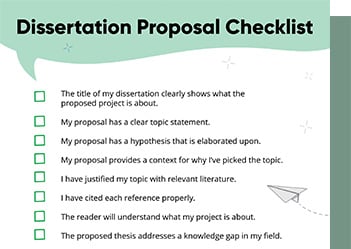
Checklist: Dissertation Proposal
Enter your email id to get the downloadable right in your inbox!
[contact-form-7 id="12425" title="Checklist: Dissertation Proposal"]
Examples: Edited Papers
Enter your email id to get the downloadable right in your inbox!
[contact-form-7 id="12426" title="Examples: Edited Papers"]Need
Editing and
Proofreading Services?

Master Circumlocution: Definition, Examples & Literary Uses
 Feb 06, 2026
 7
min read
7
min read
Nuance, emphasis, and creativity are the main goals writers wish to achieve through their writing endeavors. Isn’t that correct? For this, they employ varied writing techniques and devices to express their ideas.
One such popular device in language and literature is circumlocution, a tool used to say something indirectly, often by using more words than is strictly necessary. While it might sound counterproductive to use “more words to say less,” circumlocution adds depth to language.
In this article, we will explore the definition of circumlocution, why it is used, and how it compares to similar literary devices.
Using circumlocution for the first time? Get your copy edited by experts! Learn more
What is circumlocution?
Circumlocution is using many words to express an idea that could be explained or communicated in a few words. It allows speakers and writers to talk about concepts and ideas that are difficult, sensitive, or playful.
Circumlocution can be considered a form of indirect language that serves stylistic purposes. Derived from Latin, where “circum” means “around” and “locutio” means “speech,” circumlocution is the act of talking around a subject instead of addressing it directly.
The phrase “passing away” instead of “dying” is a classic example. Instead of addressing the topic directly and in a straightforward manner, circumlocution circles around it, often softening it, adding detail, or increasing its depth.
In literature, the definition of circumlocution goes further and carries a significant meaning. It becomes a purposeful choice to create rhythm, suspense, or subtlety in dialogue or narrative. It can serve as an indirect way of describing something uncomfortable or unknown or add a humorous or dramatic effect.
Why do we use circumlocution?
Writers and speakers might use circumlocution for various reasons, ranging from emotional subtlety to wordplay. One thing you can be sure of is that it enhances communication and helps you avoid situations that might result in conflicts.
Here are some common reasons for its use:
- To soften harsh or sensitive topics: Circumlocution allows you to initiate difficult subjects with tact. Instead of confronting a difficult subject like death, disease, or criticism, people use softer phrases such as “in a better place” or “economically challenged.”
- To create suspense or mystery: In storytelling, circumlocution is used to delay the revealing of important details, keeping readers engaged (on the edge of their seats almost until the end, sometimes). This can be especially effective in mysteries or dramas, where suspense is key. For example, phrases like “A figure lurked in the shadows, their intentions unclear” create suspense that excites readers.
- To embellish or emphasize: Circumlocution can make simple statements feel more grandiose. Instead of “ordinary”, a character might be described as “possessing qualities of a distinctly non-extraordinary nature”. This playfulness gives the language a grand feel, even when it means “just ordinary”.
- To demonstrate character traits: Characters may use circumlocution to display intelligence, humor, or even arrogance. In dialogue, it helps develop interesting character sketches and flesh out their personalities. Circumlocution enables writers to develop interesting speeches, dialogues, and narratives. For instance, someone may say “I possess a unique blend of talents that few others can match” instead of “I’m the best”.
- To handle social expectations or taboos: Circumlocution can ease social situations. For instance, if a person is uncomfortable discussing money, they might say, “I’m practicing some financial restraint” rather than admitting they are broke or have no money.
In this way, circumlocution is valuable in language learning and social communication. So, the next time you want to sound less blunt, curt, rude, or tactless, allow circumlocution to come to your rescue.
Circumlocution vs. other literary devices
Circumlocution is sometimes confused with other literary devices that also add indirect meaning to sentences, but it has distinct differences.
Let’s compare circumlocution with some related devices to understand these minute yet important differences.
Circumlocution vs. euphemism
Euphemism is a figure of speech that replaces a harsh or direct phrase with a softer, more socially acceptable term.
For example, “tipsy” instead of “drunk”. While both euphemism and circumlocution can soften language, circumlocution often involves longer, more elaborate phrases rather than simple word replacements.
Euphemism: She’s in a better place now.
Circumlocution: She has moved on to a realm beyond our earthly comprehension.
Circumlocution vs. periphrasis
Periphrasis involves using a longer expression to convey a concept that could be stated more simply.
Though it is similar to circumlocution, periphrasis does not always work with the same nuanced purpose as circumlocution. It might simply be used to make speech sound more formal or grandiose.
Simple: She’s brilliant.
Periphrasis: She possesses an exceptional level of intellectual acuity.
Both literary devices discussed above seem similar to circumlocution, but circumlocution has a more intentional purpose of dodging or skirting around the main point for stylistic, linguistic, or rhetorical reasons.
Even metaphors and symbolism can be compared to circumlocution. For instance, you may wonder if a metaphor can replace circumlocution. It most likely cannot because a metaphor is a direct comparison of two things, ideas, or experiences, while circumlocution is an indirect way of expressing something, often using more words than required.
Examples of circumlocution in literature
Many famous authors have used circumlocution as a stylistic device to add depth, meaning, and color to their prose. By introducing circumlocution, they successfully added richness to literary expression.
Let’s study a few notable examples.
1. Charles Dickens – Bleak House
Dickens often used circumlocution to create a humorous or ironic effect. In Bleak House, characters are frequently described in roundabout ways to emphasize their peculiarities.
For instance, a character might be described as “not unknown to certain circles”. It implies, quite unambiguously, that they are well-known but in a less flattering, more gossipy sense.
2. William Shakespeare – Hamlet
In Hamlet, Polonius uses circumlocution extensively. His advice to Laertes, “Give thy thoughts no tongue,” is a roundabout way of saying “Don’t speak out of turn.”
Shakespeare uses this technique to highlight Polonius’s self-importance and tendency to overthink.
3. J.K. Rowling – Harry Potter and the Half-Blood Prince
Dumbledore often uses circumlocution to both humorously and gently impart wisdom. Rather than directly instructing Harry, Dumbledore might say something like, “I could be mistaken… but the answer might reside within your own grasp,” leaving Harry to interpret the meaning himself.
These examples of circumlocution in literature show how the device can add charm, character depth, or suspense and transform simple statements into complex expressions.
Pros and cons of using circumlocution
Like other literary devices, circumlocution also has certain advantages and disadvantages. Its effectiveness depends on the context in question and how skillfully it has been used.
Pros of circumlocution
- Adds depth to characters and dialogue: Circumlocution can help develop characters, showing their intelligence, humor, thoughts, or even insecurities.
- Creates mood and style: The device contributes to a unique narrative style. It gives content a layered, literary quality that readers can enjoy interpreting. It also makes content interesting by prompting readers to read between the lines.
- Softens harsh realities: If you are handling sensitive subjects, circumlocution provides a way to discuss these topics gently, which is particularly useful in social or public writing.
- Engages readers through indirect language: By encouraging readers to interpret meaning, circumlocution offers an active reading experience. Naturally, audiences go digging deep into the text to uncover hidden motivations and messages. This can keep readers hooked on stories!
Cons of circumlocution
- Can lead to confusion: Too much circumlocution, especially when used excessively, can confuse readers since it can make the text unnecessarily dense or convoluted. It might make the story difficult to interpret and follow, which may lead to readers abandoning the idea of reading something altogether.
- Risks diluting the message: For readers looking for clear, direct information, circumlocution can seem like pointless wordplay. It can reduce the effectiveness of communication.
- Not suitable for all contexts: In academic, technical, or formal writing, circumlocution may disturb the flow of ideas, hamper clarity, and reduce the quality of your content. Here, being concise is usually more important than creativity.
To master circumlocution, you will need to understand when, why, and how it can be used for effective communication. While you may think verbosity is worthless, circumlocution proves otherwise. It is an essential tool that adds subtlety and brings sophistication to language.
Deal with difficult topics, enhance your literary style, or add humor to your dialogue with this useful tool! Circumlocution enriches both the reading and writing experience. It can help writers create deeper connections with their audiences and explore the intricacies of language in unique ways.
If flexibility and creativity are part of your writing goals, use this literary device. It can enhance prose, develop characters, and create memorable passages that resonate with readers long after they have turned the page. When your content is ready, get it edited by professionals who can suggest further improvements to your writing.
Here are some other interesting articles you might want to check out: