Still have questions? Leave a comment
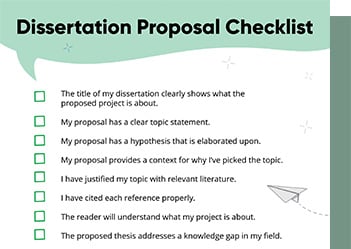
Checklist: Dissertation Proposal
Enter your email id to get the downloadable right in your inbox!
[contact-form-7 id="12425" title="Checklist: Dissertation Proposal"]
Examples: Edited Papers
Enter your email id to get the downloadable right in your inbox!
[contact-form-7 id="12426" title="Examples: Edited Papers"]Looking
to self-publish
your book?

How to Write a Cookbook: Step-by-Step Guide
 Mar 02, 2026
 6
min read
6
min read
- Tags: Nonfiction, Writing Tips
Cookbooks are among the ‘classics’ of non-fiction: no matter how many recipes are available on the internet, there is just something so delightfully cozy about owning a book of recipes, all waiting to be tried out by you someday. Whether a warm little volume of soul food that reminds you of home or a large, glossy-paged tome filled with exotic delights, a cookbook will, at some point in time, make its way into a foodie’s bookshelf.
If you are skilled in the kitchen and want to pass on your knowledge, there’s no better way to do so than by writing a cookbook. Here is a step-by-step guide on how to put together your culinary manual and make your way into kitchens (and hearts, and stomachs!) everywhere!
Have You Written The Perfect Cookbook? Publish It Now! Get Started
1. Step one: build credibility
While this first step has little to do with the actual writing process, it is very important for the success of your book. As the author of a cookbook (or any non-fiction book, really), you will be putting yourself out as an expert in the field. Publishers (and readers) are not likely to pick up the work of someone with no background or public exposure in the field they are writing about. So, in order to get taken seriously as a cookbook author, here are some things you can do:
-
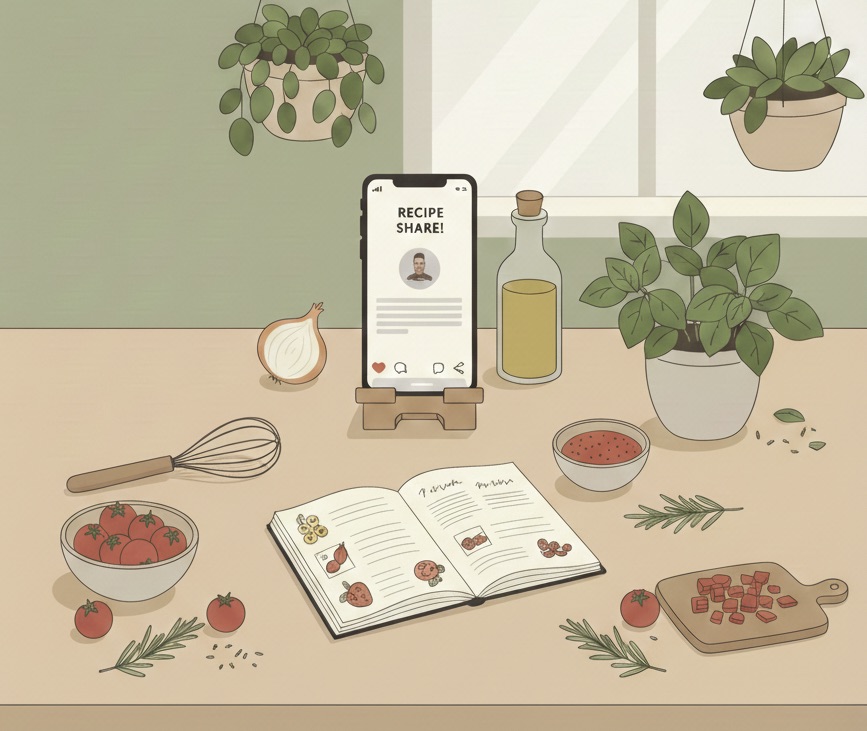
Start an Instagram account or YouTube channel
Creating your own little niche online where you post your recipes and talk about food is a great way to build your brand and connect with viewers, who will eventually turn into buyers of your book!
-
Take part in a cooking reality show
While this might sound daunting, if you are confident about your skills, it would be a great idea to apply for a cooking show like MasterChef and its ilk, or a baking show, if your skills lie more in that domain. This will not only showcase your skills on a national or even international platform (thus driving more views towards your social media accounts), it will also help you gain experience by learning from experienced, Michelin-star-earning chefs.
-
Gain work experience
Whether as an employee of a restaurant or bakery, or by starting your own cloud kitchen or home food services, having work experience in the culinary field will stand you in good stead as an experienced hand in the business.
Also Read: 10 Best Ghostwriting Services for Authors
2. Step two: decide on a theme
Once you have established your base in the culinary field, it is finally time to get started on your cookbook! To avoid appearing scattered and disorganized, it would be a good idea to select a theme on which to base your book. Here are some ideas:
- Easy home cooking for beginners
- Baking for beginners
- Indian cuisine
- Italian cuisine
- Mexican cuisine
- Japanese cuisine
- Continental dishes
You could also consider putting together a cookbook of little-known recipes from your ethnic home, or you could try something that would appeal to an eclectic audience, like putting together a cookbook on all the different types of biriyani, sushi, or pasta.
3. Step three: curate your recipes
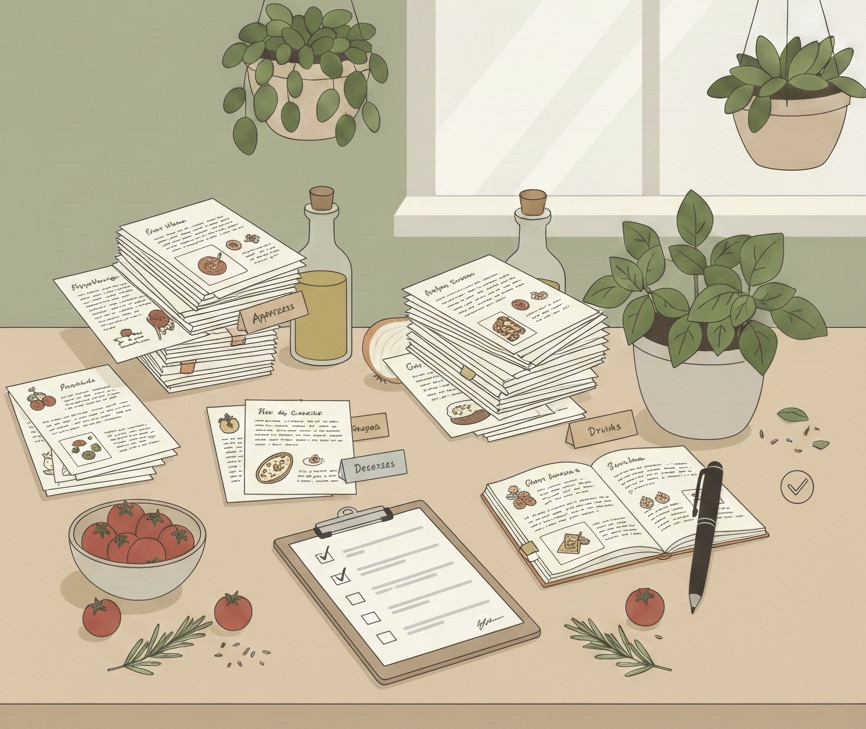
Once you have chosen your theme, it is important to curate your recipes wisely. Here’s how to go about the process:
- Select tried-and-tested (by you) recipes that coincide with the skill level of the audience your book is aimed at
- Make sure all the recipes align with the underlying theme of your book
- Arrange them in categories (such as starters, main course, dessert) or in order of complexity
- Write your recipes in easily understood language, preferably in point form, so that readers can follow and pace themselves
- It would also help to provide a historical or cultural backstory to the origins of each dish to make the process more interesting for the readers.
4. Step four: take aesthetic pictures
Visual cues are an important part of cookbooks. Once you have finished writing your book, it is important to take well-lit, well-staged photographs of the dishes to help readers visualize what they will be working towards.
- Decide whether you want a single, finished photograph of each dish or pictures of the ingredients and various steps as well
- Decide if you will be taking the pictures yourself or hiring the services of a food photographer (in which case, it is important to give them credit for their work)
- Stage your shots by plating your food on attractive crockery and ensuring warm lighting, a clean background, and some motifs (such as the print of the tablecloth or small indoor plants) that go with the theme of the dishes.
All these will add to the visual appeal of the photographs and your book at large. You can also select images for the prospective front and back covers from among the shots you have taken.
5. Step five: pitch to publishers
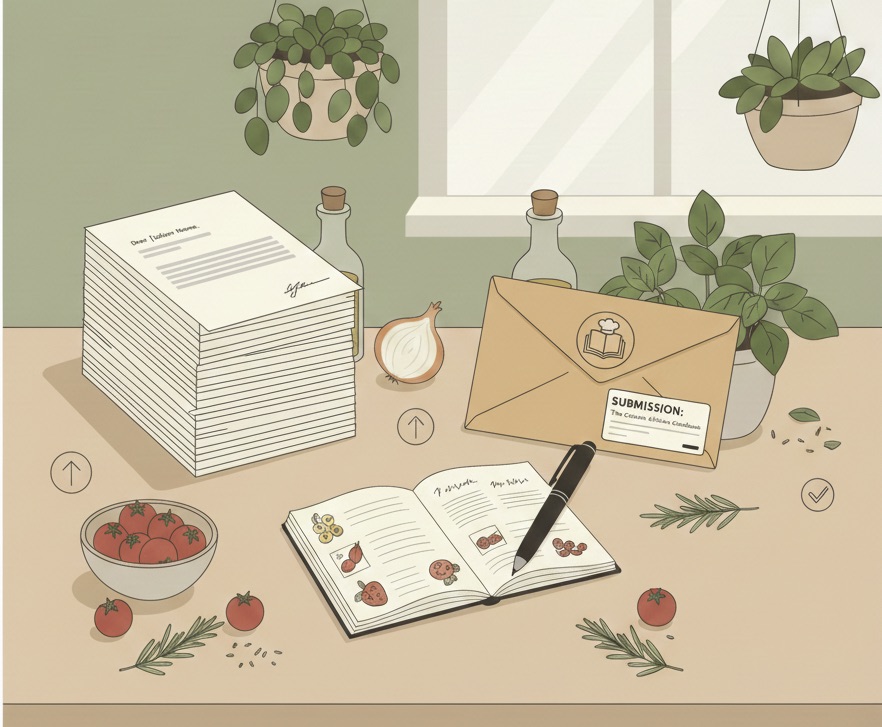
Once you have put together your manuscript, complete with the recipes arranged in the right order, an index, and your beautiful, aesthetically appealing photographs, it is time to start pitching your books to publishers. Here’s how to go about the process:
- Decide if you want to self-publish or publish traditionally. This depends on factors such as cost, production value, end product value, and how involved you want to be in the process.
- Make a list of publishers you’d like to work with and review their submission guidelines. Tailor your submission carefully to increase its chances of acceptance.
- Write a compelling cover letter explaining why your manuscript is unique and valuable to both the publisher and your target audience.
- If you like, attach photographs of your cooking along with sample chapters of your recipes to add extra value.
Now that you have all the know-how of how to write a cookbook, it’s time to put on your apron and get cracking!
PaperTrue offers expert, hassle-free self-publishing services that allow you to get your manuscript edited and published by professionals. Check them out!
Here are some more resources: