- A List of Writing Contests in 2022 | Exciting Prizes!
- Em Dash vs. En Dash vs. Hyphen: When to Use Which
- Book Proofreading 101: The Beginner’s Guide
- Screenplay Editing: Importance, Cost, & Self-Editing Tips
- Screenplay Proofreading: Importance, Process, & Cost
- Script Proofreading: Rates, Process, & Proofreading Tips
- Manuscript Proofreading | Definition, Process & Standard Rates
- Tips to Write Better if English Is Your Second Language
- Novel Proofreading | Definition, Significance & Standard Rates
- Top 10 Must-Try Writing Prompt Generators in 2024
- What Is Flash Fiction? Definition, Examples & Types
- 80 Enchanting Christmas Writing Prompts for Your Next Story
- Top 10 Book Review Clubs of 2025 to Share Literary Insights
- 2024’s Top 10 Self-Help Books for Better Living
- Writing Contests 2023: Cash Prizes, Free Entries, & More!
- What Is a Book Teaser and How to Write It: Tips and Examples
- Audiobook vs. EBook vs. Paperback in 2024: (Pros & Cons)
- How to Get a Literary Agent in 2024: The Complete Guide
- Alpha Readers: Where to Find Them and Alpha vs. Beta Readers
- Author Branding 101: How to Build a Powerful Author Brand
- A Guide on How to Write a Book Synopsis: Steps and Examples
- How to Write a Book Review (Meaning, Tips & Examples)
- Building an Author Website: The Ultimate Guide with Examples
- Top 10 Paraphrasing Tools for All (Free & Paid)
- Top 10 Book Editing Software in 2024 (Free & Paid)
- What Are Large Language Models and How They Work: Explained!
- Top 10 Hardcover Book Printing Services [Best of 2024]
- 2024’s Top 10 Setting Generators to Create Unique Settings
- Top 10 Screenplay & Scriptwriting Software (Free & Paid)
- 10 Best AI Text Generators of 2024: Pros, Cons, and Prices
- Top 10 Must-Try Character Name Generators in 2024
- 10 Best AI Text Summarizers in 2024 (Free & Paid)
- 11 Best Story Structures for Writers (+ Examples!)
- How to Write a Book with AI in 2024 (Free & Paid Tools)
- Writing Contests 2024: Cash Prizes & Free Entries!
- Patchwork Plagiarism: Definition, Types, & Examples
- Simple Resume Formats for Maximum Impact With Samples
- What Is a Complement in a Sentence? (Meaning, Types & Examples)
- What are Clauses? Definition, Meaning, Types, and Examples
- Persuasive Writing Guide: Techniques & Examples
- How to Paraphrase a Text (Examples + 10 Strategies!)
- A Simple Proofreading Checklist to Catch Every Mistake
- Top 10 AI Resume Checkers for Job Seekers (Free & Paid)
- 20 Best Comic Book Covers of All Time!
- How to Edit a Book: A Practical Guide with 7 Easy Steps
- How to Write an Autobiography (7 Amazing Strategies!)
- How to Publish a Comic Book: Nine Steps & Publishing Costs
- Passive and Active Voice (Meaning, Examples & Uses)
- How to Publish a Short Story & Best Publishing Platforms
- What Is Expository Writing? Types, Examples, & 10 Tips
- 10 Best Introduction Generators (Includes Free AI Tools!)
- Creative Writing: A Beginner’s Guide to Get Started
- How to Sell Books Online (Steps, Best Platforms & Tools)
- Top 10 Book Promotion Services for Authors (2025)
- 15 Different Types of Poems: Examples & Insight into Poetic Styles
- 10 Best Book Writing Apps for Writers 2025: Free & Paid!
- Top 10 AI Humanizers of 2025 [Free & Paid Tools]
- How to Write a Poem: Step-by-Step Guide to Writing Poetry
- 100+ Amazing Short Story Ideas to Craft Unforgettable Stories
- The Top 10 Literary Devices: Definitions & Examples
- Top 10 AI Translators for High-Quality Translation in 2025
- Top 10 AI Tools for Research in 2025 (Fast & Efficient!)
- 50 Best Essay Prompts for College Students in 2025
- Top 10 Book Distribution Services for Authors in 2025
- Top 10 Book Title Generators of 2025
- What Is an Adjective? Definition, Usage & Examples
- How to Track Changes in Google Docs: A 7-Step Guide
- Parts of a Book: A Practical, Easy-to-Understand Guide
- What Is an Anthology? Meaning, Types, & Anthology Examples
- 10 Best Plot Generators for Engaging Storytelling in 2025
- 30 Powerful Poems About Life to Inspire and Uplift You
- Metonymy: Definition, Examples, and How to Use It In Writing
- How to Write a CV with AI in 9 Steps (+ AI CV Builders)
- What Is an Adverb? Definition, Types, & Practical Examples
- How to Create the Perfect Book Trailer for Free
- Translation Services: Top 10 Professional Translators (2025)
- 10 Best Free Online Grammar Checkers: Features and Ratings
- 30 Popular Children’s Books Teachers Recommend in 2025
- 10 Best Photobook Makers of 2025 We Tested This Year
- Top 10 Book Printing Services for Authors in 2025
- 10 Best AI Detector Tools in 2025
- Audiobook Marketing Guide: Best Strategies, Tools & Ideas
- 10 Best AI Writing Assistants of 2025 (Features + Pricing)
- How to Write a Book Press Release that Grabs Attention
- 15 Powerful Writing Techniques for Authors in 2025
- Generative AI: Types, Impact, Advantages, Disadvantages
- Best EBook Cover Design Services of 2025 for Authors
- Writing Contests 2025: Cash Prizes, Free Entries, and More!
- National Novel Writing Month (NaNoWriMo)
- Best Horror Books of All Time (Must-Read List)
- Best Book Trailer Services
- Your Guide to the Best eBook Readers in 2026
- 10 Best Punctuation Checkers for Error-Free Text (2026)
- Master Circumlocution: Definition, Examples & Literary Uses
- Best Historical Fiction Books: 30 Must-Read Novels
- Best 101 Greatest Fictional Characters of All Time
- Top 10 Book Writing Software, Websites, and Tools in 2026
- Top 10 AI Rewriters for Perfect Text in 2026 (Free & Paid)
- Top 10 Book Publishing Companies in the World (2026)
- Best Fonts and Sizes for Books: A Complete Guide
- 25 Figures of Speech Simplified: Definitions and Examples
- 14 Punctuation Marks: A Guide on How to Use with Examples!
- Best Book Review Sites of 2026: Top 10 Picks
- Different Types of Characters in Stories That Steal the Show
- 50 Best Literary Agents in the USA for Authors in 2026
- Top 10 Book Marketing Services of 2026: Features and Costs
- Writing Contests 2026: Free Entries and Cash Prizes!
- Top 101 Bone-Chilling Horror Writing Prompts
- What Is a Poem? Poetry Definition, Elements, & Examples
- 50 Timeless and Best Book Covers of All Time
- Top 10 eBook Creator Tools in 2026: Free & Paid
- How to Write a Book Report | Steps, Examples & Free Template
- 100+ Creative Writing Prompts for Masterful Storytelling
- Children’s Book Illustration: Styles, Process, and Examples
- What is a Book Copyright Page?
- Final Checklist: Is My Article Ready for Submitting to Journals?
- 8 Pre-Publishing Steps to Self-Publish Your Book
- How to Copyright Your Book in the US, UK, & India
- Beta Readers: Why You Should Know About Them in 2024
- How to Publish a Book in 2024: Essential Tips for Beginners
- Book Cover Design Basics: Tips & Best Book Cover Ideas
- Why and How to Use an Author Pen Name: Guide for Authors
- How to Format a Book in 2025: 7 Tips for Book Formatting
- What is Manuscript Critique? Benefits, Process, & Cost
- 10 Best Ghostwriting Services for Authors in 2025
- Best Manuscript Editing Services of 2025
- Best Manuscript Critique Services (2026): Top 10 Picks
- How To Format a Book in Google Docs (Step-by-Step)
- ISBN Guide: What Is an ISBN and How to Get an ISBN
- 7 Essential Elements of a Book Cover Design
- How to Hire a Book Editor in 5 Practical Steps
- Self-Publishing Options for Writers
- How to Promote Your Book Using a Goodreads Author Page
- What Makes Typesetting a Pre-Publishing Essential for Every Author?
- 4 Online Publishing Platforms To Boost Your Readership
- Typesetting: An Introduction
- Quick Guide to Novel Editing (with a Self-Editing Checklist)
- Self-Publishing vs. Traditional Publishing: 2024 Guide
- How to Publish a Book in 2024: Essential Tips for Beginners
- How to Publish a Book on Amazon: 8 Easy Steps [2024 Update]
- What are Print-on-Demand Books? Cost and Process in 2024
- What Are the Standard Book Sizes for Publishing Your Book?
- How to Market Your Book on Amazon to Maximize Sales in 2024
- Top 10 Hardcover Book Printing Services [Best of 2024]
- How to Find an Editor for Your Book in 8 Steps (+ Costs!)
- What Is Amazon Self-Publishing? Pros, Cons & Key Insights
- Manuscript Editing in 2024: Elevating Your Writing for Success
- Know Everything About How to Make an Audiobook
- A Simple 14-Point Self-Publishing Checklist for Authors
- How to Write an Engaging Author Bio: Tips and Examples
- Book Cover Design Basics: Tips & Best Book Cover Ideas
- How to Publish a Comic Book: Nine Steps & Publishing Costs
- Why and How to Use an Author Pen Name: Guide for Authors
- How to Sell Books Online (Steps, Best Platforms & Tools)
- A Simple Guide to Select the Best Self-Publishing Websites
- 10 Best Book Cover Design Services of 2025: Price & Ratings
- How Much Does It Cost to Self-Publish a Book in 2025?
- Quick Guide to Book Editing [Complete Process & Standard Rates]
- How to Distinguish Between Genuine and Fake Literary Agents
- What is Self-Publishing? Everything You Need to Know
- How to Copyright a Book in 2025 (Costs + Free Template)
- The Best eBook Conversion Services of 2025: Top 10 Picks
- 10 Best Self-Publishing Companies of 2025: Price & Royalties
- 10 Best Photobook Makers of 2025 We Tested This Year
- Book Cover Types: Formats, Bindings & Styles
- A Beginner’s Guide on How to Self Publish a Book (2025)
- Index in a Book: Definition, Purpose, and How to Use It
- How to Publish a Novel: Easy Step-By-Step Guide
- How to Design a Book Cover: From Concept to Covers That Sell
- ISBN Guide: What Is an ISBN and How to Get an ISBN
- 7 Essential Elements of a Book Cover Design
- 8 Tips To Write Appealing Query Letters
- Self-Publishing vs. Traditional Publishing: 2024 Guide
- How to Publish a Book in 2024: Essential Tips for Beginners
- What are Print-on-Demand Books? Cost and Process in 2024
- How to Write a Query Letter (Examples + Free Template)
- Third-person Point of View: Definition, Types, Examples
- How to Write an Engaging Author Bio: Tips and Examples
- How to Publish a Comic Book: Nine Steps & Publishing Costs
- 10 Best Photobook Makers of 2025 We Tested This Year
- Book Cover Types: Formats, Bindings & Styles
- Index in a Book: Definition, Purpose, and How to Use It
- How to Publish a Novel: Easy Step-By-Step Guide
- How to start your own online publishing company?
- How to Design a Book Cover: From Concept to Covers That Sell
- ISBN Guide: What Is an ISBN and How to Get an ISBN
- Top 10 Book Publishing Companies in the World (2026)
- How to Create Depth in Characters
- Starting Your Book With a Bang: Ways to Catch Readers’ Attention
- Research for Fiction Writers: A Complete Guide
- Short stories: Do’s and don’ts
- How to Write Dialogue: 7 Rules, 5 Tips & 65 Examples
- What Are Foil and Stock Characters? Easy Examples from Harry Potter
- How To Write Better Letters In Your Novel
- On Being Tense About Tense: What Verb Tense To Write Your Novel In
- How To Create A Stellar Plot Outline
- How to Punctuate Dialogue in Fiction
- On Being Tense about Tense: Present Tense Narratives in Novels
- The Essential Guide to Worldbuilding [from Book Editors]
- What Is Point of View? Definition, Types, & Examples in Writing
- How to Create Powerful Conflict in Your Story | Useful Examples
- How to Write a Book: A Step-by-Step Guide
- How to Write a Short Story in 6 Simple Steps
- How to Write a Novel: 8 Steps to Help You Start Writing
- Joseph Campbell’s Hero’s Journey: Worksheet & Examples
- Novel Outline: A Proven Blueprint [+ Free Template!]
- Character Development: 7-Step Guide for Writers
- What Is NaNoWriMo? Top 7 Tips to Ace the Writing Marathon
- What Is the Setting of a Story? Meaning + 7 Expert Tips
- What Is a Blurb? Meaning, Examples & 10 Expert Tips
- What Is Show, Don’t Tell? (Meaning, Examples & 6 Tips)
- 10 Best Free AI Resume Builders to Create the Perfect CV
- A Complete Guide on How to Use ChatGPT to Write a Resume
- 10 Best AI Writer Tools Every Writer Should Know About
- How to Write a Book Title (15 Expert Tips + Examples)
- Mastering Professional Email Writing: Steps, Tips & Examples
- How to Write a Screenplay: Expert Tips, Steps, and Examples
- Business Proposal Guide: How to Write, Examples and Template
- Different Types of Resumes: Explained with Tips and Examples
- How to Create a Memorable Protagonist (7 Expert Tips)
- How to Write an Antagonist (Examples & 7 Expert Tips)
- Writing for the Web: 7 Expert Tips for Web Content Writing
- 10 Best AI Text Generators of 2024: Pros, Cons, and Prices
- What are the Parts of a Sentence? An Easy-to-Learn Guide
- What Is Climax Of A Story & How To Craft A Gripping Climax
- What Is a Subject of a Sentence? Meaning, Examples & Types
- Object of a Sentence: Your Comprehensive Guide
- What Is First-Person Point of View? Tips & Practical Examples
- Second-person Point of View: What Is It and Examples
- 10 Best AI Essay Outline Generators of 2024
- Third-person Point of View: Definition, Types, Examples
- The Importance of Proofreading: A Comprehensive Overview
- Patchwork Plagiarism: Definition, Types, & Examples
- Simple Resume Formats for Maximum Impact With Samples
- The Ultimate Guide to Phrases In English – Types & Examples
- Modifiers: Definition, Meaning, Types, and Examples
- What are Clauses? Definition, Meaning, Types, and Examples
- Persuasive Writing Guide: Techniques & Examples
- What Is a Simile? Meaning, Examples & How to Use Similes
- Mastering Metaphors: Definition, Types, and Examples
- How to Publish a Comic Book: Nine Steps & Publishing Costs
- Essential Grammar Rules: Master Basic & Advanced Writing Skills
- Benefits of Using an AI Writing Generator for Editing
- Hyperbole in Writing: Definition and Examples
- How to Write a Novel in Past Tense? 3 Steps & Examples
- 10 Best Spell Checkers of 2025: Features, Accuracy & Ranking
- Foil Character: Definition, History, & Examples
- How to Write a Children’s Book: An Easy Step-by-Step Guide
- How To Write a Murder Mystery Story
- What Is an Adjective? Definition, Usage & Examples
- Metonymy: Definition, Examples, and How to Use It In Writing
- Fourth-Person Point of View: A Unique Narrative Guide
- How to Write a CV with AI in 9 Steps (+ AI CV Builders)
- What Is an Adverb? Definition, Types, & Practical Examples
- How to Write A Legal Document in 6 Easy Steps
- 10 Best AI Story Generators in 2025: Write Captivating Tales
- How to Introduce a Character Effectively
- What is Rhetoric and How to Use It in Your Writing
- How to Write a Powerful Plot in 12 Steps
- How to Make Money as a Writer: Your First $1,000 Guide
- How to Write SEO Content: Tips for SEO-Optimized Content
- Types of Introductions and Examples
- What is a Cliffhanger? Definition, Examples, & Writing Tips
- How to Write Cliffhangers that Keep Readers Hooked!
- How to Write a Romance Novel: Step-by-Step Guide
- Top 10 Writing Tips from Famous Authors
- 10 Best Ghostwriting Services for Authors in 2025
- What is Ghostwriting? Meaning and Examples
- How to Become a Ghostwriter: Complete Career Guide
- How to Write a Speech that Inspires (With Examples)
- 10 Best AI Writing Assistants of 2025 (Features + Pricing)
- Generative AI: Types, Impact, Advantages, Disadvantages
- Worldbuilding Questions and Templates (Free)
- How to Avoid Plagiarism in 2025 (10 Effective Strategies!)
- How to Create Marketing Material
- What Is Worldbuilding? Steps, Tips, and Examples
- What is Syntax in Writing: Definition and Examples
- What is a Subplot? Meaning, Examples & Types
- Writing Challenges Every Writer Should Take
- What Is a Memoir? Definition, Examples, and Tips
- What Is Fiction? Definition, Types & Examples
- What Is Science Fiction? Meaning, Examples, and Types
- 50 Character Stereotypes: The Ultimate List!
- 50 Novel Writing Prompts (Categorized by Genre)
- 50 Haiku Writing Prompts For Your Inner Poet
- Direct Characterization: Definition, Examples & Comparison
- Indirect Characterization: Meaning, Examples & Writing Tips
- Direct vs Indirect Characterization: What’s the Difference
- How to Write Epic Fantasy
- 50 Non-fiction Writing Prompts For Your Inner Writer
- Master Circumlocution: Definition, Examples & Literary Uses
- How to Write a Good Villain (With Examples)
- How to Avoid AI Detection in 2026 (6 Proven Techniques!)
- How to Write a Cookbook: Step-by-Step Guide
- 5 Key Elements of a Short Story: Essential Tips for Writers
- 100 Novel and Book Ideas to Start Your Book Writing Journey
- 30+ Best ATS-Friendly ChatGPT Prompts for Resumes (2026)
- Theme of a Story | Meaning, Common Themes & Examples
- How to Write a Book Summary: Example, Tips, & Bonus Section
- Exploring Writing Styles: Meaning, Types, and Examples
- What Is a Stock Character? 150 Examples from 5 Genres
- How to Write a Book Description (Examples + Free Template)
Still have questions? Leave a comment
Checklist: Dissertation Proposal
Enter your email id to get the downloadable right in your inbox!
[contact-form-7 id="12425" title="Checklist: Dissertation Proposal"]
Examples: Edited Papers
Enter your email id to get the downloadable right in your inbox!
[contact-form-7 id="12426" title="Examples: Edited Papers"]Need
Editing and
Proofreading Services?

50 Timeless and Best Book Covers of All Time
 Aug 03, 2026
 12
min read
12
min read
While the famous saying goes, “Don’t judge a book by its cover”, how can we ignore the fact that the best book covers entice us with their amazing colors, patterns, and magnetic displays? We automatically pick up the book wanting to know more about it. Beautiful book covers have been attracting readers and book enthusiasts for years and years.
Need an impressive book cover? We can help! Get started
Bestseller novels and books like The Da Vinci Code and The Alchemist are also known for their famous book covers. The fantastic storylines, powerful elements, and themes depicted on the covers are the things that make a book unforgettable. In this article, we have compiled a list of 50 best book covers of all time from different eras and genres.
1. To Kill a Mockingbird
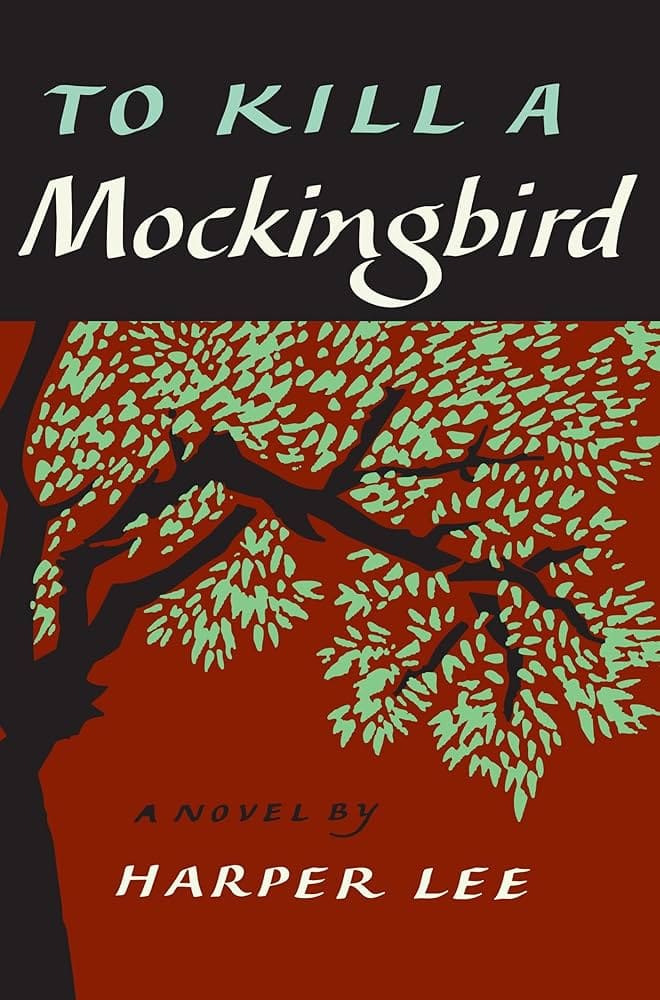
By Harper Lee
Widely regarded as the most recognizable book cover in literary history, the first-edition cover designed by Shirley Smith features a simple tree silhouette that symbolizes justice, childhood, and racial inequality. Its minimalism has allowed it to remain timeless across decades and millions of copies sold worldwide.
2. The Great Gatsby
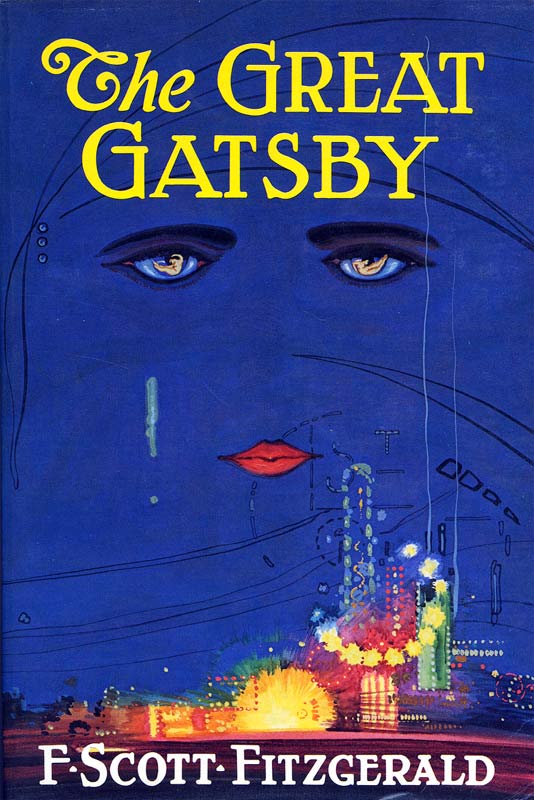 By F. Scott Fitzgerald
This cover features a painting of a face floating above New York City lights by the artist Francis Cugat and is one of the most celebrated and best book covers in literature. Gatsby’s misplaced idealism is represented by the renowned green light shown in the form of a descending tear.
3. 1984
By George Orwell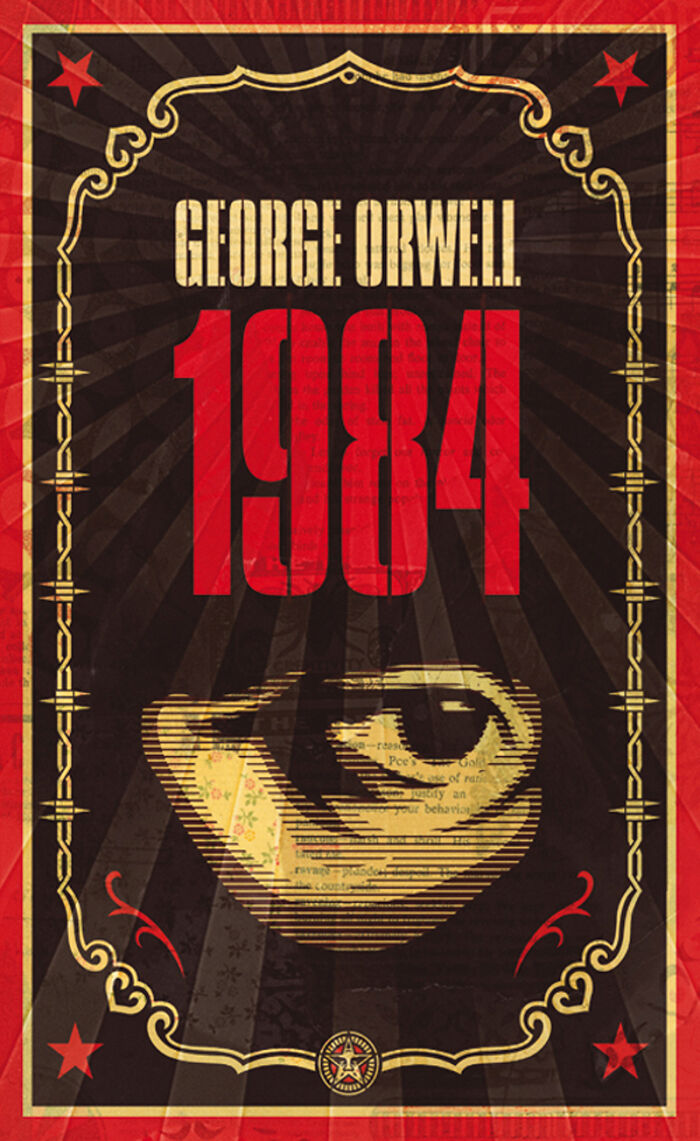
The mystical eye illustration in dark shadows and the use of black and red colors make it a bold display. The eye symbolizes the idea that “Big Brother is watching,” indicating how the government keeps an eye on citizens, watching their actions and words to avoid any political rebellion. Designed by Shepard Fairey, this book cover captures the essence of George Orwell’s dystopian classic.
4. Catch-22
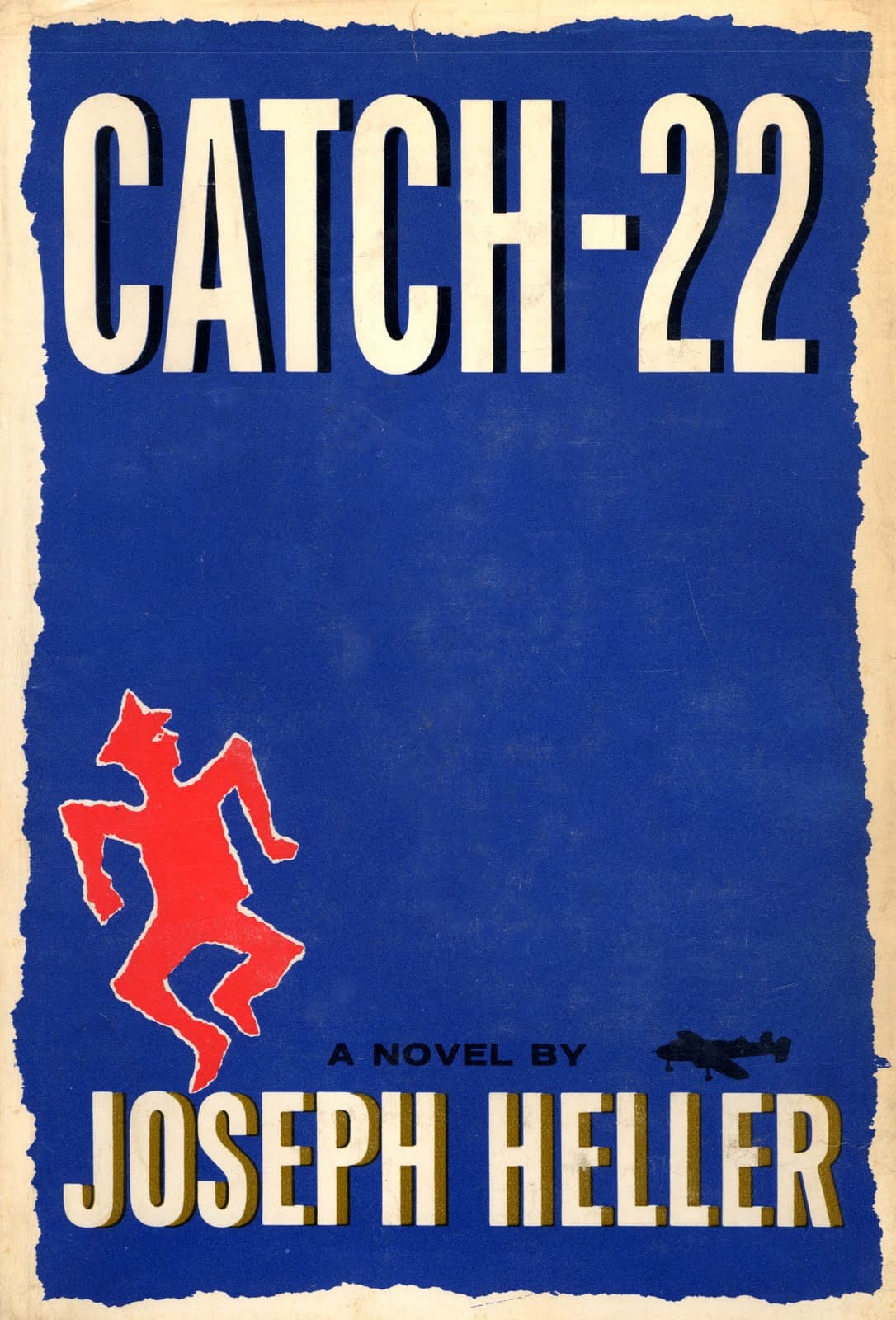
By Joseph Heller
Paul Bacon’s revolutionary design introduced the “Big Book Look,” emphasizing large typography and a simple conceptual image. This approach transformed modern publishing and continues to influence book design today.
5. A Clockwork Orange
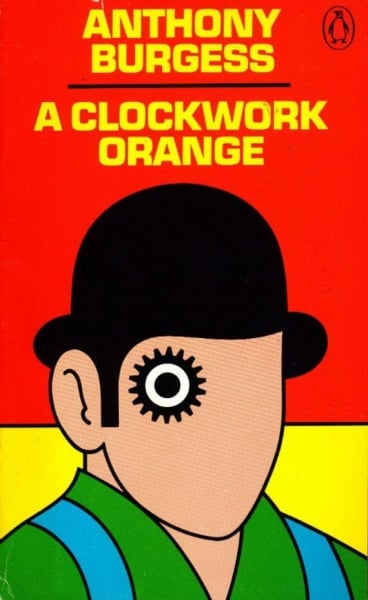 By Anthony Burgess
Published in 1962, this book cover announces the movie tie-up with the book. Penguin UK’s first edition of the novel introduced the iconic ‘cog-eyed droog’ book cover, which has since become a widely recognized and famous design. The designer did a clever thing by using a cog as an eye, which cleverly connects to both clockwork and the main character Alex. It went on to become one of the best book covers of all time.
6. The Handmaid’s Tale
By Margaret Atwood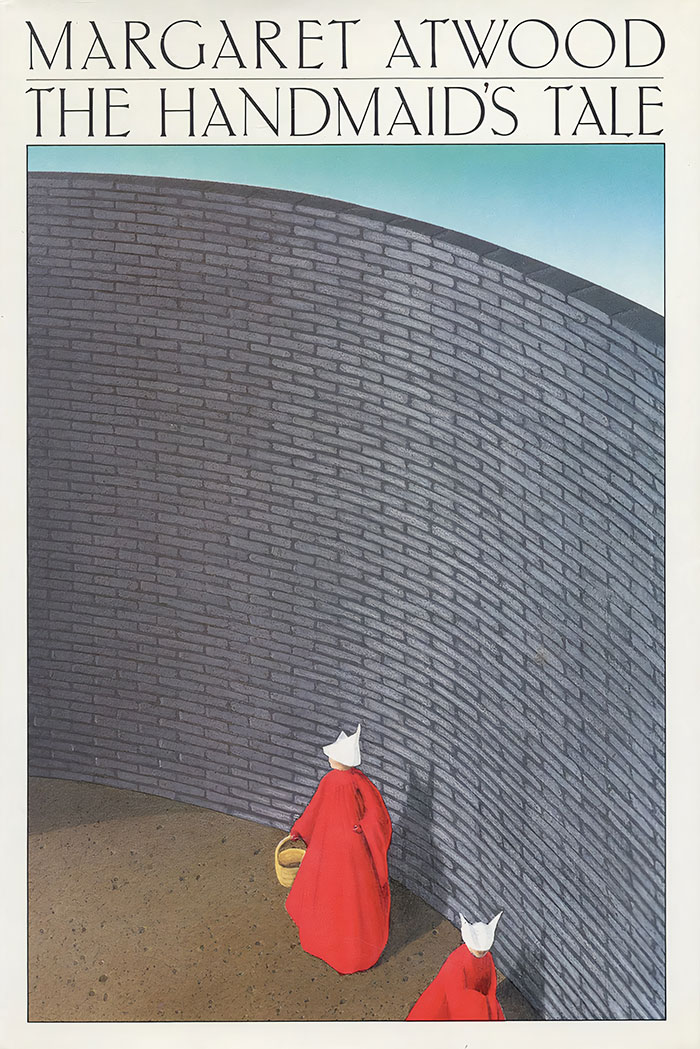
Very prominent in the story and covering half the book cover space is a very tall wall. It stands out compared to the smaller human figures below. This strongly shows that the wall is impossible to overcome, representing how the handmaids are trapped both physically and mentally. This striking cover was published in 1986.
7. Jurassic Park
By Michael Crichton 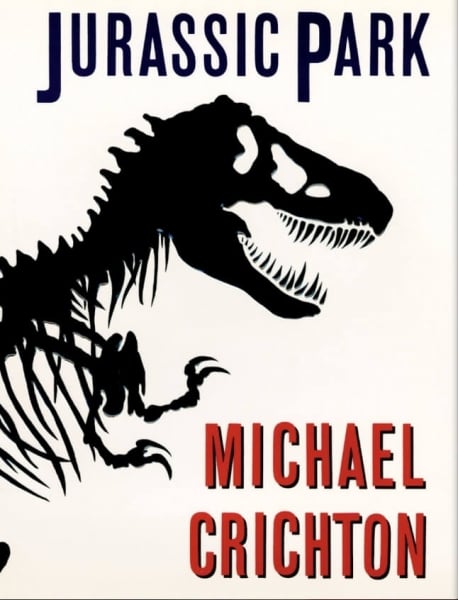
Designer Chip Kidd’s dream assignment, this iconic book cover tells its own story. Creating an atmosphere of thrill, fear, and awe, the book cover features a T-Rex Skeleton which points towards the narrative within the novel. The dark black skeleton and title of the book against the plain white background create a striking contrast. The image was so powerful it was essentially adopted wholesale as the logo for Steven Spielberg’s blockbuster film, cementing its status as one of the most iconic book cover designs in the thriller genre.
8. Pride and Prejudice (The Peacock Edition)
By Jane Austen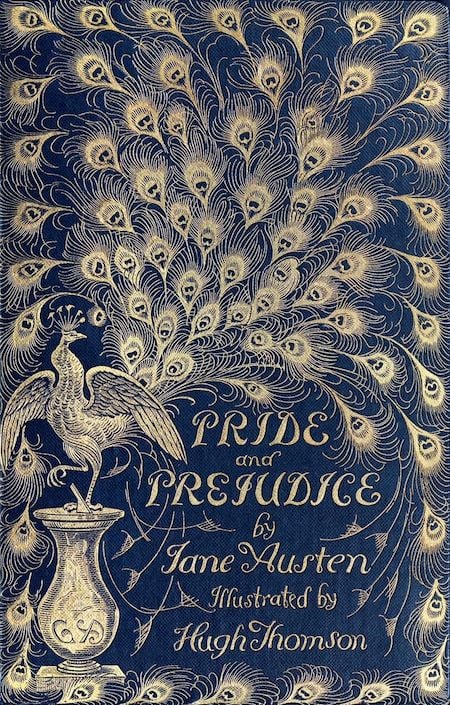
The beautiful peacock feathers all across the cover look very enchanting. Illustrated by Hugh Thomson, this cover is one of the many popular book covers designed for this book. The peacock can be seen admiring his flock of feathers proudly. This edition of the book was published in 1894.
9. Frankenstein
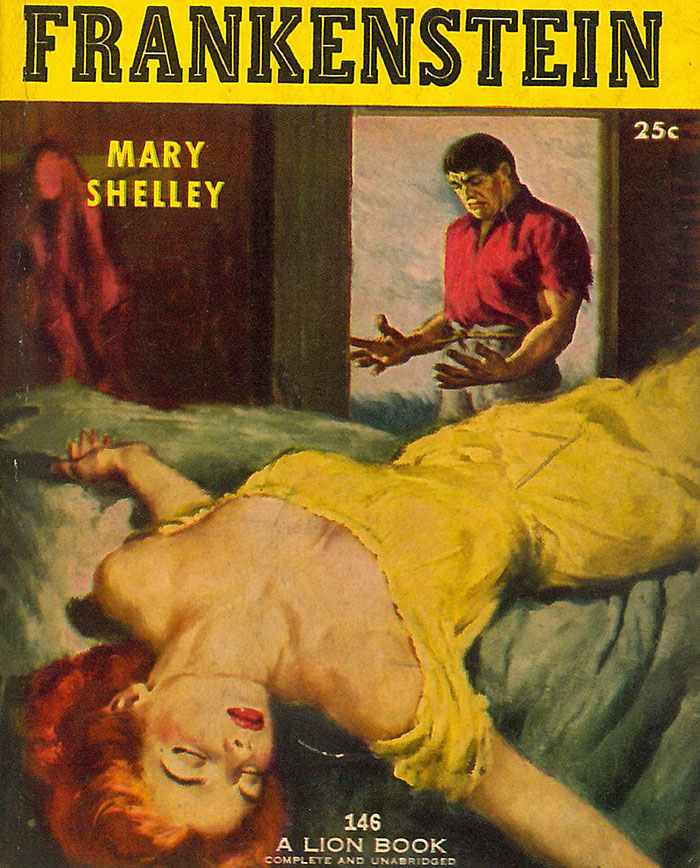 By Mary Shelley
Frankenstein has many iconic book covers. One of the best book cover designs is this cover, which shows gothic and dark aesthetics featuring the famous monster representing the eerie tone of the book. The scene shows how the monster that Frankenstein created killed his wife.
10. Harry Potter and the Sorcerer’s Stone
By J.K. Rowling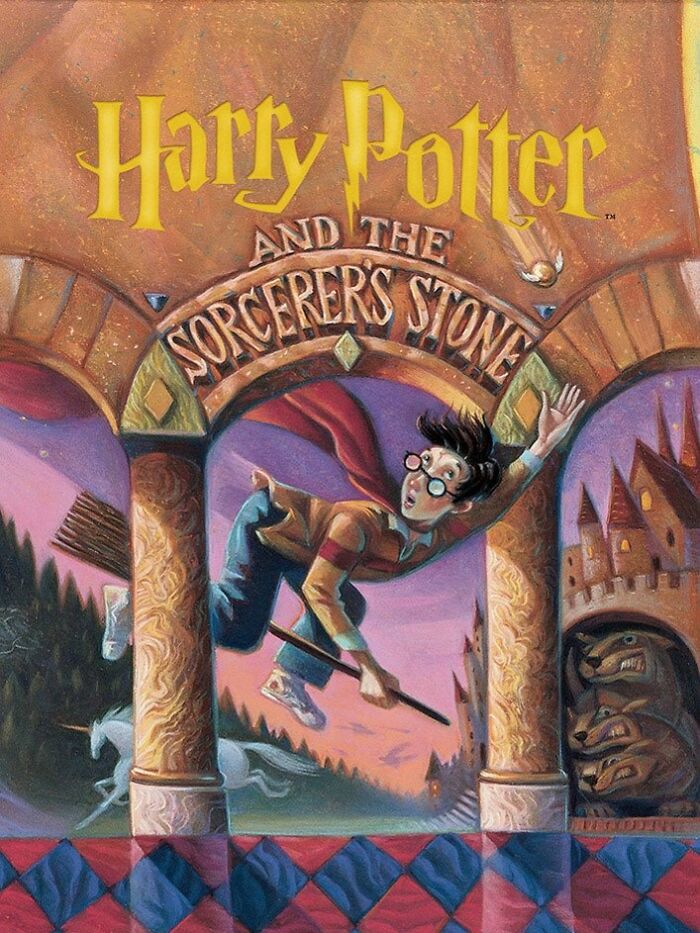
One of the most famous book covers of all time, this cover is well-known by people of all ages. The cover reveals an iconic scene from the fictional book, Harry Potter playing Quidditch. Harry floating on the broomstick with Hogwarts in the background gives all the feels of magic, fantasy, mystery, and adventure to the readers.
11. The Little Prince
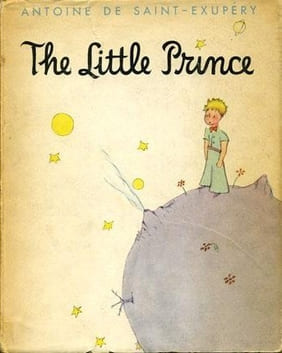
By Antoine de Saint-Exupéry
Few authors have illustrated their own masterpiece as successfully as Antoine de Saint-Exupéry. His watercolor artwork of the Little Prince standing on a tiny planet has become one of the world’s most beloved literary images. The simple, childlike illustrations reflect the book’s themes of imagination, innocence, and human connection. Today, the illustration appears on countless editions and has inspired tattoos, merchandise, and exhibitions worldwide.
12. In Cold Blood
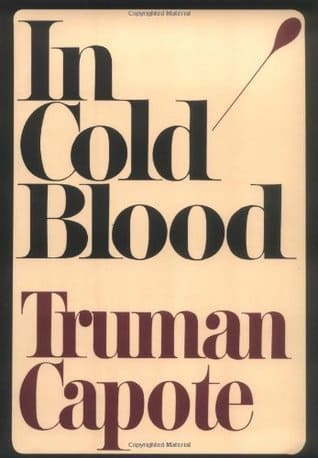
By Truman Capote
Neil Fujita created one of the most chilling crime book covers ever published. Instead of illustrating violence directly, he designed a minimalist black cover pierced by a delicate hatpin. Truman Capote personally requested a tiny purple drop beneath the pin instead of bright red, believing it better represented dried blood and the emotional tone of the story. The restrained design perfectly matched the groundbreaking true-crime narrative. Rather than sensationalizing murder, the cover evokes quiet tension and psychological unease, making it one of the finest examples of minimalist publishing design.
13. Lord of the Flies
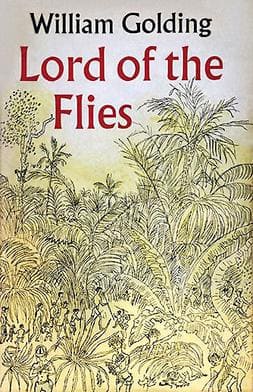
By William Golding
Few novels have inspired as many unforgettable cover reinterpretations as William Golding’s Lord of the Flies. From haunting jungle silhouettes to fractured pig skulls and unsettling tribal imagery, publishers have continually reinvented the novel’s visual identity while preserving its themes of fear, isolation, and the darkness of human nature. Each generation has produced new interpretations, yet nearly every successful edition shares a sense of primal tension and psychological horror.
14. The Catcher in the Rye
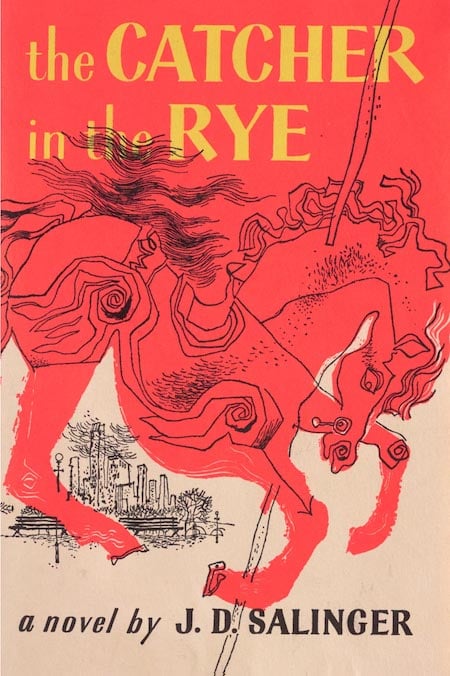 By J. D. Salinger
Illustrated by the author’s friend, E. Michael Mitchell, this iconic cover prominently showcases a horse image. It directs the reader’s focus to the significant symbolism of horses woven throughout the novel.
15. The Divine Comedy
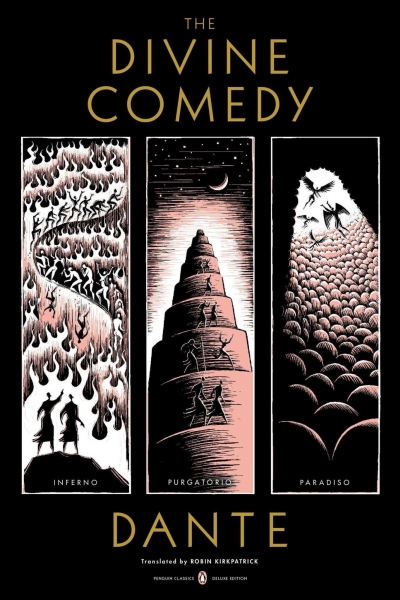 By Dante Alighieri
This appealing book cover signifies Dante’s travels through hell, purgatory, and paradise in an alluring manner. The visuals of hellfire, souls, and free birds very clearly show the three elements. The cover indicates the theme of the poetry within.
16. On the Road
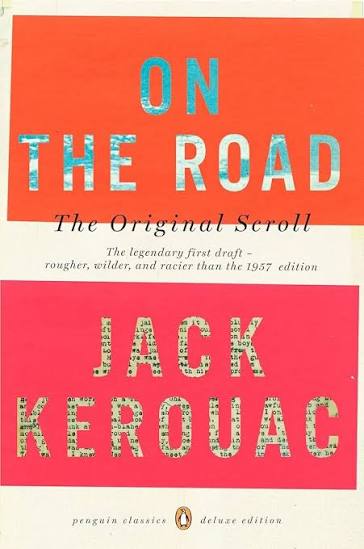
By Jack Kerouac
Before becoming a bestselling novelist, Len Deighton designed the energetic cover for Jack Kerouac’s On the Road. The typography and dynamic composition reflected the restless spirit of the Beat Generation, emphasizing movement rather than realism. Its unconventional layout mirrored the novel’s free-flowing narrative style, helping establish the visual language of Beat literature. The cover remains one of the defining designs associated with post-war American counterculture.
17. Night Shift
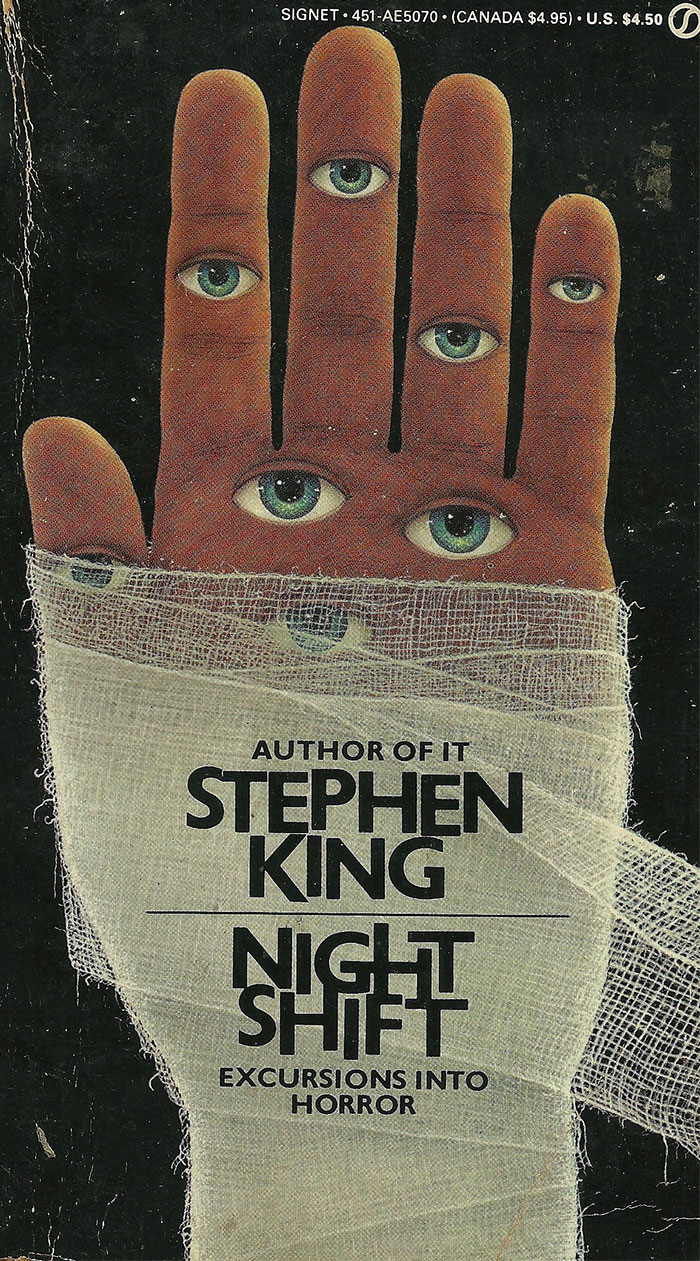 By Stephen King
The eerie cover of this book, which is a compilation of horror short stories, embraces the book’s scary and unsettling theme. The cover makes it clear to the reader that they are about to embark on a journey into the supernatural and unknown.
18. A Streetcar Named Desire (1947)
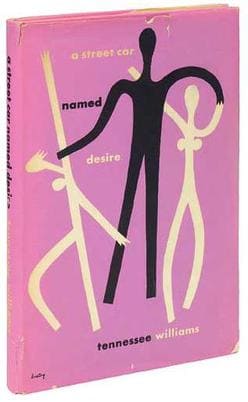
By Tennessee Williams
Alvin Lustig transformed book design into modern art with his cover for Tennessee Williams’ A Streetcar Named Desire. Created as an abstract lithograph, the design uses expressive shapes, layered textures, and dramatic color contrasts to capture the emotional intensity of the play rather than depicting its characters literally. The cover is now considered a milestone in American graphic design and is included in the permanent collection of the Cooper Hewitt Smithsonian Design Museum. Lustig’s work helped establish the idea that book covers could be artistic interpretations instead of simple illustrations.
19. Invisible Man
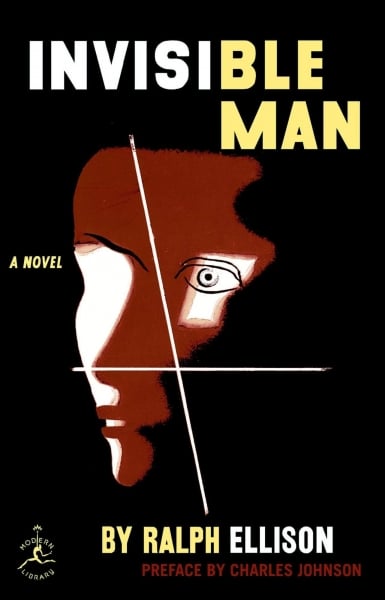 By Ralph Ellison
The first edition of the book cover was designed by Edward McKnight Kauffer in 1952. The cover incorporates a man appearing to be in shadows and darkness while looking at something in the light. The scene depicts the theme of the book in which the main character, scientist Griffin, has learned how to make himself invisible.
20. A Teaspoon of Earth and Sea
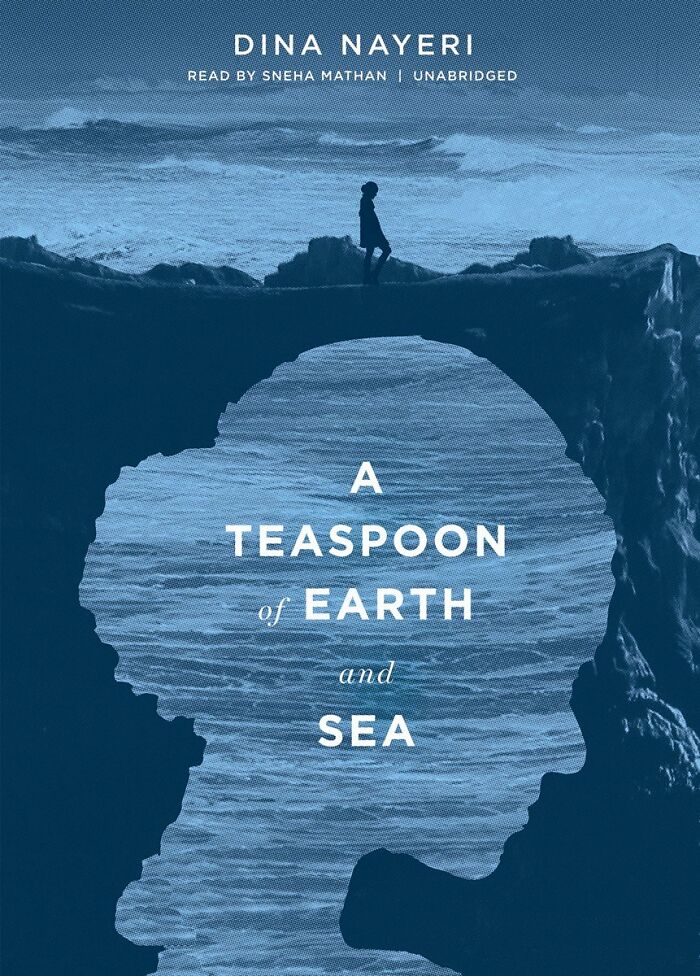 By Dina Nayeri
One of the most beautiful covers, it portrays the Earth and Sea in pictorial form as mentioned in the title. The female silhouette depicted as a cave or erosion through which the sea can be viewed is a fascinating representation of an Iranian girl who is the center of this story.
21. One Flew Over the Cuckoo’s Nest
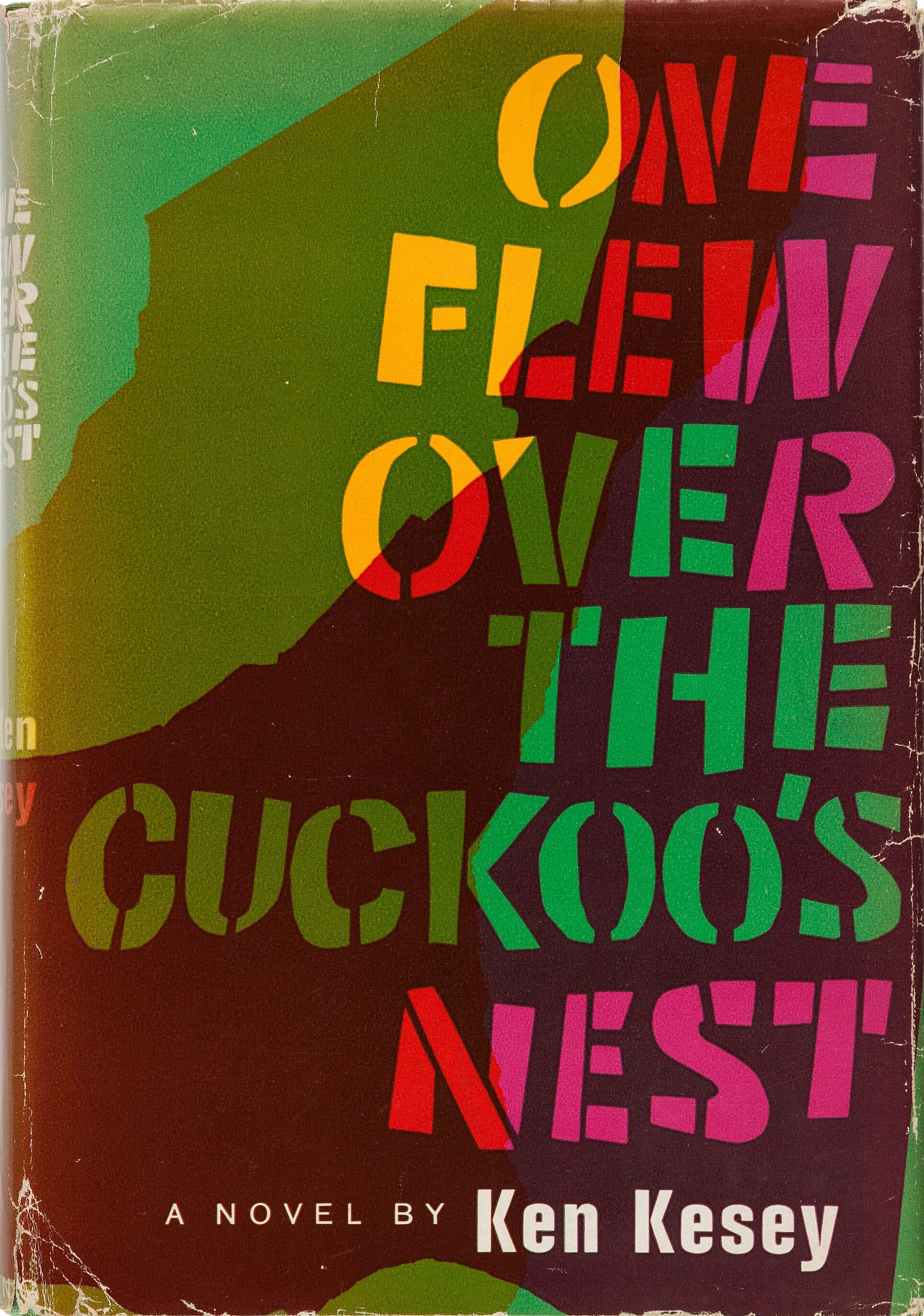
By Ken Kesey
Paul Bacon’s cover for Ken Kesey’s One Flew Over the Cuckoo’s Nest is another example of his signature minimalist approach. Bold typography, restrained illustration, and carefully balanced composition create a design that feels both unsettling and unforgettable. Like many of Bacon’s covers, it avoids over-explaining the story while establishing a powerful visual identity.
22. A Confederacy of Dunces
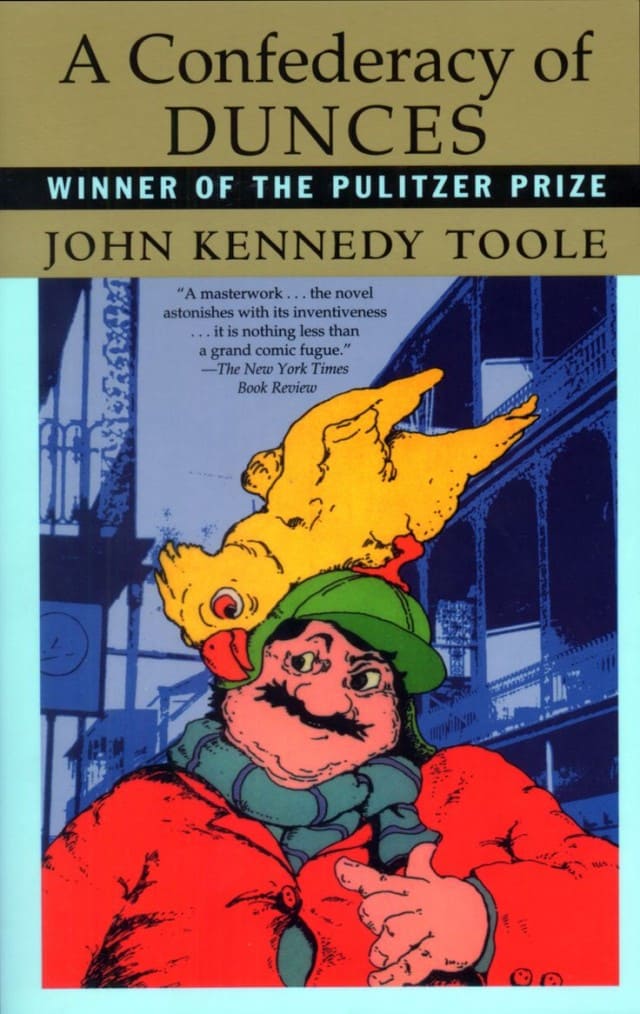
By John Kennedy Toole
The bright, expressive portrait of Ignatius J. Reilly has become inseparable from John Kennedy Toole’s Pulitzer Prize-winning novel. Charles Rue Woods captured the protagonist’s eccentric personality through exaggerated expression, vivid colors, and playful illustration. Unlike many literary covers that aim for subtlety, this design celebrates humor and character, making it one of the most memorable comic novel covers ever published.
23. The Priory of the Orange Tree
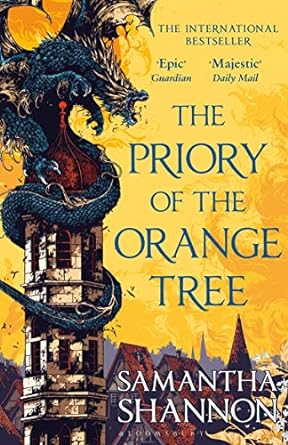 By Samantha Shannon
The alluring elements of best fantasy book covers are incorporated into this cover designed by David Mann and illustrated by Ivan Belikov. The cover shows a beautifully designed orange tree imposed by a magnificent dragon displaying the power, magic, and fantasy in the story within. On the cover is a magnificent beast, the dragon Fyredel, who is a relevant part of the plot.
24. The Hobbit
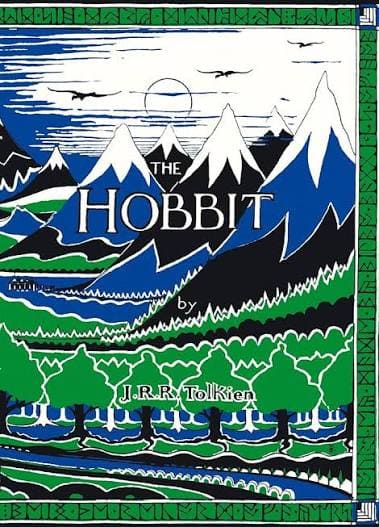
By J.R.R. Tolkien
J.R.R. Tolkien personally designed the original cover for The Hobbit, making it one of the few literary classics with artwork created by its own author. Featuring stylized mountains, forests, rivers, and the iconic dragon Smaug, the design draws heavily from Art Deco influences and Tolkien’s love of landscape. The limited color palette was partly due to printing costs, yet it produced one of publishing’s most elegant fantasy covers.
25. The Godfather
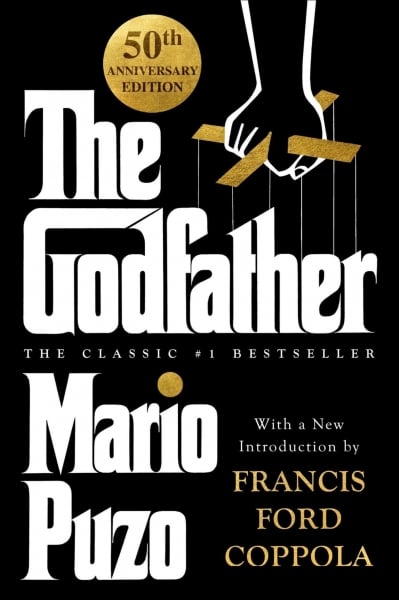 By Mario Puzo
If you know classic book covers, you surely have seen this cover designed by S. Neil Fujita. Fujita’s famous logo design, which portrays a puppeteer orchestrating events from behind the curtain, resonates with the concluding moments leading up to the last scene. The cover depicts power and control.
26. The Master and Margarita
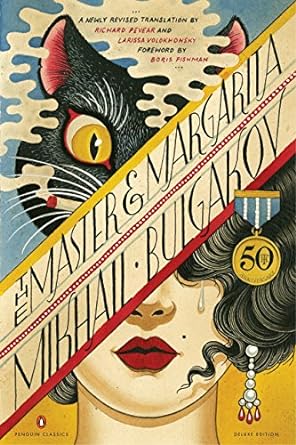 By Mikhail Bulgakov
One of the iconic book covers, this cover artistically displays the devil who, accompanied by a black cat, comes to Moscow. The depiction tastefully showcases how the boundaries between good and evil are often blurred. The illustrator of this 2016 cover was Christopher Conn Askew.
27. Normal People
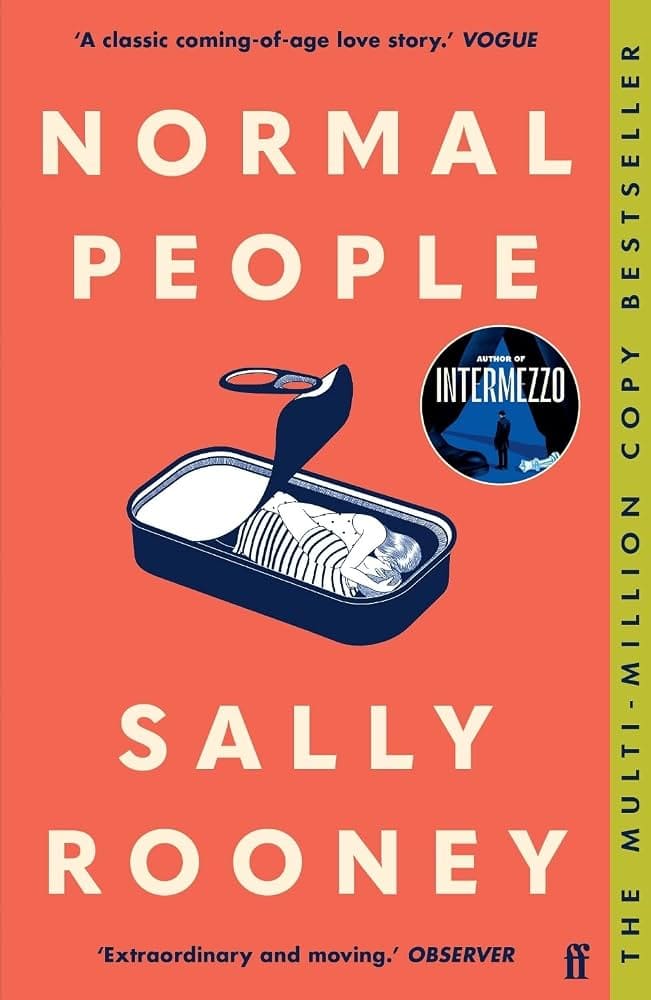
By Sally Rooney
Jon Gray’s cover for Sally Rooney’s Normal People transformed two sardines inside a tin into a visual metaphor for intimacy, confinement, and complicated relationships. The minimalist concept became instantly recognizable across bookstores and social media. Its clever symbolism and restrained color palette helped define the visual style of modern literary fiction and contributed to the novel’s worldwide popularity.
28. The Maiden
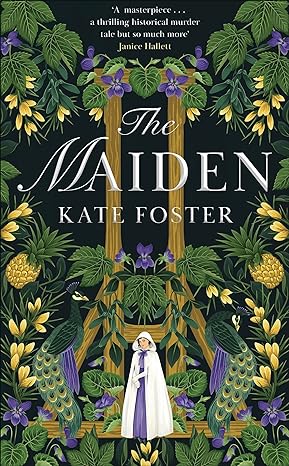 By Kate Foster
Based on a real-life case, The Maiden’s book cover has all the elements of beautiful book covers. Setting the historical thriller theme of the book, the backdrop with vines, plants, flowers, and peacocks amidst the deep blue shade suggests that the story might be more than what meets the eye.
29. James
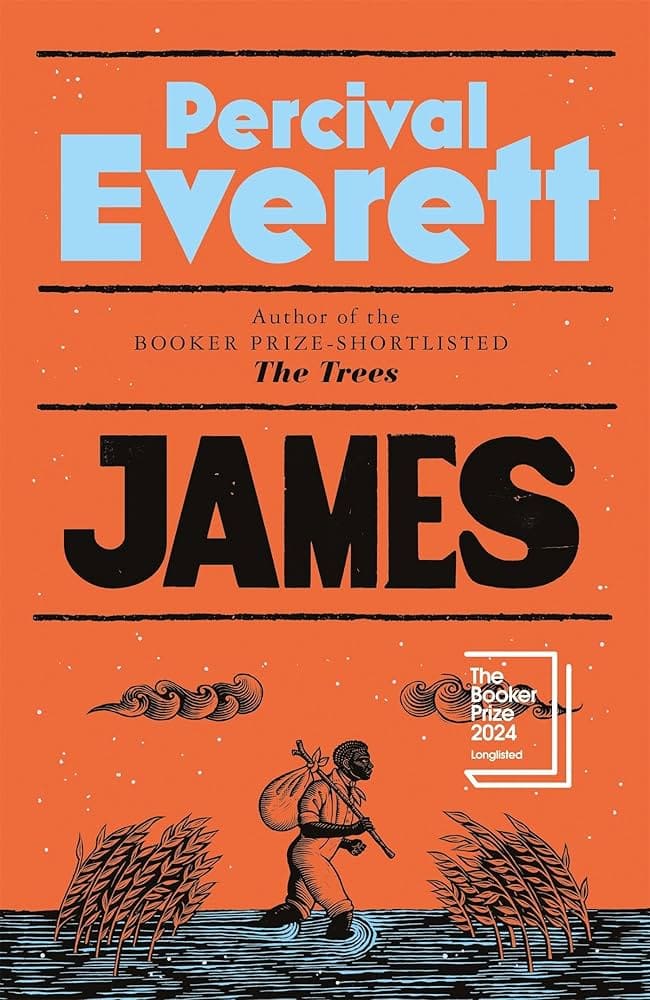
By Percival Everett
The cover of Percival Everett’s James proves that restraint can be more powerful than complexity. Its understated typography and thoughtful composition mirror the novel’s literary depth while standing out on bookstore shelves. Following the book’s critical acclaim and Pulitzer Prize recognition, the cover has been widely praised for its elegance and confidence.
30. Fourth Wing
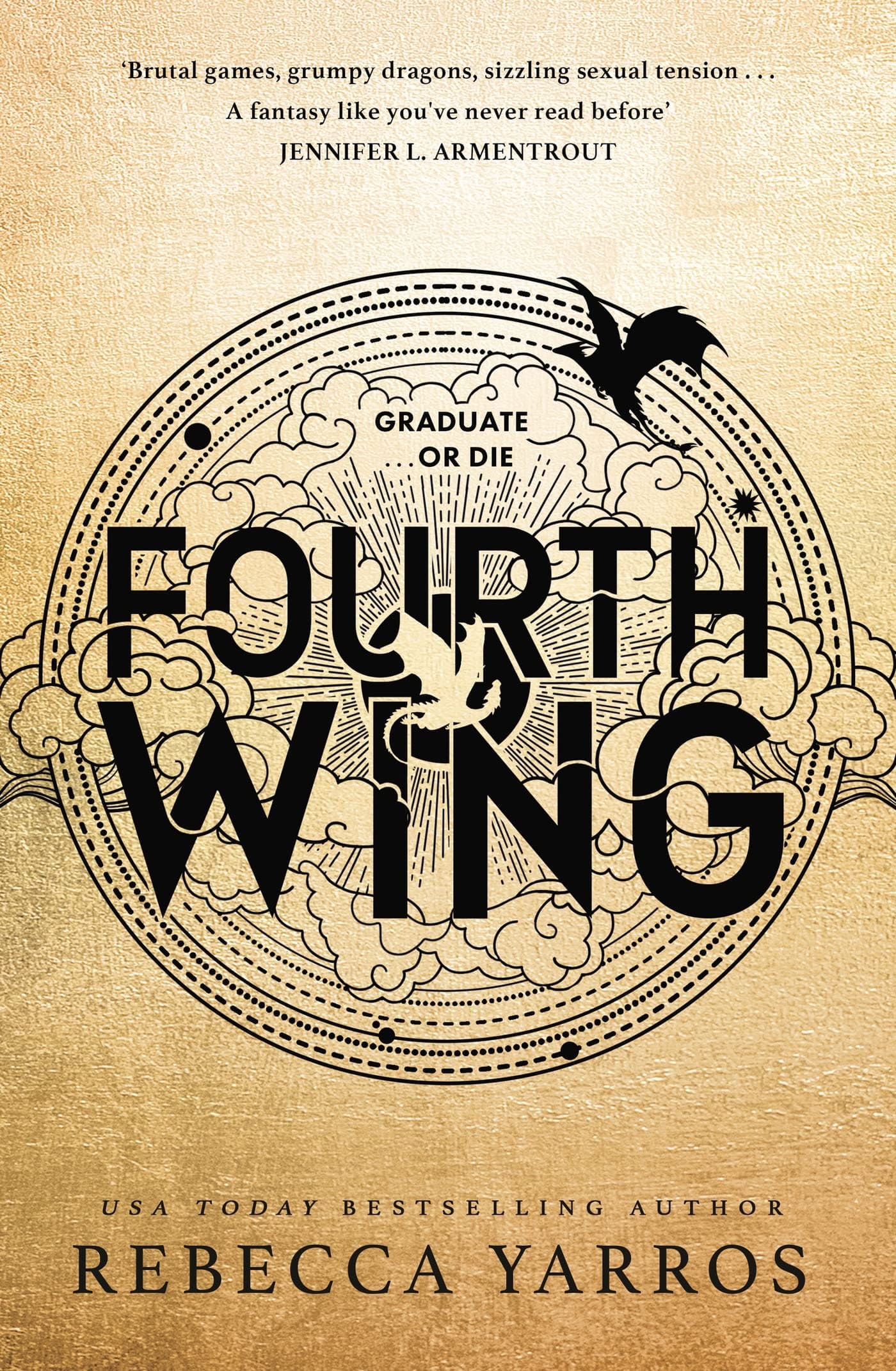
By Rebecca Yarros
The gold dragon emblem, ornate typography, and deluxe sprayed-edge editions helped turn Fourth Wing into one of the biggest publishing phenomena of the decade. The striking fantasy aesthetic quickly became a favorite among BookTok creators and collectors. Special editions, foil stamping, and premium finishes made the cover itself a marketing tool, driving demand far beyond the story.
31. The Ghost Ship
By Kate Mosse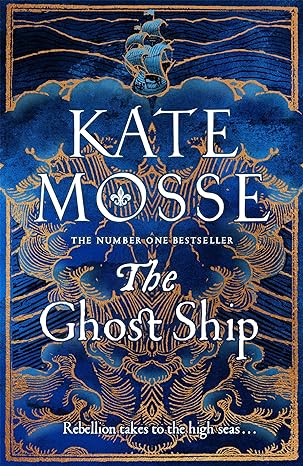
Beautiful illustrations of the ship, a dark blue colored background, and drawings of sea waves smoothly paint a picture of the aquatic setting of the story. The dark hues on the cover convey the piracy, mystery, and revenge themes in the book to the readers.
32. The Song of Achilles
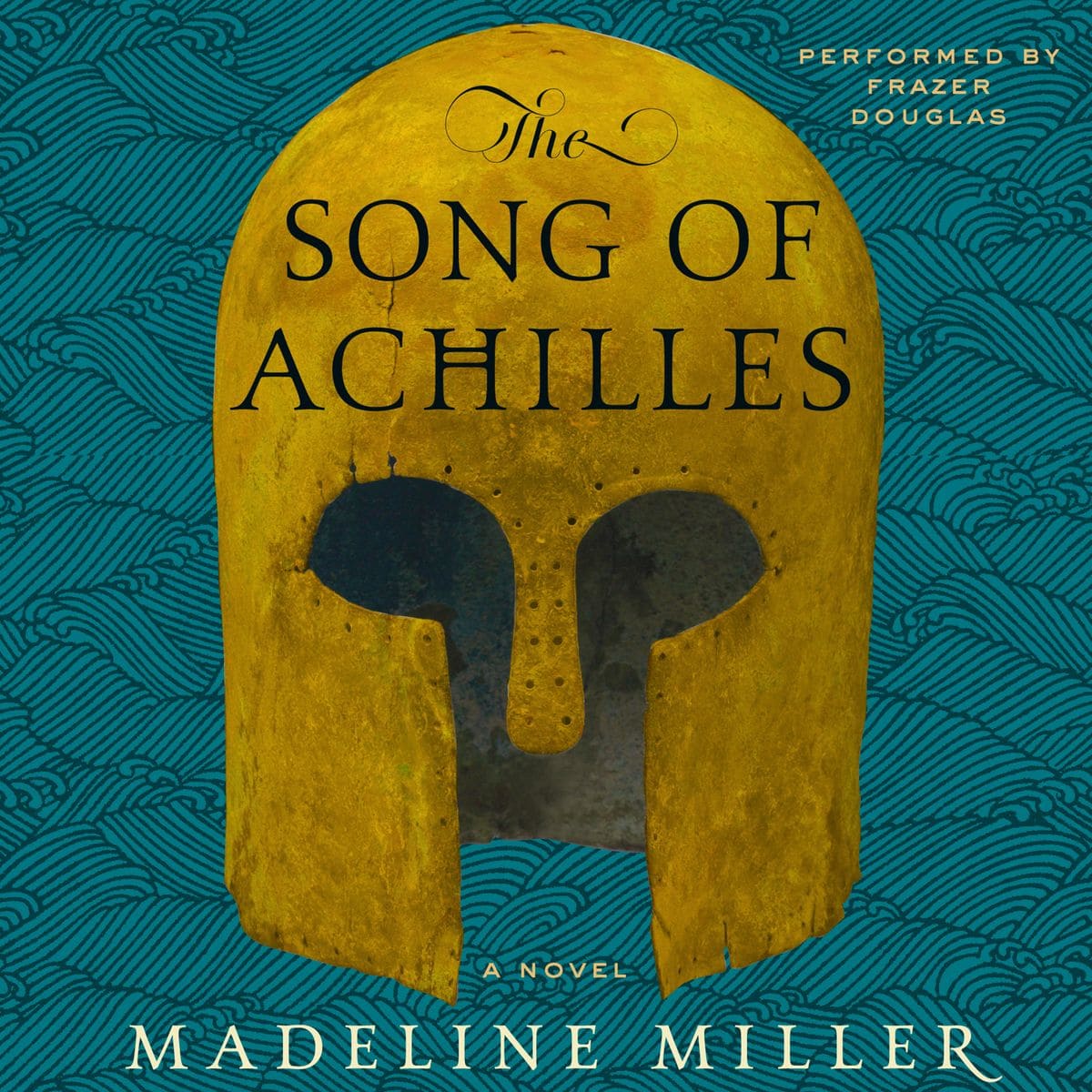
By Madeline Miller
Although published in 2011, The Song of Achilles experienced an extraordinary revival on BookTok nearly a decade later. Its elegant Greek-inspired cover, featuring classical motifs and restrained typography, became instantly recognizable to a new generation of readers. The novel demonstrates how social media can revive backlist titles and transform their covers into cultural symbols.
33. The Psychopath Test: A Journey Through the Madness Industry
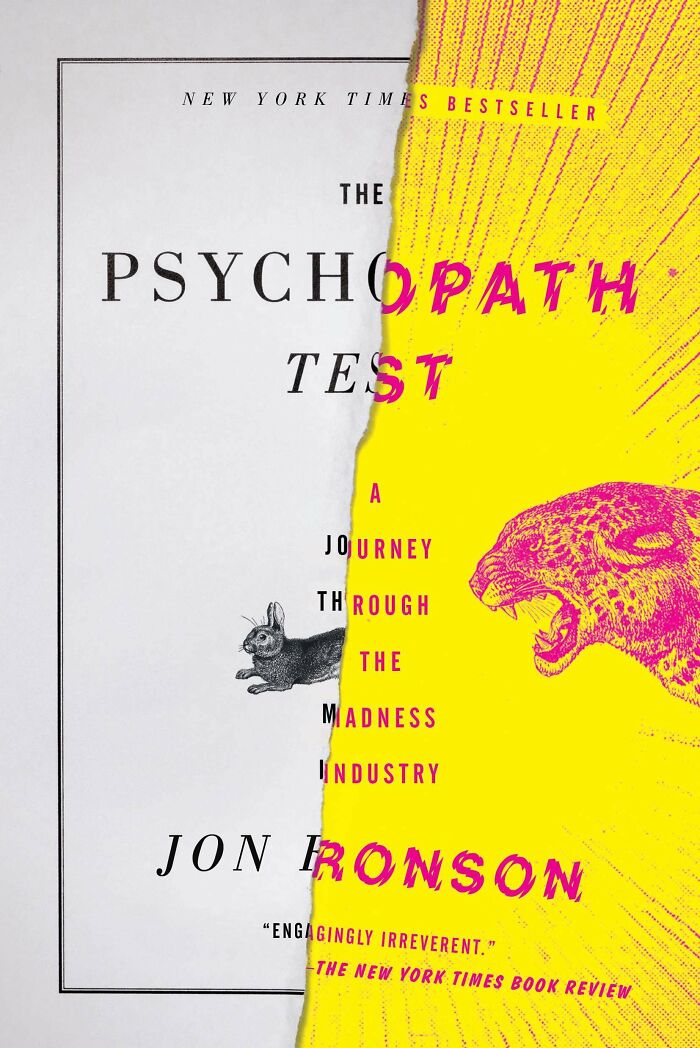 By Jon Ronson
The cover of this 2011-published book depicts the core of the book, which is based on the experiment devised to test psychopathic behavior and how the brain works immaculately.
34. Labyrinths: Selected Stories & Other Writings
By Jorge Luis Borges
The intricate and mysterious play of shadow and light on this iconic book cover is what makes the book thought-provoking. The cover design displaying the labyrinthine patterns is as enigmatic as the book itself.
35. All Fours
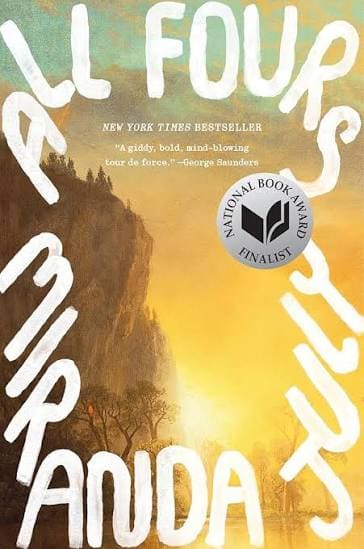
By Miranda July
Helen Yentus layered expressive hand-painted typography over Albert Bierstadt’s landscape painting, creating one of 2024’s most talked-about literary covers. The combination of classical art and modern lettering reflects the novel’s emotional complexity while standing out on crowded bookstore shelves.
36. Pineapple Street
By Jenny Jackson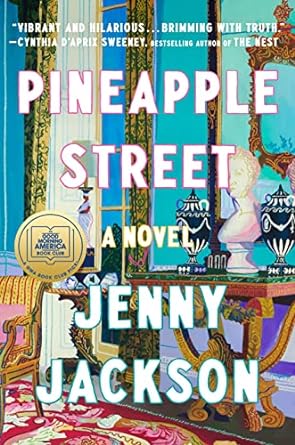
The novel revolves around a family with old money, living in New York City. The fun and captivating, colorful illustrations on the cover take the readers on a ride to the vibrantly decorated household of the family in the story.
37. I Know Why the Caged Bird Sings
By Maya Angelou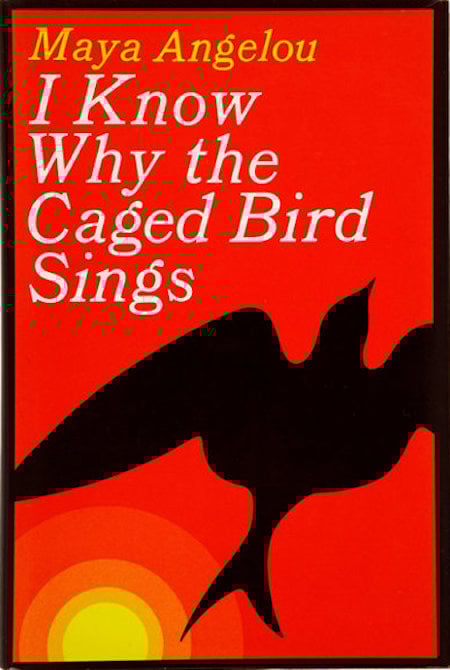
A free bird flying in the sunrise hues gives a sense of freedom, exploration, and resilience which the novel follows. The different shades of red and yellow add depth to the design. This cover design showcases a symbolic representation.
38. Ghostroots
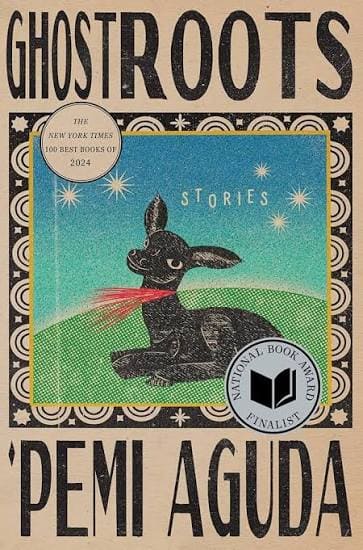
By Pemi Aguda
Featuring hand-cut lettering and a striking deer illustration, Ghostroots blends folklore, mythology, and modern editorial design. The organic typography gives the cover a handcrafted quality that perfectly complements the collection’s themes.
39. Beautyland
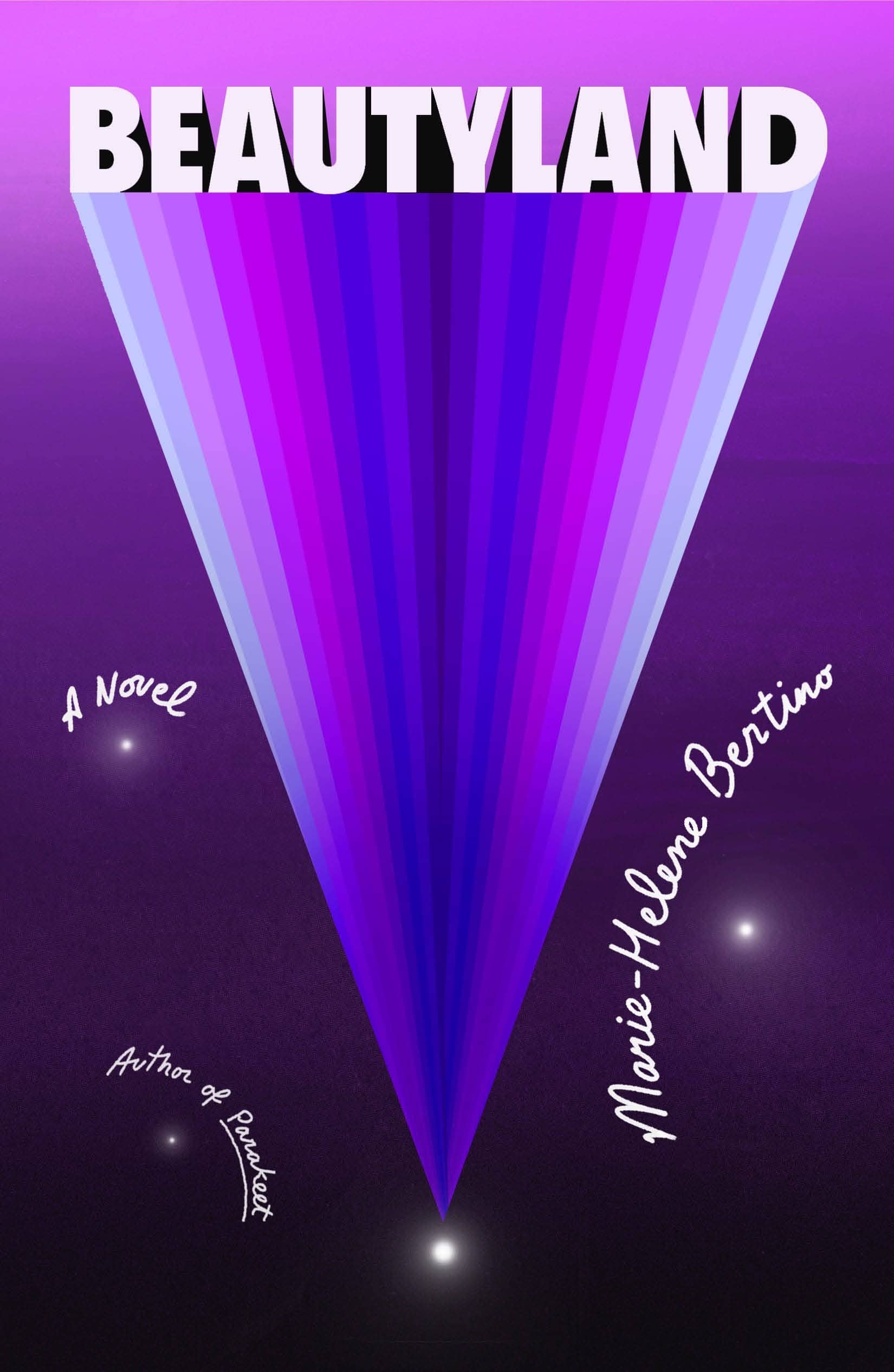
By Marie-Helene Bertino
Praised by PRINT Magazine as one of the best book covers of 2024, Beautyland uses dreamy typography, soft gradients, and imaginative visual storytelling to reflect the novel’s unique perspective. The clean composition balances whimsy with sophistication, making it memorable both online and in bookstores.
40. Get in Trouble
By Kelly Link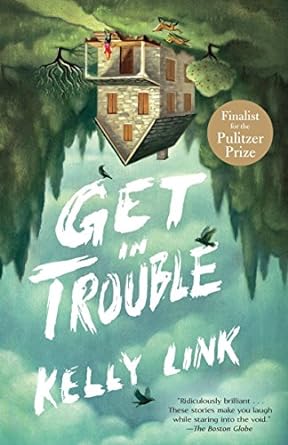
The cover art reflects the magical and extraordinary feel of Link’s short stories. It often shows a surreal image of an upside-down scene that suggests something unusual or otherworldly, pulling readers into the book’s world of unique and engaging stories.
41. Knife
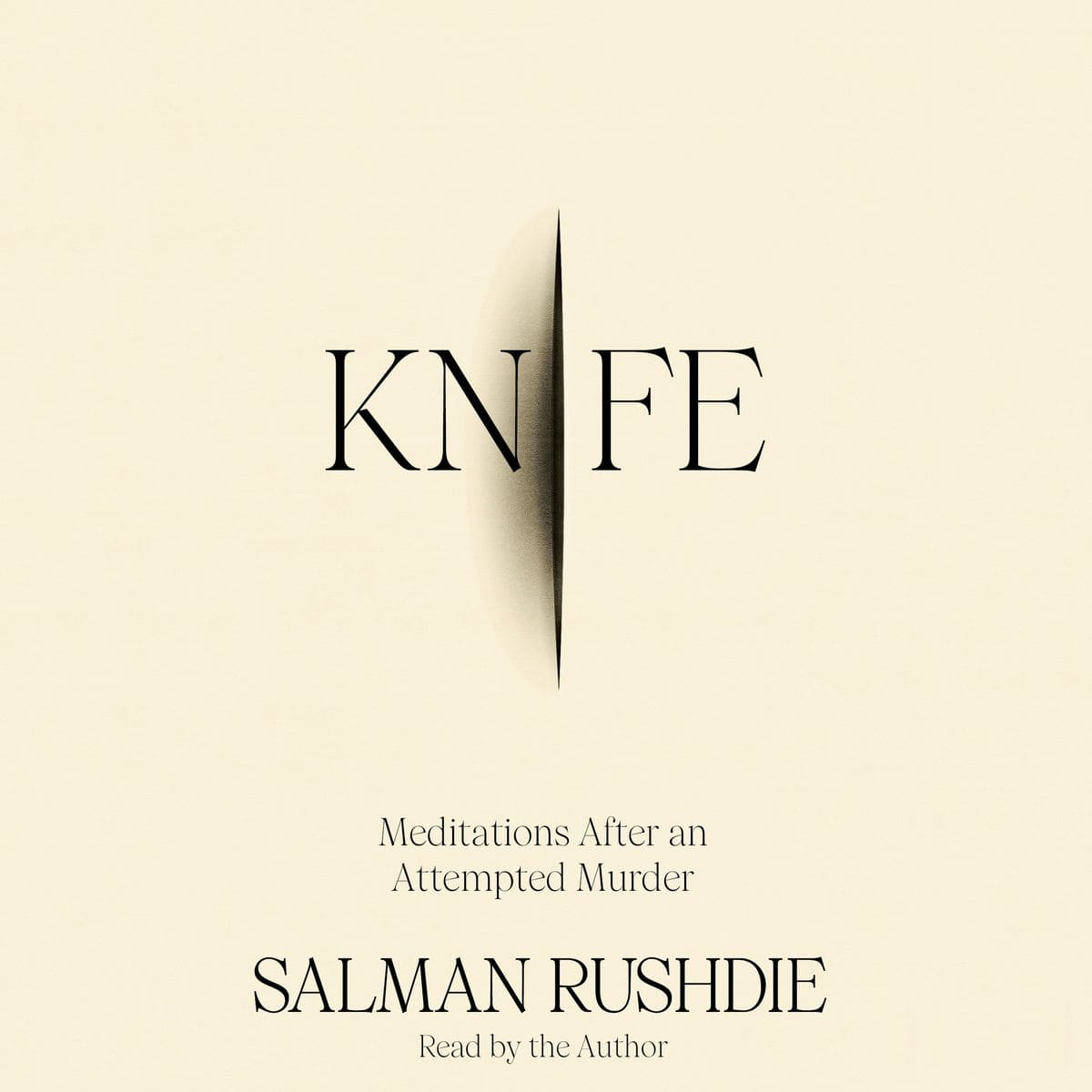
By Salman Rushdie
Created for Salman Rushdie’s memoir, Knife uses bold typography and sharp visual contrasts to reflect survival, resilience, and identity. The restrained design allows the title itself to carry emotional weight while creating an immediate visual impact.
42. The Road to the Salt Sea
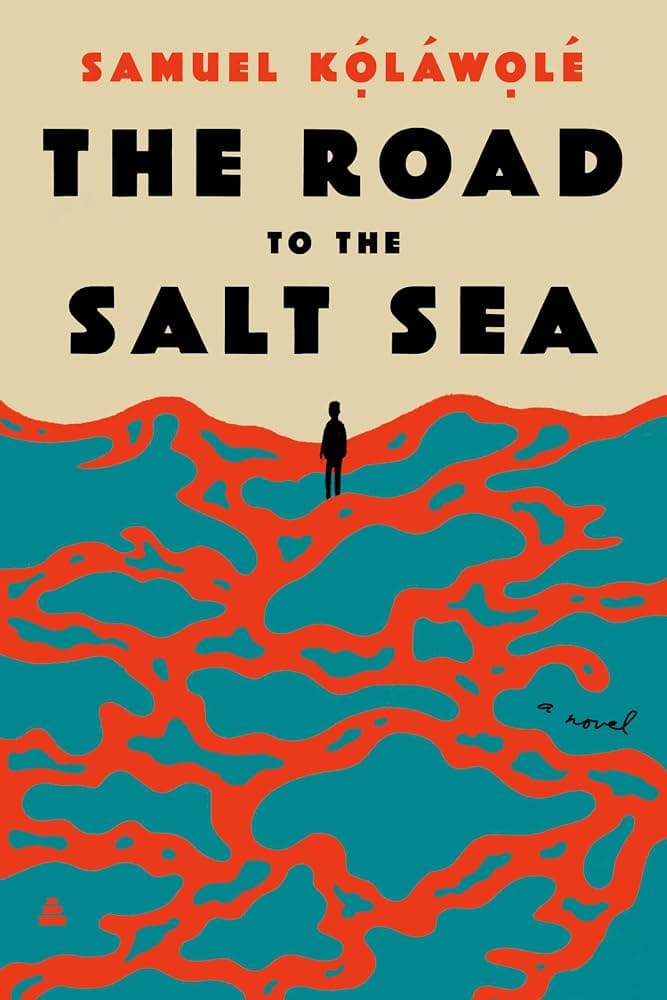
By Samuel Kolawole
With bold red-and-blue contrasts, expressive typography, and confident composition, The Road to the Salt Sea became one of the year’s standout editorial designs. It was highlighted by Creative Review as an excellent example of contemporary book cover design.
43. Cat’s Eye
By William W. Johnstone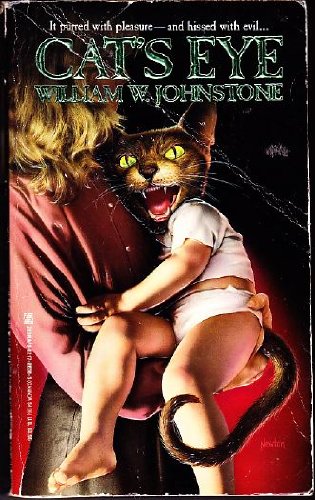
The creepy book cover by Richard Newton shows a cat’s face on a child’s body who is in the arms of a woman. The eerie cat-baby and its ferocious expression with the big green eyes send chills down our spines. It is quite evident from the cover that horror, supernatural, and thrill are the themes of this story.
44. Despair
By Vladimir Nabokov
This strange book cover serves as a visual gateway into the unsettling, dark, and mysterious themes of the book. The uncanny image of a human body with a disfigured face attracts the reader’s attention quite quickly. The cover was designed by John Holmes who was known for his captivating style.
45. Life of Pi
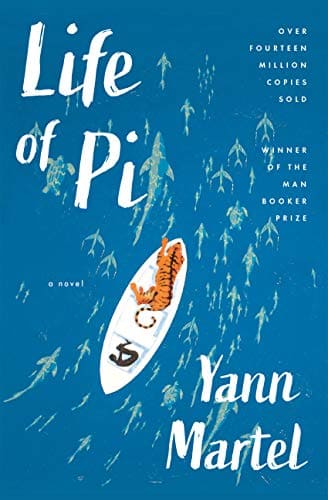
By Yann Martel
Yann Martel’s Life of Pi has been published with several memorable covers, but the most celebrated editions feature striking imagery of a tiger set against the sea or a lone lifeboat beneath an expansive sky. These designs capture the novel’s central themes of survival, faith, and the blurred line between reality and imagination. Rich blues and oranges, minimalist compositions, and symbolic illustrations evoke both the beauty and danger of Pi Patel’s extraordinary journey across the Pacific Ocean.
46. The Martian
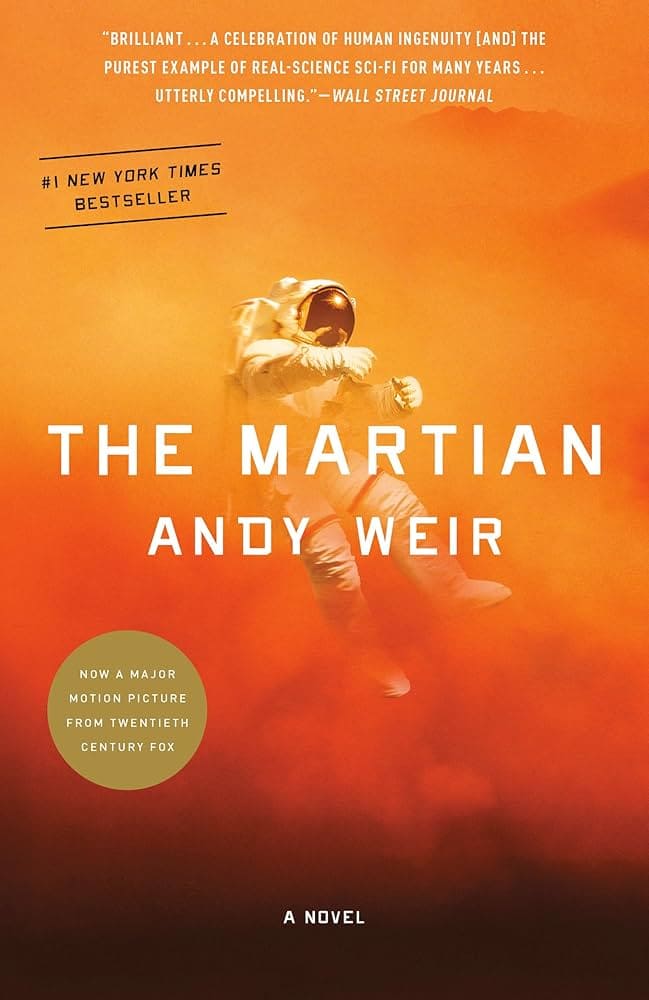
By Andy Weir
Andy Weir’s The Martian stands out with its dramatic depiction of an astronaut engulfed in swirling Martian dust. The bold orange palette, textured atmosphere, and minimalist typography immediately communicate isolation, resilience, and the harsh realities of space exploration. Rather than relying on futuristic visuals, the cover focuses on the lone human figure, reinforcing the novel’s survival-driven narrative.
47. The Design of Everyday Things
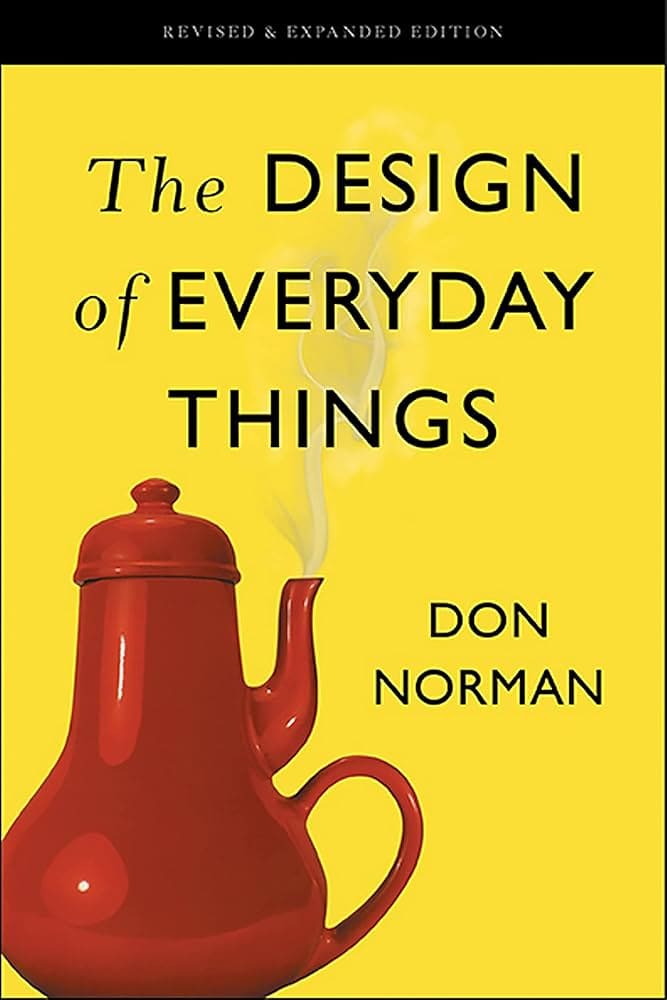
By Don Norman
Unlike many books on design, The Design of Everyday Things demonstrates great design through simplicity. The most recognizable editions feature clean typography, generous white space, and thoughtfully chosen everyday objects, reflecting the book’s central message that good design should be intuitive and functional. The understated layout embodies the principles that author Don Norman advocates throughout the book. For decades, the cover has been a staple in design schools, universities, and professional studios around the world. Its timeless aesthetic reinforces the idea that clarity and usability are often more powerful than elaborate visuals, making it one of the most influential non-fiction book covers ever published.
48. A Small Fortune
By Rosie Dastgir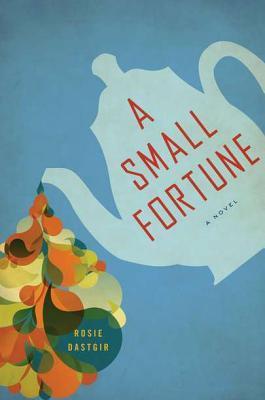
Designed by Nicole LaRoche in 2012, this book has a minimalistic book cover design. A beautiful, fresh shade of blue as the background, and a kettle pouring colorful drops of what can be deciphered as tea show the different shades of human life depicted in the story.
49. Tomorrow, and Tomorrow, and Tomorrow
By Gabrielle Zevin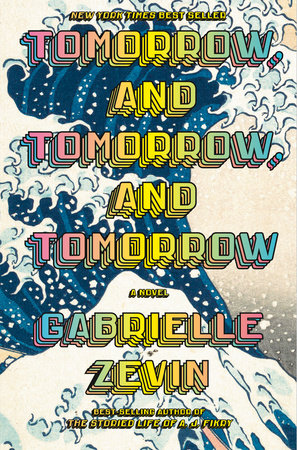
This book, written by the popular author Gabrielle Zevin, comes with a captivating book cover. The book’s title stands out on the cover in bright yellow, pink, and blue, giving a lively and optimistic feel. The vibrant background with a dynamic wave illustration perfectly represents the video game design base of the story. Also, the similarity in the font colors represents second chances.
50. Flowers in the Attic
By V.C. Andrews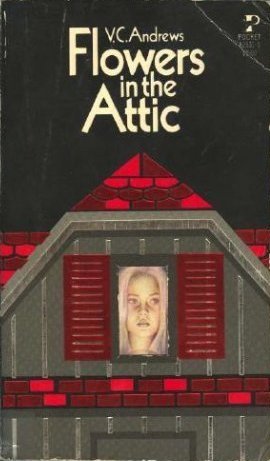
A house with a captivating girl, Cathy, peering from an attic window, a striking image makes this one of the best covers of the book world. The scared expression on her face gives us the sense of being trapped. This unsettling cover perfectly echoes the haunting and dark themes of the story and attracts readers.
We hope you are inspired by these book covers to make your own. Book cover design involves complex processes and an artistic vision, which can be tricky. But if you need help in creating an enthralling cover for your book, professional self-publishing services are always there.
Here are some more resources that you might find useful: