- A List of Writing Contests in 2022 | Exciting Prizes!
- Em Dash vs. En Dash vs. Hyphen: When to Use Which
- Book Proofreading 101: The Beginner’s Guide
- Screenplay Editing: Importance, Cost, & Self-Editing Tips
- Screenplay Proofreading: Importance, Process, & Cost
- Script Proofreading: Rates, Process, & Proofreading Tips
- Manuscript Proofreading | Definition, Process & Standard Rates
- Tips to Write Better if English Is Your Second Language
- Novel Proofreading | Definition, Significance & Standard Rates
- Top 10 Must-Try Writing Prompt Generators in 2024
- What Is Flash Fiction? Definition, Examples & Types
- 80 Enchanting Christmas Writing Prompts for Your Next Story
- Top 10 Book Review Clubs of 2025 to Share Literary Insights
- 2024’s Top 10 Self-Help Books for Better Living
- Writing Contests 2023: Cash Prizes, Free Entries, & More!
- What Is a Book Teaser and How to Write It: Tips and Examples
- Audiobook vs. EBook vs. Paperback in 2024: (Pros & Cons)
- How to Get a Literary Agent in 2024: The Complete Guide
- Alpha Readers: Where to Find Them and Alpha vs. Beta Readers
- Author Branding 101: How to Build a Powerful Author Brand
- A Guide on How to Write a Book Synopsis: Steps and Examples
- How to Write a Book Review (Meaning, Tips & Examples)
- Building an Author Website: The Ultimate Guide with Examples
- Top 10 Paraphrasing Tools for All (Free & Paid)
- Top 10 Book Editing Software in 2024 (Free & Paid)
- What Are Large Language Models and How They Work: Explained!
- Top 10 Hardcover Book Printing Services [Best of 2024]
- 2024’s Top 10 Setting Generators to Create Unique Settings
- Top 10 Screenplay & Scriptwriting Software (Free & Paid)
- 10 Best AI Text Generators of 2024: Pros, Cons, and Prices
- Top 10 Must-Try Character Name Generators in 2024
- 10 Best AI Text Summarizers in 2024 (Free & Paid)
- 11 Best Story Structures for Writers (+ Examples!)
- How to Write a Book with AI in 2024 (Free & Paid Tools)
- Writing Contests 2024: Cash Prizes & Free Entries!
- Patchwork Plagiarism: Definition, Types, & Examples
- Simple Resume Formats for Maximum Impact With Samples
- What Is a Complement in a Sentence? (Meaning, Types & Examples)
- What are Clauses? Definition, Meaning, Types, and Examples
- Persuasive Writing Guide: Techniques & Examples
- How to Paraphrase a Text (Examples + 10 Strategies!)
- A Simple Proofreading Checklist to Catch Every Mistake
- Top 10 AI Resume Checkers for Job Seekers (Free & Paid)
- 20 Best Comic Book Covers of All Time!
- How to Edit a Book: A Practical Guide with 7 Easy Steps
- How to Write an Autobiography (7 Amazing Strategies!)
- How to Publish a Comic Book: Nine Steps & Publishing Costs
- Passive and Active Voice (Meaning, Examples & Uses)
- How to Publish a Short Story & Best Publishing Platforms
- What Is Expository Writing? Types, Examples, & 10 Tips
- 10 Best Introduction Generators (Includes Free AI Tools!)
- Creative Writing: A Beginner’s Guide to Get Started
- How to Sell Books Online (Steps, Best Platforms & Tools)
- Top 10 Book Promotion Services for Authors (2025)
- 15 Different Types of Poems: Examples & Insight into Poetic Styles
- 10 Best Book Writing Apps for Writers 2025: Free & Paid!
- Top 10 AI Humanizers of 2025 [Free & Paid Tools]
- How to Write a Poem: Step-by-Step Guide to Writing Poetry
- 100+ Amazing Short Story Ideas to Craft Unforgettable Stories
- The Top 10 Literary Devices: Definitions & Examples
- Top 10 AI Translators for High-Quality Translation in 2025
- Top 10 AI Tools for Research in 2025 (Fast & Efficient!)
- 50 Best Essay Prompts for College Students in 2025
- Top 10 Book Distribution Services for Authors in 2025
- Top 10 Book Title Generators of 2025
- What Is an Adjective? Definition, Usage & Examples
- How to Track Changes in Google Docs: A 7-Step Guide
- Parts of a Book: A Practical, Easy-to-Understand Guide
- What Is an Anthology? Meaning, Types, & Anthology Examples
- 10 Best Plot Generators for Engaging Storytelling in 2025
- 30 Powerful Poems About Life to Inspire and Uplift You
- Metonymy: Definition, Examples, and How to Use It In Writing
- How to Write a CV with AI in 9 Steps (+ AI CV Builders)
- What Is an Adverb? Definition, Types, & Practical Examples
- How to Create the Perfect Book Trailer for Free
- Translation Services: Top 10 Professional Translators (2025)
- 10 Best Free Online Grammar Checkers: Features and Ratings
- 30 Popular Children’s Books Teachers Recommend in 2025
- 10 Best Photobook Makers of 2025 We Tested This Year
- Top 10 Book Printing Services for Authors in 2025
- 10 Best AI Detector Tools in 2025
- Audiobook Marketing Guide: Best Strategies, Tools & Ideas
- 10 Best AI Writing Assistants of 2025 (Features + Pricing)
- How to Write a Book Press Release that Grabs Attention
- 15 Powerful Writing Techniques for Authors in 2025
- Generative AI: Types, Impact, Advantages, Disadvantages
- Best EBook Cover Design Services of 2025 for Authors
- Writing Contests 2025: Cash Prizes, Free Entries, and More!
- National Novel Writing Month (NaNoWriMo)
- Best Horror Books of All Time (Must-Read List)
- Best Book Trailer Services
- Your Guide to the Best eBook Readers in 2026
- 10 Best Punctuation Checkers for Error-Free Text (2026)
- Master Circumlocution: Definition, Examples & Literary Uses
- Best Historical Fiction Books: 30 Must-Read Novels
- Best 101 Greatest Fictional Characters of All Time
- Top 10 Book Writing Software, Websites, and Tools in 2026
- Top 10 AI Rewriters for Perfect Text in 2026 (Free & Paid)
- Top 10 Book Publishing Companies in the World (2026)
- Best Fonts and Sizes for Books: A Complete Guide
- 25 Figures of Speech Simplified: Definitions and Examples
- 14 Punctuation Marks: A Guide on How to Use with Examples!
- Best Book Review Sites of 2026: Top 10 Picks
- Different Types of Characters in Stories That Steal the Show
- 50 Best Literary Agents in the USA for Authors in 2026
- Top 10 Book Marketing Services of 2026: Features and Costs
- Writing Contests 2026: Free Entries and Cash Prizes!
- Top 101 Bone-Chilling Horror Writing Prompts
- What Is a Poem? Poetry Definition, Elements, & Examples
- 50 Timeless and Best Book Covers of All Time
- Top 10 eBook Creator Tools in 2026: Free & Paid
- How to Write a Book Report | Steps, Examples & Free Template
- 100+ Creative Writing Prompts for Masterful Storytelling
- Children’s Book Illustration: Styles, Process, and Examples
- What is a Book Copyright Page?
- Final Checklist: Is My Article Ready for Submitting to Journals?
- 8 Pre-Publishing Steps to Self-Publish Your Book
- How to Copyright Your Book in the US, UK, & India
- Beta Readers: Why You Should Know About Them in 2024
- How to Publish a Book in 2024: Essential Tips for Beginners
- Book Cover Design Basics: Tips & Best Book Cover Ideas
- Why and How to Use an Author Pen Name: Guide for Authors
- How to Format a Book in 2025: 7 Tips for Book Formatting
- What is Manuscript Critique? Benefits, Process, & Cost
- 10 Best Ghostwriting Services for Authors in 2025
- Best Manuscript Editing Services of 2025
- Best Manuscript Critique Services (2026): Top 10 Picks
- How To Format a Book in Google Docs (Step-by-Step)
- ISBN Guide: What Is an ISBN and How to Get an ISBN
- 7 Essential Elements of a Book Cover Design
- How to Hire a Book Editor in 5 Practical Steps
- Self-Publishing Options for Writers
- How to Promote Your Book Using a Goodreads Author Page
- What Makes Typesetting a Pre-Publishing Essential for Every Author?
- 4 Online Publishing Platforms To Boost Your Readership
- Typesetting: An Introduction
- Quick Guide to Novel Editing (with a Self-Editing Checklist)
- Self-Publishing vs. Traditional Publishing: 2024 Guide
- How to Publish a Book in 2024: Essential Tips for Beginners
- How to Publish a Book on Amazon: 8 Easy Steps [2024 Update]
- What are Print-on-Demand Books? Cost and Process in 2024
- What Are the Standard Book Sizes for Publishing Your Book?
- How to Market Your Book on Amazon to Maximize Sales in 2024
- Top 10 Hardcover Book Printing Services [Best of 2024]
- How to Find an Editor for Your Book in 8 Steps (+ Costs!)
- What Is Amazon Self-Publishing? Pros, Cons & Key Insights
- Manuscript Editing in 2024: Elevating Your Writing for Success
- Know Everything About How to Make an Audiobook
- A Simple 14-Point Self-Publishing Checklist for Authors
- How to Write an Engaging Author Bio: Tips and Examples
- Book Cover Design Basics: Tips & Best Book Cover Ideas
- How to Publish a Comic Book: Nine Steps & Publishing Costs
- Why and How to Use an Author Pen Name: Guide for Authors
- How to Sell Books Online (Steps, Best Platforms & Tools)
- A Simple Guide to Select the Best Self-Publishing Websites
- 10 Best Book Cover Design Services of 2025: Price & Ratings
- How Much Does It Cost to Self-Publish a Book in 2025?
- Quick Guide to Book Editing [Complete Process & Standard Rates]
- How to Distinguish Between Genuine and Fake Literary Agents
- What is Self-Publishing? Everything You Need to Know
- How to Copyright a Book in 2025 (Costs + Free Template)
- The Best eBook Conversion Services of 2025: Top 10 Picks
- 10 Best Self-Publishing Companies of 2025: Price & Royalties
- 10 Best Photobook Makers of 2025 We Tested This Year
- Book Cover Types: Formats, Bindings & Styles
- A Beginner’s Guide on How to Self Publish a Book (2025)
- Index in a Book: Definition, Purpose, and How to Use It
- How to Publish a Novel: Easy Step-By-Step Guide
- How to Design a Book Cover: From Concept to Covers That Sell
- ISBN Guide: What Is an ISBN and How to Get an ISBN
- 7 Essential Elements of a Book Cover Design
- 8 Tips To Write Appealing Query Letters
- Self-Publishing vs. Traditional Publishing: 2024 Guide
- How to Publish a Book in 2024: Essential Tips for Beginners
- What are Print-on-Demand Books? Cost and Process in 2024
- How to Write a Query Letter (Examples + Free Template)
- Third-person Point of View: Definition, Types, Examples
- How to Write an Engaging Author Bio: Tips and Examples
- How to Publish a Comic Book: Nine Steps & Publishing Costs
- 10 Best Photobook Makers of 2025 We Tested This Year
- Book Cover Types: Formats, Bindings & Styles
- Index in a Book: Definition, Purpose, and How to Use It
- How to Publish a Novel: Easy Step-By-Step Guide
- How to start your own online publishing company?
- How to Design a Book Cover: From Concept to Covers That Sell
- ISBN Guide: What Is an ISBN and How to Get an ISBN
- Top 10 Book Publishing Companies in the World (2026)
- How to Create Depth in Characters
- Starting Your Book With a Bang: Ways to Catch Readers’ Attention
- Research for Fiction Writers: A Complete Guide
- Short stories: Do’s and don’ts
- How to Write Dialogue: 7 Rules, 5 Tips & 65 Examples
- What Are Foil and Stock Characters? Easy Examples from Harry Potter
- How To Write Better Letters In Your Novel
- On Being Tense About Tense: What Verb Tense To Write Your Novel In
- How To Create A Stellar Plot Outline
- How to Punctuate Dialogue in Fiction
- On Being Tense about Tense: Present Tense Narratives in Novels
- The Essential Guide to Worldbuilding [from Book Editors]
- What Is Point of View? Definition, Types, & Examples in Writing
- How to Create Powerful Conflict in Your Story | Useful Examples
- How to Write a Book: A Step-by-Step Guide
- How to Write a Short Story in 6 Simple Steps
- How to Write a Novel: 8 Steps to Help You Start Writing
- Joseph Campbell’s Hero’s Journey: Worksheet & Examples
- Novel Outline: A Proven Blueprint [+ Free Template!]
- Character Development: 7-Step Guide for Writers
- What Is NaNoWriMo? Top 7 Tips to Ace the Writing Marathon
- What Is the Setting of a Story? Meaning + 7 Expert Tips
- What Is a Blurb? Meaning, Examples & 10 Expert Tips
- What Is Show, Don’t Tell? (Meaning, Examples & 6 Tips)
- 10 Best Free AI Resume Builders to Create the Perfect CV
- A Complete Guide on How to Use ChatGPT to Write a Resume
- 10 Best AI Writer Tools Every Writer Should Know About
- How to Write a Book Title (15 Expert Tips + Examples)
- Mastering Professional Email Writing: Steps, Tips & Examples
- How to Write a Screenplay: Expert Tips, Steps, and Examples
- Business Proposal Guide: How to Write, Examples and Template
- Different Types of Resumes: Explained with Tips and Examples
- How to Create a Memorable Protagonist (7 Expert Tips)
- How to Write an Antagonist (Examples & 7 Expert Tips)
- Writing for the Web: 7 Expert Tips for Web Content Writing
- 10 Best AI Text Generators of 2024: Pros, Cons, and Prices
- What are the Parts of a Sentence? An Easy-to-Learn Guide
- What Is Climax Of A Story & How To Craft A Gripping Climax
- What Is a Subject of a Sentence? Meaning, Examples & Types
- Object of a Sentence: Your Comprehensive Guide
- What Is First-Person Point of View? Tips & Practical Examples
- Second-person Point of View: What Is It and Examples
- 10 Best AI Essay Outline Generators of 2024
- Third-person Point of View: Definition, Types, Examples
- The Importance of Proofreading: A Comprehensive Overview
- Patchwork Plagiarism: Definition, Types, & Examples
- Simple Resume Formats for Maximum Impact With Samples
- The Ultimate Guide to Phrases In English – Types & Examples
- Modifiers: Definition, Meaning, Types, and Examples
- What are Clauses? Definition, Meaning, Types, and Examples
- Persuasive Writing Guide: Techniques & Examples
- What Is a Simile? Meaning, Examples & How to Use Similes
- Mastering Metaphors: Definition, Types, and Examples
- How to Publish a Comic Book: Nine Steps & Publishing Costs
- Essential Grammar Rules: Master Basic & Advanced Writing Skills
- Benefits of Using an AI Writing Generator for Editing
- Hyperbole in Writing: Definition and Examples
- How to Write a Novel in Past Tense? 3 Steps & Examples
- 10 Best Spell Checkers of 2025: Features, Accuracy & Ranking
- Foil Character: Definition, History, & Examples
- How to Write a Children’s Book: An Easy Step-by-Step Guide
- How To Write a Murder Mystery Story
- What Is an Adjective? Definition, Usage & Examples
- Metonymy: Definition, Examples, and How to Use It In Writing
- Fourth-Person Point of View: A Unique Narrative Guide
- How to Write a CV with AI in 9 Steps (+ AI CV Builders)
- What Is an Adverb? Definition, Types, & Practical Examples
- How to Write A Legal Document in 6 Easy Steps
- 10 Best AI Story Generators in 2025: Write Captivating Tales
- How to Introduce a Character Effectively
- What is Rhetoric and How to Use It in Your Writing
- How to Write a Powerful Plot in 12 Steps
- How to Make Money as a Writer: Your First $1,000 Guide
- How to Write SEO Content: Tips for SEO-Optimized Content
- Types of Introductions and Examples
- What is a Cliffhanger? Definition, Examples, & Writing Tips
- How to Write Cliffhangers that Keep Readers Hooked!
- How to Write a Romance Novel: Step-by-Step Guide
- Top 10 Writing Tips from Famous Authors
- 10 Best Ghostwriting Services for Authors in 2025
- What is Ghostwriting? Meaning and Examples
- How to Become a Ghostwriter: Complete Career Guide
- How to Write a Speech that Inspires (With Examples)
- 10 Best AI Writing Assistants of 2025 (Features + Pricing)
- Generative AI: Types, Impact, Advantages, Disadvantages
- Worldbuilding Questions and Templates (Free)
- How to Avoid Plagiarism in 2025 (10 Effective Strategies!)
- How to Create Marketing Material
- What Is Worldbuilding? Steps, Tips, and Examples
- What is Syntax in Writing: Definition and Examples
- What is a Subplot? Meaning, Examples & Types
- Writing Challenges Every Writer Should Take
- What Is a Memoir? Definition, Examples, and Tips
- What Is Fiction? Definition, Types & Examples
- What Is Science Fiction? Meaning, Examples, and Types
- 50 Character Stereotypes: The Ultimate List!
- 50 Novel Writing Prompts (Categorized by Genre)
- 50 Haiku Writing Prompts For Your Inner Poet
- Direct Characterization: Definition, Examples & Comparison
- Indirect Characterization: Meaning, Examples & Writing Tips
- Direct vs Indirect Characterization: What’s the Difference
- How to Write Epic Fantasy
- 50 Non-fiction Writing Prompts For Your Inner Writer
- Master Circumlocution: Definition, Examples & Literary Uses
- How to Write a Good Villain (With Examples)
- How to Avoid AI Detection in 2026 (6 Proven Techniques!)
- How to Write a Cookbook: Step-by-Step Guide
- 5 Key Elements of a Short Story: Essential Tips for Writers
- 100 Novel and Book Ideas to Start Your Book Writing Journey
- 30+ Best ATS-Friendly ChatGPT Prompts for Resumes (2026)
- Theme of a Story | Meaning, Common Themes & Examples
- How to Write a Book Summary: Example, Tips, & Bonus Section
- Exploring Writing Styles: Meaning, Types, and Examples
- What Is a Stock Character? 150 Examples from 5 Genres
- How to Write a Book Description (Examples + Free Template)
Still have questions? Leave a comment
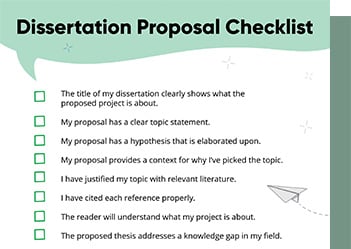
Checklist: Dissertation Proposal
Enter your email id to get the downloadable right in your inbox!
[contact-form-7 id="12425" title="Checklist: Dissertation Proposal"]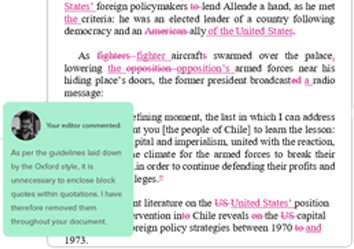
Examples: Edited Papers
Enter your email id to get the downloadable right in your inbox!
[contact-form-7 id="12426" title="Examples: Edited Papers"]Looking
to self-publish
your book?
Top 10 eBook Creator Tools in 2026: Free & Paid
 Aug 03, 2026
 10
min read
10
min read
- Tags: Book Writing, Fiction Writing, Language, Novel
If you want to become a self-published writer, you need to start by creating an eBook. It’s a much easier process than creating print books, making it the logical first step for new writers. You can do this using any eBook creator, but which is the best eBook software out there?
A recent study by the Pew Research Center found that over 33% of Americans read eBooks, and global eBook revenue is projected to surpass $18 billion by 2027. If you want to tap into this audience, your eBook has to be polished and well-formatted. But do you need a paid tool to achieve this, or is a free eBook creator just as good? The good news is that in 2026, the best free options are better than ever. Let’s find out.
Here are the ten best eBook creator software in 2026:
- Atticus
- Vellum (New)
- Reedsy Book Editor / Studio (New)
- Draft2Digital
- Scrivener
- Google Docs
- Kindle Create
- Adobe InDesign
- Apple Pages
- Canva (New)
As you may have noticed, most tools in this list of the best eBook creators are free or offer a free plan. After all, if you can afford to spend on interior formatting, it’s better to use it on hiring an expert typesetter. When self-publishing your book, try to spend either your time or your money on a process, not both!
We’ve ranked the eBook creation software in this list according to ease of access, pricing, and widespread usage. Without further ado, let’s get started!
1. Atticus
A platform built by authors for authors, Atticus helps you write and export your book. You can use it to create both eBooks and print books. Unlike Vellum and Ulysses, Atticus isn’t Mac-exclusive and works well on Windows, Linux, and even Chrome!
Unlike most formatting tools that require you to finish your manuscript elsewhere and import it, Atticus has a full built-in writing environment with goal tracking, word count stats, and a distraction-free editor. When you’re ready to format, it handles that too. The writing dashboard is equipped with a book goal section, but the software truly excels in its formatting options. Atticus offers 17 unique templates, 1,200 style combinations, and a custom theme builder. You can preview your eBook before exporting it in the format of your choice.
Collaboration features that let editors work alongside authors in the same project are a further advantage that Vellum simply doesn’t offer.
One important note: Amazon has retired MOBI as a supported upload format. Atticus exports to EPUB, DOCX, KPF (Kindle’s preferred format), and print-ready PDFs so you’re fully aligned with current KDP requirements.
Pricing: $147 (one-time lifetime license, includes all future updates)
Export formats: EPUB, PDF (print-ready), DOCX, KPF
Platforms: Windows, Mac, Linux, Chromebook
2. Vellum
If you’re on a Mac and you want eBooks that look like they came from a traditional publishing house, Vellum is the tool the industry talks about. Its typesetting engine handles widows and orphans, ligatures, kerning, and optical margin alignment in ways that Google Docs or Microsoft Word simply can’t replicate. The result is a book interior that immediately looks professional, something readers notice even if they can’t articulate why.
The workflow is straightforward: write your manuscript in whatever tool you prefer (Scrivener, Word, Google Docs), export a .docx file, import it into Vellum, pick a style from roughly 25 curated templates, and export. From there, you get platform-optimized EPUB files for Kindle, Apple Books, Kobo, Google Play, and Nook, each with store-specific features like “buy my next book” links built in. A companion print-ready PDF is generated at the same time.
A few things to know going in: Vellum is Mac-only (no Windows version exists or is planned). It’s also a formatting-only tool; there’s no writing environment inside it. And while it’s a one-time purchase with no subscription, the price is steeper than Atticus. For authors publishing a single book, Atticus is the better value. For prolific Mac-based authors publishing series after series, Vellum pays for itself quickly.
Pricing: $199.99 (eBooks only) or $249.99 (eBooks + print) one-time purchase, lifetime updates, unlimited books
Export formats: EPUB, MOBI (legacy), PDF (print-ready)
Platforms: Mac only (macOS 13+)
3. Reedsy Book Editor (Studio)
Reedsy Studio is a browser-based, cloud-hosted writing and formatting tool. You don’t need to download anything; just create a free Reedsy account and start writing in your browser. It works on Mac, Windows, Linux, and any device that runs a modern browser, including tablets.
What sets it apart from other free tools like Google Docs is that it’s built specifically for book production. It automatically typesets your manuscript to professional industry standards, generates a table of contents, manages front matter and back matter, and exports clean, validated EPUB files. You don’t need to know anything about HTML or CSS to get great results. Real-time collaboration is supported; you can invite a co-author or editor to work on the same manuscript simultaneously, with tracked changes and comments. This makes it a practical alternative to Scrivener or Atticus for authors who work closely with editors or co-writers.
The core writing and formatting features are free and always will be. Two premium plans add advanced goal tracking, sprint timers, and outlining tools, but you don’t need them to produce a publish-ready eBook.
Pricing: Free (core features); Craft plan $4.99/month; Outline plan $7.99/month
Export formats: EPUB, PDF (print-ready), DOCX, HTML
Platforms: Browser-based (all platforms: Mac, Windows, Linux, tablet)
4. Draft2Digital (D2D)
Primarily known as a book distributor, Draft2Digital also offers completely free eBook formatting software. It features a wide variety of eBook templates, header styles, and supporting designs that make typesetting easy and interesting. You can’t edit your book on the dashboard, but you can easily import a .docx file that has already been edited and proofread.
D2D’s large inventory of styles and layout options makes it one of the top eBook creator tools online. The software automatically prepares a print layout of your book so there’s one less thing to worry about. Together with its distribution power and book marketing tools, D2D is undoubtedly one of the best free eBook creators!
Pricing: Free (D2D takes a 10% commission on sales through their distribution)
Export formats: PDF, EPUB, and MOBI (note: MOBI is no longer supported for KDP uploads; use EPUB for distribution)
5. Scrivener
Much like Atticus, Scrivener helps you write your book and then export it as an eBook. Its Corkboard and Outliner tools help you streamline your writing efforts while Full-Screen Writing gets rid of any distractions. It offers basic formatting options to help you create a professional eBook.
Scrivener is especially useful for creating screenplays and nonfiction books. It automatically formats screenplays and has various templates for nonfiction. The tool even supports footnotes, which makes it perfect for academic nonfiction.
Where Scrivener beats every other tool on this list is in its manuscript organization features; the ability to move scenes and chapters around like index cards on a corkboard is genuinely powerful for complex, research-heavy books.
That said, Scrivener’s formatting output isn’t as polished as Atticus or Vellum. Many authors use Scrivener for the writing stage and then import into Atticus or Reedsy Studio for final formatting and export a workflow that works particularly well.
Pricing: $49 (lifetime license)
Export formats: PDF, EPUB, MOBI, and more
6. Google Docs
A versatile and intuitive platform, Google Docs is extremely easy to use. Its cloud-based features help you access your manuscript from any device. You can work with editors, beta readers, and even designers by sharing the file with them. They’ll be able to edit and add comments in real time, which prevents rework and saves you time. This collaborative advantage puts it ahead of Microsoft Word for most modern authors.
Google Docs lets you create an eBook in both PDF and EPUB formats, reducing the file-converting hassle. The EPUB export has improved over the years and is now cleaner and more reliable for basic text-heavy eBooks. And the best thing about this tool? It’s completely free. If you’re a first-time author who doesn’t want to spend anything to get started, Google Docs plus Reedsy Studio (for formatting and export) is a powerful, zero-cost combination that many indie authors swear by.
Pricing: Free!
Export formats: PDF and EPUB
7. Kindle Create
Developed specifically for use with Amazon KDP, Kindle Create is a free eBook software available for both Mac and PC. It works best for text-heavy books with images, but can also create cookbooks or travel guides. The software will soon introduce comic eBooks with a guided view, which will animate panel-to-panel movement to move the story forward.
Kindle Create exports KPF, which Amazon describes as its preferred format for Kindle eBook publishing, and that’s a genuine advantage for KDP-only authors. But it still doesn’t support image captions, has limited formatting customization, and is only useful if Amazon is your sole publishing destination. For authors distributing to Apple Books, Kobo, or Barnes & Noble alongside Amazon, it’s too restrictive to be a primary tool. Think of it as a useful supplemental option rather than a first choice.
Pricing: Free!
Export formats: KPF and EPUB
8. Adobe InDesign
An affordable and advanced tool, Adobe InDesign features lower in our list purely because of its steep learning curve. You’ll have to invest quite some time learning how it works, but the result is bound to be extraordinary. Luckily, the platform offers various tutorials and resources on how to create an eBook and additional content such as cover design.
From a polished poetry chapbook to a modern self-help book, Adobe InDesign has all the templates you’ll need and more. The tool further offers the ability to resize eBook designs and work with a team, helping you tweak your design at will.
It remains the industry standard in traditional publishing houses if you’re a graphic designer producing eBooks professionally for clients, or an author who needs precise control over fixed-layout eBooks (cookbooks, illustrated children’s books, photography books), nothing else quite competes at this level.
Pricing: $24.99/month (standalone) or included in Adobe Creative Cloud
Export formats: PDF and EPUB (including fixed-layout EPUB)
9. Apple Pages
The Apple equivalent of Microsoft Word, this eBook creator is perfect for new writers who use a Mac or iPad. It allows you to create a PDF or EPUB file which is compatible with iBooks as well as most other platforms. Pages also lets you publish your book on iBooks from the “Export” option.
With Pages, you can decide whether you want a reflowable or fixed layout for your book and check the relevant options and limitations. Apple recommends using a reflowable layout for text-heavy books and a fixed layout for graphic-heavy books. The app is installed on all Mac devices by default, and non-Apple users can get free web-only access via iCloud. For what it costs (nothing), it’s a perfectly serviceable starting point; just don’t expect Vellum-level output from a free built-in app.
Pricing: Free (pre-installed on Mac; free web access via iCloud)
Export formats: PDF and EPUB
10. Canva
Canva isn’t built for narrative fiction if you’re writing a novel, look at Atticus or Vellum instead. But for authors creating business books, course workbooks, lead magnets, how-to guides, or any eBook where visual design matters as much as the text, Canva is in a league of its own. It offers hundreds of professionally designed eBook templates, a drag-and-drop editor that requires no design skills whatsoever, and integrations with Unsplash, Pexels, and its own massive library of stock photos and illustrations.
In 2026, Canva’s AI features have also expanded; you can use Magic Write to draft section text, Magic Design to auto-generate layouts from your content, and AI image generation to create custom visuals. The free plan covers most needs for straightforward eBook creation. The Pro plan unlocks premium templates, brand kits, background removal, and larger export file sizes.
One limitation worth noting: Canva exports primarily to PDF, which means you won’t get a reflowable EPUB suitable for Kindle or Apple Books. It’s best suited for eBooks distributed as PDF downloads via a website, as a lead magnet, or through course platforms.
Pricing: Free (with limitations); Canva Pro at $15/month
Export formats: PDF (primarily); some templates support MP4 and interactive HTML
We hope this list of eBook creator software helps you find the right typesetting tool. If you’d like to keep learning about the self-publishing process, here are some articles: