If you’re unsure whether to use principal or principle, you’re not alone! Using the wrong word for this pair is one of the most common grammar mistakes people make. In this article, we’ll clear all your doubts about when to use principal vs. principle.
We’ll tell you the difference between principal and principle and provide some handy tricks so you can easily remember the difference between the two. If that’s not enough, our principal vs. principle examples are sure to clarify the matter! So let’s begin!
What is the difference between principal and principle?
The word principal means the most important and main person. The word principal can also be used as an adjective to depict how something is primary and the most essential.
In comparison, the word principle denotes a rule, a truth, or a belief that one accepts in their life. The past tense of the word principle, i.e. principled can be used as an adjective. Principal and principle are homophones, words with different meanings and the same pronunciation.
Principal vs. principle examples
He was the principal beneficiary of the government scheme. (adjective)
She was the principal shareholder of a large multinational company. (adjective)
I have some strict principles that I always follow. (noun)
Equal opportunity and fairness must be the guiding principles while hiring for jobs. (noun)
She is a principled person who can never be dishonest. (adjective)
He is a principled man who can never hurt anyone intentionally. (adjective)
The above principal versus principle examples show when to use principle and principle. However, you may also have another question: Is it principal or principle while describing finances? Let’s find out!
The word principal is used to describe the amount of money given or invested on which one receives interest. Following are some examples for clarity:
He paid the principal amount on which he would receive interest for ten years.
She suggested they pay the principal amount and take advantage of the bank’s scheme.
The above examples show how principal should be used while talking about finances. However, you may also want to remember whether to use principal or principle for the school’s head. So, what’s the correct spelling in this case? Scroll down to find out!
2. Principal vs. principle: School
The word principal is used to refer to the school’s head with the greatest authority. Following are some examples for reference:
The school’s principal was very strict.
The English teacher was called by the school principal.
The word principal also denotes the person with the highest power or position in organizations or institutions. For example:
Alice is the principal secretary of a large company.
Jordan is the principal product manager of a well-known software company.
Several people also have another confusion about using principal or principle. Is the correct phrase principle of it or the principal of it? Let’s find out!
The most widely accepted phrase is the principle of it. This phrase refers to the core concept behind something.
I don’t agree with the principle of it; it goes against my values.
What’s important is the principle of the matter!
While this explanation brings clarity about whether to use principle or principal, you might have faced another confusion: What is the difference between principals and principles? Let’s understand when to use principles and principals.
4. Principals vs. principles
Principals is the plural form of principal. It denotes a group of people with the highest authority.
There was a meeting of all school principals in the district.
A new regulation will be enforced that will affect all school principals.
Principles is the plural form of principle. It means the rules, standards, or simple, basic truths that one follows.
The company’s success is thanks to its core principles.
The fundamental principles of physics can help us understand the universe.
Now that we’ve understood the difference between both terms, a question arises: How to remember when to use principal versus principle? Here is an effective tip to make the correct word choice:
How to remember principle vs. principal
An easy method is to keep in mind the that principal ends with the word pal. Both principal and pal are used as nouns in sentences. Making a sentence that includes principal, and pal will help to remember the difference between principal and principle. For example:
The principal is not my pal!
A simple way to recollect the meaning of principle is to remember that both principle and rule end with le. Since the word principle also means rule, this helps to remember the meaning of the word principle.
Rules are based on principles.
We hope the examples and tips given above will help you remember the difference between principle vs. principal. As providers of expert editing services, we realize that English is a tricky language where making the right word choice can be tricky! Here are some resources you’ll find useful:
What is the difference between toward and towards and which word is grammatically correct? To answer the first question, the difference between toward and towards is, well, nothing apart from the presence or absence of an additional s! Furthermore, both words are grammatically correct and can be used to indicate moving in the direction of.
But you may have several questions like, “Which word is better: Is it toward or towards?”, “Are there any regional preferences between the two?”, “Is it better to use towards or toward when it comes to academic writing?” We will answer all these questions and many more in this quick guide!
Let’s start off by understanding what the two words actually mean.
The meaning of toward(s) is moving in the direction of something concrete like a person, place, or object. It can also be used to refer to something abstract like a goal, or a dream. Toward(s) is a preposition often used in word phrases such as leaning toward(s) to indicate a preference or a stance.
Here are a few examples of toward and towards in a sentence:
She walked toward the park to enjoy the beautiful sunset.
His attitude toward life changed, and he’s now more open tonew ideas.
The company is working towards expanding its global presence.
The cat crept slowly towards the mouse, trying not to make a sound.
Let’s take a closer look at whether to use toward or towards.
When it comes to the two words, toward is more commonly used in North America and towards in other English-speaking countries like the UK and Australia.
Despite the regional variations, the two words are often used interchangeably. There is no specific rule when it comes to the use of towards vs. toward in spoken or written English.
However, style guides such as the AP style guide and the Chicago Manual of Style encourage the use of toward over towards. So, it is a safe bet to use toward when it comes to academic writing.
The origin of the words towards and toward can be traced back to the 9th century. It is derived from a combination of the words to and weard. The addition of the extra s in toward was fairly common during the 9th century.
Whilst both these words are deemed grammatically correct, the use of toward versus towards is a highly controversial topic amongst literary giants. Some argue that the use of towards is purely arbitrary and one of the many common grammar mistakes. Whilst others think that the use of an additional s completely justified.
In fact, most words with the suffix ward (forward, backward, afterward) could be used with an additional s. So, the correct version of toward(s) depends on whom you ask. However, the general consensus is that both are grammatically correct with slight regional variations.
Stock characters have a long and prosperous history in literature and media. They originated in Greek and Roman theater and were further developed in Commedia dell’arte and traditional theater. From there, they were adapted into novels, movies, and TV, and have become an essential component of all media today.
But what are stock characters? What does the term mean? Are they the same as archetypes or stereotypes? We’ll answer all your questions with 150 stock character examples so you can understand them better. Let’s start!
Craft unforgettable stock characters with our expert editing services!
Here’s a straightforward stock character definition:
What is a stock character?
In literature and media, a stock character is one that the audience can easily recognize due to its predictable traits. Such characters are based on established archetypes and stereotypes, fulfilling specific roles within a narrative. For example, the readers of a romance novel will expect stock characters such as the rival, the quirky friend, and the parental figure.
Want help remembering this stock character definition? Think of it as this: Stock characters are called so because they form the stock of characters present in a story. Of the many types of characters, stock characters are the most easily recognizable.
Here are some notable traits of stock characters:
Predictable and stereotypical
Easily recognizable to the audience
Flat or one-dimensional, with little depth
Fulfill a narrative purpose (comic relief, mentor, antagonist, etc.)
Since they’re based on popular tropes, stock characters often reflect negative stereotypes associated with gender or racial identities. We’re all too familiar with the sassy Black friend, the tough Latina, the gay best friend, and the foreign terrorist that popped up in most ’90s media. Of course, media representation has evolved since then and we’ve seen more and more nuanced character depictions in recent years.
So where does that leave stock characters? They still make up the bulk of characters we find in media but are portrayed with nuance and sensitivity. Stock characters offer a chance for creatives to subvert audience expectations by presenting a newer take on a familiar archetype.
A great example of this is Stranger Things, which subverts pretty much every stock character there is:
The nerds (Dustin, Lucas, Mike, and Will) turn out to be brave and resourceful central characters.
The high school bully (Steve Harrington) evolves into a caring person.
The innocent girl (Nancy Wheeler) shows remarkable courage and strength of character.
The tough girl (Max Mayfield) reveals vulnerabilities that make her character more complex.
The grief-stricken parent (Joyce Byers) takes active steps to find her son.
A literary editor can help you add depth to your stock characters and escape the old cliché trap. Don’t underestimate the importance of editing while refining your characters! Let’s take a look at some examples of stock characters to better understand how to add depth to these characters.
Stock character examples
Stock characters are specific to individual genres. While intriguing works might situate a wizard in a science fiction narrative, it’s an exception to the norm. Audiences can tell the genre by the stock of characters before them and they also expect a stock of characters to be present in a specific genre.
So, we’ve grouped our stock character examples into the top 5 genres of literature and media. Some of these types of stock characters might give you a pause, such as the protagonist and the villain. These characters tend to be well-developed and complex, traits that are typically not associated with stock characters. However, they are still stock characters, only developed and deepened to a certain extent.
Let’s start!
1. Fantasy
Here’s a list of stock characters commonly found in fantasy literature and media:
1. The hero
Aragorn (The Lord of the Rings by J.R.R. Tolkien)
Lyra Belacqua (His Dark Materials by Philip Pullman)
Percy Jackson (Percy Jackson and the Olympians by Rick Riordan)
2. The wise mentor
Gandalf (The Lord of the Rings by J.R.R. Tolkien)
Iroh (Avatar: The Last Airbender)
Merlin (Arthurian legends)
3. The dark lord
Sauron (The Lord of the Rings by J.R.R. Tolkien)
Skeletor (He-Man and the Masters of the Universe)
Maleficent (Sleeping Beauty)
4. The sidekick
Samwise Gamgee (The Lord of the Rings by J.R.R. Tolkien)
Willow Rosenberg (Buffy the Vampire Slayer)
Tonto (The Lone Ranger)
5. The chosen one
Eragon (Inheritance Cycle by Christopher Paolini)
Rand al’Thor (Wheel of Time series by Robert Jordan)
Neo (The Matrix)
6. The magical creature
Red Bluster (The Sea Beast)
Aslan (The Chronicles of Narnia by C.S. Lewis)
Falkor (The NeverEnding Story)
7. The femme fatale
Morrigan (Dragon Age video game series)
Cersei Lannister and Melisandre (A Song of Ice and Fire by George R.R. Martin)
Catwoman (DC Comics)
8. The reluctant hero
Aang (Avatar: The Last Airbender)
Luke Skywalker (Star Wars)
Geralt of Rivia (The Witcher by Andrzej Sapkowski)
9. The trickster
Loki (Norse mythology)
Puck (A Midsummer Night’s Dream by William Shakespeare)
The Cheshire Cat (Alice’s Adventures in Wonderland by Lewis Carroll)
Here’s a list of stock characters commonly found in the horror genre:
1. The final survivor
Sidney Prescott (Scream)
Jess Bradford (Black Christmas)
Charlie Manx (NOS4A2 by Joe Hill)
2. The paranormal investigator
Elise Rainier (Insidious)
Ed and Lorraine Warren (The Conjuring)
Quincie Morris (Tantalize by Cynthia Leitich Smith)
3. The outsider/reclusive psychic
Danny Torrance (Doctor Sleep by Stephen King)
Nell Vance (The Haunting of Hill House by Shirley Jackson)
Cassie Hack (Hack/Slash by Tim Seeley)
4. The curious investigator
Malorie (Bird Box by Josh Malerman)
Dr. Kate Lloyd (The Thing)
Nica Pierce (Curse of Chucky)
5. The skeptic/troubled skeptic
Elliot Moore (The Happening)
Marianne Engel (The Gargoyle by Andrew Davidson)
Michael Taylor (The Exorcism of Emily Rose)
6. The mysterious child
Cole Sear (The Sixth Sense)
Charlie (Hereditary)
Eli (Let the Right One In by John Ajvide Lindqvist)
7. The scientist/unhinged scientist
Dr. Herbert West (Herbert West–Reanimator by H.P. Lovecraft)
Dr. Frankenstein (Frankenstein by Mary Shelley)
Dr. Eleanor Vance (The Haunting of Hill House by Shirley Jackson)
8. The relentless killer/monster
Michael Myers (Halloween)
Samara Morgan (The Ring)
Pennywise (It by Stephen King)
9. The unlikely hero
Katie Mott (Mexican Gothic by Silvia Moreno-Garcia)
Tallahassee (Zombieland)
Tommy Jarvis (Friday the 13th)
10. The corrupted authority figure
Principal Wilkins (Trick ‘r Treat)
Father Lankester Merrin (The Exorcist by William Peter Blatty)
Dr. Louis Creed (Pet Sematary by Stephen King)
Stock character vs. character archetype
Stock characters are specific characters typical of a genre while character archetypes represent the broader aspects of universal human behavior. The terms are often confused with each other since they refer to similar concepts and have evolved over time, bearing a long literary history. However, they differ in several ways:
Stock characters can be developed by combining timeless character archetypes and contemporary stereotypes. For instance, the hero archetype is found in cultures and mythologies across the world, making it a universal facet of human storytelling. In modern genres, however, it has been refined and made specific to various genres. The detective from the mystery genre and the final survivor from the horror genre are stock characters developed from the archetypal hero’s journey.
Now that you know what stock characters are, think about how you can use them to subvert audience expectations or fulfill them. If you need some help with fleshing out your stock characters, our story editing services are at your disposal.
If you’d like some more fiction writing tips, feel free to peruse our articles:
While writing a novel, every writer struggles with developing a coherent story out of a shapeless mass of ideas. Luckily, you’ve got us to guide you through your worries about how to write a novel that does justice to all your ideas. From establishing a plotline to fleshing out your characters, we’ve covered it all.
Writing novels demands meticulous organization and attention to detail, and this guide to novel writing will help you achieve exactly that. Here are the eight steps to writing a novel:
Distill your story idea
Establish a setting that enhances your story
Develop a foolproof plot outline
Finalize character details
Create meaningful and lasting conflict
Choose the right point of view to tell your story
Maintain a daily or weekly writing target
Take a break before you revise your draft
Hire a professional editor to elevate your writing
Time to dig into these novel writing tips! Let’s begin.
1. Distill your story idea
Your decision to write a novel obviously began with an idea. The question is, is your story idea expansive and sustainable enough to last an entire novel? We’ve all read novels that wander so far from the original premise that we lose all interest. How can you avoid that?
Don’t overcomplicate your story idea in an effort to stretch it to 70,000 words. Instead, think about whether your idea will be better off as a short story or a novella. If you’re confident in the excitement and durability of your story idea, you’ll have to refine it before you start writing your novel. All other tips for writing a novel will fall flat if your central idea isn’t well-developed!
Consider these two aspects when brainstorming your story idea:
What’s unique and interesting about the setting I’ve chosen?
Can my story keep the reader engaged through the beginning, middle, and end?
Once you’ve distilled your story idea, it’s time to articulate it masterfully.
The setting of your novel brings your story to life. Sometimes, the setting of a novel can function almost like a character, amplifying the narrative with mood and atmosphere. Think about the elements of your setting that you’d like to explore and how you can incorporate them into your plot and character development.
Build your world around these axes:
Time: The general and specific time period of your story
Place: The geographical landscape your novel explores
Environment: The social, cultural, political, and physical environment of your world
If your story is based in the real world, you can focus on the time period since the specifics of place and environment will depend on it significantly. After all, Jane Austen’s England is quite different in terms of geography and environment from Zadie Smith’s England!
If you’re building a fictional world, however, you’ll have to undertake a hefty bit of worldbuilding. One thing to avoid here is excessive detail about the elements of your setting. Instead, sprinkle intriguing information throughout the novel so they enhance important events in the story and advance the plot.
For example, the seven kingdoms in A Game of Thrones are revealed to the reader one by one, as and when the plot progresses to those locations. Other aspects such as various religious practices and customs are also mentioned gradually, never overwhelming the reader.
In recent years, novelists have moved on from prioritizing the plot to focusing on the character development in their novels. Since the plot of a novel is merely a cause-and-effect chain of events, it’s easy to see why that happened. However, there’s a reason this is an essential stage in the steps to writing a novel. If you’re writing a mystery or thriller, for instance, a tight-knit plot becomes paramount.
If you’re an architect (someone who plans their novel meticulously), you can refer to popular plot templates such as Hero’s Journey or Save the Cat. Gardeners (writers who follow where the story takes them) can still create a rough outline to maintain a basic story structure.
Every plotline follows this basic structure:
Exposition
Opening incident
Rising action
Climax
Falling action
Resolution
Whether you develop a novel outline or write as you go, make sure your overall plot structure is logically foolproof to your readers.
4. Finalize character details
However engaging the premise, a story falls flat unless readers form a genuine connection with the novel characters. Your characters must be more than just chess pieces that move around the board: Their emotions and opinions must drive the story to some extent.
Here’s how you can develop characters that readers will care about:
Give your characters some basic strengths and flaws that change over time.
Provide them with strong motivations and desires.
Put them in difficult situations or moments of emotional distress.
Let their choices and actions reflect their personality.
A good novel balances plot and character, creating a push and pull that moves the story forward. Your plot can present obstacles for your characters to overcome, helping them recognize or overcome their flaws. In turn, your characters’ choices can influence the story at key moments, leading it in a new direction.
Conflict in a novel is the bedrock of dramatic tension, urging the reader to keep turning the page. A conflict can be external (a character’s struggle with another character, society, or even nature) or internal (a character’s struggle with their own self).
Whatever the type of conflict, it features two things: stakes and consequences. You must raise the stakes for the characters and give them more to lose. This can be their kingdom, house, loved ones, or even their life. The higher the stakes, the more engaging your central conflict will be.
Your central conflict must force the characters to make important decisions that result in actual consequences for them. This drives home the seriousness of the struggle and draws in your reader. Further, the consequences of your central conflict force the character to evolve, leading to a meaningful character arc.
If you’re worried that your central conflict isn’t expansive enough, try adding subplots. These may involve your protagonist or secondary characters. For example, the central conflict in The Hunger Games is Katniss’s multi-faceted struggle against the Capitol. This is complemented by various subplots such as Haymitch’s role, inter-district relations, and rebellion across different districts.
5. Choose the right point of view to tell your story
There are three points of view from which you can narrate your story:
First person: A character narrates the story from their own perspective using “I” or “we”.
Second person: The reader is drawn into the unfolding story using “you”.
Third person: An external narrator tells the story using “they”, “she”, or “him”.
The first and third person points of view are most commonly used, while the second person point of view in a novel is limited to experimental works. Your third person narrator can follow one character closely, reveal multiple perspectives at once, or remain an impartial observer in the unfolding events.
You’ll have to choose a point of view that works best for your novel. Account for the plot details to be revealed to the reader, the characters that have access to them, and what you feel most comfortable with. After all, the point is to apply our tips for writing a novel to your own writing style.
You’re free to experiment with the point of view for greater impact but try not to overdo this. Consider your readers’ ease above all else, since constantly switching between points of view can irritate them.
Like any other art, writing is hard work that only improves with practice. Setting a target of words or pages to complete is the best way to habituate yourself to the process of writing a novel. It sounds simple at first, but soon you’ll struggle to focus or find the motivation to write every day.
The best way to combat this is to develop a writing flow. If you’re wondering how to start writing a novel and actually finish it, the answer is simple: Don’t worry about how it looks! No one’s first draft is perfect, and yours won’t be an exception. So just get all the words on the paper to the point that they’re coherent enough, and then move on to the next chapter.
Don’t stop to reflect on your plotline or character arcs, and certainly don’t get lost in trying to edit the piece. You can get to all this in your second draft, once your first draft is complete. Stick to that writing target and you should be fine!
7. Take a break and then revise your draft
Now that your first draft is done, it’s time to catch your breath. Take a break for about one or two weeks from your manuscript before you come back to revise it. This will help you develop some distance from the work, making you more effective at finding scope for improvement.
This stage is for you to compare your first draft with your original idea. Do they match? Have you outdone your vision or fallen short? Note down the sections you love, the ones you can improve, and the ones that have to be removed. Then, it’s time to kill your darlings!
Check every little detail: Are there any plot holes? Do all the important characters get satisfying character arcs? Does the resolution tie up all the loose ends? Undertake several rounds of revisions to keep the novel writing process as organized and systematic as possible.
Revise the novel as many times as it takes for you to finally decide that you now need some external feedback. On to the editor’s desk, we go!
8. Hire a professional editor to elevate your writing
Novice writers often self-edit their own manuscripts, but this robs them of the crucial literary feedback required to elevate their work. Expert editors understand your readers’ expectations and genre standards that your novel must meet. So, they’re your best bet to ensure that your novel is of the highest possible quality.
If you’re submitting your novel to literary agents or publishing houses, it’s a good idea to edit your work beforehand. Obviously, an elevated manuscript has higher chances of getting published than an unrefined piece. If you’re self-publishing your book, you’ll have to ensure that your novel goes through developmental editing, line editing, copy editing, and proofreading before it’s ready to be published.
You can work with experienced novel editing services to get superior work while saving time and money spent scanning individual editors for quality. Ultimately, what matters is to get expert feedback and revise your novel one last time before it reaches your reader.
Equipped with these novel writing tips, you’re ready to take on the challenge of a lifetime. It certainly won’t be a smooth sailing ride, but we can promise you that it’ll be much easier with this blueprint at hand. All the best!
If you’d like to keep reading about how to write a novel, here are some resources you might find helpful:
Are you confused about whether to use its vs. it’s? If yes, you are sailing in the same boat with many who face this problem. If you’ve mistakenly used these words due to their similar pronunciation, don’t worry! Today, we’ll resolve your its vs. it’s confusion once and for all.
We’ll also provide you with an effective tip to remember the difference between it’s and its. So without wasting any time, let’s dive in.
What is the difference between its and it’s?
Here’s the difference between its and it’s:
It’s is the short form used instead it is or it has.
It is not easy to climb Mount Everest.
It’s not easy to climb Mount Everest.
It has been known that Mount Everest is difficult to climb.
It’s been known that Mount Everest is difficult to climb.
Its is a possessive pronoun, used to show ownership of an object or a thing. It is used in the context of entities that don’t have a specific gender.
The restaurant has its own bar.
The cat licked its paw.
The bird flew to its nest.
What are possessive pronouns?
Possessive pronouns are words used to describe nouns mentioned in the sentence. They explain the relation to the noun mentioned in the sentence. Your, her, and his are examples of possessive pronouns.
For example: He shortlisted your name for the competition.
It’s vs. Its: When to use its and it’s?
You can use its to explain how a person or thing owns something.
The baby put its thumb in its mouth.
The bird flapped its wings.
Its eyes were coal black.
The suit was gray and its pockets were huge.
You can use it’s as an abbreviation of it is or it has. This usage is more common in informal conversations and articles.
Tomorrow, it’s a holiday. (it is)
It’s a recent update. (it is)
It’s not been an easy journey. (it has)
It’s been ages since I visited my nephew. (it has)
These its vs. it’s examples effectively explain the difference between it’s and its. However, it’s vs. its is not the only word choice people struggle with. You may accidentally write its’ instead of its or it’s. So let’s find out whether it’s right to use the word its’.
The word its’ is an incorrect spelling which cannot be used instead of it’s or its.Its’ is not recognized by any dictionaries worldwide and shouldn’t be used in informal or formal writing.
Now that you have clarity about the usage of its vs. it’s vs. its’, the question arises: How to remember the correct spelling? Don’t worry, we have a simple method that’ll help you choose the right word.
How to remember whether to use its or it’s?
When you’re confused about the correct spelling, try replacing it’s with it has or it is and analyze if the sentence sounds grammatically correct. If the sentence doesn’t sound grammatically correct after replacing it’s, its might be the correct spelling.
The jar sat on the table, ___ lid partially open.
The jar sat on the table, it is lid partially open.
The jar sat on the table, it has lid partially open.
The jar sat on the table, its lid partially open.
We hope this helped you understand the difference between its vs. it’s. As experts who provide editing and proofreading services, it’s our job to help you out with such questions!
Do you want to avoid making spelling, grammatical, and word choice errors while writing? Here are some resources that will help you achieve this goal:
A compare and contrast essay, as the name suggests, is used to analyze the similarities and differences between two or more congruent topics. Contrary to popular belief, a compare and contrast essay doesn’t simply list out the similarities and distinctions between two subjects. Rather, it analyzes these similarities or distinctions and explains their significance.
Do you have difficulty writing a compare and contrast essay? In this article, we will walk you through the basics of this essay and how to write it. To give you a gist of how these essays are written, we will also provide plenty of compare and contrast essay formats and examples.
Eliminate all errors with our expert essay editing services!
Let’s start with the basics: What is a compare and contrast essay?
What is a compare and contrast essay?
A compare and contrast essay is a type of essay in which the similarities and differences between two or more corresponding subjects are highlighted and analyzed. The main goal of this essay is to come up with an original argument based on the breakdown of two or more topics.
1. Comparing two subjects that can be better analyzed as a pair.
A compare and contrast essay can be used to highlight the similarities or differences between two subjects that cannot be explained on their own. For instance, comparing the marketing strategies of two competing fast-food chains can uncover similarities in their advertising techniques and consumer appeal. In this way, a compare and contrast essay can help you analyze two subjects that cannot be explained on their own.
2. Highlighting differences between two seemingly identical subjects.
You can use this essay to highlight the distinction between two subjects that are often confused. For instance, poisonous and venomous are two terms often used interchangeably, but they have distinct meanings and implications. Your compare and contrast essay could highlight the differences between these two kinds of organisms.
3. Highlighting similarities between two seemingly unrelated subjects.
You can also use the compare and contrast essay to point out similarities between seemingly dissimilar subjects. For instance, the 1970s and the 2020s are separated by several decades and have distinct characteristics. However, both these eras have been marked by significant sociopolitical activism.
To guide you further, we’ve included additional topics for compare and contrast essays.
While choosing an essay topic, it is important enough to pick topics that are comparable yet not too similar. The goal is to find dissimilarities to analyze the assets and drawbacks of each subject. However, the subjects should still be analogous enough to be compared.
To better understand this let’s take a look at a few good compare and contrast essay topics:
Traditional education vs. online education
Ancient Greek vs. Roman civilization
Examining the similarities between the American and French Revolution
Eastern philosophies vs. Western philosophies
Capitalism vs. socialism
Examining the differences between Romanticism and Realism in Literature
Traditional medicine vs. alternative medicine
Comprehensive analysis of dystopian societies in George Orwell’s “1984” and Aldous Huxley’s “Brave New World.”
Examining the similarities and differences between classical and operant conditioning.
Psychiatry vs. Psychology
Now that we’ve got the gist of standard compare and contrast essay topics, let’s move on to the tricky part of actually writing compare and contrast essays.
How to write a compare and contrast essay
Before you begin writing your compare and contrast essay, it is important to make sure that you are using the same metrics to compare both your subjects. For instance, you cannot make a comparison by stating that an apple is red or green while a papaya produces a large number of seeds!
You must use identical metrics for comparison. For instance:
An apple is red or green in color while a papaya is yellow or orange.
The apple is a winter fruit, whereas the papaya grows in a tropical climate.
Both apples and papayas are seed-bearing fruits.
Let’s take a look at writing a comparative essay in a bit more detail:
1. Establish similarities and differences between the two subjects
If you’re still debating how to start a compare and contrast essay, you can follow this simple step. You can create two or more columns for your subjects and note down their major characteristics. You can then compare their characteristics and note down any similarities or differences.
Here’s an example:
Now that we’ve listed the characteristics of each bird, let’s note down the similarities and differences between the two:
Both sparrows and hummingbirds feed on nectar.
The sparrow is much larger in size as compared to the hummingbird. The average sparrow measures 15–18cm. whereas the average hummingbird only measures 7–13cm.
The sparrows are much more adaptable and can be found in grasslands, woodlands as well as urban areas. However, the hummingbird is confined to the Americas, generally residing in subtropical regions.
If you are more of a visual learner, you can also make use of a Venn diagram. You can simply draw two circles with an overlapping portion. Note down the characteristics unique to each subject in the portion that does not overlap, and note down the similarities in the overlapping portion. Here’s an example:
2. Create a meaningful argument and thesis statement
A thesis statement explains the reason why two subjects need to be compared. It establishes the significance of their comparison. Although developing a meaningful thesis statement can be tricky, you can figure it out by asking yourself “So what?”.
For instance, if you’re comparing the lifestyle of the royal families in the Eastern and Western civilizations, you must have a reason to choose those particular subjects. One reason could be to study the impact of these civilizations on modern-day society. Here’s an example thesis statement based on this premise:
The contrasting lifestyles of royal families in Eastern and Western civilizations, rooted in cultural traditions and historical developments, have shaped their roles as figureheads and influencers, impacting modern-day society through ceremonial symbolism, media presence, cultural preservation, and fashion trends.
If you’re still contemplating how to start a compare and contrast essay, you can create a flow for all your ideas with the help of an essay structure. This structure or outline divides your essay into three basic sections:
Introduction
Body paragraphs
Conclusion
Most school and college essays consist of an introduction, three body paragraphs, and a conclusion. However, this is not a hard and fast rule. You can certainly extend the number of body paragraphs of your essay depending on the topic and complexity of your essay. However, the number of paragraphs in the introduction and conclusion remains the same.
An essay introduction consists of an opening line, relevant background information, and the thesis statement. The body paragraphs are arranged according to different topic sentences. Relevant explanations, facts, and statistics are provided to substantiate the claims made in these topic sentences. The conclusion, like the introduction, also consists of three facets. It includes an updated version of your thesis statement, a summary of the main points of your essay, and a conclusion.
The outline for your compare and contrast essay serves as a base you can build upon. You can use it as a guide while writing your essay. We will take a closer look at compare and contrast essay outlines in the next section of the article.
4. Begin writing your first draft
After constructing a well-structured outline, you can start building your essay with the help of the key points that you’ve jotted down. The comparisons that you’ve noted down earlier can provide the talking points in your essay. Each paragraph consists of three main aspects:
Topic sentence: The aspect paragraph revolves around
Explanation: For compare and contrast essays this may include the characteristics of both your subjects and how they relate to each other
Transition statement: A connecting link to the subject of the next topic sentence
Since you’ve already created a rough outline, your job becomes much easier. You can elaborate on the main talking points of your essay by data collated from various reputed sources. This can include facts, statistics, experiments/studies conducted, or even expert opinions. To make your argument stronger, you can also include tables, figures, or diagrams.
Here’s an example of how you can build on your basic outline:
Topic sentence: A comparison of the Aztecs and Mayans reveals distinct differences in their social structures shedding light on the unique characteristics of these two Mesoamerican civilizations.
Explanation: The Aztecs and Mayans, two prominent Mesoamerican civilizations, displayed striking disparities in their social structures, religious beliefs, and artistic expressions. The Aztecs established a centralized empire with a powerful government headed by an emperor, wielding supreme authority. This hierarchical society comprised nobles, commoners, and slaves, offering limited social mobility. In contrast, the Mayans organized themselves into independent city-states, each with its own ruler and governing system. Their social structure encompassed rulers, nobles, priests, merchants, farmers, and artisans, allowing for some degree of social mobility.
Translation statement: Along with the social structure, the Mayans and Aztecs also had very different everyday routines.
After completing the first draft of your essay, take a break for a day or two before getting back to it. This not only helps you look at your work from an objective point of view but also makes room for new ideas.
In case you notice an abundance of errors while revising your essay, don’t fret, it’s a part of the process. You may need two or three revisions, but make sure to tweak and revise your essay until it is up to the mark. If required, you can also get help from friends, seniors, or even family members.
Once you’re satisfied with the structure and content of your essay, you can start with the editing process. The editing process involves everything from making major structural adjustments for the sake of clarity to correcting mechanical and typesetting errors for the sake of readability.
If the deadline is drawing closer and there’s not enough time, you can also consider working with an essay editing service. These services help you avoid the convoluted and time-consuming process of editing your essay.
Compare and contrast essay outline
Although the introduction and conclusion paragraphs of a compare and contrast essay format remain the same, there are three main methods by which body paragraphs can be arranged. They are:
Block method: Discussing one subject in its entirety before moving on to the other
Alternating method: Discussing the stance of both the subjects on one metric, before moving on to the other.
Similarities and differences: Discussing all the similarities between the two subjects before moving on to the differences.
Depending on the purpose and topic of your essay, you can make use of any of the three formats. Let’s take a closer look at the outlines of each of these compare and contrast essay formats:
Block outline
In the block outline, the analysis of the characteristics of one subject is completed before moving on to the next. Although this method discusses a subject in its entirety and creates a flow, it’s often difficult to draw parallels between the two subjects.
Let’s understand this outline with the help of an example. The following comparative essay block outline example analyzes the positive effects of the color green and the drawbacks of the color red on the human mind.
The Impact of Colors on Your State of Mind
I. Introduction
A. Engaging opening statement about the impact of colors on human perception
B. The significance of colors and their effects on emotions
C. Main argument stating that green is more soothing to the eye than red and should be implemented more often
II. Body
A. Discussion of Green
1. Characteristics of green and its association with nature and tranquility
2. Examples, statistics, or research findings that demonstrate the soothing effects of green on the human eye
3. Positive impact of green on mental well-being and stress reduction
B. Discussion of Red
1. Characteristics of red and its association with intensity and stimulation
2. Examples, statistics, or research findings that show the potentially overwhelming or agitating effects of red on the human eye
3. Negative impact of red on mental state and a potential increase in stress levels as a result
C. Comparison of Green and Red
1. Visual contrast between the calming effect of green and the stimulating effect of red
2. Emotional responses elicited by green and red, that emphasize the soothing nature of green and the potentially disruptive nature of red
3. Surveys or studies that indicate a higher preference for green in various settings
III. Conclusion
A. Updated main argument: Green is more soothing to the eye than red and should be implemented more often
B. Summary of the key points from the body paragraphs: The benefits of green and the drawbacks of red
C. Using green in various environments, such as interior design, healthcare facilities, and urban planning, to promote a soothing visual experience for individuals
D. Impactful ending sentence: The importance of color choices for a harmonious environment
If you want to establish a stronger connection between your different points of comparison, consider using the alternating outline. In this type of outline, the comparison between subjects is much more blatant as both of the subjects are evaluated against a particular metric. However, the alternating outline can result in two disjointed sections.
Each body paragraph consists of a single metric against which both subjects are measured. Let’s better understand the alternating essay outline with the help of the same example:
The Impact of Colors on Your State of Mind
I. Introduction
A. Captivating hook about the influence of colors on human perception
B. Overview of the significance of colors and their impact on emotions
C. Thesis statement stating that green is more soothing to the eye than red and should be implemented more often
II. Body Paragraph 1: Comparison of Green and Red
A. Visual Characteristics
1. Green: Associated with nature, calmness, and tranquility
2. Red: Associated with intensity, excitement, and stimulation
B. Emotional Impact
1. Green: Elicits feelings of relaxation, harmony, and rejuvenation
2. Red: Evokes emotions like passion, energy, and even agitation or stress
C. Effects on Eye Fatigue
1. Green: More restful for the eyes due to its position in the color spectrum
2. Red: Prolonged exposure to red can strain the eyes and potentially lead to eye fatigue
III. Body Paragraph 2: Benefits of Implementing Green
A. Psychological Well-being
1. Green: Promotes a sense of calmness, reduces stress, and improves overall mental well-being
2. Red: Excessive exposure to red can potentially increase stress levels and negatively impact psychological health
B. Environmental Impact
1. Green: Incorporating green elements in urban environments, interior design, and healthcare facilities can create a soothing atmosphere
2. Red: Potential disruptive effects of excessive red usage in certain settings and its contrasting impact on visual comfort
IV. Conclusion
A. Updated thesis statement: Green is more soothing to the eye than red and should be implemented more often
B. Summary of key points in body paragraphs: Difference between green and red, emphasizing the soothing qualities of green and the potential drawbacks of red
C. Implementation of green in various contexts, and its positive impact on well-being and creating visually comfortable environments
D. Impactful concluding statement: The significance of color choices and their influence on our daily lives
If you want the focus to be on the comparison between the two topics, it is a good idea to implement the similarities and differences outline. This format bears a resemblance to the alternating outline.
However, the metrics of comparison are the similarities and differences between the two subjects, as opposed to certain characteristics. A single paragraph lists all the similarities between the two topics, followed by a paragraph that lists all the distinctions.
Here’s an example outline for a compare and contrast essay using the similarities and differences method:
The Impact of Colors on Your State of Mind
I. Introduction
A. Intriguing statement about the impact of colors on visual perception
B. Brief overview of the significance of colors and their effects on emotions
C. Main argument stating that green is more soothing to the eye than red and should be implemented more often
II. Body Paragraph 1: Similarities between Green and Red
A. Visual Characteristics
1. Green: Visual characteristics of green, such as its association with nature and tranquility
2. Red: Visual characteristics of red, such as its association with intensity and stimulation
B. Emotional Impact
1. Green: Both green and red can evoke emotional responses, such as calmness or excitement, albeit to different degrees
2. Red: Both green and red can elicit emotions, but red tends to evoke more intense and stimulating feelings
III. Body Paragraph 2: Differences between Green and Red
A. Soothing Qualities
1. Green: Green is inherently soothing to the eye due to its position in the color spectrum and its association with nature
2. Red: Red, on the other hand, can be visually intense and potentially overwhelming, making it less soothing
B. Psychological Effects
1. Green: Green promotes relaxation, reduces stress, and enhances mental well-being
2. Red: Prolonged exposure to red can potentially increase stress levels and negatively impact psychological health
C. Eye Fatigue
1. Green: Green is considered more restful for the eyes, as it requires less eye strain and can reduce eye fatigue
2. Red: Excessive exposure to red can strain the eyes and potentially lead to eye fatigue
IV. Body Paragraph 3: Benefits of Implementing Green
A. Environmental Impact
1. Incorporating green elements in various environments, such as interior design, urban planning, and healthcare facilities, can create a soothing atmosphere
2. Potential positive effects on mental well-being and overall quality of life
V. Conclusion
A. Updated thesis statement: Green is more soothing to the eye than red and should be implemented more often
B. Summary of key points in body paragraphs: Similarities and differences between green and red, that emphasize the soothing qualities of green and the potential drawbacks of red
C. Need for the implementation of green in different settings, and its positive impact on visual comfort and well-being
D. Thought-provoking statement: Significance of color choices and their influence on our daily lives
Now that we’ve understood the three basic outlines for compare and contrast essays let’s take a look at compare and contrast essay examples for these three formats.
There are three main formats that you can use to write a compare and contrast essay. You can select one of these formats depending on what you’d like to convey to the reader. We will provide example essays for all three formats and pick a topic best suited for each essay format.
Let’s take a look:
Block method essay example
The following compare and contrast essay example is based on the comparative analysis of two of Edgar Allan Poe’s greatest works.
A Comparative Analysis of The Raven and The Tell-Tale Heart
Edgar Allan Poe, a master of Gothic literature, created two captivating and chilling tales, The Raven and The Tell-Tale Heart. While both stories delve into the realms of madness, guilt, and obsession, they differ in their narrative structures, character portrayals, and themes. Take a closer look at and uncover the unique elements that make these literary masterpieces enduring classics in the world of dark fiction.
The Raven is a narrative poem composed of eighteen stanzas, employing a rhyming scheme of ABCBBB. It follows a straightforward linear progression, recounting the narrator’s interaction with the mysterious raven, which repeatedly utters the word “nevermore.” The narrator is a grieving man consumed by sorrow and melancholy, haunted by the loss of his beloved Lenore. The raven assumes a symbolic role, representing an otherworldly and ominous presence that fuels the narrator’s descent into madness. The poem primarily explores themes of grief, loss, and the inability to escape from painful memories, while also delving into the supernatural, the macabre, and the fragility of the human mind when faced with the unknown.
On the other hand, The Tell-Tale Heart is a short story narrated in the first person by an unnamed protagonist who is determined to prove their sanity. The story follows a non-linear structure, with the narrator recounting the events leading up to and after the murder of the old man with a “vulture eye.” The protagonist is an unnamed and unreliable narrator whose intense obsession with the old man’s eye leads to murder. The old man, with his “vulture eye,” becomes a symbol of the narrator’s guilt and paranoia, fueling the story’s suspense. The Tell-Tale Heart explores themes of guilt, paranoia, and the dark recesses of the human mind. It delves into the thin line between sanity and insanity, highlighting the overwhelming power of a guilty conscience.
The Raven and The Tell-Tale Heart, both masterpieces by Edgar Allan Poe, showcase his profound understanding of the human psyche. While The Raven takes the form of a narrative poem and focuses on grief, loss, and the supernatural, The Tell-Tale Heart is a short story with an unreliable narrator, delving into guilt, paranoia, and the blurred boundaries of sanity. Despite their structural and thematic differences, both works captivate readers with their exploration of the darkest aspects of the human soul. Through their masterful storytelling, Poe leaves an indelible mark on literature, inviting readers to confront their own fears and delve into the depths of the human psyche.
The following compare and contrast essay example highlights the stark contrast between life during the 1800s and the present day.
Contrasting Life During the 1800s and Life Today
Society during the 1800s and present-day society are characterized by stark differences in technological advancements, societal norms, and overall quality of life. There have been significant developments areas of communication, transportation, healthcare, and social dynamics between the two eras. By examining the contrasting aspects of life during the 1800s and present-day life, we can gain a deeper insight into how society has evolved.
In the 1800s people relied primarily on written letters, which often took weeks or even months to reach their destination. The introduction of the telegraph provided a faster means of long-distance communication but remained limited in accessibility. Today, communication is instant and global, thanks to the widespread use of smartphones, social media platforms, and the internet. People can connect through video calls, messaging apps, and social networking sites, bridging distances and facilitating real-time conversations.
People in the 1800s primarily relied on horse-drawn carriages, ships, and railways as modes of transportation. Long-distance travel was slow and arduous, often taking weeks or even months to complete, while local transportation was limited to walking or horseback riding. In contrast, modern transportation is characterized by the advent of automobiles, airplanes, and high-speed trains. These advancements enable swift and efficient travel across the globe. Air travel has become commonplace, allowing people to reach distant locations in a matter of hours, while cars provide individual mobility and flexibility.
Healthcare in the 1800s was marked by rudimentary medical knowledge and practices. There was often a lack of scientific understanding and proper sanitation measures, resulting in limited and ineffective medical treatments. This led to high mortality rates for common illnesses and diseases. In recent times, advances in medical science, technology, and research have revolutionized healthcare. Cutting-edge treatments, vaccines, and surgical procedures have significantly increased life expectancy and improved overall well-being.
The 1800s were characterized by strict social hierarchies, class divisions, and limited opportunities for social mobility. Gender roles were rigidly defined, with limited rights and opportunities for women. However, contemporary society has made significant strides toward equality and inclusivity. Movements advocating for gender, racial, and LGBTQ+ rights have pushed for social progress. Social mobility and opportunities for personal and professional growth have expanded, promoting a more diverse and inclusive society.
In conclusion, life during the 1800s and life today differ significantly in terms of communication, transportation, healthcare, and social dynamics. Technological advancements, scientific progress, and societal changes have transformed the way we live and interact with the world. While the 1800s were marked by limitations and hardships, the modern era offers unprecedented convenience, connectivity, and opportunities for personal growth. By examining these contrasting aspects, we gain a deeper appreciation for the advancements that have shaped our lives today and a better understanding of the progress humanity has made over time.
Similarities and differences method essay example
The following example of a compare and contrast essay studies the similarities and differences between amphibians and reptiles.
Exploring the Fascinating Worlds of Amphibians and Reptiles
Amphibians and reptiles are two distinct groups of animals that belong to the larger classification of vertebrates. While they share some similarities, they also exhibit significant differences in their physical characteristics, life cycles, habitats, and reproductive strategies. Let’s take a closer look at both these species by highlighting their unique features and adaptations to their respective environments.
Although different species, amphibians, and reptiles share several similarities. Both groups are cold-blooded, or ectothermic, which means their body temperatures are regulated by the environment. This characteristic influences their behavior and activity levels, as they rely on external heat sources to warm their bodies. Both species also lay eggs for reproduction. The eggs of both groups are covered by protective membranes, which provide a suitable environment for development outside the parent’s body. Additionally, amphibians and reptiles have a similar general body plan, characterized by a backbone, four limbs (or remnants of limbs), and a well-developed skull.
Despite these similarities, there are notable differences between the two species. Amphibians have a dual life cycle, which involves an aquatic larval stage and a terrestrial adult stage. They typically lay their eggs in water and undergo metamorphosis from aquatic larvae, into terrestrial adults with lungs. A frog is one classic example of an amphibian. In contrast, reptiles have a direct life cycle, with offspring hatching from eggs that are laid on land. They bypass the aquatic larval stage and are born as miniature versions of the adults, equipped for a terrestrial existence. Alligators and crocodiles are the most commonly known reptiles.
Another significant difference lies in their respective habitats. Amphibians are often associated with moist environments, such as swamps, rivers, and ponds, as they require
water for breeding and maintaining skin moisture. They are highly adapted to live in both aquatic and terrestrial habitats. Reptiles, on the other hand, have evolved to inhabit a wider range of environments. They can be found in various habitats, including deserts, forests, grasslands, and even oceans. Reptiles have developed strategies to conserve water, such as the ability to excrete uric acid instead of urea, allowing them to thrive in arid conditions.
Physiologically, amphibians and reptiles differ in their skin structure and respiration. Amphibians have moist and permeable skin that serves multiple functions, including gas exchange and water absorption. This unique characteristic allows them to respire through their skin, particularly during their larval stage. In contrast, reptiles have dry and scaly skin that acts as a protective barrier against water loss. They rely on lungs for respiration and have more efficient respiratory systems compared to amphibians.
In conclusion, while amphibians and reptiles share some similarities, such as being ectothermic and laying eggs, they have distinct differences in their life cycles, habitats, and physiological characteristics. Amphibians undergo metamorphosis and have a dual life cycle, adapting to both aquatic and terrestrial environments. Reptiles, on the other hand, have a direct life cycle and are adapted to a wide range of habitats. Understanding these similarities and differences helps us appreciate the diverse adaptations that have allowed these fascinating creatures to thrive in different ecosystems across the world.
We hope that these examples of compare and contrast essays guide you in acing your essay assignment! As editing and proofreading experts, we realize the importance of submitting error-free essays.
To help you minimize errors, we have created detailed resources about several important aspects of essay writing. Go through the following resources to enhance your essay-writing skills!
You need to interpret a piece of writing for a literary analysis essay. With the deadline quickly approaching, you don’t know where to begin! That’s exactly why we’ve explained how to write such an essay and provided multiple literary analysis essay examples.
Here’s a simple literary analysis essay definition: A personal interpretation of a piece of writing. It’s not just a summary or an explanation of a piece of writing but an argumentative take that highlights your take on a particular poem or story. This is evidenced by the support of quoted sections from the original piece.
Get your literary analysis essay perfectly edited to score high!
Here are the steps to write a literary analysis essay in detail:
1. Read and analyze the text
In order to understand how to start a literary analysis essay, you need to realize the importance of strong research. Before you begin writing your essay, make sure to thoroughly go through your text and take detailed notes. Observe and note the words used by the author, the structure and tone of the piece, the point of view, and so on.
The goal here is to build textual connections within and outside the text. Ask yourself the following questions:
Are there logical connections to be derived from the structure, theme, or words used?
Does the piece make any allusions to other works?
Is this piece similar or different from the author’s other writings?
Are there any thematic similarities between this work and others in the same time period?
What have critics said about this text? Can it be useful for my argument?
Let’s take a deeper look at how to analyze a literary text:
A. Use of structure
While writing an essay, studying the structure of a text is an indispensable part of literary analysis. Authors and poets divide their texts into chapters, scenes, or stanzas, which may be deliberate and intentional. Pay close attention to the organization of the text to obtain clues into the author’s intention or to create your own arguments about it.
When analyzing novels or short stories, focus on the following details:
What is the mechanism for the organization of chapters or sections?
Does the story begin at the beginning or middle of the action?
Is time in the text linear, cyclical, or fluid? What effect does this have on your perception of characters, story events, and the climax?
What role does the climax play in the narrative?
When analyzing poems, ask the following questions:
Is there a logic behind the organization of stanzas or verses in the poem?
Does the poem follow a set meter and rhyme scheme?
How does rhythm in the poem influence its tone and meaning?
A play is the most structured genre of writing. When analyzing, focus on the following aspects:
What effect does the arrangement of acts and scenes have on the audience?
How is dramatic irony used in the play?
What methods does the playwright employ to bring about the plot twist, if one exists?
Are there any red herrings that are explained later on in the play?
Does the playwright make use of foreshadowing in their play?
B. Use of narrative voice
One of the most important aspects of a piece of writing is the point of view from which it is written. While going through your text you need to observe who “speaks” and the manner in which they do.
Is the narrator removed from the text or are they part of it? Are they narrating the events faithfully or distorting it according to their perspective? Does the main character of the story or poem break the fourth wall by directly addressing the reader?
Often, writers make use of distorted points of view recounted by an unreliable narrator. One such example is The Tell-Tale Heart by Edgar Allen Poe. In his short story, Poe delves into the mind of a highly disturbed individual who is fixated on an old man’s “vulture eye”. This distorted perspective can suggest a variety of literary analysis essay topics.
C. Use of language
While going through the text, focus on the language and tone used by the author. Try to answer the following questions as you analyze the writing:
Are the sentences used simple or verbose?
What is the tone of the piece?
How has figurative language been used in the text, if at all?
What do the sensory descriptors and imagery signify?
Is there any paradoxical or peculiar use of words?
After making notes on the language structure, you can move on to the broader aspects of the piece such as the narrative voice.
A thesis statement for a literary analysis essay is the main point or argument made based on the analysis of a particular text. It is the base that gives your essay direction and keeps it from being an arbitrary assembly of events or a mere summary.
While deciding upon your thesis statement, it is a good idea to pick an argument that can be proven or disproven with the help of the information provided in the text.
Make sure that your thesis statement is a well-rounded argument and not simply a yes or no answer. Here are some examples of well-written and poorly-written thesis statements:
Romeo and Juliet is a literary classic that is based on the themes of love and betrayal.
The themes of love and betrayal are blatantly portrayed in Romeo and Juliet. Your thesis statement should be a nuanced and, at times, debatable take on the text under scrutiny.
Here’s a better example:
The nurse’s actions and decisions in Shakespeare’s Romeo and Juliet significantly contribute to the tragic deaths of the titular characters.
The following thesis statement examines the role of Juliet’s nurse and confidante. It discusses how the careless actions of the nurse resulted in the tragic death of the main characters.
Let’s consider one more thesis statement:
Edgar Allan Poe makes use of symbolism and repetition to enhance his poem The Raven.
Although the thesis statement describes important literary devices used in Poe’s poem, it does not include any argument that can be elaborated on or debated.
Here’s a more well-rounded example:
In Edgar Allan Poe’s poem The Raven, the repetition of the word “nevermore” serves as a haunting and symbolic refrain, representing the protagonist’s descent into despair.
The following thesis statement example focuses on the significance of the word “nevermore” in The Raven. Although the thesis statement also revolves around literary devices, the significance behind “nevermore” is interpreted with a specific approach. This creates an argument that can be elaborated on or contradicted.
3. Write well-organized body paragraphs
A literary analysis essay generally consists of three body paragraphs, along with an introduction and conclusion. However, the number of body paragraphs present varies from one essay to another. Understand the structure of a MEAL paragraph to write effective body paragraphs.
Each body paragraph begins with a topic sentence. This sentence details the aspect on which your body paragraph is based. Make sure that each body paragraph discusses only one aspect of your literary analysis essay.
Each topic sentence should be evidenced with the help of information present in the piece of writing. This information can be in the form of direct quotes, summaries, as well as paraphrases. It is important to ensure that these pieces of information are focused and relevant to the point you’re trying to make.
Each body paragraph is concluded with a transition that links to the next topic sentence. Here’s an example of an effective body paragraph:
Topic sentence
Evidence presented
Transition sentence
The raven’s perch upon the bust of Pallas, the goddess of wisdom, enhances the symbolic significance of the word “nevermore.”In stanza 14, the speaker describes the raven’s positioning, stating, “Perched upon a bust of Pallas just above my chamber door.” This juxtaposition of the raven, a symbol of death and darkness, with the statue of wisdom, reinforces the irony and futility of the protagonist’s quest for answers. The symbol of the raven, paired with the recurring utterance of “nevermore,” serves as a constant reminder of the protagonist’s entrapment within his grief.The gloomy atmospheric setting along with a constant sense of despair heightens the overall feeling of hopelessness which contributes to the tragic mood of The Raven.
Like all essay types, the conclusion of a literary essay analysis shouldn’t introduce any new arguments. Rather, this space should be used to emphasize the significance of your argument. This can be done by summarizing all the key aspects of your essay and linking them back to your main argument.
It’s a good idea to conclude your essay with the help of a powerful statement that creates an impression. This can include a quote by the author of the piece you’re analyzing or your own interpretation of the subject matter.
Here’s an example of a well-rounded conclusion:
Updated thesis statement
Summary of main points of the essay
Concluding statement
As we can see, the repeated use of the word “nevermore” serves as a powerful symbol that encapsulates the protagonist’s descent into despair and his futile struggle to find solace or meaning in the face of loss.Through the relentless repetition of this word, Poe creates a sense of finality and negation that magnifies the protagonist’s torment, leaving him trapped in a cycle of despair. The raven, perched upon the bust of Pallas, further intensifies the symbolism, as it becomes an embodiment of the protagonist’s own tortured thoughts and emotions, denying him the wisdom and solace he yearns for. The poem’s dark and atmospheric setting adds to the overall mood, enhancing the emotional impact of the narrative.Together, these elements converge to create a chilling exploration of the fragility of the human psyche in the face of irrevocable loss.
Having written the body paragraphs and conclusion, you can construct an attractive title and introduction based on the content of the rest of your essay.
5. Write an impactful introduction
The introduction of your essay provides a quick overview of the direction it’ll follow. It may include a general theme present in your chosen piece of literature or your take on a particular aspect of the text.
Make sure to cite the name of the text in question along with the writer of the piece in your essay introduction. This will provide the readers with the necessary context for your essay. Your introduction can also include a commonly held interpretation of a piece of writing by the general public. This belief can either be substantiated or disproven by evidence present in the text.
Your introduction provides a synthesis of the main argument you’d like to present in your essay, also known as the thesis statement. You could also end with a brief overview of your essay by signposting the main topics you’d like to discuss in your essay.
Here’s an example of an ideal essay introduction:
Opening sentence
Background information
Thesis statement
Edgar Allan Poe’s iconic poem, The Rave, is a masterpiece of gothic literature that delves into the depths of human emotions and the haunting presence of loss.Within this enigmatic work, Poe employs the repetition of a single word, “nevermore,” as a haunting and symbolic refrain.In this essay, we will explore how the repetitive use of “nevermore” serves as a profound symbol, representing the protagonist’s descent into despair and his futile struggle to find solace or meaning in the face of overwhelming loss.
6. Come up with a good title
The first thing that attracts the reader to your work is an attractive title. An effective title should be succinct and to the point, yet intriguing. An effective essay title consists of the name of the text you’re examining accompanied by the aspect you’ve analyzed.
Using the name of the text concerned without any alteration is simply not sufficient. You also have to put your own spin on it. The idea is to provide the gist of your essay in a single sentence. There are several ways in which you can do this.
Here are a few examples of effective literary essay titles:
The dual nature of sin and redemption as portrayed in The Scarlet Letter
The significance of “nevermore” in The Raven
A warning against totalitarianism and surveillance presented in 1984
The Great Gatsby: The illusion of the American dream
Moby-Dick: Exploring the themes of obsession and fate
The complexities of revenge and madness explored in Shakespeare’s Hamlet
The Catcher in the Rye: A search for authenticity
Frankenstein: The dangers of ambition and scientific progress
Examining the link between social injustice and human resilience in The Grapes of Wrath
Pride and Prejudice: Unveiling the social constructs of marriage
Literary analysis essay example
The following literary analysis essay example examines the role of Captain Arthur Hastings as an unreliable narrator in Agatha Christie’s last novel, Curtains. It explores how the personal biases of Hastings add a sense of mystery to the novel.
Examining Hastings’ Perspective in Agatha Christie’s Curtains
Agatha Christie’s novel Curtains presents readers with a captivating murder mystery, skillfully crafted to keep them guessing until the very end. The role of Captain Arthur Hastings, both a close friend and narrator of the story, is crucial in shaping the readers’ understanding of events. However, an analysis of Hastings’ character reveals that he is an unreliable narrator, prone to biases and limited perceptions. This essay explores the reasons behind Hastings’ unreliability and its impact on the reader’s interpretation of the narrative.
Hastings’ unreliability stems from his inherent subjectivity and personal biases. As an involved character in the story, he possesses preconceived notions about the suspects, events, and motives. This subjectivity can cloud his judgment and influence the information he chooses to reveal or withhold from the readers. His personal biases can lead to misinterpretations, creating a skewed version of events that may misdirect readers in their pursuit of the truth.
Another factor contributing to Hastings’ unreliability is his limited observations and perceptions. As a narrator, he can only provide insights into what he personally witnesses or is directly told by others. Consequently, his knowledge is restricted to the information available to him at any given moment. Hastings may overlook crucial details, misinterpret clues, or fail to grasp the significance of certain actions due to his limited perspective. This limitation can result in gaps or inaccuracies in the narrative, causing readers to form incomplete or incorrect conclusions.
Hastings’ emotional involvement and personal relationships further contribute to his unreliability. His close friendship with Hercule Poirot, for example, may lead him to downplay or overlook Poirot’s mistakes or biases. Additionally, Hastings’ emotional state throughout the investigation, whether it be fear, confusion, or loyalty, can impact his ability to objectively interpret events. Emotions can cloud his judgment and affect his narrative, potentially leading readers astray in their own deductions.
Agatha Christie’s choice to present Captain Hastings as an unreliable narrator adds an element of uncertainty and intrigue to the story. His subjectivity, limited observations, and emotional influences all contribute to his unreliability, shaping the readers’ understanding and interpretation of events. By questioning his version of the truth and scrutinizing his biases and perceptions, readers are encouraged to actively engage in the process of solving the mystery alongside the characters. The unreliability of his narration serves as a reminder that in the world of detective fiction, unraveling the truth requires careful consideration and a discerning eye.
Alongside offering expert essay editing services, it’s our duty to ensure that you have all the tools to improve your writing skills. Here are some resources you may find helpful:
Are you a scholar or an academic seeking to publish your research paper? As you’ll know, achieving this goal isn’t exactly a piece of cake. That’s exactly why we’ve created this 11-step guide on how to write a research paper.
A research paper demands more depth than an academic essay, but it’s certainly more concise than a thesis! When writing a research paper, you must undertake an extensive and independent investigation of your subject. Your work must be an original augmentation, not a mere duplication.
We’ll explain in more detail, but here are our tips on how to write a research paper:
Analyze what’s required from your paper
Finalize a suitable research paper topic
Undertake preliminary research
Write a working thesis statement
Develop a research paper outline
Write an informative but engaging introduction
Draft the body of your paper
Write a research paper conclusion
If required, write an abstract
Thoroughly revise your paper
Edit and proofread your research paper
As you can see, this guide to writing a research paper is nothing if not comprehensive! Without further ado, let’s start. Here are the steps on how to write a research paper:
1. Analyze what’s required from your paper
Before you start researching and writing your paper, you need to study the assignment requirements in detail. You need to know the specific deliverables that you’re expected to highlight in your paper. This includes everything from word limit specifications to whether or not you should include an abstract or acknowledgments section in your paper.
Familiarize yourself with the specified formatting style, grammar conventions, and vocabulary guidelines. Then, set a realistic deadline for yourself and create a writing schedule accordingly. Knowing what your paper needs to deliver will help you choose a suitable topic and write the paper in a step-by-step manner.
To finalize a topic for your research paper, start with the subject areas that interest you. This way, you can ensure that you won’t run out of steam midway through the project! However, you should also ensure that your topic has some significance in your field. All the other tips for writing a research paper are useless if your topic doesn’t meet the parameters of your assignment!
Your topic needs to be specific enough to fit the limited span of a paper, but broad enough to warrant significant research. For this to happen, you can start with some background research. Read up on the existing literature in your niche and look for the recommendations or suggestions others have made in their papers. This will present a list of potential topics, from which you can choose one and narrow it down to your benefit.
So if you were interested in studying the impacts of climate change, you’d have to narrow down a region or an affected population. Take a look at the following research paper topics:
Assessing the impact of climate change on the global ecosystem
Impact of climate change: Assessing mitigation strategies on local and global levels
While researching your topic, you’ll have a general list of potential sources for your paper. Narrow it down or expand on it further to gather substantial but focused research material. Make sure you explore both supporting and contradictory views on the subject.
If you’re confused about how to sort your information, try the five Ws and one H method. Your research should answer the why, when, what, who, where, and how of your research problem. This will help you clearly outline the problem you intend to address through your research paper.
When learning how to write a good research paper, remember that effective note-taking is as important as reading up on the right sources. This will help you avoid the anguish of knowing that a particular study provides supporting evidence for your argument but being unable to find it! Keep a record of useful information in whatever format works best for you. You can also make a mind map for your paper!
4. Write your thesis statement
Your thesis statement is a succinct summary of your topic in one or two sentences. If you’re wondering how to start a research paper, this is the answer! Your thesis statement will be the first or second sentence in your paper, introducing your reader to your topic.
Obviously, your research paper thesis statement can’t be wordy, nor can it be insubstantial. You need to summarize your research paper but not burden the thesis statement with too many details. If you’re confused about how to write a thesis statement, use this method:
1. Draft a question out of your research topic. (Essentially, your central research question!)
2. Answer this question as briefly but comprehensively as possible.
Ta-da! You have your thesis statement. Make sure to review this once you’re done with the entire paper since the scope of your paper can change while you’re working on it.
Knowing how to write a research paper outline can significantly simplify your work ahead. List all the key arguments you want to make in your paper and the supporting evidence you’ve collected. Then, develop an order in which to present these arguments, creating a logical flow for your paper.
Structure your research paper outline by defining your headings, subheadings, and the involved sections. Now, you have an idea of what your paper should look like, which will help you while writing your research paper.
6. Write an informative but engaging introduction
Your introduction plays an important role: It introduces your paper! So, you need to capture your reader’s attention, tell them exactly what your paper is about, and then offer some contextual information. This will help the reader determine if your paper is useful for them and tell them what to expect if they keep reading.
Your research paper introduction should include three key elements:
1. A hook to capture the reader’s attention
2. A succinct thesis statement
3. Background information/Significance of your research question
If you’re like most students, you’re going to struggle with writing an introduction for your paper. In this case, you can leave it for the end, after you’re done writing the body of your paper. This will help you get a better idea of the scope of your work, which always helps when you’re writing an introduction!
7. Draft the body of your paper
A research paper requires well-organized body text with neatly labeled headings and subheadings. Adapt your outline into paragraphs that flow from each other logically. This may be difficult to execute and you might end up straying from the outline, which is quite alright!
Make sure each of your paragraphs follows the meal plan:
1. Main idea (topic sentence)
2. Evidence (properly cited sources or other data)
3. Analysis (explaining how the evidence supports your topic sentence)
4. Link to the larger claim (linking sentence)
Don’t fuss over the details in this step, just focus on getting it all on the paper. No first draft is ever perfect, and yours isn’t going to be an exception. Pay attention to your arguments instead, and double-check them with the outline to ensure that you’re not repeating yourself.
Once you’re done writing the research paper body, of course, remember to revise it a few times!
8. Write a research paper conclusion
Once you’ve presented all your arguments and discussed them thoroughly, it’s time to end your paper. Like everything else about writing a research paper, there are standard ways to do this. If you’re confused about how to write a research paper conclusion, follow this structure:
1. Restate your thesis (revise it based on your findings)
2. Summarize your key arguments and evidence
3. End with an impactful concluding sentence
Like an essay conclusion, you need to keep your conclusion brief and to the point, avoiding unnecessary information. So don’t add any new arguments in your conclusion, but if any statistics are crucial to your paper, you may analyze them in brief.
9. If required, write an abstract
If your course requires you to write an abstract for the research paper, you should get to it after all the writing has been done. A research paper abstract is a concise summary of your paper, providing a clear and condensed version of the main content. Just as you sift through the abstracts of other papers, students and researchers will read yours to check its relevancy to their topic.
Research paper abstracts generally range between 250 to 300 words. A well-crafted abstract encompasses all key aspects of the research such as the objective, methodology, results, and conclusion. There are two ways to present this information:
1. Structured abstract: Commonly used in scientific research, this type of abstract is formatted with distinct sections with respective headings (Background, Methods, Results, Conclusion, etc.). This format helps readers quickly scan the key elements of your research and find the specific information they could be interested in.
2. Unstructured abstract: Often used in arts and humanities, this type of abstract is written as a continuous paragraph. This format provides flexibility and narrative style, helping writers present their findings in a concise but adaptable manner. It favors qualitative research.
Check with your instructor about the type of abstract you need to write for your paper.
This is where you check whether you’ve correctly followed all the steps to write a research paper. But don’t let this process get chaotic! There are several aspects of the research paper you need to zoom in on, and it’s best if you handle them one at a time.
Check your research paper in the following stages:
1. Does your paper meet the requirements for your assignment?
2. Have you included all the arguments from your outline?
3. Do your arguments flow from each other logically?
4. Have you made any unsubstantiated claims?
5. Will your paper benefit from rearranging some sections or points?
Make sure that every single sentence in your paper is there for a reason: to carry forward the argument. There shouldn’t be any irrelevant information or filler sentences.
Don’t be afraid to remove chunks of text that don’t make sense and add new, crucial points to your paper. The revision is your chance to improve your paper as much as possible; don’t waste it!
A thorough edit awaits your paper, but a few rounds of basic proofreading in this round can’t hurt. Wherever possible, correct writing mistakes and typos so you’ll have fewer things to worry about later!
11. Edit and proofread your research paper
You can review and revise your paper a few times after writing it, but none of those is as comprehensive as research paper editing. This process takes place after you’ve completed all the other steps to writing a research paper. After that, you’ll undertake paper formatting according to the specified guidelines and then you can edit and proofread your paper!
Before you begin, remember that not everyone is well-versed in language and writing to be able to edit their own paper. Even the most experienced researchers get their documents edited before they send them out for publication! So if you aren’t confident in your ability to edit your paper, look for some paper editing services to help you out.
If you do want to edit your paper, though, we’ve got you covered. You can use this research paper editing checklist to review your paper effectively:
We hope our tips on writing a research paper help you out while writing your own. Now that you know how to write a research paper, go ahead and start working! Good luck!
If you’d like to keep reading, here are a few of our expert articles:
As an ESL student, it can be hard to find good books to read. Stories often come with complicated wordings and multi-layered themes, which are hard for an ESL reader to grasp. This makes it difficult for English language learners to understand the language, let alone the book! So, we’ve compiled a list of the 10 best books for ESL students.
Apart from improving your second language learning abilities, these books will help you integrate new words into your everyday vocabulary. The absence of technicalities and unnecessary theory makes the process much easier!
Want to elevate your writing to global standards?
Here are the 10 best ESL books for students and language learners:
Why don’t we start with a classic about the power of reading? Matilda by Roald Dahl is a heartwarming story about a tiny girl, Matilda, who learns to read at the tender age of three due to the continuous neglect of her parents and brother. She finds an unlikely listener in Miss Jenny, a kind-hearted schoolteacher, who treats her with respect and understanding.
The text is very simple and is peppered with wonderful illustrations by Quentin Blake, making it the top ESL book on our list.
The style of storytelling is rich and engaging. The plot will warm the cockles of your heart and make the process of learning English more fun. Not just ESL students or language learners, anyone who reads it falls in love!
Apart from the simple moral story at its core, The Little Prince is about so much more. A fox gives a little prince some important life lessons, teaching him to look from the heart instead of the eyes. The book is popularly categorized as “a children’s book for adults”, and we can’t agree more!
The universality of the book’s lessons makes it easy for ESL readers to identify with the prince. As a children’s book, the language is simple and to the point. However, this is also a great book for English language learners to probe deeper and interpret the book individually.
Definitely a must-read, this ESL book is a great start to your reading adventure!
Christopher is a 15-year-old boy who suffers from Asperger’s syndrome. When his neighbors’ dog is murdered, he sets out in the nighttime to explore and find out what exactly happened to it. This is truly a murder mystery like no other!
The language of the novel reflects Christopher’s problems with communication due to Asperger’s. His pin-straight logical nature makes this book a simple and easy read, earning it a place in our top three ESL books.
This book sparks your empathy toward learning disabilities. It also exposes you to a kind of language and style that piques your interest immediately. It is one of the few detective novels that engage an amateur reader in terms of style and story while also retaining the simplicity they require.
Surely, everyone adores comic books! What better way to improve your English than to read a fascinating comic full of travel and adventure?
Tintin is a fearless reporter who travels all over the world solving many mysteries. His three companions in these endeavors are his dog Snowy, the brash and skeptical Captain Haddock, and the hearing-impaired, intelligent Professor Calculus.
Reading comics is an excellent way to learn English, so Tintin is definitely one of the best books for ESL students. English language learners are sure to love the Tintin comics!
If you want to have a fun time following the myriad cases Tintin takes on, read away!
This is the most quoted book for almost any situation you can name, but it is well worthy of that. This classic by J.K. Rowling is the first of a series of seven books full of magic, adventure, and heroism.
The book’s protagonist, Harry Potter (duh) is a wizard and has to begin his schooling at the age of 11 at the most prestigious school there is: Hogwarts School of Witchcraft and Wizardry. The books deal with his friendship with Ron Weasley and Hermione Granger, his enmity with Draco Malfoy, and his constant tussle with Voldemort, a dark wizard who is out for his blood.
The language is engaging and simple, which makes it a perfect book for ESL students. You will put down the book only after completing all of it in one sitting! This is the top choice for many ESL readers to learn English because it is, without a doubt, one of the most engaging ESL books on this list.
Two children and three witches going on an adventure, defying the boundaries of time. Sounds interesting, doesn’t it?
Megan Murray and her brother, Charles Wallace, have been living without their father, Mr. Murray, ever since he discovered a way to travel to another planet with the help of a tesseract that he built.
Megan narrates the story, which makes it simple and without too many literary flourishes. The absence of complicated terms and metaphors makes learning English more efficient and, at the same time, engaging.
Fantastical in worldbuilding but simple to comprehend, this ESL book is ideal for all English language learners!
Ruskin Bond wrote this book when he was 17 years old, living alone in the quaint town of Dehradun in India. The book will bring you to the middle of an imaginary meadow: tall pine trees with a cool breeze rushing through your hair. Makes you want to sit down with the book already, doesn’t it?
Rusty, an orphaned Anglo-Indian boy, escapes his tyrannical guardian and finds shelter in a group of four boys: Kishen, Somi, Ranbir, and Suri. He finds employment as Kishen’s English tutor and becomes enamored with his mother, the beautiful Meena. The book trapezes through his daily life and the adventures that he has with his friends.
If you want to live the life of the hills and, at the same time, familiarize yourself with learning the English language, this is the best ESL book to read!
At only 77 pages long, Mieko and the Fifth Treasure is probably the easiest to read out of all ESL books in this list.
Mieko is a very talented calligrapher and artist, who is sent to live with her grandparents during the war. When she injures her hand during a bombing, Mieko is scared that she will lose her talent and her “fifth treasure”—the beauty in her heart. Her skills and her heart are the inspiration for her art, and she cannot be happy without them.
The book is about her struggle to adjust in a school where the children are mean to her. But her spirits are lifted by her patient and kind grandparents. She becomes good friends with Yoshi, a kind-hearted boy, and his stern yet affectionate aunt.
If you are looking for a heartwarming tale, you need not go any further.
Who wouldn’t want to read about a brilliant teenage detective solving mysteries like a pro? Nancy Drew is the ultimate detective when it comes to solving cases regarding weird situations and dangerous crimes, and she’s up for any challenge you can throw at her!
With simple yet engaging diction and riveting cases for you to keep track of, language learning will seem like a piece of cake with this mystery book series. Rest assured, English language learners won’t find a shortage of books here! Your reading journey with Nancy Drew is bound to be fun, adventurous, and helpful to English learning.
A man sits with his old college professor who is slowly dying of a degenerative nerve disease and learns about valuable life lessons. And don’t worry, this is not one of those tedious, philosophical books that do nothing but preach!
Tuesdays with Morrie revisits such kinship that you might have had with a great mentor in your life. This mentor may be a stranger you accidentally met on the bus, or a schoolteacher, or even your favorite author!
Written in simple dialogue, this ESL book makes it easier for you to grasp some complicated moral questions, helping you seek some answers to your own philosophical wonderings.
Sounds like a good read, doesn’t it?
So what are you waiting for? Brew a good cup of tea (or coffee, we don’t take sides) and curl up in your favorite reading spot. Who knows, by the time you have absolutely plundered this list, you’d want another, bigger list of the best ESL books to devour!
Improved reading will only lead you to become a better writer, so we’ve got some tips to write for ESL speakers as well. Since we provide editing and proofreading services, we realize the importance of clear communication in English. Here are some more resources to help you learn English:
Get carefully curated resources about writing, editing, and publishing in the comfort of your inbox.
[contact-form-7 id="12723" title="Subscribe Form"]
How to Copyright Your Book?
If you’ve thought about copyrighting your book, you’re on the right path.
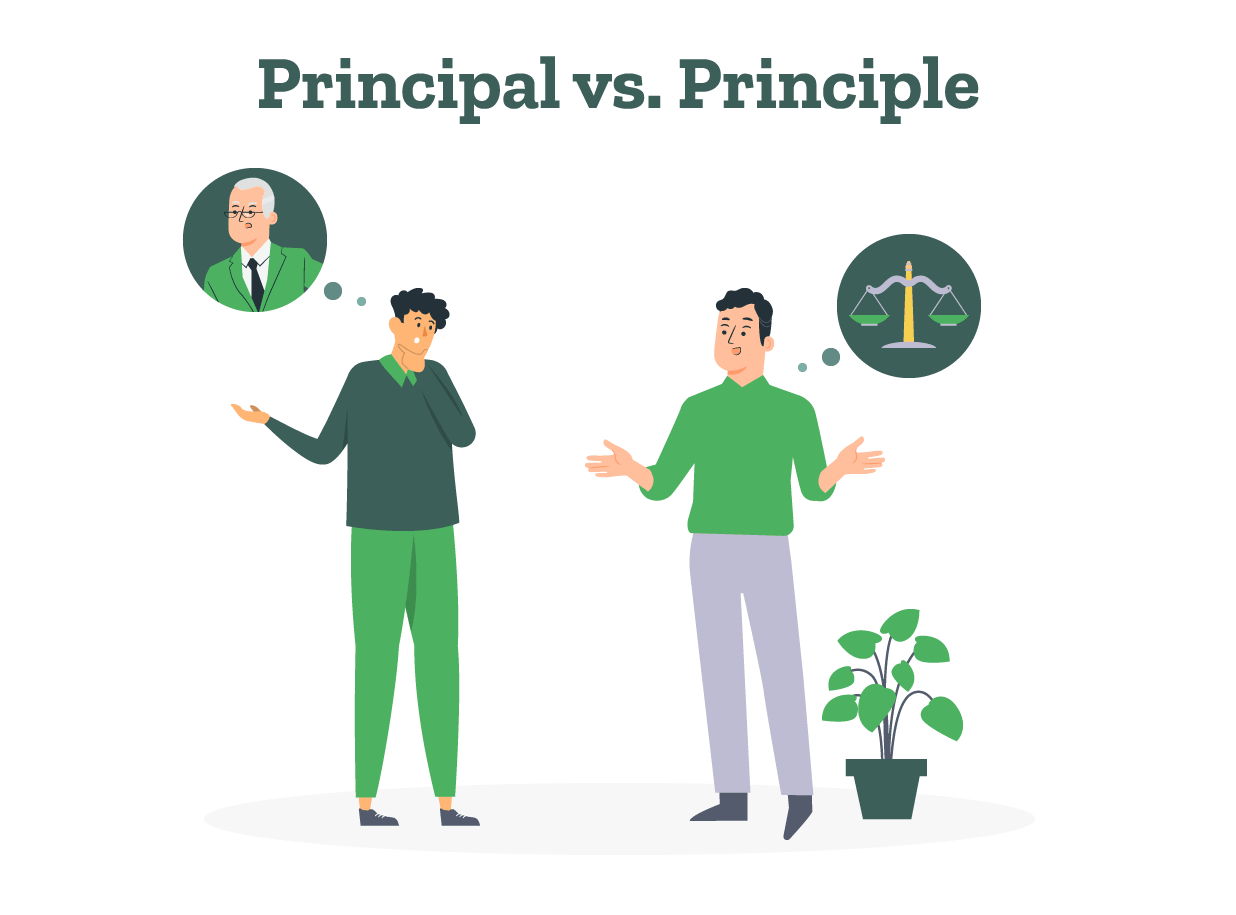
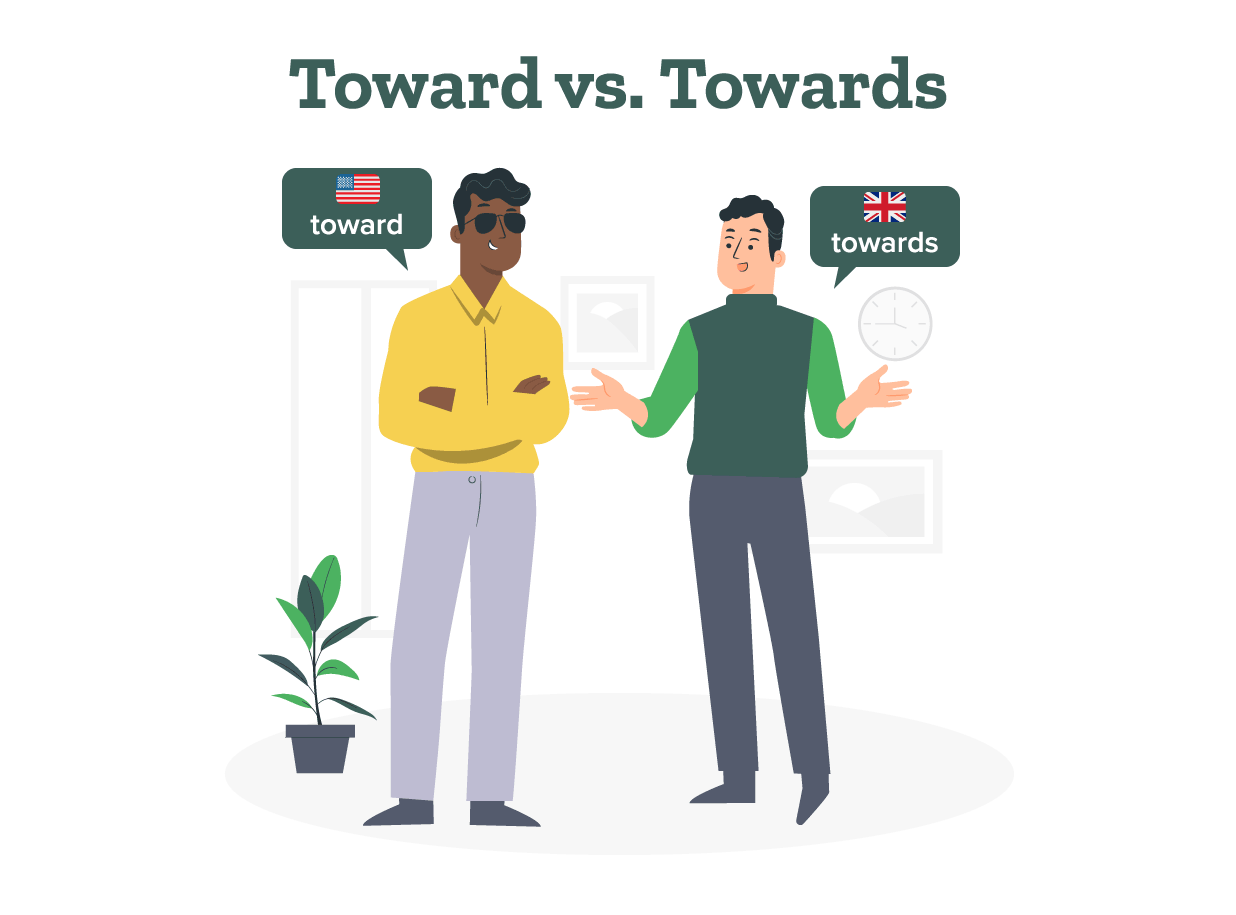
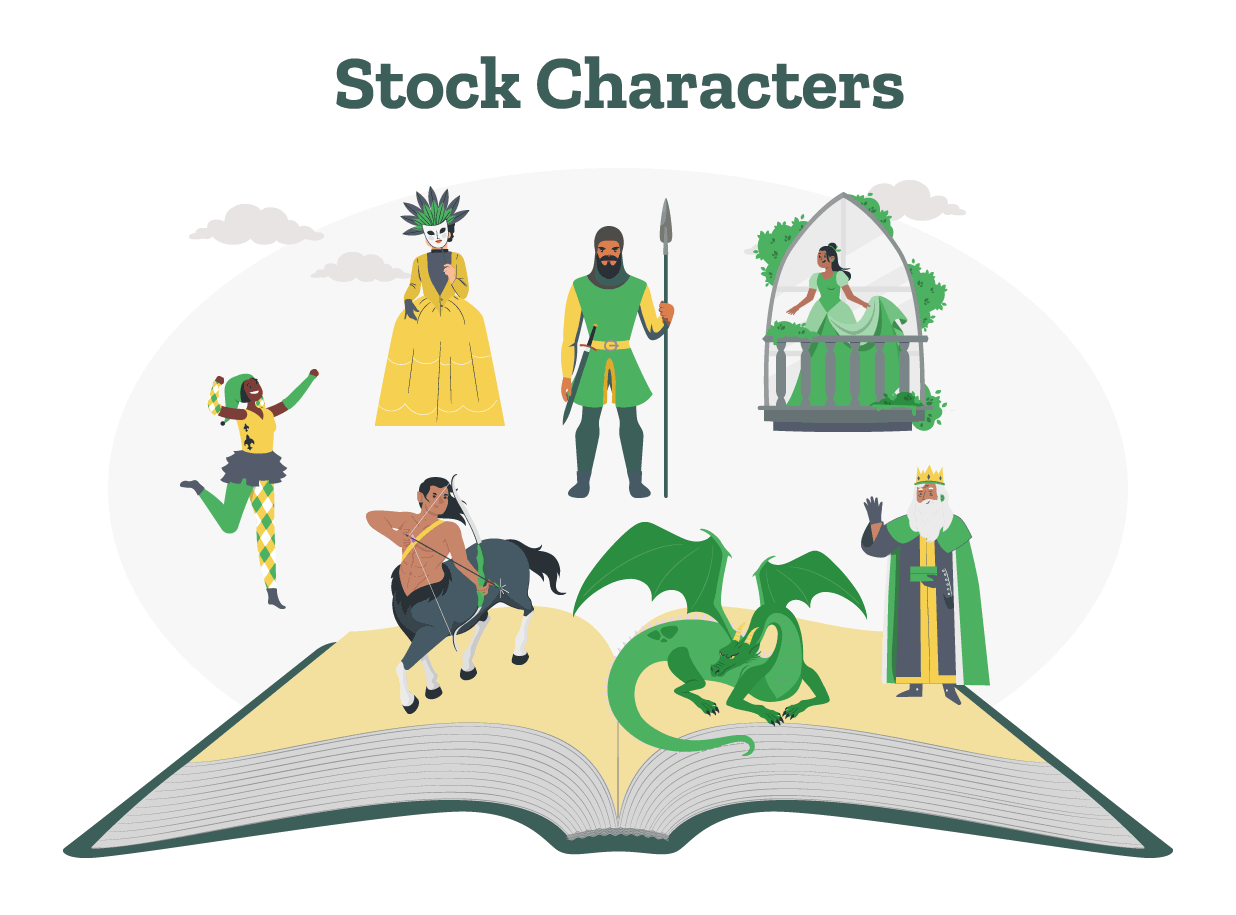

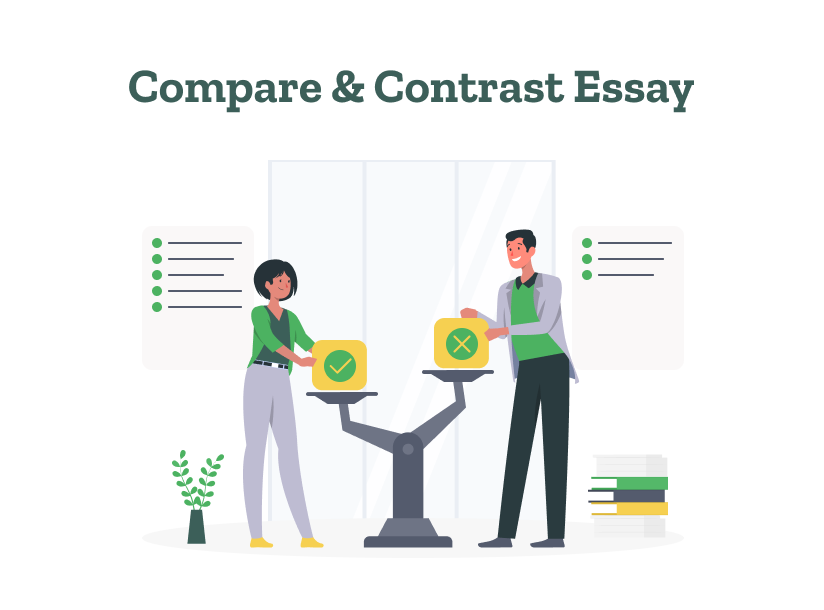
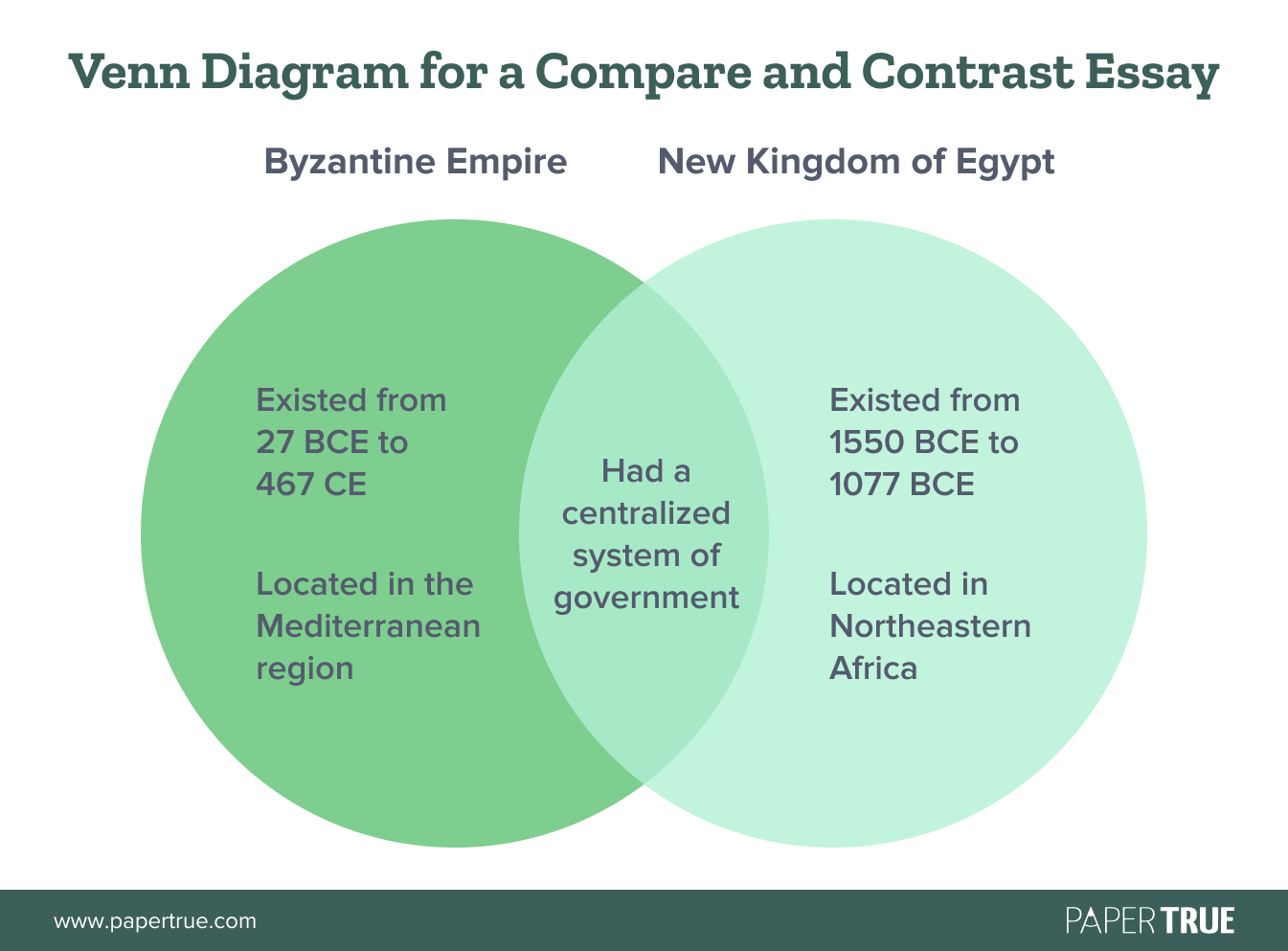
 Apart from the simple moral story at its core, The Little Prince is about so much more. A fox gives a little prince some important life lessons, teaching him to look from the heart instead of the eyes. The book is popularly categorized as “a children’s book for adults”, and we can’t agree more!
 Christopher is a 15-year-old boy who suffers from Asperger’s syndrome. When his neighbors’ dog is murdered, he sets out in the nighttime to explore and find out what exactly happened to it. This is truly a murder mystery like no other!