Newsletter Sign Up

Guide to Essay Editing: Methods, Tips, & Examples

When it comes to essay writing, the process of editing is often glossed over and is reduced to last-minute connections. However, thorough essay editing helps you stand out from the crowd. A skillfully written essay not only involves impressive writing, but also meticulous editing.  

In this article, we will walk you through the process of essay editing and understand why it is important. Without any further ado, let’s get to it! 

What is essay editing?

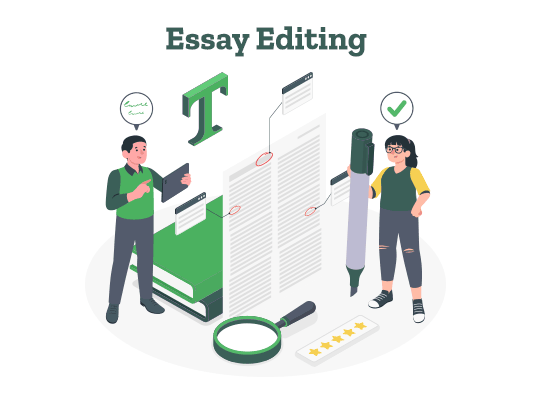
Essay editing involves performing grammatical or structural checks in order to improve the readability and coherence of your essay. While most believe that editing an essay simply involves proofreading it, it is actually a much more extensive process. 

Essay editing involves multiple processes, such as restructuring sentences and paragraphs, correcting tone or cohesiveness, eliminating fluff content and redundancies, and finally, proofreading. 

Why is essay editing important?

Meticulous editing is crucial in improving the clarity and coherence of your ideas. It not only brings out the core message of your essay but also provides a proper structure to your essay.

Here are a few more reasons as to why essay editing is important: 

1. Helps correct structural inconsistencies.

Effective editing helps detect structural and tonal inconsistencies that don’t fit in with a particular paragraph or the essay as a whole. These inconsistencies can then be rephrased, restructured, or completely eliminated from your essay. 

2. Helps simplify your essay.

Complex words and run-on sentences make your essay verbose and obscure its core message. In order to establish a strong central idea, it is crucial to meticulously edit your essay. Through editing, you can not only refine and clarify the central message of your essay but also make it more readable.

3. Helps filter out unnecessary information.

Editing helps get rid of redundancies, filler, or fluff content which cleans up the sentences and paragraphs of your essay. Eliminating these redundancies makes your content more succinct, clear, and concise. 

4. Helps correct spelling, grammar, and punctuation errors.

The importance of spelling, grammar, and punctuation cannot be understated. A single misplaced comma can change the meaning of a sentence and create a poor impression on the reader. Proofreading ensures that such errors are not made. It involves correcting any major or minor spelling and grammar errors.

Now that we’ve understood the importance of essay editing, let’s take a look at the following example:

The mission of Voyager 1 was to go study the big gas giants, Jupiter and Saturn, and then continue its journey beyond the solar system. As it journeyed on, it sent back lots of pictures and data about the planets it passed. One of the cool things it discovered was the Great Red Spot on Jupiter, which is a storm that’s been going on for centuries. It’s amazing that Voyager 1 was able to capture all of this information and bring it back to us on Earth.

Voyager 1 was launched with the aim of studying gas giants like Jupiter and Saturn and venturing beyond the solar system. While on its journey across the solar system, it captured numerous images and gathered relevant data on multiple planets. One of its most fascinating discoveries was the Great Red Spot on Jupiter, an ongoing storm lasting for centuries. The ability to gather information about previously unexplored terrains is certainly a feat achieved by Voyager 1.

As you can see, there are plenty of grammatical and tonal inconsistencies in the first example. There is also use of informal language which is not consistent with this essay type. The second example shows what the grammatically correct, tonally consistent, edited version should look like.

What does an editor look for in your essay?

Professional essay editing services are trained to spot the most minute of structural and grammatical errors and are trained in college, as well as admission essay editing. They not only help point out surface-level errors in spelling and punctuation but conduct an in-depth analysis of your essay. 

Here’s what a professional editor looks for in your essay:

1. Errors in spelling and grammar:

This includes ensuring subject-verb agreement, conducting spellchecks on commonly misspelled words, or even maintaining consistency in the tense of your essay.

2. Errors in the use of technical terms: 

This includes ensuring the appropriate usage of signs, symbols, and units of measurement.

3. Inconsistencies in referencing styles: 

This task includes spotting errors and inconsistencies in major referencing style guides such as MLA, APA, and Chicago.

4. Issues in the layout: 

This includes maintaining consistency in essay formatting and ensuring proper use of graphs, tables, images, and figures.

5. Inconsistencies in tone: 

This involves simplifying run-on sentences, filtering out redundancies, and ensuring a consistent tone throughout the essay.

 6. Logical gaps in arguments: 

This includes detecting logical fallacies or gaps in arguments and making suggestions to correct these fallacies. 

7. Plagiarism

This involves thoroughly scanning the essay to ensure the originality of the content and detecting unintentional plagiarism. 

8. Conformity to referencing guidelines:  

This task includes cross-checking in-text citations and references and ensuring they conform to the prescribed guidelines.

9. Inconsistencies in formatting: 

This includes correcting inconsistencies in prescribed formatting guidelines.

Why should you hire a human editor? 

College essay editing requires significant expertise and attention to detail. Although essay writing tools such as Grammarly are useful in correcting surface-level errors, they are not complex enough to ensure 100% accuracy. They lack the human touch and are unable to detect various contextual and structural errors.

For instance, a proofreading tool will not detect any error in the following sentence, although it’s grammatically incorrect.

With who am I speaking?

It is clear that “I” is the subject in the sentence, hence the object should be “whom”. Such errors are ignored by online essay editing tools and require human intervention. 

The following table will give you a better understanding of the differences between human and machine editing: 

Steps to self-edit your essay 

Although consulting a human editor will make your job significantly easier, the college essay editing cost can sometimes be a burden. If you prefer self-editing your essay, you can use the following steps to help you ace your assignment.

1. Take a break

It is challenging to identify errors and inconsistencies in your essay immediately after writing it. Make sure to take a break and return to your work later with fresh eyes. This will help you view your essay from different perspectives and identify problem areas. You can also do this by asking friends or family members to review your work and provide necessary feedback. 

2. Start with major structural errors

Start off with a comprehensive overview. This includes creating a cohesive structure and ensuring the proper flow of arguments. Make sure that all your topics and concluding sentences highlight the importance of your thesis statement. You can also cut-and-paste parts of sentences or paragraphs to build momentum throughout your writing. 

3. Condense wordy sentences and paragraphs

After rearranging the major paragraphs to ensure a smooth-flowing structure, it’s time to cut the fluff. This may include repetitive information, filler content, as well as redundancies. Cutting out unnecessary information makes your essay concise and to the point, allowing your readers to focus on the key points of your argument.

4. Simplify jargon

It’s important to limit the use of jargon and ensure that your essay is accessible and easy to understand. While technical terms can be used in certain contexts, make sure to use them sparingly and accurately. It is important to strike a balance between technical and non-technical language. This will help you can write an essay that is both informative and engaging.

5. Ensure proper use of punctuation 

Avoid using lengthy run-on sentences that can be difficult to follow. Use clear, concise sentences that convey your ideas effectively. When it comes to academic writing, avoid using exclamation marks and em-dashes. They can be seen as highly informal and are usually used in stories or creative works. 

6. Maintain consistency in formatting throughout your essay

Make sure to stick to your university’s formatting and style guidelines when writing essays. This includes using headings and subheadings correctly, and ensuring that the font size and style are consistent throughout your essay. You can also make key points stand out by using bold or italicized text when necessary. 

The above pointers show how editing essays is tedious and can be time-consuming. As editing experts, we can make the editing process simpler for you. 

To reduce your challenges while writing essays, we have created extensive resources for you. You can bookmark the following resources and revisit them to clarify any doubts about essay writing! 
Expository Essay: Structure, Tips, and Examples

The term “expository” refers to expounding on, or elaborating on a topic. Hence, the main goal of an expository essay is to provide factual information on a particular subject. Although writing an engaging essay is definitely a plus, it is secondary. The main goal of writing an expository essay is to educate. 

An expository essay is a relatively unbiased piece of writing that explores a topic from all angles. In this article, we will explore the meaning of an expository essay and how to write one with the help of a few expository essay examples. Let’s take a look.

Elevate your essay with our expert essay editing services!

What is an expository essay?

An expository essay is an unbiased, factual piece of writing that provides an in-depth explanation of a topic or set of ideas. It aims to explain a topic from all angles and takes no decisive stance on it.

Expository essays make no new arguments on a topic but rather explain preexisting information in a structured format. They are mainly used in assignments or exams to test the student’s knowledge of a subject. 

However, the expository essay definition remains incomplete without understanding the different types of expository essays. An “expository essay” is an umbrella term used to describe different types of essays. These essays include classification essays, definition essays, process essays, compare and contrast essays, and cause-and-effect essays.

Now that we’ve understood what is an expository essay, let’s look at its types.

1. Classification essay

A classification essay aims to group objects into distinct categories. It also involves comparing objects within the same group and highlighting their similarities and differences. For example, if the essay topic is evergreen trees, it would explore different types like pine and fir and discuss the similarities and differences between them.

2. Definition essay

A definition essay aims to provide a comprehensive explanation of a particular topic. As the name implies, the main goal is to define the subject matter in detail. So if you were writing a definition essay on the Victorian era, you would begin by defining the historical period. Then, you would move on to describe the cultural aspects such as fashion styles, notable figures, and societal norms that characterized that period.

3. Process essay

A process essay is a step-by-step guide to performing a particular task. It follows a logical, chronological order of detailed steps on how to achieve a desired outcome. For instance, if you want to write a process essay on “how to make a paper airplane” you will provide a step-by-step chronological guide on how to fold the paper in different ways to create the airplane. 

4. Compare and contrast essay

A compare and contrast essay aims to point out the subtle differences or unexpected similarities between two or more subjects. For instance, a compare and contrast essay about the types of ramen served in different parts of Japan may include the differences and similarities in the broth, ingredients used, types of noodles, and flavor profiles in each of them. 

5. Cause and effect essay

A cause-and-effect essay seeks to explore the aftermath of a specific incident. So a cause-and-effect essay on the Himalayan mountain range may analyze the movement of the tectonic plates that led to the formation of the Himalayas.

Now that we’ve fully understood what’s an expository essay let’s understand its structure.

Expository essay structure

An expository essay is written in the third person and the expository essay format, like any other essay format, consists of an introduction, body paragraphs, and a conclusion. There is no limit on the length of your essay unless instructed by your teacher or professor. 

The expository essay format typically consists of one paragraph for the introduction and conclusion and three paragraphs for the body. But you can add additional body paragraphs depending on the scope of your topic. Here’s the expository essay paragraph structure:

1. Introduction

The purpose of an introduction is to acquaint your reader with‌ your topic or thesis statement. It also involves using engaging information and a relevant context to captivate the reader.

The thesis statement for an expository essay should be unbiased and should aim to provide the reader with more information on a topic. Here’s an example of an introductory paragraph for an expository essay:

  1. Hook
  2. Background information
  3. Thesis statement

The Victorian era, spanning from 1837 to 1901, left an indelible mark on English society. With its strict expectations governing everything from fashion to employment, it was known to be a conservative society. But amidst the rigidity, the period also saw remarkable progress in industry, technology, and science. It’s a time of paradox, where tradition and innovation coexisted. In this essay, we’ll delve into the fascinating complexities of the Victorian era and how they shaped English society for generations to come.

2. Body paragraph

After understanding how to start an expository essay the next step is to construct substantial body paragraphs. Each body paragraph in an expository essay consists of a topic sentence, its explanation, and a transition statement. A single idea should be introduced in each paragraph. 

These ideas can be arranged chronologically, in the order of importance, or even in a random manner, depending on the purpose and the message of your essay. For instance, a step-by-step guide will always be written chronologically, from the first to the final step.  Let’s take a look at an example of a body paragraph for an expository essay.

  1. Topic sentence
  2. Explanation
  3. Transition statement

During the Victorian era, the social hierarchy was rigid, with the aristocracy and landed gentry holding most of the power, wealth, and privilege. Shockingly, the upper class comprised only 0.7% of the population, yet dominated England’s resources and politics. Meanwhile, the working class, who made up the majority of society, faced harsh living and working conditions and had limited opportunities for upward mobility. Working-class men in industrial cities had an average life expectancy of just 16 years. Despite these challenges, the Victorian era also saw a growing movement towards social reform, such as the National Health Service and Factory Act, aimed at improving the working class’s quality of life. Although the oppressive social hierarchy was highly apparent, the Victorian era represented a time of progress and change in England for many.

3. Conclusion

The purpose of the conclusion is to tie up loose ends and to provide a short summary of your essay. End your essay with a strong, meaningful statement that leaves a lasting impression. This helps reinforce the significance of your thesis statement to the reader.

The conclusion should introduce no new information but rather focus on the broader impact and applications of your topic and central idea. Here’s an example of a concluding paragraph for an expository essay.

  1. Updated thesis statement
  2. Brief overview
  3. Concluding statement

The Victorian era brought about significant changes in society, culture, and technology, including the rise of the middle class, the expansion of the British Empire, the emergence of new literary and artistic movements, and the advancement of science and technology. Despite its flaws, it laid the foundation for modern society and continues to impact contemporary culture. This essay explored the Victorian era’s impact on literature, social norms, and technological advancements, providing a comprehensive overview of this era’s influence on society and culture. Overall, the Victorian era’s legacy continues to shape our world today.

Now that we’re familiar with the structure of an expository essay, let’s understand how to write it.

How to write an expository essay  

Although an essay is a highly versatile piece of writing, it follows the same basic steps. This involves choosing a relevant topic, crafting a clear thesis statement, creating a structured outline, and writing and revising your essay. Here are some simple steps to write an expository essay.

1. Choose an appropriate topic

An expository essay is based on accurate facts and information, so it makes sense to choose a topic you’re already familiar with. This will not only make the research process much easier but will also help you approach your topic in depth.

2. Craft the thesis statement

Create an interesting and succinct thesis statement that you can expound on. A thesis statement that is both intriguing and clear creates a strong foundation for your essay.

3. Create an essay outline

You can better understand how to structure your expository essay by constructing an outline.

An outline not only provides flow to your essay but also serves as a base to fall back on when in doubt. It is created by constructing relevant topic sentences that support your thesis statement and arranging them in a logical order. 

4. Write the first draft

Once you have created the outline, the next step is to flesh it out and start writing your essay. Make sure that you use reliable sources of information and accurately cite them during your writing process.

5. Revise and proofread 

After the first draft of your essay is complete, make sure to proofread it and revise any structural, grammatical, or factual inconsistencies. If you have the option, it always helps to hire essay editing services that can handle this crucial task for you.

Expository essay outline 

Before embarking on your essay writing journey, make sure that you have a solid base to fall back on. This can be done by creating a comprehensive expository essay outline with a detailed thesis statement, relevant topic sentences, and supporting bits of information. 

Here’s an example of an expository essay outline on the impact of the wheel on modern-day technology: 

The Impact of the Wheel on Modern-Day Technology

I. Introduction

A. Hook: An interesting fact or a historical anecdote about the invention of the wheel

B. Context: The significance of the wheel in ancient times

C. Thesis statement: The wheel has been a crucial invention that has influenced modern-day technology in various fields.

II. History and Evolution of the Wheel

A. Origin and early uses of the wheel

B. Development of the wheel and axle

C. Role of the wheel in ancient civilizations, such as Mesopotamia, China, and Egypt

D. The role of the wheel in the Industrial Revolution

III. The Influence of the Wheel on Transportation Technology

A. The invention of the modern-day car and its components

B. The development of airplanes and trains

C. The influence of the wheel on space exploration

IV. The Influence of the Wheel on Manufacturing Technology

A. The role of wheels and conveyors in modern factories

B. The use of wheels in heavy machinery and equipment

C. The influence of the wheel in assembly line production

V. The Influence of the Wheel on Everyday Technology

A. The role of the wheel in household appliances and gadgets

B. The use of wheels in sporting equipment and toys

C. The influence of the wheel on modern-day robotics

VI. Conclusion

A. Restate thesis statement

B. Summarize the main points of the essay

C. Final thoughts: The significance of the wheel on modern-day technology

D. Call to action or recommendation for further research or action

Expository essay example

To help you in your writing process, we’ve provided a comprehensive expository essay example. It discusses the impact of Shakespeare’s work on modern-day literature. This expository essay sample deviates from the original five-paragraph structure and consists of an introductory paragraph, four body paragraphs, and a concluding paragraph.

Influence of Shakespeare on Modern-Day Literature

William Shakespeare is widely regarded as one of the greatest playwrights in the history of English literature. His works have had a significant influence on modern-day literature, and his plays continue to be performed and adapted into various forms, including films, television shows, and novels. In this essay, we will explore the influence of Shakespeare on modern-day literature.

Shakespeare’s influence on the English language cannot be overstated. He is credited with the invention of over 1,700 words and phrases, including “eyeball,” “fashionable,” “addiction,” and “bedazzled,” to name a few. His writing style, characterized by poetic language, rich imagery, and powerful themes, has inspired countless writers and poets over the centuries. Many writers have attempted to imitate his style or use his works as a reference for their writing.

Moreover, Shakespeare’s plays, which were written over 400 years ago, still resonate with audiences today. His exploration of universal themes such as love, jealousy, power, and ambition, continues to captivate readers and audiences worldwide. The characters in his plays, such as Romeo and Juliet, Hamlet, Macbeth, and Othello, are iconic and have become part of our cultural heritage.

As a result, today’s media and entertainment have been heavily influenced by Shakespeare’s works. Many writers have adapted his plays into modern settings, retelling the stories in contemporary contexts. For example, the musical West Side Story, which is based on Romeo and Juliet, is set in 1950s New York City, while the film 10 Things I Hate About You is a modern retelling of The Taming of the Shrew.

Shakespeare’s influence is not only evident in media but also in the language and themes used in modern literature. His exploration of human nature and the human condition has inspired many writers to delve deeper into the human psyche, exploring complex emotions and motivations. His use of metaphors, symbolism, and imagery has become a hallmark of literary writing, inspiring many writers to use similar techniques in their works.

In conclusion, William Shakespeare’s influence on modern-day literature cannot be overstated. His works continue to be read and performed, inspiring writers and artists around the world. His use of language, themes, and characters has become part of our cultural heritage and continues to shape how we view the world. Shakespeare’s impact on modern-day literature is a testament to his enduring legacy as one of the greatest writers of all time.

Now that you have clarity about expository essays, you can use this information to write expository essays. As providers of essay editing services, we realize that you may also have doubts about other types of essays like narrative essays, argumentative essays, and more.

Keep reading with more resources from your loyal editors and proofreaders:

Book Proofreading 101: The Beginner’s Guide

The last of five editing steps, book proofreading ensures that your manuscript is ready to publish. Once your book has passed through a proofreader’s scrutiny, you can bid adieu to the endless revisions! But precisely because it’s the final check before publishing, proofreading a book professionally is extremely important.

A reader may be willing to ignore a minor typo, but a grammatical error or layout mistake isn’t so easily brushed off. These problems take away from your hard work, making it nothing but a sum of your mistakes. No writer wants that, which makes professional book proofreading crucial to your success.

In this article, we’ve compiled just about everything you need to know about proofreading books. Take a look!

What is book proofreading?

Book proofreading is the process of reviewing a manuscript to mark errors in grammar, spelling, punctuation, and syntax. It also identifies inconsistencies in style and formatting to ensure an excellent reading experience.

Proofreading is different from other book editing processes in one key respect: it doesn’t make significant changes to the book. Developmental editing can drastically improve a book’s quality and value to the reader by suggesting key changes to its content. A line edit and copy edit also suggest revisions and changes to the writing for better flow and readability.

Proofreading merely indicates incidental errors and minor flaws, not large-scale changes to the book. It takes place after not just the first few editing steps, but after your book has been typeset. This is because book proofreading checks for any and all issues that hinder readability, typesetting errors included!

So, your book is ready for the proofreader’s desk if:

  • An editorial assessment has deemed your book ready for editing (optional).
  • A developmental editor has reviewed it to help improve the quality of your content.
  • A line editor has sharpened your writing for style and tone.
  • A copy editor has checked your manuscript for mechanical consistency and correctness.
  • Your manuscript has been typeset with a finalized layout, formatting, and indexing.

Why is proofreading important?

Book proofreading is important because it’s your book’s last line of defense against shabby writing and improper formatting. If you want your readers to take you seriously, you need to put in the effort to make it flawless.

If used incorrectly, a comma can make a world of difference. So even minor errors can take away from your hard work. If a reader can’t stop thinking about that funny typo or annoying inconsistency, how can they focus on your writing?

So, proofreading a book is important to retain your reader’s attention and ensure your effort translates without any hindrance. It’s an essential step in creating a polished, high-quality book.

But do you need to get your book professionally proofread? What if you get your friends or colleagues to do it, or handle it yourself?

Well, that’s easier said than done.

Why do you need professional book proofreading?

You need professional book proofreading because an expert proofreader has the training and expertise required to catch the smallest errors. A proofreader also brings a fresh perspective to your manuscript. This makes them the best person to handle this crucial task for you.

By the time you get around to finishing your book, you’ve gone through multiple revisions and redrafts. This makes you intimately familiar with each and every word on the page, which would be a good thing normally, but not here.

A proofreader needs to view the manuscript from an objective point of view, or they are likely to miss out on a lot of mistakes. Even if you ask your friends, colleagues, or other amateur language experts to handle this, they run the risk of losing their way into the flow of the book and missing out on key problems.

On the other hand, a professional book proofreader:

  • Has the language training necessary to spot the smallest mistakes in grammar, punctuation, and spelling
  • Is well-versed in various style guides and formatting conventions
  • Knows the industry standards and publishing specifics that your book is required to meet
  • Saves your time and energy by handling the task efficiently

In this way, professional book proofreading allows you to focus on the creative process and leave the technicalities to the experts.

How to find a book proofreader

We won’t lie: finding the right book proofreader is not an easy process. You need to ensure that the person you’re hiring understands your niche, your point of view, and your artistic voice. More importantly, you need to ensure that their working style is suitable for you.

Different proofreaders employ different methods of working and charging. You must comb through reviews, recommendations, and samples before deciding on the person for this job. The following steps are a blueprint for finding and hiring the right book proofreader for you:

1. Rely on recommendations

There is no better yardstick to judge a proofreader than recommendations from writers you know. Fellow writers or writer groups, especially with the same genre or subject matter as yours, are the best source for book proofreading recommendations. They can tell you what to expect when working with a proofreader, helping you find the best one.

2. Search online directories

While a simple web search sounds quite anticlimactic, there are many online directories that can help you find a book proofreader. Websites such as Reedsy, The Editorial Freelancers Association, and the American Society of Journalists and Authors feature a large variety of book proofreading professionals.

3. Check online reviews

No matter where you find a book proofreader, you must check their online reviews. This will help you understand the quality of their work and the experience that other writers had working with them. You can find these reviews on a number of sites, including Yelp, Google My Business, and Trustpilot.

4. Request sample edits

Once you have narrowed down your list of potential proofreaders, consider requesting sample edits from each one. After all, your own experience is the best indicator to decide on a proofreader for your book.

Working with a book proofreading firm

If you want to avoid the long and tiring process of searching for the right proofreader, your best option is to hire a book proofreading service. These editing firms are specifically designed to help self-published writers refine their manuscripts. So, they understand the global standards of language and formatting that are expected of a published book.

Here’s how a proofreading company simplifies the process for you:

1. A project manager meets with you to understand the requirements of your book.

2. Based on the genre and niche of your book, they assign you a proofreader.

3. The proofreader begins working on your manuscript.

4. Your proofread manuscript is delivered to you.

5. If you need any revisions or clarifications, the project manager mediates a dialogue between you and the proofreader.

This is a standard procedure, prone to changes depending on the firm you work with and your own unique project. For example, at PaperTrue, you have the option to send your manuscript in a series of sections to ensure quality work and timely feedback.

Most book proofreading companies also offer other self-publishing support. As publishing experts, they know how to make your life easier! As with individual proofreaders, however, make sure you go through their online reviews and testimonials from other authors. Most services are happy to offer a sample edit, making your job easier.

What is the standard book proofreading rate?

An average book proofreading rate is $10 per 1,000 words. This is an aggregate of the book proofreading cost from various individuals and organizations. However, the actual cost of book proofreading will vary depending on the word count, genre, and effort required on the part of the proofreader.

If you’re publishing a collection of essays on quantum superposition, you’d need a proofreader with some level of familiarity with Physics and Mathematics. This expert will charge more than the average book proofreading rate due to their expertise in your niche. Similarly, if you need an indexing or citation check, that will also come with an additional cost.

In this way, the pricing for book proofreading varies from manuscript to manuscript. But we can help you get a clearer idea of how much you can expect to pay for this. Here are some of the most prominent book proofreading companies and their cost per 1,000 words:


If these book proofreading rates seem daunting to you, remember that proofreading is an investment in your career as an author. Without proofreading, your readers may be dissatisfied with the quality of your book and leave poor reviews online. This will have a direct impact on your book sales! So trust us when we tell you that proofreading a book is well worth the price.

How to Write an Essay: 8 Simple Steps with Examples

Knowing how to write an essay can help you out significantly in both, your academic and professional life. An essay is a highly versatile nonfiction piece of writing that not only tests your knowledge of a topic but also your literary and argumentative skills.     

Each essay requires the same basic process of planning, writing, and editing. Naturally, we’ve used these stages to group our steps on how to write an essay. So without further ado, let’s get into it! Here are the eight steps to write an essay:

Stage 1: Planning

1. Pick an appropriate research topic

In certain cases, your teacher or professor may assign you a topic. However, in many cases, students have the freedom to select a topic of their choice. Make sure you choose a topic that you’re well versed in and have significant knowledge of. 

Having prior knowledge of the topic will help you determine the subsequent steps to write an essay. It will also make your research process considerably easier.

2. Form an appropriate thesis statement

A thesis statement is the central idea or premise your essay is based on. It is usually a sentence or two long and is included in the introduction of the essay. The scope of your thesis statement depends on the type of your essay and its length.

For instance, the scope of the thesis statement for a 500–1000 word school essay will be narrower than a 1000–5000 word college essay. A rule of thumb is that your essay topic should be broad enough to gather enough information, but narrow enough to address specific points and not be vague. Here’s an example: 

The invention of the airplane by the Wright Brothers in 1903 revolutionized transportation and paved the way for modern aviation. It represents a monumental achievement in human history that forever changed the course of human civilization.

3. Create an essay outline

Creating a well-organized essay outline not only gives structure and flow to your essay but also makes it more impactful and easy to understand. The idea is to collect the main points of information that support or elaborate on your thesis statement. You can also include references or examples under these main points. 

For example, if your thesis statement revolves around the invention of the airplane, your main points will include travel before the invention of the airplane, how it was invented, and its effects on modern-day travel. Take a look:

The Wright Brothers’ invention had a massive impact on modern-day travel. The subsequent growth of the aviation industry led to increased accessibility of air travel to the general public.

Stage 2: Writing

4. Write a comprehensive introduction

After creating the basic outline, it is important to know how to write an essay. Begin your essay by introducing your voice and point of view to the reader. An introduction is usually a paragraph or two long and consists of three main parts:

  • A hook
  • Background information
  • Thesis statement

Let’s better understand this with the help of an example:

The Wright Brothers’ invention of the airplane in 1903 revolutionized the way humans travel and explore the world. Prior to this invention, transportation relied on trains, boats, and cars, which limited the distance and speed of travel. However, the airplane made air travel a reality, allowing people to reach far-off destinations in mere hours. This breakthrough paved the way for modern-day air travel, transforming the world into a smaller, more connected place. In this essay, we will explore the impact of the Wright Brothers’ invention on modern-day travel, including the growth of the aviation industry, increased accessibility of air travel to the general public, and the economic and cultural benefits of air travel.

Let’s understand how to construct each of these sections in more detail.

A. Construct an attractive hook

The opening sentence of an essay, also known as the hook, should include a powerful or startling statement that captures the reader’s attention. Depending on the type of your essay, it can be an interesting fact, a surprising statistic, or an engaging anecdote. 

B. Provide relevant background information

While writing the introduction, it’s important to provide context or background information before including the thesis statement. The background information may include the time before a groundbreaking invention, the pros and cons of a significant discovery, or the short- and long-term effects of an event.

C. Edit the thesis statement

If you’ve constructed your thesis statement during the outlining stage, it’s time to edit it based on the background information you’ve provided. Observe the slight changes we’ve made to the scope of the thesis statement in the example above. This accommodates the bits of information we’ve provided in the background history.

5. Form relevant body paragraphs

Body paragraphs play a crucial role in supporting and expanding the central argument presented in the thesis statement. The number of body paragraphs depends on the type of essay as well as the scope of the thesis statement.

Most school-level essays contain three body paragraphs while college-level essays can vary in length depending on the assignment.

A well-crafted body paragraph consists of the following parts:

  • A topic sentence
  • Supporting information
  • An analysis of the information
  • A smooth transition to the next paragraph

Let’s understand this with the help of an example. 

The Wright Brothers’ invention of the airplane revolutionized air travel. They achieved the first-ever successful powered flight with the Wright Flyer in 1903, after years of conducting experiments and studying flight principles. Despite their first flight lasting only 12 seconds, it was a significant milestone that paved the way for modern aviation. The Wright Brothers’ success can be attributed to their systematic approach to problem-solving, which included numerous experiments with gliders, the development of a wind tunnel to test their designs, and meticulous analysis and recording of their results. Their dedication and ingenuity forever changed the way we travel, making modern aviation possible.

Here’s a detailed overview of how to construct each of these sections.

A. Construct appropriate topic sentences

A topic sentence is the title of the body paragraph that elaborates on the thesis statement. It is the main idea on which the body paragraph is developed. Ensure that each topic sentence is relevant to the thesis statement and makes the essay flow seamlessly. 

The order of topic sentences is key in creating an impactful essay. This order varies depending on the type of essay you choose to write. These sentences may be arranged chronologically, in the order of importance, or in a cause-and-effect format.

B. Provide supporting information

It is necessary to provide relevant supporting information and evidence to validate your topic statement. This may include examples, relevant statistics, history, or even personal anecdotes.

You should also remember to cite your sources wherever you use them to substantiate your arguments. Always give researchers and authors credit for their work!

C. Analyze the supporting information

After presenting the appropriate evidence, the next step is to conduct an in-depth analysis. Establish connections and provide additional details to strengthen the link between your topic sentence and the supporting information. 

Depending on the type of essay, this step may also involve sharing your subjective opinions and key takeaways.

D. Create a smooth transition

In case you plan to create multiple body paragraphs, it is crucial to create a seamless transition between them. Transitional statements not only make the essay less jarring to read but also guide the reader in the right direction.

However, these statements need not be too lengthy and complicated. Use words such as “however”, “in addition to”, and “therefore” to convey transitions.

6. Construct an impactful conclusion

An impactful conclusion creates a lasting impression on the mind of the reader. Although it varies in length depending on the specific essay, the conclusion is typically a paragraph long.

It consists of

  • A restated thesis statement
  • Summary of the main points
  • The broader implications of the thesis statement

Here’s an example of a well-structured conclusion:

The Wright Brothers’ invention of the airplane forever changed history by paving the way for modern aviation and countless aerospace advancements. Their persistence, innovation, and dedication to problem-solving led to the first successful powered flight in 1903, sparking a revolution in transportation that transformed the world. Today, air travel remains an integral part of our globalized society, highlighting the undeniable impact of the Wright Brothers’ contribution to human civilization. 

Let’s take a closer look at how to construct each of these sections.

A. Restate the thesis statement

Your conclusion should call back to your original argument or thesis statement.

However, this does not mean repeating the thesis statement as is. The essence of your argument should remain the same, but it should also be modified and evolved as per the information presented in your essay.

B. Summarize important points

A powerful conclusion not only lingers in the reader’s mind but also provokes thought. You can create a strong impression on the reader by highlighting the most impactful points of your essay.

C. State the greater implications

End your essay with the most powerful and impactful part: the larger perspective. This can‌ include a question you’d like to leave the reader with, the broader implications and impact of your thesis statement, or the long-term, lingering effects of your experience. 

Make sure to include no new evidence or arguments, or to undermine your findings in any way. 

Stage 3: Editing

7. Review your essay

Knowing how to write an essay is just one part of essay writing. Properly reviewing and editing your essay is just as important. Make sure to spend enough time going over your essay and adding any bits of information that you’ve missed. 

This is also a good time to make minor structural changes in your essay.

8. Thoroughly proofread your essay

After making the necessary structural changes, recheck your essay word by word. It is important to not only correct major grammatical and spelling errors but also minor errors regarding the phrasing or tone of voice.

You can either choose to do this by yourself, ask a friend for assistance, or hire an essay proofreading service to go over your writing. To construct a fool-proof, error-free essay, it is helpful to have a trained pair of eyes go over it. Professional proofreaders can spot errors that are not visible to most people and set the right tone for your essay. 

Now that you know the basics of how to write an essay, it’s time to learn about the specifics. Feel free to dig into the articles below and keep reading!

Typesetting: An Introduction

Typesetting can be defined as the process of ‘setting text on a page’. A typesetter arranges the text in the book to create an optimum reading experience. It includes:

typesetting

  1. Defining the margins
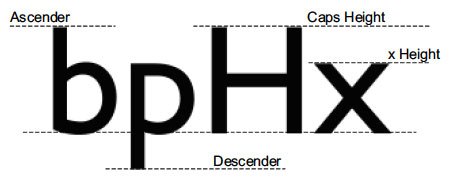
  2. Pick the right font typeface and size
  3. Style the sections from where the chapter starts

It usually occurs toward the end of the publishing process.

What is the difference between typesetting and typography?

A lot of you might confuse setting text on a page with typography, and that can be because of the near-similarity in word choice. But they are very different. 

Typography is the art of designing text. It includes:

  1. Choosing font
  2. Use of space
  3. Addition of decorative elements

Typesetting is simply the process of setting that text on a page. 


How does it work and what does a typesetter do?

A professional typesetter will spend their time deciding the following specifications for a book:

  1. Trim Size: A trim size refers to the dimensions of a document after it has been printed and cut down to its desired width and height from a larger sheet, prior to any folding.
  2. Illustrations (if any)
  3. Margin specifications (the bigger the margins, the more pages the book will need)
  4. Font size and typeface for subheadings, chapter headings, titles, etc.

It also includes a few more specifications:

  • Word stacks – This occurs when consecutive rows of text start with the same word, making it repetitive. A typesetter makes sure that doesn’t happen. 
  • Footnotes and tables
  • Drop caps – The first letter of the first paragraph of every chapter needs to be stylized
  • Adjusting the spacing between characters
  • Text color

Once all of these elements have been finalized, the typesetter will begin the process of setting the text and illustrations on paper. 

Why is it important?

Think of typesetting as a file in which you keep important documents. They are much more neatly organized in the file than they would have been without it. It’s the same about your book. If the text is a cluttered and clunky mess, your reader will be put off after the first paragraph itself. It is important for a lot of reasons:

  1. A well-designed text directly influences how the readers enjoy the article or book. Just like typos and grammatical errors might distract a reader, design errors will do the same. 
  2. Authors are rarely trained to spot even minor design errors, which digital designers and typesetters are adept with. 
  3. Both the font and the typesetting work hand-in-hand to create a book’s unique look. 

How to DIY typeset your book?

  1. LaTexThis is a free typesetting software that is great at formatting nonfiction books and documents. You need to be somewhat well-versed in coding as LaTeX is an open-source system.
  2. Adobe InDesign – If you are even a little bit proficient in designing, use Adobe InDesign, a software that professional designers use. Get it for up to $24 dollars per month.

How to work with a professional typesetter?

  1. Get a typesetter who has previously worked on the same genre as your book. Typesetting, or design in general, uses subliminal messaging, and each genre communicates something entirely different but adds to the text. A typesetter who’s worked with the romance genre previously, for example, will know more about what kind of font will not be too heavy on the reader when they read about love. 
  2. Judge the work of the typesetter as a reader. Ask for a sample of their work and go through it as a reader. Is it easy on the eyes? Do the words flow? Ask the important questions. 
  3. Look at samples of their work independently of reading the book. Pay attention to the font, color, background, etc. To be a good judge of this, it’s important that you read up about the intricacies of typesetting first. 

PaperTrue’s pre-publishing services include cover design, copyright page creation, review and blurb writing, ISBN registration, and barcode creation. 


How to Write an Essay Outline: Free Template & Examples

Creating a clear and organized essay is not easy, but making an outline can help. By arranging your ideas in a logical and coherent way, an essay outline can guide you in effectively structuring your essay. 

Whether you’re working on a school or college assignment, take the time to create an outline. It can help you overcome the challenges of organizing your thoughts while writing. In this article, we’ll take a look at how to create an essay outline with the help of some useful examples and a downloadable template.

Craft clear and structured essays!

What is an essay outline?

An outline acts as a blueprint for your essay, presenting the structure and content of each paragraph and showing how they connect. By creating an outline, you can streamline the writing process and minimize the need for revisions. It can also help you develop strong points to support your thesis statement.

Typically, an outline is created after establishing a working thesis statement and gathering relevant information. The collected information is then organized into a logical flow that can be expanded into a structured essay.

Why is it important to create an essay outline?

An essay outline not only gives structure to your essay but also helps effectively link its parts. It helps create a logical flow for your essay and also helps identify its primary components. Let’s take a look at this in detail.

1. Sets a logical order

To create a well-structured and impactful essay, the arrangement of information is key. Creating an essay outline makes it easier to organize bits of information from general to specific. 

Start off by creating a broad thesis statement or central idea. Then move on to providing examples or pieces of information that support this statement or elaborate on it. This method also provides a comprehensive overview of your essay and helps identify any missing bits of information.

2. Generates greater impact

The primary goal of your essay is to effectively present information that supports your thesis statement. If your essay is haphazardly structured, the message of the thesis statement can get lost.

In order to present a coherent message, determine the important bits of information that best support your thesis statement and organize them logically. Then elaborate on these bits to create a flow. This not only creates a greater impact but also makes your final essay more convincing.

3. Leads to smoother transitions

Transitions are the bridges that connect your ideas and ensure that your argument flows smoothly. However, creating smooth transitions from one point to another can be quite challenging.

A college essay outline helps you identify where you need to include transitions and what type of transition you should use to connect your ideas effectively. Creating smooth, logical, and cohesive transitions is crucial in ensuring that readers can easily follow your train of thought and grasp your argument. 

How to write an essay outline

After conducting all the necessary research, it is time to narrow down the central idea of your essay. Make sure that the scope of your idea is neither too broad nor too narrow. 

Select the main bits of information that elaborate on this central idea and organize them in a logical manner. Then provide specific examples to back them up. Let’s take a detailed look at these steps. 

1. Figure out the central message or the thesis statement of your essay.

Picking out a central idea or generic point for your essay can help create a base you can elaborate upon. 

You can start with a broad idea or stance and then research the specific bits of information that support this idea and provide more information on it. 

2. Identify the main points or arguments.

After collecting the necessary information to elaborate on your central idea, identify the broad points that give it substance. 

These points will form the headings of the essay. They should be broad enough to cover major themes, but specific enough to provide a clear focus for each section.

3. Organize your headings.

Decide the logical flow of your essay and arrange your headings in an organized manner.

It is crucial to have obvious starting and ending points, but the body can be organized in a way you consider to be the most impactful. Depending on the type of essay, your headings can be arranged chronologically, on the basis of importance, or from general to specific.

4. Provide examples and evidence to support the headings.

Once the headings are created and organized, provide statistics, anecdotes, and examples to back them up. These specific pieces of information can be elaborated upon while writing your first draft.

Using essay outline generators can also make your work easier. You can use this general essay outline format to create your own:

Essay outline template

To help you write a logical, well-structured, impactful essay, we have developed this fool-proof, comprehensive essay outline template. It will help you categorize all your essential information into well-structured, organized headings and subheadings.

The template includes an introduction, three body paragraphs, an optional paragraph for a counter-argument, and a conclusion. Under each of these headings, there are relevant subheadings that are applicable to all types of essays.  

The template uses an alphanumeric format, with Roman numerals for the headings and capital letters for the subheadings.

Essay outline examples   

Essays are highly versatile pieces of writing. They include various types, such as persuasive essays, compare and contrast essays, analytical essays, and cause-and-effect essays. 

But most of these essay types are a combination or a derivation of these four main types of essays. They include narrative, descriptive, argumentative, and expository essays. 

Each of these essays serves a different purpose and is structured differently. Let’s understand the purpose of each of these essay types with the help of relevant essay outline examples:

1. Narrative essay outline

A narrative essay outline is a highly personalized outline that reflects your unique experiences, feelings, and observations. 

The goal of this outline is to tell an impactful story with the help of vivid descriptions and sensory details that engage the reader’s attention.

Narrative essay outline example

Let us better understand the narrative essay outline with the help of an example. The following example is a personal narrative about growing up as an immigrant child.

I. Introduction

A. A vivid description of the moment I found out I was moving to a new country.

B. Brief explanation of my background and reasons for immigrating.

C. Thesis statement: The challenges and opportunities I faced as an immigrant in a new country.

II. Body

A. Struggles in adjusting to a new culture.

1. Language barriers I faced in school and everyday life.

2. Differences in cultural norms and expectations.

B. Navigating a new education system

1. Differences in teaching styles and expectations.

2. Adjusting to a new curriculum and grading system.

C. Finding a sense of belonging

1. Challenges in making friends and building relationships.

2. Coping with homesickness and missing family and friends.

III. Conclusion

A. Reflection on my journey as an immigrant

1. Lessons learned and personal growth.

2. Significance of the experience.

B. Acknowledgment of my resilience and determination.

1. Overcoming challenges and achieving success.

2. Encouragement for others facing similar challenges.

C. Memorable closing statement related to my journey.

2. Argumentative essay outline

An argumentative essay outline requires you to take a clear stance on a topic and provide strong evidence to support it. 

The goal of this outline is to convince the reader to see your point of view on a controversial topic.

Argumentative essay outline example

The following example shows us how the internet is beneficial to the mental development of school children. It establishes the internet to be a valuable resource for children.

I. Introduction

A. A surprising statistic or fact about children and their use of the internet.

B. Brief explanation of the prevalence of the internet in modern society and its impact on children.

C. Thesis statement: Despite concerns about safety and privacy, the internet is a valuable resource for children due to its educational opportunities, communication tools, and access to diverse perspectives.

II. Body

A. Education opportunities.

 1. Access to information and resources that may not be available in traditional classroom settings.

2. Interactive tools and games that can reinforce learning and engage children in new ways.

B. Communication tools

1. Social media and messaging platforms that allow children to connect with peers and mentors.

2. Online forums and discussion groups that foster collaboration and problem-solving skills.

C. Exposure to diverse perspectives

1. Access to a variety of viewpoints and perspectives from around the world.

2. Exposure to different cultures and ways of thinking can foster empathy and understanding.

III. Counterarguments and Rebuttal

A. Potential safety concerns and risks associated with internet use

1. Explanation of safety measures and precautions that can mitigate these risks.

2. Rebuttal of the idea that the risks outweigh the benefits.

B. Potential negative effects on cognitive and social development

1. Explanation of the positive effects of internet use on cognitive development and social skills.

2. Rebuttal of the idea that the internet is inherently harmful to children.

IV. Conclusion

A. Restatement of thesis statement and main points of the argument.

B. Reflection on the importance of the internet as a valuable resource for children.

C. Final thoughts and call to action for readers to embrace the benefits of internet use for children.

3. Expository essay outline

An expository essay outline requires you to provide a detailed overview of a subject from all angles. It is used to test your knowledge of a particular subject.

The purpose of this essay outline is to inform, explain, or describe a topic or idea, rather than to persuade the reader or share personal opinions. 

This type of essay is often used in academic settings, such as in writing assignments, research papers, or even textbooks.

Expository essay outline example

The following example provides us with information on SONAR technology, its uses, its impact on the environment, as well as its benefits. 

I. Introduction

A. A brief explanation of the significance of SONAR and its impact on underwater navigation and detection.

B. A definition of SONAR and its origins, and the history of its development and uses.

C. Thesis statement: This essay will provide a detailed overview of the use of SONAR technology, its applications, and its impact on various fields.

II. Body

A. Explanation of SONAR technology

    1. Basic principles of SONAR.
    2. Types of SONAR and how they work.

B. Applications of SONAR technology

1. Military applications, including submarine detection and mine detection.

2. Commercial applications, including underwater mapping and exploration, and marine life observation.

C. Advantages and disadvantages of SONAR technology

1. Advantages, such as accuracy and range.

2. Disadvantages, such as interference and environmental impact.

III. Counterarguments and Rebuttal

A. Safety and environmental concerns

1. Explanation of the measures taken to minimize the environmental impact of SONAR technology.

2. Rebuttal of the idea that the benefits of SONAR technology are outweighed by its environmental impact.

B. Potential misuse or abuse of SONAR technology

1. Explanation of regulations and laws governing the use of SONAR technology.

2. Rebuttal of the idea that the potential misuse of SONAR technology justifies limiting its applications.

IV. Conclusion

A. Restatement of thesis statement and main points of the argument.

B. Reflection on the significance of SONAR technology and its impact on various fields.

C. Final thoughts and call to action for readers to learn more about SONAR technology and its applications.

4. Descriptive essay outline

A descriptive essay outline requires you to create a detailed and sensory-rich description of a person, place, object, event, or experience. 

The goal is to provide the reader with a visceral experience that engages their senses and imagination.

Descriptive essay outline example

The following example provides a highly immersive experience and uses multiple sensory descriptors to describe the summers spent by the writer at their grandmother’s farm.

I. Introduction

A. Description of a typical summer day at grandma’s farm.

B. Brief overview of the location and purpose of the farm.

C. Thesis statement: Summers spent at grandma’s farm were some of the most memorable and enjoyable times of my childhood, thanks to the idyllic setting and the rich sensory experiences it provided.

II. Body Paragraph 1: The Scenery

A. Topic sentence: The farm was located in a picturesque rural area surrounded by rolling hills and green pastures.

B. Sensory details:

1. Visual: Describe the lush greenery, the colorful flowers, and the endless expanse of blue sky.

2. Auditory: Mention the sound of the chirping birds, the rustling leaves, and the occasional mooing of cows.

3. Olfactory: Describe the fragrant smell of fresh hay and the earthy aroma of the soil.

4. Tactile: Describe the feeling of the warm sun on the skin and the softness of the grass underfoot.

III. Body Paragraph 2: The Activities

A. Topic sentence: The farm provided numerous activities and tasks that kept me busy and engaged throughout the day.

B. Sensory details:

1. Visual: Describe the sight of the cows grazing, the chickens clucking, and the horses trotting.

2. Auditory: Mention the sound of the milking machine, the creaking of the barn doors, and the whinnying of the horses.

3. Olfactory: Describe the smell of the freshly baked pies, the wood smoke from the bonfire, and the scent of the freshly cut grass.

4. Tactile: Describe the feeling of the cow’s rough tongue licking my hand, the warmth of the freshly laid eggs, and the rough texture of the hay bales.

IV. Body Paragraph 3: The People

A. Topic sentence: The farm was a family affair, and spending time with my grandmother and other relatives was a highlight of the summer.

B. Sensory details:

1. Visual: Describe the sight of my grandmother cooking in the kitchen, my cousins running through the fields, and my uncles fixing machinery.

2. Auditory: Mention the sound of laughter and conversation around the dinner table, the chatter of family members working together, and the clinking of dishes.

3. Olfactory: Describe the smell of home-cooked meals, the familiar scents of family members, and the aroma of freshly brewed coffee.

4. Tactile: Describe the feeling of hugs from family members, the rough texture of my grandfather’s hand, and the warmth of a family embrace.

V. Conclusion

A. Restate thesis: Summers spent at grandma’s farm were truly unforgettable, filled with vivid sensory experiences and cherished memories.

B. Summarize main points: Recap the main sensory details and experiences shared in the essay.

C. Final thoughts: Reflect on the impact of the farm on the writer’s life and express gratitude for the memories made there.

Once you’re done writing your essay, it’s time to thoroughly revise, edit, and proofread your essay. If editing and proofreading is not your cup of tea, you can make things easier for you by working with a professional essay editing service.

Here are some related articles that you might find interesting:

PaperTrue at 6: A Story of Our Journey

Earlier this month, PaperTrue celebrated its 6th Foundation Day! The past 6 years in our offices have been wonderful. But where would we all be if not for the support of all you talented writers and students that we work with? Some of you have been with us for years, some of you for a shorter time. No matter the time, you are a huge part of the PaperTrue family. So it makes sense that you should know the whole journey, right? Read below to know the PaperTrue origin story in its entirety! 

The beginning of it all 

It all began many many years ago when a young Rishi Raj was in the final year of his undergraduate education. Like most people at that point in their lives, he was preparing his resume to present to recruiters in the job placement campaigns at his university. He sought his friend’s help to ensure that his grammar was on track. Little did he know that he’d get back the resume with more errors. 

This incident led to the epiphany that STEM students are more vulnerable to the perils of grammatical mistakes than he thought. If something as simple as grammar couldn’t be taken care of in one of the country’s most prestigious engineering universities, then how widespread was the problem? 

He decided that day that he wanted to be a part of the solution. He decided that there was a need for more editors and proofreaders to better the overall production of quality English language writing. 

It wouldn’t be until after a few years of working in the corporate sector (yes, he got the job!) that he would start thinking about this again. 

But like most grand ideas, it takes more than a one-man army to execute. 

Fortunately, for our tale, there were three other people – at that point, spread across the world – who had similar ideas for the world. Neha Vaidya, Meghana Dharap, and Manish Keswani. Between the four of them, the combination of all their professional skills was deadly. Neha and Rishi had dedicated entrepreneurial acumen, Meghana was the language expert, and Manish was (as he likes to put it) the “sales guy”. 

The ambitious team immediately put their skills to establish PaperTrue. In the 6 years since the company began, a lot has happened. PaperTrue has had its high and low moments, no doubt. But we have also grown. 

PaperTrue’s journey: A short timeline

2014 

Team size: the original 4 plus an intern

Audience: students and writers in the UK.

Highlights 

  • The standard turnaround time for a submitted document was 24 or 48 hrs.
  • The new operation was still finding ways to increase effectiveness. Being a small team, the five had to multitask a lot.

2015 

Team size: 15
Audience: UK and USA

2015 gave PaperTrue its first milestones of growth. The operation expanded to 15 people, which also allowed us to increase our turnaround time. PaperTrue introduces express turnaround time. 

2016 

Team size: 25. 
Audience: global (sans China)

In order to ensure top-notch quality, PaperTrue adds an extensive classroom training process for new recruits. 

2017 

Team size: 60. 
Audience: Global (sans China)

Highlights:

  • PaperTrue adds an extra tier of dedicated reviewers to improve the consistency and quality of work.
  • Adds 12 hour turnarounds.
  • Started offering pre-publishing services on an on-demand basis.
  • Plagiarism check available on the PaperTrue

2018 

Team size: 100
Audience: Global, with a game plan to tap into China

2018 was an important year for PaperTrue. We realized that editing and proofreading was only part of what it takes to achieve a well-written paper or book. So, what’s the solution? BestAdmit and TrulySet.

Highlights

  • Introduced Work Allocation Tests to ensure that the right documents go to the right editor. 
  • BestAdmit website launched in September
  • TrulySet website launched in October
  • Groundwork laid for marketing in China

2019 

Team size: 100
Audience: Global

Highlights:

  • Managing editors added to streamline quality chacks and delivery process 
  • The introduction of a new OMS (Order Management System) for improving order management and improving productivity of the team
  • Updated website speed to accelerate orders and cater to custom orders with more ease.
  • Late 2019: PaperTrue finally enters China. Initiates both online and offline sales in the region.

2020 – The Year Ahead

So far, PaperTrue has been actively engaging with individuals around the world to achieve better quality English writing. However, this year, we have also been looking to establish tie-ups with corporates to elevate the quality of English writing, especially in regions with ESL speakers. 

Our recent expansion into China is with this goal in mind . In our partnerships with entities such as peer-reviewed journals and translation agencies, the goal is to make it one step easier for ESL writers and students to have access to quality editing and proofreading resources. In addition, collaborations with Chinese businesses and  manufacturers ensure that their user manuals, marketing material etc, is ready for a global audience. 

PaperTrue, for the last 6 years, has been dedicatedly working towards making English language/writing resources more accessible. With offices currently in India, USA, UK and Singapore, we are currently branching out to set up offices in China and Europe.

Becoming a Book Editor: A Comprehensive Guide

Have you ever wondered what a book editor’s job is like? Read on to see how you can become one.

What does a book editor do?

You may already know that there are different kinds of editors. Often, this depends on what they edit. A book editor’s job differs from a magazine/newspaper editor, for instance. Moreover, there are levels of editing.

But above and beyond all that, there are some overarching skills that every editor must have:

  • An in-depth understanding of the English language and all its rules, conventions and customs
  • Attention to details.
  • The ability to develop a narrative
  • Patience and meticulousness – because you have to look at the same text repeatedly, with increasing detail.

Acquiring qualification and training

A minimum of a Bachelor’s degree is advised for an aspiring editor. An editor’s academic training is usually in a language/writing heavy program like English literature and language, journalism, or communication. Even if you don’t have experience working as a writer or editor in college, prospective employers will know that you at least are knowledgeable in the field.

But if you’ve realized your interest in book editing without having the aforementioned qualifications, that’s fine too. There are other ways to gain the skills characteristic of an editor. One thing you can do is to look for editing and proofreading courses at a (local) university or online.

Understanding the process of book editing

Step up your reading game

Read, read, read. When we think of reading as a hobby, it’s mostly for pleasure. We read to learn about the world, or even simply to enjoy how a writer has interpreted the craft of writing. But for an editor (or an aspiring one), reading is a task that is far beyond that. Reading almost becomes an occupational hazard. What does that mean? It means that an editor reads to understand the technicalities of developing a narrative. Read to pay attention to way a writer has employed a certain literary device. Ask “why?” to understand the relevance of a sentence, character or a certain story arc that the writer has chosen for their piece. (This applies to non-fiction as well.) Make annotations. Think about the gaps that you see. Maybe even try to rethink the piece from an editor’s lens.

Also, try to expand your reading preferences. Step out of your comfort zone to read different kinds of books.

Practice your new-found skills

Reading is not enough. Understanding what to do – theoretically – is only part of the task. Then, you have to practice. Since you don’t have a job, we’re assuming, what can you use as a guinea pig?

  • edit books and newspaper articles
  • your friends’ writing and assignments
  • subreddits like r/proofreading where people are actively looking for support from the online literary community.

It’s also good idea to time yourself so that you can increase the speed at which you work.

Stay updated with reference styles

A significant part of editing involves working on references/citations (especially if you’re working on academic pieces) and other formatting related things. Therefore, it is important for an editor to remain updated with the various citation styles. Because one of the most important skills for an editor is to work under pressure.

Find your niche

To begin with, start working on any document you can find your hands. But along the way, you’ll find that there are specific kinds of texts you like working one. Perhaps it’s genre fiction or poetry. Maybe it’s scientific papers. Try to identify what you’re good at editing, as well as what you like best. Then gear your skills towards perfecting that kind of editing. You probably won’t land your dream job in the first go, but this makes the process faster.

Looking for editing jobs

Step 1: Start with small scale freelance gigs.

Register in freelance sites like Upwork and Fiverr. Write your gig – “sell” it in such a way that you present something unique about your editing style. Then watch the cash roll in. It’s good practice and works for two reasons. If you’re still in college, extra cash. If you’re doing a career switch, then freelance gigs provide some kind of stability while you transition.

Continue to network on these forums with other editors and writers so that you can actively look out for job opportunities.

Step 2: Graduate to local independent publishers.

You can’t get to Simon & Schuster or Bloomsbury on day 1, so start applying to publishing houses around you first. Alternatively, you can apply to any firm that is looking for an editorial role. Magazines, local newspapers, media houses, etc. Even if your goal is to become a book editor, a little diversity helps. Once you have the experience and credibility, you can always apply for your dream job.

Additionally, you could also considering dipping your hands in other jobs related to publishing; or departments in a publishing house.

Step 3: And on to your dream job.

Once you have done all of the above things – gained experience and found your specializing, continue working towards your goal. Do the necessary research to become an expert in your niche. Fill in the gaps by relearning if required.


Then onward to applying for your dream job!

How to Write a Book: A Step-by-Step Guide

You have a brilliant story that you want to share with the world, but you just don’t know where to start. You want to make your voice heard, but find that writing a book is daunting! We have curated a list of practical and important steps to guide you on how to write a book.

As publishing experts who have helped over 1,500 authors self-publish their books, we understand the struggles of writing a book. That’s why we’ve put together 11 steps to guide you on your book writing journey. Let’s take a look at these steps in detail.

Phase 1: Preparation, research, and planning

1. Have realistic expectations

Writing a book is a creative endeavor, but it also requires dedicated time and resources. You should thoroughly understand the scope of your book and your end goal as an author. This will help you avoid disappointment and meet your target more effectively.

Ask yourself the following questions to create a solid foundation:

  • What do I want to achieve through this book?
  • What does my book contribute to my field of writing?
  • How substantial is my target audience?

You must know the market trends in your genre in order to create an accurate and reliable book. Whether it’s fiction or nonfiction you’re writing, setting realistic expectations for yourself is key to writing a book successfully.

2. Conduct focused research

If you want your book to be flawless and foolproof, conducting organized research is crucial. So before you learn how to write a book, you should learn how to carry out thorough research.

If your book is based on a highly technical subject such as atomic research, it is important to have in-depth knowledge about the subject. On the other hand, if you’re undertaking research for fiction writing, gathering data will only be necessary in specific cases.

So, make sure you prepare your material before organizing it into a structured narrative or a story.

3. Decide on the premise

A premise is your book’s central idea or plot, described in one or two sentences. A good premise should be highly comprehensive, and should only get more complex as you delve deeper into it. 

As tempting as it is to dive into elaborating the story you have in your head, constructing a premise will always be helpful in the long run. This can help you in two ways:

  1. Clarifies your idea.

Bestselling books of today, no matter how complex they may seem, usually have a very simple premise that can be summed up into a couple of sentences. If you are a budding author with a unique idea, simplify it into a premise that can be easily summarized into a sentence or two. This will help you focus on the core message of your story and overcome writer’s block.

  1. Helps you out of sticky situations. 

Writing a book is not an easy process. There are times when you’re confused and the idea of your book is going haywire. When this happens, you can simply revisit the premise of your book and focus on its core idea. Smart, right?

Let’s look at how to write premises for both fiction and non-fiction books.

Fiction

  1. Create a short description of the protagonist in a few words.

This will help you construct a story around the basic characteristics of your protagonist. From there, you can build an outline with ease!

Confident young heiress

Wise old man

Cheeky little girl

  1. Create a goal or a strong desire for the main character.

No story is complete without the protagonist’s desire or end goal. The stronger and more intense the motive, the more impactful your story.

The confident young heiress wants to take back her lost wealth.

The wise man wants to take over the city of Atlantis with his magical powers.

The cheeky little girl wants to eat a whole jar of cookies.

  1. Create conflict or an opposing object element.

Everyday routine and monotony are boring to the reader; there need to be some opposing elements and some interesting antagonists to create conflict.

The young heiress faces severe difficulties in taking back her lost wealth from her evil stepbrother.

The wise man wants to take over the city of Atlantis with his magical powers, but a powerful set of wizards block his path.

The cheeky little girl eats a whole jar of cookies but gets punished by fairies for being too greedy.

Let’s take a look at the premises of famous books and movies:

Around the World in 80 Days: After making a bet with his friends, a wealthy gentleman and his accomplice set off on a journey around the world, racing against the clock to complete it within 80 days.

The Matrix: A computer programmer realizes that his entire life has been a simulation created by intelligent machines, then joins forces with a group of rebels to revolt against the army of machine overlords and free mankind.

Non-fiction

1. State a common problem.

Describe a common problem most people can relate to.

Trouble managing my finances

Difficulty making friends

Struggles with depression

2. Introduce a person of authority.

This person can either be you or a subject matter expert in the field that you plan to feature in your book.

A guide to managing finances explained by an experienced financial advisor.

Steps to make friends explained by a famous behavioral consultant.

Methods to combat depression explained by a renowned psychiatrist.

3. Offer an interesting solution.

Plenty of expertise and research goes into finding an effective solution that intrigues the reader. Describe this solution in as few words as possible to make them want to buy your book.

An expert financial advisor recommends investing in mutual funds in order to save money and manage expenses.

A famous behavioral consultant recommends asking for help from someone in order to be friends with them.

A renowned psychiatrist recommends a unique breathing exercise in order to combat depression.

Let’s take a look at a couple of premises for non-fiction:

How to Win Friends and Influence People: In his book, Dale Carnegie provides valuable insights on how to win people over and persuade them to see your perspective. He emphasizes the importance of diplomacy in conversation. 

Rich Dad Poor Dad: Authors Robert T. Kiyosaki and Sharon Lechter highlight the importance of wise investments, the need for financial intelligence, and the building of one’s own wealth. 

4. Create an outline

An outline is a skeleton or a template of your book. It not only keeps you motivated but also helps you stay on track when you struggle with writing. 

Many of you have a burning idea that you want to jot down immediately and turn into your next bestseller, but that’s not how writing a book works. It’s common to lose motivation or get a writer’s block that makes it impossible to get any writing done!

So, develop a logical outline for your book before you start writing. This will keep you on track and make sure that you don’t run out of fuel halfway through. While developing an outline, ask yourself some questions:

Fiction

What is my protagonist’s motive?

How are they going to achieve this motive?

Why does the antagonist have a vendetta against the protagonist?

Non-fiction

Why am I writing this book?

What problems do I address in the book?

What unique solution do I provide and how can I best lay it out?

The complexity of your outline may vary, but it’s a good idea to have a mind map of the specificities of your book ready. Organize your ideas into main points and add any details you’d like to include in them. 

5. Set a writing schedule with a firm deadline

Statistically, only 1/100 writers meet their deadlines. However, creating a writing schedule with a firm deadline will not only save you from burnout but will also ensure your productivity and efficiency. Of all our tips for writing a book, this might seem the most mundane but is also the most important!

When it comes to writing a book, it’s a good idea to take things one step at a time. Planning out your word count for the day in advance is very helpful in this regard. Whether it’s 1,000 words a day or 5,000, set an achievable target for you and make sure you reach this goal.

You can also set a little reward system for yourself! Each time you meet your writing goals, treat yourself to something. Hack your brain and train it to make a habit of writing. Like any other skill, writing comes only with practice. So, you must train yourself into writing habitually.

6. Use professional writing tools

From good old sticky notes to the most expensive software, there are a variety of tools that you can use to perfect your writing. Let’s take a look at a few of these.

1. Scrivener: Although on the pricier side, Scrivener is a tool every budding writer should use. It helps you format, organize, and restructure your manuscript with a handy word counter to help you track your progress.

2. Follscap Global Story Grid: Hard time staying consistent with the plot of your novel? This writing resource provided by story grid is not just free of cost but also very practical. It will help you create an outline or an overview of your book. Simply print it out and keep it next to you to fall back on while writing your manuscript.

3. NaturalReader: It’s tough to maintain momentum while writing, especially in the middle of a novel. You tend to over-edit and nitpick every little detail. A good way to avoid this is to use free-of-cost text-to-speech software such as NaturalReader. You can simply copy and paste a scene that you want to edit and have this software read it back to you.

4. ProWritingAid: This is a comprehensive tool that highlights not only grammatical and spelling errors but also stylistic inconsistencies. The free version focuses on basic grammar, while the paid version, at $7 a month, offers more advanced suggestions.

5. MS Word: From amateur writers to bestselling novelists, most of you have used Word to write and edit your manuscript. MS Word not only provides a variety of formatting and editing tools but also supports real-time collaboration, allowing multiple users to work on the same document at once.

Phase 2: Writing your book

7. Write an attractive, reader-first opener

Most of us decide whether to read a book simply based on its first few lines. It’s crucial to have a compelling opening line or hook to draw in the reader. 

A good opening line should not only be punchy and intriguing but should also create vivid imagery in your mind. 

This can be done by beginning with a dramatic event to pique the reader’s interest, creating a flashback, or beginning with an uncanny line that makes the reader feel uncomfortable. The first few lines of a book will set the tone for the whole book. Let’s look at a few examples of powerful opening lines:

“It is a truth universally acknowledged, that a single man in possession of a good fortune must be in want of a wife.” 

Pride and Prejudice

“I became what I am today at the age of twelve, on a frigid overcast day in the winter of 1975. I remember the precise moment, crouching behind a crumbling mud wall, peeking into the alley near the frozen creek.” 

Kite Runner

“About 13.5 billion years ago, matter, energy, time and space came into being in what is known as the Big Bang. The story of these fundamental features of our universe is called physics.”

Sapiens

8. Build up towards a logical end

Many writers begin writing a book with enthusiasm and a steady stream of ideas. However, this initial burst of creativity is often short-lived.

Incorporating details that lead up to a logical conclusion can be challenging. When experiencing writer’s block, many writers include unnecessary details to fill space, rather than build a logical conclusion.

Creating a series of cause-and-effect relationships in a systematic manner is crucial in constructing a logical and impactful conclusion.

9. Create a satisfying end

A good build-up in the middle of the book leads to a resounding end. In order to make your end sing, don’t skimp on time and come up with a logical, climactic, and satisfying end. 

When faced with the challenge of choosing from multiple endings, go for the one that is the most impactful. This varies for different genres since a cookbook or a short story collection can’t possibly build up to a satisfying end. A novel or a self-help book, however, must build up a rhythm toward a logically or emotionally impactful ending.

Phase 3: Editing and publishing your book

10. Edit and proofread your manuscript

Many of you have a tendency to self-edit and proofread while writing your book. While this method may work for some, it’s a good idea to ask a friend or hire a professional to edit your manuscript after it is completed. 

While friends may offer useful suggestions, a ruthless, professional critique is what your manuscript needs. A professional book editor is trained to spot cliche lines, minor inconsistencies, and stylistic errors.

11. Publish your book

Although reputed publishing houses turn out bestsellers throughout the year, there is a surge in the popularity of self-published books. 

Traditional publishing includes getting in touch with a publishing house, ideally with the help of a literary agent, to publish your book. Since this is quite difficult to achieve, most people hire self-publishing services to help them publish their book. This method lets you have complete creative control over your work and keep about 70% of your earnings.

Now that you know how to write a book and get it published, we expect to edit and proofread your manuscript soon. All the best for your writing adventures!

How to Copyright Your Book?

If you’ve thought about copyrighting your book, you’re on the right path.

Explore more