In the vibrant world of writing and publishing, there’s an unsung hero that often goes unnoticed but is crucial in crafting compelling stories: the Beta Reader. Imagine them as the unsung allies of writers, providing new perspectives to help an author. A beta reader helps refine a manuscript before it faces the critical eyes of the public or the scrutinizing gaze of a publisher.
Achieve a perfectly refined book after beta reading!
This article delves deep into the realm of beta readers, unraveling who they are, the unique role they play, and who benefits from their insights. Want to know where to find a beta reader for your book? This article also explores the differences between alpha and beta readers, and how one can embark on the journey of becoming one or finding one for their literary work.
What is a beta reader?
A beta reader is an individual who assesses a written work, typically manuscripts of fiction or non-fiction, before it gets published. Beta readers are generally not professional editors, but rather volunteers or chosen individuals who enjoy reading and are good at providing constructive criticism. So what does a beta reader do? The role of the beta reader in beta reading is to provide feedback from the perspective of an average reader, helping the author spot any issues or areas for improvement.
They might comment on character development, plot consistency, setting, grammar, or overall enjoyment. Their feedback can be invaluable in the writing and revision process, offering insights and suggestions that help refine the final product.
If you’re thinking that there must be alpha readers if there are beta readers, then you are correct. Before the beta readers, come the alpha readers. Let’s get to know more about them through an easy comparison.
Understanding the difference between an alpha reader vs. beta reader is key. The main difference between alpha and beta readers is that alpha readers usually read very early drafts while beta readers read revisions based on alpha reader feedback.
Think of alpha readers as the inner circle—often friends, family, or trusted colleagues—who are privy to the author’s initial creative process. Their main role is to provide feedback on the broader aspects of the work, like the overall direction, major plot points, and character arcs.
Beta readers represent a broader audience and are often selected because they are part of the target demographic for the book. They look at the work more critically, focusing on details like character development, dialogue, pace, and plot consistency.
In essence, while both alpha and beta readers are crucial to the writing process, they serve different purposes at different stages. Alpha readers help mold the initial shape of the story, and beta readers refine and polish it to make sure it shines.
So you are done writing your manuscript and thinking of where can I find a beta reader? Do not worry, have a look at our 5 practical tips on how to find a beta reader.
Now that we know what is a beta reader, here are five practical tips to help you find beta readers for your manuscript:
1. Utilize writing and reading forums
Engage in online communities specific to writing and reading, such as Goodreads groups, book review clubs, Reddit’s writing communities, or genre-specific forums. Be active, participate in discussions, and look for threads where people offer to beta read, or you can post requests asking for beta readers.
2. Leverage social media networks
Use social media platforms like Twitter, Facebook, and Instagram to connect with potential beta readers. Join writing and reading groups, follow relevant hashtags, and post about your need for beta readers. Remember to engage with your followers and those you follow to build genuine connections.
3. Network at literary events
Participate in book fairs, writing contests, writing workshops, and literary festivals to meet other writers and readers in person. Networking at these events can lead to finding interested beta readers who are already engaged in the literary community.
4. Ask in your personal circle
Sometimes friends, family, or colleagues can be valuable beta readers, especially if they enjoy or are knowledgeable about your genre. Reach out to them, and you might find a few willing to read your work and provide feedback.
5. Use beta reading services
Consider using dedicated beta reader services or websites like BetaBooks, Critique Circle, or Scribophile, where you can find people interested in reading and providing feedback on unpublished manuscripts. While some services might be free, others may require a membership or fee.
As authors, we’ve now got a sense of how to find beta readers and how they can help us. But, as readers, we might want to become a beta reader. If you’re curious about how to become a beta reader, we’ve simplified the process for you below!
How much do beta readers charge?
Authors have several options for compensating beta readers, such as offering free copies of the book, making charitable donations, or paying a flat fee. In contrast, professional beta readers generally have set rates ranging from $20 to $50 per hour, influenced by their expertise and the depth of their insights.
How to become a beta reader?
Becoming a beta reader involves a few considerations to ensure you’re both helpful to authors and find the experience rewarding. Here are some steps to learn how to be a beta reader:
1. Develop a strong reading background
To be an effective beta reader, it’s beneficial to have a well-rounded reading experience, particularly in the genres you’re interested in beta reading. Familiarize yourself with common tropes, writing styles, and reader expectations.
2. Understand the role
To know how to be a beta reader, you need to know what’s expected of a beta reader. You’ll need to provide constructive feedback on various aspects of a manuscript, such as plot, characters, pacing, dialogue, and possibly grammar mistakes and spelling. Understand that your role is to help the author see how a potential reader might perceive their work.
3. Join online writing and reading communities:
Engage with communities on platforms like Goodreads, Reddit, and specific writing forums. These communities often have sections where authors request beta readers. Participate actively and build a reputation as someone helpful and reliable.
4. Offer your services
Once you’re comfortable, start offering your services. You can do this through social media, writing forums, or websites dedicated to connecting beta readers with authors. Be honest about your interests, genres of preference, and what kind of feedback you’re comfortable giving.
5. Build your skills
Consider taking courses or workshops on creative writing, editing, or literature to improve your critique skills. Learning how to give constructive, respectful, and helpful feedback is crucial. Remember, the goal is to assist the author in improving their work, not to rewrite it for them.
6. Set your boundaries
Be clear about what you are willing to read in terms of genre, content, and length. Know your limits and how much time you can dedicate to beta reading. It’s important to communicate these boundaries to prospective authors.
7. Start small
Begin with shorter pieces or excerpts before committing to full-length novels or works. This can help you gauge the amount of time and effort required and build your confidence in providing feedback.
8. Be professional and constructive
Always provide feedback constructively and respectfully. Authors are looking for honest feedback, but it should be presented professionally. Be prompt with your reading and clear about when they can expect feedback.
Beta readers are not typically professional editors, but their input is valuable for authors seeking to understand how their book might be received by readers. By highlighting issues, and confusion, or simply offering praise, beta readers help authors polish their work before publication. The process of beta reading is a collaborative and often informal exchange, aimed at making the story the best it can be.
You can always use beta readers to get constructive feedback about your manuscript. Beta readers can also help you proofread and edit your writing. However, you should opt for professional editing and proofreading services to refine and perfect your manuscript.
To know more about getting feedback and editing and proofreading for your work, keep on reading our articles:
Marketing a book effectively is key to reaching a wider audience and boosting sales. In today’s self-publishing world, a solid book marketing plan is key to success. In this article, we’ll share 20 proven book marketing techniques that can significantly increase your visibility and sales.
These strategies are beneficial for all authors, whether self-published or traditionally published. Let’s quickly understand the benefits of marketing books to fully capitalize on your book’s potential.
Maximize your book sales with expert marketing services!
Importance of marketing books
Effective book marketing is essential for an author’s success. An author needs to learn actively how to market a bookto attract readers and drive sales. By marketing your book effectively, you create awareness, build an audience, and boost sales. Employing strategic marketing techniques can significantly enhance your book’s visibility and help it reach a broader audience.
In the next section, we’ll explore key techniques to understand how to promote a book to boost sales.
1. Build a professional author website
Creating a professional author website is a key marketing strategy in promoting a book. This website acts as a base for everything related to your book, presenting your work in an attractive and organized way. It’s important to ensure your website is user-friendly, considering many users browse the internet on their mobile devices.
For authors building a professional website, prioritize clean, user-friendly design and easy navigation. Showcase your work prominently, include an engaging author bio, and integrate social media links. Regularly update content, such as blogs or news, and provide a newsletter sign-up for direct reader engagement.
2. Leverage social media
In today’s digital age, social media has become essential for book marketing. It allows you to reach a wide audience, engage with readers, and create a buzz around your book. You can learn how to market a book on social media through various blogs, videos, sites, and digital marketing books.
Establish a professional author page to share book updates, including release dates and events. Frequently post content like quotes and teasers to engage your followers. Promptly respond to comments and messages to engage your audience. Encourage them to share their thoughts, reviews, and book suggestions on social media platforms like Facebook, Twitter, Instagram, etc.
3. Press release
A press release is an effective idea to promote a book, effectively boosting sales by professionally announcing your book to the media, influencers, and readers. Crafting an engaging press release highlighting your book’s unique features can reach key media figures, enhancing visibility and public interest.
For authors distributing press releases to promote their book, target relevant media outlets, and use online distribution services. Craft a compelling headline, include key details, and provide contact information. Personalize pitches for each outlet, follow up respectfully, and leverage social media to amplify your press release’s reach. This method plays a crucial role in how to market your book, building excitement, establishing the author’s credibility, and driving sales.
4. Increase direct engagement with your audience
Direct engagement is crucial in marketing self-published books and boosting sales. Connecting with readers through social media, book events, and Q&A sessions builds a loyal fanbase and encourages word-of-mouth promotion. Understanding audience preferences through this interaction is key to refining marketing strategies and content creation.
Additionally, in the context of how to market a self-published book, leveraging platforms like blogs, podcasts, and video channels for direct interaction can significantly boost your book’s visibility. This increased engagement builds a dedicated community and is essential for driving book sales for self-published authors.
Bonus Tip: You can host a live interactive event via platforms like Zoom, Facebook Live, or Instagram Live.
5. Take part in interviews
Interviews are a potent tool for book advertising, boosting sales by enabling authors to directly connect with their audience through various media like podcasts, TV, and online platforms. This interaction helps authors share their book’s themes and stories, forging a personal bond with potential readers and making the book promotion more engaging.
Authors can promote their books by identifying interview platforms aligned with their genre. Networking with fellow authors, joining writing groups, and using social media to connect with podcasters, bloggers, and industry influencers are effective strategies.
6. Connect with local bookstores and libraries
Networking with local bookstores and libraries is a key tactic for boosting book sales and enhancing your author brand. Introduce your work to them and explore opportunities for book signings, readings, or writing workshops. Building such relationships can lead to mutually beneficial collaborations.
Engage in community events like author talks, book clubs, or panel discussions to demonstrate your expertise and solidify your reputation as an author. This approach promotes your books and strengthens your author brand locally, tapping into a community audience to generate buzz and improve sales.
7. Book launch
For self-published authors thinking about how to promote a book, a book launch is an important step in increasing your book’s visibility. Virtual book launches and events have become increasingly popular in the digital age, offering authors a cost-effective way to reach a global audience and promote their books.
Consider organizing a book launch where you can interact with readers, answer their questions, and share insights about your book. Think about book launch ideas for engaging activities such as readings, panel discussions, or Q&A sessions to keep your audience entertained and interested. You can contact book clubs, local bookstores, and book influencers to generate excitement around your book launch.
8. Hold book signings
Holding a book signing event is a dynamic and personal way to promote books. Book signings give authors a great chance to meet their readers face-to-face, turning casual readers into dedicated fans by creating unforgettable moments. These events also encourage people to talk about the book with friends and family.
Authors can connect with their audience, chat about their book, and spark more interest in what they’ll write next. You can encourage more readers to attend the event by organizing giveaways and offering signed copies, merchandise, and prizes.
9. Leverage email marketing
Another effective way of marketing a book is to leverage email marketing. Send out regular newsletters with updates on your books, upcoming events, and exclusive discounts or promotions. Tailor your emails to resonate with your target audience and provide value through informative content or behind-the-scenes insights into your writing process.
Personalize your emails by addressing subscribers by their names and segmenting your email list based on their interests or preferences. By utilizing email marketing, you can build strong relationships with your readers, cultivate a loyal fan base, and ultimately increase your book sales.
What is email marketing?
Email marketing is a strategy where businesses send promotional messages or newsletters to a group of subscribers via email to achieve marketing goals.
10. Book release and marketing on Amazon
Amazon, being a major platform for book buyers, offers traditionally published and self-published authors a vast audience reach. Marketing a self-published book through Amazon will help you capitalize on its massive user base.
Additionally, Amazon provides various marketing tools like Amazon Advertising, which allows for targeted ads, and Kindle Direct Publishing (KDP) Select, which offers promotional opportunities like Kindle Countdown Deals and Free Book Promotions, increasing your book’s visibility and appeal.
11. Collaborate with book bloggers and influencers
One of the recent trending book marketing ideas is influencer marketing. Collaborating with book bloggers and influencers is an excellent way to reach a wider audience and boost your book sales. These bloggers and influencers already have a dedicated following of readers who trust and value their recommendations.
By partnering with them, you can leverage their influence to promote your books and generate more buzz. By collaborating with book bloggers and influencers, you can tap into their existing communities and greatly expand your reach, leading to increased book sales.
12. Obtain reviews and endorsements for your book
Securing book reviews and endorsements is a crucial step in your book marketing strategy. Positive reviews and endorsements from reputable sources can greatly enhance the credibility of your book, leading to increased sales.
You can also consider sending advance copies of your book to well-known authors or industry experts in your niche and ask for their endorsement. Moreover, make it easy for readers to leave reviews by adding a call-to-action at the end of your book or directing them to leave reviews on popular platforms like Amazon or Goodreads.
Offering limited-time discounts and promotions can be a powerful marketing technique for promoting a book. Everyone loves a good deal, and by offering discounts on your book for a limited period, you create a sense of urgency and motivate readers to make a purchase.
Remember to communicate the terms and conditions of the promotion, including the duration and any eligibility requirements. This transparency helps build trust and ensures a positive experience for your customers.
14. Seek out podcasts and speaking engagements
Boost book sales by pursuing speaking events and podcast appearances. As an author, use your unique insights to engage audiences at conferences, book festivals, and literary events. Pitch relevant topics and align with the event’s theme.
Similarly, connect with podcast hosts in your book’s genre, offering to share your writing journey on their show. These platforms help connect with new audiences and help promote a book effectively.
15. Participate in book fairs and festivals
Book fairs, writing contests, and festivals are excellent book promotion ideas, offering authors a chance to showcase their work, connect with readers, publishers, and industry insiders, and increase visibility and sales. At the event, interact with attendees through signings, readings, or talks, leaving a lasting impression and encouraging sales.
Curate contacts for future marketing efforts. Attending these events not only boosts sales but also offers invaluable networking opportunities with industry professionals, enhancing your overall book promotion strategy.
16. Cross-promote with other authors
Authors can collaborate to promote each other’s work, especially those sharing a target audience or genre. This approach allows them to reach each other’s fan bases, increasing their exposure. Methods include promoting books in newsletters, joint interviews, co-hosted virtual readings, and social media endorsements. This strategy fosters community among authors and is cost-effective for reaching interested readers.
Beyond boosting sales, cross-promotion builds lasting relationships in the author community, leading to more collaboration opportunities like co-writing. It’s especially advantageous for independent authors or those with small presses, who need more marketing resources. By working together, authors can increase their visibility, and establish credibility in their niche.
17. Create audiobook and eBook versions of your book
Using audiobooks and eBooks is an effective marketing strategy for authors to increase sales. Audiobooks attract listeners who like consuming content while on the move, tapping into a market that values ease and accessibility. EBooks appeal to those who prefer digital reading for its convenience. Both formats broaden an author’s audience reach on various digital platforms.
This method diversifies income sources and improves visibility in a competitive market. These formats are especially appealing to younger, digital-savvy audiences. Having a book available in multiple formats also enhances its credibility and appeal, marking a smart tactic in modern book marketing.
By recognizing and valuing readers, authors create a loyal fan base. Engaging with readers through personalized thank-you notes, exclusive content, or interactive sessions can make them feel special and more inclined to recommend the book to others. This approach nurtures a community around the book, fostering word-of-mouth promotion, which is crucial for self-published authors.
Incorporating reader appreciation into marketing also helps in gathering valuable feedback. Authors can use this feedback to improve their work and effectively tailor their marketing strategies. This strategy helps solve the question of how to promote a self-published book.
19. Run contests for your book
Running contests for your book is an innovative marketing technique that can significantly boost sales. By engaging potential readers through competitions, authors can create excitement and buzz around their books. These contests often involve participants completing tasks related to the book, such as answering trivia questions, creating fan art, or writing reviews.
Contests can be an effective way to gather valuable feedback and insights about your book from a diverse audience. Winners can receive incentives like free copies, exclusive merchandise, or a chance to interact with the author. This strategy not only rewards loyal readers but also attracts new ones.
20. Utilize book promotion platforms
Book promotion sites offer innovative book promotion ideas, serving as a key technique for authors to boost their sales. These sites specialize in showcasing books to large, engaged audiences, often segmented by genre or reader interest. This targeted approach ensures that the right books reach the right readers, increasing the likelihood of sales.
By leveraging the reach and influence of promotion platforms like Goodreads, BookBub, and BookSprout, authors can tap into new markets and gain greater exposure. Implementing book promotion ideas through these sites is a smart strategy, particularly for authors looking to expand their visibility and connect with more readers, ultimately driving up sales numbers.
Implementing effective book marketing techniques can significantly impact your sales. By tracking and analyzing your marketing efforts, you can gain valuable insights into what is working and what needs improvement.
Keep in mind that marketing is a continual journey, demanding consistent oversight and fine-tuning. Always be on the lookout for fresh methods and adapt to the evolving market to maintain a competitive edge. Remember to incorporate editing and proofreading services in your strategy, ensuring your content remains polished and professional.
We hope our 20-book marketing strategies make it to your marketing plan. For more engaging content, keep reading our articles:
While formal writing spans everything from academic essays to a thesis, there are a few basic rules that apply to all types of academic writing. To a student, writing in different formats can sometimes be nothing short of a specifically designed torture! But if you pay attention to the basic rules of academic writing, these assignments become significantly less daunting. So, we’ve summarized these rules in the top five dos and don’ts of academic writing, with examples to help you understand better.
Improve your academic writing with expert help.
Rules of academic writing
We get it, you find it tedious to follow the manyrules of citing and referencing in a paper. Plus, if you’re finishing your essay at the last moment, it makes matters even worse!
So here’s a list of dos and don’ts of academic writing that’ll make your life much, much easier:
Dos
1. Write objectively
Academic writing is objective by nature: it’s factual, logical, unemotional, and precise. So, you need to be impersonal while stating facts, and take care not to distort factual data with personal feelings and prejudices.
You’re expected to present your reading, research, and analysis of the topic in an impersonal, objective manner. This ensures that your efforts translate well and your argument has no obstructions.
This is how you can achieve objectivity in formal writing:
Use credible sources and substantial data to back up your arguments.
Avoid using slang and clichés.
Write in the third person, rather than the first or second person.
Let’s take a look at an academic writing example to make this clear:
I found that Dr. Melbourne’s essay on genetic mutations is old and irrelevant.
The data suggests that Dr. Melbourne’s research on genetic mutations has become dated.
2. Write clearly
Clarity should be your primary concern in formal writing. All the rules of academic writing are designed to ensure that the presentation of your analysis or research is easy for others to go through.
Make sure that your audience understands the presented ideas readily without having to read too much into your paragraphs.
Follow these tips to write clearly in academic papers:
Begin each new paragraph with a topic, a subtopic, or a new idea that is introduced.
Let the beginning of each sentence be brief and simple, and put intricate information at the end.
In the sentences that follow, add data to support your statement and elaborate further on the topic.
Write a connecting sentence that ends your current paragraph while also introducing the next idea that you can pick up in the following paragraph.
Develop your entire topic in this manner, from the first sentence to the last.
Here’s an example from an academic paper:
[Introduction:] In Virginia Woolf’s short story “The Haunted House”, the narrator’s lack of clarity, the eerie interplay of light and shadow, and the changing tenses indicate that this is a surreal narrative (central idea).[Elaboration:] The events in the story take place inside the mind of the narrator, bearing an imprint of their unconscious mind. [Connecting sentence:] This seems to prompt the provocation that “nothing really happens in A Haunted House.” The word “really” supplies the assumption that there is only one reality…
3. Use technical vocabulary
Every subject you study has some jargon associated with it. It always helps to include this terminology in academic essays or papers. This makes your writing pointed and precise, also showing your expertise in the subject.
One main tip to get this done is to go through the glossary of terms that most textbooks have at the end of the chapter or the book. Refer to this section to use such terms correctly. However, remember to use these terms accurately. If you use technical terminology in the wrong manner, you may come off as an amateur!
Here’s a formal writing example:
Women being given additional reservations under the existing reservation system empowers women from all sections of the society.
The interlocking of vertical and horizontal reservations for women helps empower women from all social sections.
4. Proofread carefully
Sometimes your essay or paper can end up being too long, a bit contrived, or carelessly worded. But even if writing your essay at the last minute is an agony common to all academics, grammar mistakes and formatting errors should not have a place in your document. They make for a loathsome impression, no matter how ingenious you are with your ideas.
The ideal tip here is to start writing early and leave time for you to proofread later. But when you’re struggling with twelve different assignments at any given moment, it can get hard to carve some time out and leisurely go through your hard work. Sometimes, even an entire day doesn’t provide enough distance and clarity for you to catch all the errors.
If you can, it’s always great to hire a proofreading service. When a language and formatting expert goes through your words, they’ll check your writing for clarity, vocabulary, and objectivity. Meanwhile, you can take the time to start writing your next assignment!
We can’t really offer an example here, since proofreading is a post-writing activity, but you can visit this page for a free sample of how an editing and proofreading service can improve your work.
5. Structure your academic sentences
No matter your target audience, a series of long winding sentences is always uncomfortable to read. This becomes important especially in scientific papers, where the language needs to be precise and clear, instead of confusing and misleading. Even if you’re writing for some other discipline, the rules of academic writing will always tell you to aim for directness over embellishments.
Obviously, this doesn’t mean that you should always go for short and concise sentences. Reading a series of short sentences feels rushed, and it’s difficult to communicate the full scope of your ideas through such sentences. The way out of this is to vary the length and construction of your sentences.
Adding some variety to your writing makes it interesting to the reader. Here are some formal writing tips to help you achieve this:
Break up long, winding sentences into two or more parts. Run-on sentences (in which two or more clauses are inappropriately joined) are always better off as a series of concise sentences.
Avoid using sentence fragments. They’re creative in informal writing, but improper and unprofessional in formal writing.
A series of short sentences is as off-putting as a series of long winded ones. Find a balance between the two.
Academic sentences =/= boring
Notice how both of the following paragraphs go wrong with sentence structure:
Each of the chapters is complemented with a wealth of data, concepts, and ideas, while chapter One: “Climate Crisis and Capitalism”, is the most extensively revised with significant scientific data and sociological insights, detailing the factors involved in the establishment of the Paris Agreement and also delving into its potential to affect global climate change.
Each of the chapters is complemented with a wealth of new data, concepts, and ideas. Chapter One is named “Climate Crisis and Capitalism”. It is the most extensively revised chapter with significant scientific data and sociological insights. The chapter details the factors involved in the establishment of the Paris Agreement. It also delves into its potential to affect global climate change.
The first version tries to stuff all the information into one sentence, while the second one goes overboard with the short sentences. Here’s how you can balance the two:
Each of the chapters is complemented with a wealth of new data, concepts, and ideas. Chapter One: “Climate Crisis and Capitalism”, is the most extensively revised with significant scientific data and sociological insights. It also details the factors involved in the establishment of the Paris Agreement and its potential to affect global climate change.
Don’ts
1. Don’t use colloquial language
Be careful about language usage in your papers. It’s natural for everyday conversational English to flow into your writing, but you must learn to eliminate them from your writing. The rules of formal writing make your ideas easy to understand for anyone in the world, so colloquial phrases and sentences don’t work in an academic paper.
Be careful about language usage in academic essays. It’s natural for everyday conversational English to flow into your writing, but you must learn to eliminate them when you write academically. The rules of formal writing make your ideas easy to understand for anyone in the world, so colloquial phrases and sentences don’t work in an academic paper.
Once you finish writing, go through your paper again and systematically edit your work to replace informal words, phrases, and sentences with their acceptable forms so that your writing is sincere in presentation and objective in tone.
Consider the following sentences:
1. Othello loved Desdemona to the moon and back.
2. Othello loved Desdemona deeply.
At this point, do we even need to tell you which one’s the right choice for academic essays?
2. Avoid inappropriate fonts and styles
Research papers are meant to communicate knowledge with directness and precision, so getting creative with fonts is obviously not what you need to do here.
One of the first things we learn when we’re taught to write essays in school is that your ideas take center stage here, and beautification is nothing but a distraction.
So, restrict yourself to the fonts recommended in your study guide. Usually, it’s either Arial or Times New Roman in 12 points, in black.
3. Don’t change the verb tense
The tense of a verb indicates whether the time of an event is in the past, present, or future. Whether it’s formal writing or informal, it’s a well-known writing rule to not change the verb tense randomly.
Sadly, academics are quite prone to such mistakes, and especially so if the academic essays are being written at 3 AM, fueled by nothing but willpower and strong coffee. So it’s common to end up with something like this (crude) example:
All due procedures are followed at the time of the interviews. From the start of the timer to the end, the interviewer goes through their list of questions and volunteers answered as many as they could. Afterwards, the answers are saved in a confidential file.
Suffice to say, make sure that you’re not jumping tenses in your paper if the time frame of a given narrative remains the same. This is one of those places where a human proofreader might just help you better than a software, and that’s the only tip we can give you for this one, we’re afraid!
4. Don’t use personal language
Research, analysis, and communication takes priority in academic essays or articles, so using personal language in formal writing is the most amateur mistake you can make. While this can’t always be helped, you need to avoid personal pronouns in academic writing as much as possible.
The only time you can use personal language is when you’re writing an admission essay to describe a personal experience or anecdote. Once you start with your academic course, give a rest to your personal voice and start writing objectively.
Replace your opinions with factual findings, and suspend your personal beliefs and prejudices. Most importantly, never address the reader directly. The following example can reveal how you can avoid using “you” in an essay:
You may have observed that Dr. Jordan’s study is lacking in data.
It is easy to deduce that Dr. Jordan’s study is lacking in data.
One may observe that Dr. Jordan’s study is lacking in data.
Here are a few examples to help you avoid using personal pronouns in academic writing:
I discovered that the case is much more complex than we first assumed.
In my opinion, we should study this phenomenon a bit further.
I believe that the article is sexist and misogynistic.
The data reveals that the case is much more complex than previously assumed.
The results suggest that the phenomenon requires more research.
The assumptions made in the article are based in sexism and misogyny.
5. Don’t exceed the word count
Students often find it annoying to write academic essays with small word limits. But these limits encourage you to write succinctly and remove redundant information from your work.
The word limit helps you write with precision and ensures that your readers aren’t put off by unnecessary introductory paragraphs or long winding sentences. So, you shouldn’t exceed the word count in an academic document.
Here’s a table that can sum up the five dos and don’ts of formal writing for you:
Now that you’ve understood the dos and don’ts, you can use this knowledge to enhance your academic papers. To perfect your academic paper and score high, you can also consider taking our academic editing services.
Keep reading with more resources from your loyal editors and proofreaders:
At PaperTrue, we’ve always believed that writing competitions are more than just about winning. It’s a community experience where you can interact with fellow poets and writers, and learn from each other’s work. So, it’s our job to provide you with an updated and detailed list of writing contests 2023!
But which contests should you participate in? Out of the hundreds of poetry contests, short story competitions, and essay contests held each year, which ones will best reward your hard work? As experts who provide self-publishing services, we want nothing but success for you. What better way to ensure this than to bring you the best writing competitions 2023?
Transform your book, short story, essay, or poem into a masterpiece!
Here are the best international writing competitions 2023:
May 2023
Poetry competitions 2023
1. The Bridport Poetry Prize
The top three winning poems are automatically entered into the Forward Prize For Poetry competition, with the chance to win a further £1000. The first prize also features in the Bridport anthology.
Word count: 42 lines
Prizes: £5,000, £1,000, £500, ten prizes of £100
Entry fee: £12
Closing date: 31 May 2023
2. International Poetry Contest
The winning entry for this poetry competition will be published in the Fall 2023 issue of Atlanta Review. Fifty additional entries will be published in the contest issue and will receive an award and a free copy.
Word count: 5 poems
Prize: $1,000
Entry fee: $15
Closing date: 01 May 2023
3. The 9th Singapore Poetry Contest
This poetry contest invites entries on any theme, provided they incorporate the word “snail”. Simultaneous submissions are not allowed, and the poems should be accompanied by a short letter and biographical note.
Prompt: Snail
Word count: 3 poems
Prizes: $300, $200, $100
Entry: Free!
Closing date: 15 May 2023
4. Kunitz Prize for Younger Poets
This poetry writing contest aims to honor the late Stanley Kunitz’s dedication to mentoring poets. The winning entry will be published in the September/October issue of The American Poetry Review and all entrants will receive a copy.
Word count: 3 pages
Prize: $1,000
Entry fee: $15
Closing date: 15 May 2023
5. Patricia Cleary Miller Award for Poetry
New Letters has organized this poetry writing competition. Send six poems in one entry with a cover sheet stating the genre and title of each poem. All the best!
Word count: 30 pages
Prize: $2,500
Entry fee: $24
Closing date: 22 May 2023
6. The Auroras & Blossoms Haiku Anthology
This haiku contest is free to enter, but you may opt to donate to them. Donors will be eligible for royalties on every haiku that is published. With a 1% royalty rate for each haiku, you may earn up to 10% in royalties.
The organizers for this short story writing contest enter the shortlisted UK-based writers into the BBC Short Story Competition. Literary agent A.M. Heath reads the entire shortlist and considers representation.
Word count: 5,000
Prizes: £5,000, £1,000, £500, ten prizes of £100
Entry fee: £14
Closing date: 31 May 2023
8. Writing Battle
This exciting short story writing competition assigns you a genre when the contest starts, and you get two days to write your story. All entrants vote for the winners, which means everyone is a judge!
Word count: 300–500
Prizes: Four prizes of $800 and four prizes of $200
Entry fee: $20
Closing date: 05 May 2023
9. The Raymond Carver Short Story Contest
The mission for this short story competition is to “deliver exciting new fiction from writers all over the world”. It accepts entries in literary fiction alone, so genre fiction (horror, sci-fi, fantasy, romance) is not eligible.
Word count: 500–2,000
Prizes: $1000 NZD, $500 NZD, $200 NZD
Entry fee: $6 NZD
Closing date: 15 May 2023
10. The Folly International Short Story Prize
The organizers of this short story contest in 2023 seek “content that takes risks, screams with honesty, and celebrates life’s extraordinary moments”. Winning and shortlisted stories will be published in Folly Journal.
Word count: 10,000
Prizes: $2000, $500, $250, two prizes of $125
Entry fee: $18
Closing date: 17 May 2023
11. Robert Day Award for Fiction
This short story writing competition is part of the New Letters group of contests. Make sure you attach one cover sheet stating the genre and the title of the story.
Word count: 8,000
Prize: $2,500
Entry fee: $24
Closing date: 22 May 2023
12. The Writing District Prize 2023
This short story competition accepts entries on any theme, subject, or genre. The judges will select a longlist of 20 entries, from which 3 will be finalized. Make sure to go through the contest guidelines before you hit submit!
Word count: 3,000
Prizes: $1,000, two prizes of $100
Entry fee: $15
Closing date: 31 May 2023
13. WOW! Flash Fiction Contest
Open to women writers worldwide, this flash fiction competition awards Amazon gift certificates to 7 runners up and 10 honorable mentions. At a $20 entry fee, you may opt for a critique along the subject, content, and technicalities of your piece.
Word count: 250–750
Prizes: $400, $300, $200, and others
Entry fee: $10
Closing date: 31 May 2023
14. Flannery O’Connor Award for Short Fiction
The Flannery O’Connor Award series has published more than 70 short-story collections. Short stories may have appeared in magazines or online platforms, but may not have been published as a collection.
Word count: 40,000–75,000
Prize: $1,000
Entry fee: $30
Closing date: 31 May 2023
15. Autumn House Fiction Contest
Through this fiction contest, Autumn House awards one writer with publication, a $1,000 honorarium, and a $1,500 publicity grant. All fiction sub-genres (short stories, short-shorts, novellas, or novels) or any combination of sub-genres are eligible!
Word count: 37,500–75,000
Prize: $2,500
Entry fee: $30
Closing date: 31 May 2023
Book writing contests
16. The Bridport Prize Novel Award
This novel writing competition allows you to participate even if you haven’t finished writing it yet! Send up to 8,000 words from the first chapter(s) of your novel along with a 300-word synopsis.
Word count: 5,000–8,000
Prizes: £1,500, £750, three prizes of £150
Entry fee: £24
Closing date: 31 May 2023
17. 2023 Gaudy Boy Poetry Book Prize
This poetry book contest awards an “unpublished manuscript of original Anglophone poetry by an author of Asian heritage residing anywhere in the world”. The winning manuscript will be published in Spring 2024 by Gaudy Boy.
Word count: 70–120 pages
Prize: $1,500
Entry fee: $10
Closing date: 15 May 2023
18. James Laughlin Award
This incredibly specific poetry competition honors “a second full-length print book of original poetry, in English, by a living poet, forthcoming in the next calendar year.” To be eligible, a book must be under contract with a U.S. publisher.
Word count: 48–100 pages
Prize: $5,000
Entry: Free!
Closing date: 15 May 2023
19. Idaho Prize For Poetry
This poetry book competition awards one poet with publication and 20 complementary author copies. There are no restrictions on the genre, style, or subject—the organziers are simply looking for the best manuscript!
Word count: 3 pages
Prize: $1,000
Entry fee: $28
Closing date: 15 May 2023
20. 2023 Fugere Book Prize
Regal House Publishing has organized this book writing contest to award finely-crafted novellas. Translations, previously published, and collaborative manuscripts are not eligible. Make sure you follow their submission guidelines!
Word count: 17,000–40,000
Prize: $1,000
Entry fee: $25
Closing date: 15 May 2023
21. 2023 Adaptation Contest
This interesting book writing contest seeks “published books (fiction and nonfiction), graphic novels/comics, and short stories for film & TV development”. Go through all the criteria for picture books and short stories before you hit submit!
Word count: 5,000 words (plus a 1–3 page-long synopsis)
Prize: $5,000
Entry fee: $45 / $50 / $55
Closing date: 20 May 2023 / 15 August 2023 / 31 August 2023
22. 2023 Unpublished Contest
Book Pipeline has organized this writing contest in 2023 “exclusively for unpublished manuscripts across eight categories of fiction and nonfiction”. Aside from the cash prizes, the finalists receive circulation to publishers, agents, editors, and film and TV producers.
Word count: 5,000 (plus a 1–3 page-long synopsis)
Prizes: $20,000, $2,500 per category
Entry fee: $45 / $55 / $60
Closing date: 25 May 2023 / 20 August 2023 / 05 September 2023
23. The Bath Novel Award 2023
Along with the cash prize, the winner of this esteemed novel contest receives the Minerva trophy. Send the first 5,000 words with a one-page synopsis. Self-published writers are welcome to participate!
Word count: 50,000
Prize: £3,000
Entry fee: £29
Closing date: 31 May 2023
24. 2023 Anhinga Prize for Poetry
This 2023 poetry competition awards one poet with publication by Anhinga Press and 25 author copies. Make sure to add a cover page with your manuscript. Octavio Quintanilla will judge the contest.
Word count: 48–100 pages
Prize: $2,000
Entry fee: $28
Closing date: 31 May 2023
25. Autumn House Poetry Contest
The Autumn House staff and select outsiders are the preliminary readers for this poetry competition and the final judge is Toi Derricotte. The winner receives a $1,000 honorarium and a $1,500 publicity grant to promote their book.
Word count: 50–80 pages
Prize: $2,500
Entry fee: $30
Closing date: 31 May 2023
26. Max Ritvo Poetry Prize
Louise Glück is the judge for this exciting poetry book contest! The contest awards publication and a comprehensive marketing campaign to one unpublished poet. Translations are not eligible.
Word count: More than 48 pages
Prize: $10,000
Entry fee: $25
Closing date: 31 May 2023
Flash fiction competitions 2023
27. The Bridport Flash Fiction Prize
The flash fiction competition is part of the Bridport Prize family of writing contests. The winning entry will be published in an anthology. Fiction written for children is not recommended.
Word count: 250
Prizes: £1,000, £500, £250, five prizes of £100
Entry fee: £11
Closing date: 31 May 2023
28. Pulp Fictional Flash Fiction Contest
The organizers of this flash fiction competition prefer stories that are “scary and unusual, strange and unnerving”. The cash prizes may increase depending on the number of writers that submit their entries!
Word count: 1,000
Prizes: £250, £100, £50
Entry fee: £6
Closing date: 31 May 2023
Mixed writing contests
29. The 2023 Bloom Writing Contest
The European Society of Literature invites poets and writers to send entries on the theme of beauty. The organizers of this writing competition believe that “good literature isn’t confined to a particular category”, so be sure to do your best!
Theme: Beauty
Categories: Short story, essay, and poetry
Word count: 2,500
Prize: €500
Entry fee: €3
Closing date: 01 May 2023
30. Writer’s Digest Annual Writing Competition
This esteemed writing contest will award almost 500 winners with cash prizes and publication. The competition will be held in nine categories, so be sure to check out their submission guidelines!
Categories: Various
Word count: 3,000
Prizes: $5,000 grand prize and $1,000, $500, $250, $50 per category
Entry fee: $20–$30 (depending on categories)
Closing date: 05 May 2023
31. The Emerging Writer’s Contest
Ploughshares encourages emerging writers to send their entries, and self-published writers don’t qualify. The winners also receive a conversation with Aevitas Creative Management regarding their writing careers.
Categories: Fiction, nonfiction, and poetry
Word count: 6,000 for fiction and nonfiction, 3–5 pages for poetry
Prize: $2,000 per category
Entry fee: $24
Closing date: 15 May 2023
32. Yeovil Literary Prize
Yeovil Community Arts Association has organized this set of writing competitions to encourage poets and writers worldwide. The contest is a great opportunity to get your work read by major agents and publishers!
Closing date: 31 May 2023
a. Novel Writing Contest
Word count: 10,000
Prizes: £1250, £500, £125
Entry fee: £14.5
b. Short Story Competition
Word count: 2,000
Prizes: £600, £250, £125
Entry fee: £8
c. Poetry Competition
Word count: 40 lines
Prizes: £600, £250, £125
Entry fee: £5
d. Children’s and Young Adult Novel
Word count: 3,000 words, 500-word synopsis
Prizes: £600, £250, £125
Entry fee: £12.5
e. Writing Without Restrictions
Word count: —
Prizes: £600, £250, £125
Entry fee: £6
f. Western Gazette Best Local Writer Award
Word count: —
Prize: £100
Entry: Free!
33. The Synopsis Skirmish
The organizers of this unique writing contest in 2023 want you to write a synopsis of your novel “with style but without gimmick”. Can you walk the fine line between understanding the form and introducing a fresh take?
Word count: 500
Prizes: $700 CAD, $200 CAD, $100 CAD
Entry fee: $5 CAD
Closing date: 31 May 2023
JUNE
Poetry competitions 2023
1. Annual Mudfish Poetry Contest
Mudfish has organized this poetry contest to award deserving poets with publication in the magazine. All entries will be considered for publication. Deborah Landau is the judge for this contest.
Word count: 3 poems of any length
Prize: $1,200
Entry fee: $20
Closing date: 15 June 2023
2. The Poetry London Prize
The poetry competition provides some free entries for writers from disadvantaged socio-economic backgrounds. Unfortunately, self-published poets are not eligible for this contest.
Word count: 80 lines
Prizes: £5,000, £2,000, £1,000
Entry fee: £10
Closing date: 30 June 2023
Short story contests 2023
3. Imagine 2200: Climate Fiction for Future Ancestors
The organizers of this short story contest seek “stories set between today and the year 2200, in a future that shows the path to a clean, green, just world.” Make sure you go through their guidelines before you participate!
Word count: 3,000–5,000
Prizes: $3,000, $2,000, $1,000, nine prizes of $300
Entry: Free!
Closing date: 13 June 2023
4. Anthology Short Story Competition
Anthology has organized this short story contest in 2023 “to recognize and encourage creative writing and provide a platform for publication”. Make sure you go through some issues of the magazine for some context!
Word count: 1,500
Prizes: €1,000, €250, €150
Entry fee: €18
Closing date: 31 August 2023
5. The Moth Short Story Prize
This prestigious short story competition is open to anyone over the age of 16 with no restrictions of theme or style. The winning entry will be published in the Irish Times while other finalists will be published online.
Word count: 3,000
Prizes: €3,000, travel stipend for a week at Circle of Misse, €1,000
Entry fee: €15
Closing date: 30 June 2023
6. The Writers College Short Story Competition
This short story contest is for unpublished writers or writers who have been published fewer than four times in any genre. Only per entry is allowed for each writer, so make sure you send your best work!
Word count: 2,000
Prizes: $1,000 NZ, $500 NZ, $250 NZ
Entry: Free!
Closing date: 30 June 2023
Essay writing contests
7. The International Peace Essay Contest for Ukraine War
This essay contest has been organized to encourage writers to share their ideas on peacebuilding. Answer one of the three provided questions in your essay and send it across. All the best!
Word count: 3,000
Prize: $100
Entry: Free!
Closing date: 01 June 2023
8. International Essay Contest for Young People
This writing competition for teenagers and young writers invites entries in English, French, and Japanese. The contest is “an effort to harness the energy, creativity and initiative of the world’s youth”.
Theme: Youth Creating a Peaceful Future
Word count: 700
Prizes: $740, $370, gift certificates
Entry: Free!
Closing date: 15 June 2023
9. Free Global Writing Competition
The winning entry for this essay contest will be published in The Writers College newsletter and blog. Entries are restricted to one entry per writer, so make sure you send nothing short of your best essay!
Theme: The best writing tip I’ve ever received
Word count: 600
Prize: $200
Entry: Free!
Closing date: 30 June 2023
Book writing contests
10. 2023 Housatonic Book Awards
This book writing contest awards three writers with a cash prize in exchange for appearing at Western Connecticut State University, including a $500 travel stipend and hotel residency.
Categories: Fiction, nonfiction, poetry
Word count: Various
Prize: $1,000 per category
Entry fee: $25
Closing date: 13 June 2023
11. Green Stories Novel Prize
The aim of this novel writing contest is to “use fiction as a way to reach a wider audience, and support winning authors to translate their stories into published books”. Your novel should be at least 60,000 words, but you’re required to send only three chapters.
Word count: 4,000–10,000
Prizes: $1200, $600
Entry: Free!
Closing date: 26 June 2023
12. North Street Book Prize
The top prize winner in this book contest also gets a one-hour phone conversation with the contest judge, Carolyn Howard-Johnson. Self-published writers are welcome to enter!
Categories: Various (eight genres)
Word count: 200,000
Prizes $10,000 (grand prize) and $1,000, $300 (per category)
Entry fee: $75
Closing date: 30 June 2023
Mixed writing contests
13. Geri Digiorno Prize
Raleigh Review has organized this interesting writing competition to recognize the work of multi-disciplinary artists. Send a combination of poetry, visual art, and flash nonfiction and get a chance to be published in the magazine!
Categories: Nonfiction, poetry, visual art
Word count: 1,000
Prize: $300
Entry fee: $5
Closing date: 01 June 2023
14. 2023 International Competitions
The Wells Festival of Literature has arranged four writing competitions in 2023 that accept entries in different genres. All the contests feature an additional prize for local poets and writers.
Closing date: 30 June 2023
a. 2023 Open Poetry Competition
Word count: 35 lines
Prizes: £1,000, £500, £250, and £100 for a local poet
Entry fee: £6
b. 2023 Short Story Competition
Word count: 1,000–2,000
Prizes: £750, £300, £200, and £100 for a local writer
Entry fee: £6
c. 2023 Book for Children Competition
Word count: first two chapters or first twenty pages
Radar Poetry has organized this poetry competition to award a group of poems. The contest is open to people who self-identify as women and welcomes poems that are “cohesive in some way, whether connected by subject matter, theme, voice, style, or imagery.”
Word count: 3–5 poems in a single document
Prizes: $1,000, ten prizes of $175
Entry fee: $20
Closing date: 01 August 2023
2. Fischer & Cantor Prizes
The Telluride Institute has simultaneously organized these two poetry contests 2023. The Fischer Prize welcomes entries on all subject matter, while the Cantor Prize is open to poets living in or writing about Colorado.
Word count: —
Prizes: $1,000, five prizes of $250 | $500, two prizes of $250
Entry fee: $10 | $6
Closing date: 30 August 2023
Short story contests 2023
3. 2023 Unpublished Contest
Book Pipeline has organized this writing contest in 2023 “exclusively for unpublished manuscripts across eight categories of fiction and nonfiction”. Aside from the cash prizes, the finalists receive circulation to publishers, agents, editors, and film and TV producers.
Word count: 250–750
Prizes: $20,000, $2,500 per category
Entry fee: $45 / $55 / $60
Closing date: 25 May 2023 / 20 August 2023 / 05 September 2023
4. 20th Annual Gival Press Short Story Award 2023
Gival Press has organized this short story contest 2023 in the hopes of eventually publishing an anthology of contest winners. There is a long list of submission guidelines, so make sure you follow them all!
Word count: 5,000–15,000
Prize: $1,000
Entry fee: $25
Closing date: 08 August 2023
5. Summer Short Story Award for New Writers
The organizers of this short story writing competition are looking for the best literary fiction. They ask only one thing from today’s new writers: “Dazzle us, take chances, and be bold.” All finalists receive agency reviews from six agencies!
Word count: 6,000
Prizes: $3,000, $300, $200
Entry fee: $20
Closing date: 27 August 2023
6. Flash Fiction Contest 2023
Gemini Magazine has organized this flash fiction contest to award six finalists with online publication in its October 2023 issue. Entries on any subject and style are eligible. All entries are read blind.
Word count: 1,000
Prizes: $1,000, $100, four prizes of $25
Entry fee: $7
Closing date: 31 August 2023
7. WOW! Women On Writing Contests: Flash Fiction and Essay Contest
The organizers of this flash fiction competition seek “to provide well-rewarded recognition to contestants.” The top 10 stories are published in the WOW! Women On Writing e-zine. The contest is limited to only 300 entries!
Word count: 250–750
Prizes: $400, $300, $200
Entry fee: $10
Closing date: 31 August 2023
8. Oxford Flash Fiction Prize
This flash fiction competition runs in partnership with the Bodleian Libraries’ Gifts and Books exhibition at the University of Oxford. The £50 prize recognizes a new voice and shortlisted entrants are offered publication in an end-of-year anthology.
Theme: Gifts
Word count: 1,000
Prizes: £1000, £200, £100, £50
Entry fee: £6
Closing date: 31 August 2023
Book writing contests
9. The University of New Orleans Press Publication Prize
The organizers of this competition seek to “bring innovative publicity and broad distribution to authors”. Short story collections and novellas are eligible for entry. Self-published writers are welcome to enter!
10. Granum Foundation Fellowship Prize [Free Contest!]
This book writing competition awards a US-based writer with the opportunity to complete a substantive literary work or to launch one. An additional prize is awarded to a work of translation by a US-based writer.
Categories: Novel, memoir, short story, essay, and poetry
Word count: Variable
Prizes: $5,000, $1,500
Entry: Free!
Closing date: 01 August 2023
13. The Deborah Tall Lyric Essay Book Prize
Seneca Review Books has organized this contest to “encourage and support innovative work in the essay”. Essay writers are welcome to submit cross-genre and hybrid work, verse forms, text and image, connected pieces, and “beyond category” projects.
Word count: 48–120 pages
Prize: $2,000
Entry fee: $27
Closing date: 01 August 2023
14. 2023 Omnidawn Open Poetry Book Contest
One of several Omnidawn poetry contests 2023, this competition awards one poet with publication, a cash prize, and 20 printed copies. If your manuscript contains images, make sure they’re completely original!
Word count: 40–90 pages
Prize: $3,000 and 20 printed copies
Entry fee: $35
Closing date: 13 August 2023
15. Grayson Books Poetry Contest
One of two poetry competitions 2023 organized by Grayson Books, this contest offers publication to a single poet. You may include a brief bio in the submission form and add acknowledgments in the manuscript, but it’s not compulsory.
Word count: 50–90 pages
Prize: $1,000 and 10 printed copies
Entry fee: $26
Closing date: 15 August 2023
16. Fool for Poetry International Chapbook Competition
Munster Literature Centre has organized this poetry writing competition to award both new and established poets with publication. Aside from the winners, the organizers will list 25 poets as “highly commended”.
Word count: 16–24 pages
Prizes: €1,000, €500, and 25 printed copies for both winners
Entry fee: €25
Closing date: 31 August 2023
17. The 2024 Kenneth Patchen Award for the Innovative Novel
Journal of Experimental Fiction has organized this novel writing competition with Carla M. Wilson as the judge. Make sure your manuscript doesn’t contain any identifying information and add a separate sheet with your contact information.
Word count: —
Prize: $1,000
Entry fee: $25
Closing date: 31 August 2023
18. The St. Lawrence Book Award
Black Lawrence Press has organized this book writing contest with its editorial staff and previous winners as the judges. The competition is open to poets and writers who have not published a full-length manuscript in any genre.
Categories: Prose and poetry
Word count: 120–280 pages for prose; 45–95 pages for poetry
Prize: $1,000 and ten printed copies
Entry fee: $28
Closing date: 31 August 2023
19. The Kindle Storyteller Award [Free Contest]
This book writing contest is open to poets and writers of all genres who have published their work through Kindle Direct Publishing. While there is a judging panel, readers also play a role in selecting the winner.
Categories: Any genre
Word count: At least 25 pages
Prize: £20,000, a book launch merchandising package, and a Kindle Oasis E-reader
Entry: Free!
Closing date: 31 August 2023
20. The Eugene Paul Nassar Poetry Prize [Free Contest!]
This contest is open to books of poems published between 01 July 2021 and 30 June 2022 by a resident of Upstate New York. Unfortunately, self-published works are not eligible.
Word count: At least 48 pages
Prize: $2,000
Entry: Free!
Closing date: 31 August 2023
21. Off the Grid Press
This poetry competition 2023 is open to poets aged 60 and above. Along with the cash prize, the winner receives publication, promotion, and distribution for their book in print and audiobook formats.
Word count: At least 50 pages
Prize: $1,000
Entry fee: $25
Closing date: 31 August 2023
Other interesting contests in 2023
22. Aesthetica Creative Writing Award
This writing competition invites poets and writers to submit entries on any theme. The cash prizes come with additional prizes such as magazine subscriptions and course enrolments!
Categories: Poetry and fiction
Word count: 40 lines for poetry and 2,000 words for fiction
Prizes: £2,500 per category and several other exciting prizes
Entry fee: £12 for poetry and £15 for fiction
Closing date: 31 August 2023
23. Stories That Need to Be Told Contest
This interesting writing contest 2023 invites you to tell a story—whether you do it in a poem or an essay is up to you! Along with the grand prize, five prizes will be awarded for “stories that excel in the merits of Humor, Passion, Depth, and (any form of) Love”.
Part of the Fanstory group of writing contests 2023, this poetry competition is sure to get you excited. Write a poem in four lines with a 1-5-5-9 syllable structure. Think you’re up to the challenge?
Word count: 20 syllables
Prize: $100
Entry fee: $12.95
Closing date: 14 September 2023
2. Letterkenny Literary Festival Poetry Competition [Free Contest!]
Open to poets from Ireland, this poetry contest celebrates the birth of Brendan Behan and his connections with Letterkenny. Five shortlisted entrants will be invited to read their entry at the literary festival, where the winners will be announced.
Theme: Against the Odds
Word count: 30 lines
Prizes: €150, €1000
Entry: Free!
Closing date: 15 September 2023
3. TRIO International Poetry Competition
Trip Uganda has organized this poetry competition with Jon Sait as its administrator, who won the 2004 National Poetry Competition. All entries will be considered for publication in the next edition of Red Poets.
Word count: 30 lines
Prizes: £1,000, £300, £100, four prizes of £25
Entry fee: £5
Closing date: 30 September 2023
Short story contests 2023
4. VII International Short Tales Contest [Free Writing Contest!]
The César Egido Serrano Foundation has organized this international short story contest 2023 to promote “harmony between different cultures, religions and ideologies”. Writers can submit entries in Spanish, English, Arabic or Hebrew.
Word count: 100
Prizes: $20,000, three prizes of $2,000 each
Entry: Free!
Closing date: 30 September 2023
Other interesting contests in 2023
5. Manchester Writing Competition
Manchester Metropolitan University invites poets and writers worldwide to participate in their writing competition. The organizers offer 100 reduced-price (£10) to participants with low income.
Categories: Short story and poetry
Word count: 2,500 for short story, 120 lines for poetry
Australian Book Review has organized this poetry contest 2023 to honor the poet Peter Porter. The five shortlisted poems will be published in the January–February 2024 issue of ABR. Entrants will receive digital access to ABR for four months!
Word count: 70 lines
Prizes: $6,000 AUD, four prizes of $1,000 AUD
Entry fee: $30 AUD
Closing date: 09 October 2023
2. Editor’s Choice Award
This interesting contest invites poets and writers to send “hybrid work—your lyric essays, prose poems, short-shorts, collages, micro-memoirs”. The competition begins accepting entries on 01 May 2023, so keep your drafts ready!
Word count: 8,000
Prize: $1,000
Entry fee: $20
Closing date: 16 October 2023
3. Diode Editiona Full-Length Book Contest
Diode Editions has organized this poetry writing competition to award an unpublished poet. The winning manuscript will be published within a year and select poems from it will appear in the 17th Anniversary Issue of diode poetry journal.
Word count: 55–95 pages
Prize: $1,500 and 10 author copies
Entry fee: $20
Closing date: 30 October 2023
4. Diode Editions Chapbook Contest
The organizers of this poetry contest allow collaborations and hybrid work. Diode Editions may select more than one chapbook as the winner, and each winner will receive a cash prize and publication.
Word count: 25–55 pages
Prize: $750 and 10 author copies
Entry fee: $18
Closing date: 30 October 2023
5. Anthology Poetry Competition
Well-known among writing contests 2023, this poetry competition was “established to recognise and encourage excellence in the craft of poetry writing”. There is no restriction on theme and style, but you can refer to past issues for a better idea of what they publish.
Word count: 40 lines
Prizes: €1,000, €250, €150
Entry fee: €18
Closing date: 31 October 2023
6. National Poetry Competition
One of the most prestigious poetry contests in 2023, The Poetry Society has been organizing this competition since 1978. Jane Draycott, Will Harris, Clare Pollard comprise the panel of judges for this year.
Word count: 40 lines
Prize: £5,000
Entry fee: £8
Closing date: 31 October 2023
Short story contests 2023
7. The Chilling Pen Award [Free Contest!]
This short story competition seeks to unearth hidden gems in the horror genre. The judging criteria are as follows: Quality, Originality, Fear Factor, and Overall Impact. So go ahead and write something to chill the panel to its bones!
Word count: 1,000
Prizes: $500, $300, $100
Entry: Free!
Closing date: 01 October 2023
8. Anthology Flash Fiction Competition
Anthology has organized this flash fiction contest to “inspire creativity, great writing and to provide a platform for publication.” The winning entry will be published in a future issue of the magazine.
Word count: 250
Prize: €300
Entry fee: €8 / €10
Closing date: 31 May 2023 / 31 October 2023
Mixed Contest 2023
9. The Bedford Competition
The organizers of this writing contest help poets and writers get published and donate all proceeds to charities that support literary and literacy skills. All winning and shortlisted entries will be published by Ostrich Books.
Categories: Short story and poetry
Word count: 3,000 for short story; 40 lines for poetry
Prizes: £1,500, £300, £200
Entry fee: £9
Closing date: 31 October 2023
November 2023
There are few poetry contests this month, but the wealth of short story competitions more than makes up for it. We hope that the two essay contests we managed to find keep the nonfiction writers happy!
Poetry contests 2023
1. Edwin Markham Prize for Poetry 2023
Reed Magazine welcomes poets to submit entries in a wide variety of forms and styles. You may send up to five poems in a single document with a 50-word bio. Make sure to pay attention to the formatting guidelines when you submit!
Word count: 5 poems
Prize: $1,000
Entry fee: $20
Closing date: 01 November 2023
2. James Hearst Poetry Prize
North American Review has organized this poetry competition to honor its past contributing editor and celebrated poet, James Hearst. While there’s no restriction on form, the organizers suggest that you submit shorter poems.
Word count: 5 poems
Prize: $1,000
Entry fee: $23
Closing date: 01 November 2023
3. Cafe Writers Poetry Competition 2023
This international poetry contest offers one free entry to any UK resident who can’t pay the entry fee. One Norfolk resident is awarded the Norfolk Prize and a cash prize of £100. Martin Figura is the sole judge this year.
Word count: 40 lines
Prize: £1,000, £300, £200, £100, five prizes of £50
Entry fee: £4
Closing date: 30 November 2023
4. Poulin, Jr. Poetry Prize
BOA Editions, a not-for-profit publishing house of poetry and poetry in translation, has organized this contest to honor its late founder. The contest is only open to poets who are yet to publish a full-length manuscript.
Word count: 48–100 pages
Prize: $1,000
Entry fee: $25
Closing date: 30 November 2023
5. Gregory O’Donoghue International Poetry Competition
Suji Kwock Kim is the judge for this international poetry competition 2023. The poem can be on any subject or style. The organizers offer free entries of two poems each for thirty poets currently residing in a developing country.
Word count: 40 lines
Prize: €2,000, €500, €250, two prizes of €50
Entry fee: €7
Closing date: 30 November 2023
Short story contests 2023
6. John Steinbeck Award for Fiction 2023
Reed Magazine has organized this story writing contest to invite entries for its Issue 157. The organizers are open to all styles, including experimental and literary. Make sure to add a 50-word bio with your entry!
Word count: 5,000
Prize: $1,000
Entry fee: $20
Closing date: 01 November 2023
7. The Scribble Annual Short Story Competition 2023
Park Publications, the publisher of Scribble, has organized this short story contest. The winning entry will be published in the winter 2023 edition of the magazine. Annual subscribers of Scribble receive a free entry.
Word count: 3,000
Prizes: £100, £50, £25
Entry fee: £5
Closing date: 01 November 2023
8. Kurt Vonnegut Speculative Fiction Prize
This short story contest is open to entries in all genres of speculative fiction, from fairy tale and horror to afro-futurism and science fiction. The results will be announced in January 2024. The winning entry will be published in North American Review’s summer issue.
Word count: 5,000
Prize: $1,333
Entry fee: $20
Closing date: 01 November 2023
9. Commonwealth Short Story Prize [Free Writing Contest!]
Commonwealth Foundation has organized this free short story contest to offer publication to writers residing in Commonwealth countries. The winning story, along with four regional winning stories, will be published in Granta.
Word count: 2,000–5,000
Prizes: £5,000, four prizes of £2,500
Entry: Free!
Closing date: 01 November 2023
10. Curious Curls Fiction Contest
Curious Curls Publishing has organized this short story competition in an effort to begin publishing shorter fiction. Besides the cash prizes, the winners will receive video promotion and a free book!
Word count: 10,000
Prizes: $250, $125, $100
Entry fee: $2.50
Closing date: 15 November 2023
11. Ironclad Creative Short Story Competition
In its second year, this short story competition welcomes writers to submit entries in any genre. Alongside the winners, ten longlisted writers will be offered publication in the contest anthology. All the best!
Theme: Dusk
Word count: 6,000
Prizes: £100, £50, £25
Entry fee: £6
Closing date: 16 November 2023
12. WOW! Quarterly Flash Fiction Contest
WOW! welcomes women writers to submit their best work to this open-prompt flash fiction contest 2023. You can opt for a critique of your work at an entry fee of $20. There are only 300 entries, so hurry up and start writing!
Word count: 250–750
Prizes: $400, $300, $200
Entry fee: $10
Closing date: 30 November 2023
13. New Writers Flash Fiction Competition 2024
New Writers has organized this flash fiction contest to award three writers with publication on their website. Entries published online or on social media are not eligible. Stephanie Curly is the head judge.
This nonfiction writing contest welcomes creative nonfiction such as essays and narratives, but not scholarly papers or book reviews. The piece you send must be a stand-alone work and not part of a larger manuscript.
Word count: 10,000
Prize: $1,333
Entry fee: $20
Closing date: 01 November 2023
15. Atlas Shrugged Essay Contest [Free Contest!]
The Atlas Shrugged novel essay contest is open to all high school and college students globally. Atlas Shrugged is a heroic mystery novel written by Ayn Rand. Choose from three prompts and submit an award-winning essay!
Word count: 800–1,600
Prizes: $10,000, 3 prizes of prizes $2,000, 5 prizes of $1,000, 25 prizes of $100, 50 prizes of $50
Entry: Free!
Closing date: 06 November 2023
Book writing contests 2023
16. The Changes Book Prize
This poetry book competition awards a first or second book of poetry with publication. The winner also receives national distribution, extensive publicity, and a launch event for their book. Eileen Myles is the judge for the contest.
Word count: 48–80 pages
Prize: $10,000
Entry: Free!
Closing date: 01 November 2023
17. Evaristo Prize for African Poetry [Free Contest!]
This poetry contest 2023 is open to African poets who haven’t yet published a full-length poetry book. Self-published poets are welcome to enter! In the case of a translated work, a percentage of the prize will be awarded to the translator.
Word count: 10 poems, no more than 40 lines each
Prize: $1,500
Entry: Free!
Closing date: 01 November 2023
18. Ronald Sukenick Innovative Fiction Contest
Fiction Collective Two (FC2) has organized this writing contest 2023 for American writers who haven’t published with them before. You may submit a piece previously published in anthologies, but self-published manuscripts are not eligible!
Word count: —
Prize: $1,500
Entry fee: $25
Closing date: 01 November 2023
Mixed writing contests
19. F(r)iction Contests 2023
The organizers of this contest invite poets and writers to submit work that “actively pushes boundaries, that forces us to question traditions and tastes.” Make sure you follow their formatting guidelines while submitting your entry!
Categories: Poetry, short story, and flash fiction
Word count: 3 pages for poetry; 1,001–7,500 words for short story; 1,000 words for flash fiction
Prizes: $300 for poetry; $1,000 for short story; $300 for flash fiction
Entry fee: $10 for poetry; $15 for short story; $10 for flash fiction
Closing date: 01 November 2023
20. The SmokeLong Grand Micro Competition 2023
This microfiction writing competition welcomes entries in fiction, nonfiction, and hybrid genres. All shortlisted entries will be published in the winter 2023 issue of SmokeLong Quarterly.
Prairie Fire has organized these creative writing contests to offer outstanding poets and writers with publication in its summer issue. Note that a poetry entry consists of three poems and your total line count should be less than 150.
Categories: Poetry, short story, and creative nonfiction
Word count: 150 lines for poetry; 5,000 words for short story and nonfiction
Prizes: $750, $350, $150 per category
Entry fee: $34
Closing date: 30 November 2023
Other interesting writing competitions 2023
22. Ink 2 Screen One Act Challenge
This unique writing competition challenges screenwriters to write a one-act screenplay during the month of November. You can discuss your progress with other participants and you’ll receive detailed feedback on your entry!
Word count: 60 pages
Prize: $300
Entry fee: $45
Closing date: 30 November 2023
23. Tadpole Press 100-Word Writing Contest
This exciting contest welcomes poets and writers to try their hand at creating written beauty in just 100 words. The judges are looking for “creativity, uniqueness, and how the story captures a new angle, breaks through stereotypes.”
Word count: 100
Prizes: $2,000, a writing coaching program, an editing package
Entry fee: $15
Closing date: 30 November 2023
24. Anthology Travel Writing Competition
The organizers of this travel writing contest are looking for “an engaging article that will capture the reader’s attention, conveying a strong sense of the destination and the local culture”.
Word count: 4,000–10,000
Prizes: $1200, $600
Entry fee: €10/€15
Closing date: 30 November 2023
December 2023
Poetry competitions 2023 dominate December, but we’ll keep looking for more short story contests and essay writing contests. Our beloved poets and writers have had a great year of writing, and it’s our job to help them further! We have also included many free writing contests in 2023 for budding and seasoned writers.
Poetry contests 2023
1. Joy Bale Boone Poetry Prize
Elizabethtown Community and Technical College has organized this poetry competition 2023. Winners and finalists will be published in the Spring 2024 issue of The Heartland Review, of which 20 finalists will receive a free copy.
Word count: 3 poems of any length
Prizes: $500, $140, $100
Entry fee: $10
Closing date: 01 December 2023
2. Sillerman First Book Prize for African Poetry [Free Contest!]
This poetry writing contest rewards one unpublished poet with a cash prize and publication. While self-published poets are not eligible, editors or anthology contributors are welcome to submit!
Word count: At least 50 pages
Prizes: $1,000
Entry: Free!
Closing date: 01 December 2023
3. Women’s Poetry Competition 2023
Mslexia has organized this poetry contest to offer the 4 winners and 16 additional finalists with publication. Previously unpublished poets are eligible for the Unpublished Poetry Prize and £250 cash prize!
Word count: At least 50 pages
Prizes: £2,000, £500, two prizes of £250
Entry fee: £10
Closing date: 04 December 2023
4. 21st Gival Press Poetry Award 2023
Gival Press has organized this poetry contest 2023 to reward one unpublished manuscript. Self-published books are not allowed. There are no restrictions on the theme or style, the organizers want “simply good poetry”.
Word count: At least 45 pages
Prize: $1,000
Entry fee: $20
Closing date: 15 December 2022
5. The Moth Poetry Prize 2023
Among the most reputed poetry competitions worldwide, The Moth Poetry Prize invites poets to submit their unpublished poems. Four shortlisted poems will appear in the Irish Times online and the overall winner will be announced in spring 2024.
Word count: —
Prizes: €6,000, three prizes of €1,000, eight prizes of €250
Entry fee: €15
Closing date: 31 December 2023
6. The 2023 Society of Classical Poets International Poetry Competition
This 2023 poetry contest requires all entries to be in meter. Rhyme and other traditional techniques are encouraged as well, but not required. You may submit up to three poems in an entry if the total line count is below 108.
Word count: 108 lines
Prize: $2,000, three prizes of €1,000, eight prizes of €250
Entry fee: $20
Closing date: 31 December 2023
7. The Tampa Review Prize for Poetry
One of the best poetry contests out there, this competition accepts previously unpublished manuscripts. Individual poems may have appeared in periodicals, chapbooks, or anthologies. All entries include a one-year subscription to Tampa Review.
Word count: 48–100 pages
Prize: $2,000
Entry fee: $25
Closing date: 31 December 2023
Short story contest 2023
8. The W.S. Porter Prize for Short Story Collections
This short story competition in 2023 honors the master of the genre, O. Henry himself. Regal House Publishing will publish the winning short story collection. The organizers seek “a masterfully written short story collection”.
Word count: 100–350 pages
Prize: $1,000
Entry fee: $25
Closing date: 01 December 2023
9. Short Short Story Competition 2024
The grand prize winner of this contest gets a paid trip to the Writer’s Digest Conference along with a cash prize. All finalists will be published in the September/October 2024 issue of Writer’s Digest.
Word count: 1,500
Prizes: $3,000, $1,500, $500, $100
Entry fee: $35
Closing date: 15 December 2023
10. The Danahy Fiction Prize
While the organizers of this short story contest have provided an ideal word count, entries falling slightly outside the range are allowed. Make sure your entry is double-spaced and attach a cover page with your details.
Word count: 500–5,000
Prize: $1,000
Entry fee: $20
Closing date: 31 December 2023
Book writing contests 2023
11. 2024 MWA First Crime Novel Competition [Free Contest!]
Minotaur Books and Mystery Writers of America (MWA) has organized this novel writing contest in 2024 to offer a deserving writer with publication. Self-published works are not eligible, but self-published writers are welcome to submit a new manuscript!
Word count: 60,000–65,000
Prize: $10,000 (as an advance against royalties)
Entry: Free!
Closing date: 15 December 2023
12. The Masters Review Chapbook Open
The Masters Review has organized this prose chapbook contest to offer one emerging writer with publication. The organizers “encourage you to be bold, to experiment with style and form.” Think you’re up for the challenge?
Word count: 25–45 pages
Prize: $3,000 and 75 contributor copies
Entry fee: $25
Closing date: 17 December 2023
13. Valorious Awards
This science fiction contest for published writers only features 100 entries. The organizers stress the quality of writing, so make sure your book has been meticulously edited and proofread!
Word count: At least 65,000
Prize: $500, $250, $150
Entry fee: $35
Closing date: 31 December 2023
Writing contests 2024
The year 2024 brings us a fresh crop of writing contests for poets and writers. Stay tuned as we keep adding more competitions to our ever-expanding list!
1. Colorado Prize for Poetry
Colorado State University has organized this poetry competition to offer one poet with publication. The Center for Literary Publishing will publish 500 copies of the winning entry! Translations and self-published manuscripts are not eligible.
Word count: 48–100 pages
Prize: $2,500
Entry fee: $28
Closing date: 14 January 2024
2. Rattle Chapbook Prize
This poetry contest honors the form of chapbooks by offering publication to three poets. Each winning copy will reach Rattle’s 8,000 subscribers. As the organizers say, “This will be a chapbook to launch a career.”
Word count: 15–30 pages
Prizes: Three prizes of $5,000
Entry fee: $25
Closing date: 15 January 2024
3. New Writers Flash Fiction Competition 2024
New Writers has organized this flash fiction contest to award three writers with publication on their website. Entries published online or on social media are not eligible. Stephanie Curly is the head judge.
Word count: 300
Prizes: £1,000, £300, £200
Entry fee: £8 / £10
Closing date: 31 January 2024
4. Terry Tempest Williams Creative Nonfiction Prize
This essay contest welcomes all kinds of creative essays from lyric essays to literary journalism. Objective essays are also allowed but should have a personal touch. All semi-finalists will be considered for publication!
If you were hoping for some more short story, poetry, or essay contests, don’t worry! As more contests are announced, we’ll keep adding to this list. So make sure to bookmark this page for the latest writing competitions 2023!
For more resources on writing and editing, feel free to explore our Resource Center. For now, here are a few articles you may be interested in:
The 7th edition of the APA Publication Manual provides important formatting guidelines that you need to follow. In this article, we’ll tell you how to properly format an APA header, cover page, abstract, and reference page in your research paper.
Note that we’ll be looking at the formatting guidelines provided by the 7th edition of the APA Style guide, commonly referred to as APA 7. This edition came out in October 2019, replacing the 6th edition that dated back to 2009.
Make sure your APA-style paper is perfectly formatted.
What is APA formatting?
The APA format is used while writing academic literature such as research papers, essays, and theses. It is provided by the American Psychological Association (APA) as a style guide and is used commonly in the fields of behavioral and social sciences.
The APA formatting guidelines are described in the Publication Manual of the American Psychological Association, APA’s official style guide. It is widely used by other scientific journals in its entirety or with some variations to publish research articles and papers.
Universities and colleges also use the APA format, so students need to adhere to the formatting guidelines while writing a college paper or essay. As we’ll see in an update given by the APA 7 format, the style guidelines are often a bit relaxed for college students.
Why do we use APA formatting when writing research papers?
The APA Manual lays down a standard set of guidelines that remove colloquial usage and bias from academic writing. Since all researchers follow common rules of writing and formatting, it becomes easy for everyone to read and understand scientific papers.
Plus, the APA formatting style is primarily known for its directness and simplicity. By ensuring a logical flow in a research paper or journal article, the APA format helps the reader focus on the content of the document.
So the simple answer to this question is, we use APA formatting for research papers because it reduces confusion and improves clarity. It brings uniformity to scientific writing and enables the reader to comprehend academic documents with ease.
What is APA formatting used for?
The APA Style format is used by researchers and students to write research papers, journal articles, college papers, and dissertations. You can also use the APA Style in textbooks, websites, PowerPoint presentations, or conference posters.
While the style guide can be used to write academic papers in any discipline, it is mostly used in the following disciplines:
Social sciences (Sociology, Economics, Political Science)
There are some general APA formatting rules you need to follow throughout your paper. Here are the most important style guidelines from the 7th edition of the APA Publication Manual:
Use a standard-sized paper (8.5″ x 11″).
Set margins of 1 inch on all sides.
Add a page header (“running head”) at the top of every page.
Keep the running head short (50 characters).
Mention the page number on every page.
Indent your paragraphs 0.5 inches.
Double-space all your text, including headings.
Use a font that is easy to read.
APA recommends the following fonts:
11-point Calibri
11-point Arial
10-point Lucida Sans Unicode
12-point Times New Roman
11-point Georgia
10-point Computer Modern
Page formatting under APA 7
Guidelines regarding page formatting appear in the second chapter of the APA Publication Manual. The general structure for research papers under the APA format includes a title page, abstract, text, and references.
College students don’t have the compulsion to add an abstract in their paper, but the particular university guidelines provide the final say on this matter. An APA Style paper usually follows this order:
Title page
Abstract
Text
References
Footnotes
Tables
Figures
Appendices
Aside from these major sections of your paper, we’ll also take a look at how to format APA headers, headings, and subheadings.
1. APA cover page format
The cover page, also called the title page, is the first page in an APA Style paper or essay. This page isn’t absolutely necessary for college students, but some universities may ask their students to include it. Ask your instructor for clarification on whether you should include the cover page in your paper.
The APA 7 cover page has slight variations for student papers and professional papers. Student papers should include details of their course and college, while professional papers include an author note.
The title page in an APA Style student paper should include the following elements:
Paper title
Name of the student
Name of the department and university
Number and name of the course
Name of the instructor
Due date of the paper
The APA cover page in a professional paper includes:
Running head
Paper title
Name of the author
Affiliation
Author note
APA cover page formatting guidelines
According to the APA 7th edition, the title page should be formatted as follows:
Double-space all text on the cover page.
At the top of the page, add a running head (only for professional papers) that is flush left and a page number (for all papers) that is flush right.
Don’t use the words “Running head:” before your running head.
Place the title three to four lines down from the top of the page, aligned center. Use the title case for it (capitalize all words except articles and prepositions) and the same font as the rest of the text, but bold it.
If the title has a subtitle, you may place the title and subtitle in separate lines.
Leave a double-spaced line and then add the author’s name, aligned center. In the case of two authors, place the word “and” between them. In case of more than two authors, separate the names with commas and add “and” before the final name.
Don’t use titles or degree info (such as Dr. or M.Phil.) before and after the authors’ names.
Cover page formatting tips for student papers
On the line under the author’s name, add the name of the department followed by the college or university, separated by a comma and aligned center.
On the next line, include the course number and name, separated by a colon and aligned center.
Mention the course instructor’s name on the next line, aligned center.
Add the due date for the assignment on the line below, in the format commonly used in your country and aligned center.
Cover page formatting tips for professional papers
Under the author’s name, mention the name of the institution at which the research was conducted. Mention the department name before the institution name, separated by a comma and aligned center.
In case of multiple authors with different affiliations, center the institute names in individual lines.
Use superscript numerals to distinguish between various authors’ affiliations. For example, if an author’s name is written as Amber Davis1, the first affiliation mentioned should relate to her.
Place the author note in the bottom half of the page. Bold and center the words “Author Note”.
Align the contents of the author note to the left.
APA Title
There are no strict rules regarding the length of titles under the 7th edition of the APA Publication Manual. But the style guide does recommend that the title shouldn’t be more than 12 words in length.
It’s also recommended to keep the title concise and to the point, so you should remove any extra words. Here’s an example of an ideal APA title:
A Focused Analysis of the Patterns of Migration Between England and Colombia
Migration Patterns Between England and Colombia
So, make sure you keep the title short and focused, and ensure that it includes the main search term for your paper. Keywords are important!
2. APA header
The APA page header appears within the top margin of the page. It consists of a page number and a running head, but student papers don’t have to include the running head.
So, the APA header for a student paper only contains the page number. For professional papers, the header consists of both the running head and page number.
Running head
A running head is a shortened version of your title. If the title is already short, you can place the whole title in the running head. But if your title is long, you need to cut out the extra words and use only the most important words in the running head.
Title: Examining the Wealth of Religious Figures: A Global Study of How Economics, Faith, and Language Intersect
Running head: WEALTH OF RELIGIOUS FIGURES
While the APA running head isn’t a compulsion for student papers, some course instructors or universities may ask you to include it. So it’s always a good idea to get clarity on the paper format from your course instructor.
These are the formatting guidelines for an APA header:
Page number appears at the top right corner of every page.
The cover page is your page number 1.
Align the running head to the left margin of your page.
Type the running head in capital letters.
Keep the running head under 50 characters, including spaces and punctuation.
Avoid abbreviations in the running head, but the word “and” may be replaced with ampersand “&”.
Any word processing program like Google Docs or Word has the header feature that allows you to customize your header. Use this feature to create the running head and page number for your APA header.
Apply the same formatting to all pages in your APA Style paper, as the header appears on every page.
3. APA headings and subheadings
APA headings and subheadings are important to organize your text and improve your paper’s readability. An APA style paper has five possible levels of headings. You can use them to order your content into relevant sections.
These are the APA format guidelines for headings and subheadings in your paper:
Level 1: Bold, center, and in the title case. Text begins on the next line with a new indented paragraph.
Level 2: Bold, left-aligned, and in the title case. Text begins on the next line with a new indented paragraph.
Level 3: Bold, italic, left-aligned, and in the title case. Text begins on the next line with a new indented paragraph.
Level 4: Indented, bold, in the title case, and ends with a period. Text begins on the same line.
Level 5: Indented, bold, italic, in the title case, and ends with a period. Text begins on the same line.
4. APA abstract
An abstract is a one-paragraph summary of a research paper, about 150–250 words in length. It contains the objective or problem statement of the paper and includes information on the research methods, results, and conclusions of your research.
An abstract tells the reader what they’ll find in the paper and helps them decide whether or not they should read it. So, your abstract should be well-written. But more importantly, it needs to be formatted according to the APA format guidelines.
The APA abstract page must adhere to specific formatting requirements for indentation, spacing, section label, page margins, font type, and running head. The APA abstract must be formatted as follows:
Add the APA header at the top of the page.
Bold and center the section label “Abstract”.
Double-space all text.
Don’t indent the first paragraph.
Mention three to five keywords under the abstract, separated by commas.
Indent and italicize the label “Keywords:”.
Aside from the first word, use lowercase letters for keywords.
An APA abstract isn’t required in student papers, but it is necessary in professional papers.
5. Text
Aside from the general guidelines we saw above, there aren’t any specific APA format guidelines for the body of your paper. In case of an essay, the body will be your essay itself. If you’re writing a lab report, then the main body will be divided into different sections.
In a research paper, the body is divided into introduction, method, results, discussion, and references. Each of these sections begin on a new page, with a section label that is in bold and center.
These are the APA formatting guidelines for your text:
Add the APA header on every page.
Double-space all your text.
Indent all paragraphs (except the abstract).
Begin a new section on a new page, with the section label in bold and center.
6. APA reference page
Also called the reference list, this is where all the cited sources in the paper are listed. The citations differ for each source type. The APA reference page as a whole also has specific APA formatting guidelines.
Mention the section label “References” in bold and center at the top of the page. Start the entries in the next line, flush left. Here are the formatting guidelines for an APA reference page:
Add the references one below the other in alphabetical order without numbering.
Each reference should have a hanging indentation: the first line flush left and each subsequent line in the same entry with a margin of 0.5 inches.
References begin with the last name of the author, followed by the first and second names.
Italicize the names of major works such as books and journals.
The APA provides different format guidelines for specific document types such as articles, journals, and websites. For a detailed study of how to cite sources and include them in the APA reference page, visit this article.
7. APA formatted tables and figures
Using graphics is a great way to communicate important data in your paper. But in an APA Style paper, there are certain rules you need to follow for inserting tables and figures.
Although they present information differently, the APA style guide has similar formatting rules for them. Tables and figures under the 7th edition of the Publication Manual are labeled with numbers followed by titles. Under the graphic, you may also add a note.
APA formatting guidelines help you create clean and clear graphics with no unnecessary flourish. So keep in mind that you should include graphical elements only when they are necessary for better comprehension.
APA format guidelines for tables
Here is how you can create a properly formatted table under the APA guidelines:
Put the table number in bold, aligned left (e.g. Table 1).
In the next line, add a brief title in italics and title case.
Don’t add any vertical lines for table columns.
Add horizontal lines only when absolutely necessary.
Use concise and clear labels for row and column headings and center them.
Left-align the entries in the leftmost column, but center the heading.
Use the same formatting for all numbers in the table.
Italicize the word “Note” and add a period after it (e.g. Note.).
Begin the note text in the same line as the label “Note.
Rather than using the spacebar to type your data, use the table feature of Google Docs or Word to create an APA Style table in your paper.
Formatting guidelines for figures
For an APA formatted paper, any graphical representation aside from a table is classified as a figure. This includes charts, graphs, pie charts, drawings, maps, or any other visual infographics.
Follow these rules to properly format your APA figures:
Mention the figure number in bold, aligned left (e.g. Figure 1).
In the line below, add a brief title in italics and title case.
Use sans serif fonts for any text within the image.
Provide figure legends to explain any symbols used in the figure.
Arrange the legends properly within the borders of the figure.
Number your tables and figures in the order they appear in your APA Style paper. You can add three types of notes under your table or figure to explain a point not covered in the graphic itself.
Hopefully, this article will help you format your APA Style paper perfectly. After formatting your research paper, if you still have doubts, you can consider taking our research paper editing services. We not only ensure proper formatting but also correct any grammatical, word choice, and sentence errors.
Here are some other articles that you might find interesting:
Do self-help books really work? We tried to find the answer to this question in the process of selecting the 10 best self-help books in 2024. We scanned through the bestselling self-help books and found some hidden gems that have managed to achieve what they set out to do.
Whether it’s through advice, evidence, or good old homework, the best self-help books help people in various ways. For this to happen, of course, the author must be an expert in their field and the writing style should be interesting. Based on these criteria, we’ve selected the top self-help books for readers of all ages and genders. Take a look!
The Psychology of Money features 19 short stories that explore our relationship with money. With crisp and clear language, Housel explains the fundamentals of saving and investing, and how this is affected by factors such as ego, pride, and greed. From the stock market to spending habits, the author has managed to expertly map the relationship between money and our minds.
In our everyday lives, we don’t make financial decisions with calculations and spreadsheets. So, this book offers valuable lessons on the importance of patience, humility, and long-term thinking in building wealth and achieving financial security. Readers have found their way into financial literacy with the help of this book, so it gets a well-deserved spot in our top self-help books!
When Cal Newport wrote Digital Minimalism in 2019, he couldn’t have imagined that the pandemic would digitize our lives to a new extent. Precisely for this reason, his book has become a timely manifesto for reclaiming focus, intention, and connection in the digital age. With great research and useful examples, Newport has drafted a philosophy around our use of tech.
His thirty-day “digital declutter” process might not work for everyone, but it offers a new perspective on tackling the FOMO disease so many of us go through. Readers have found the process useful in prioritizing some digital usages so they can discard the rest. If you’d like to reconnect with the bliss of solitude while not doing a total digital detox, this book is sure to resonate with you.
Categories: Productivity, technology, personal development, psychology
What’s inside: Research, principles of digital minimalism, strategies to reduce digital clutter
Helen Tupper and Sarah Hills team up to create a no-nonsense career guide in The Squiggly Career. This book belongs in the top 10 self-help books because it offers a 5-step plan to professional success in 2023. Unlike a traditional book, this is a workbook full of thought-provoking exercises that help you identify your strengths and weaknesses.
Readers have especially loved the chapters on values and future possibilities, having found unique value in them. If you want to ditch the old career ladder and break the monotony, this book is definitely worth a read.
Categories: Business, personal development, psychology, leadership
If you’re looking for an exploration of the digital landscape we find ourselves in, this is the book for you. Out of Office by Charlie Warzel and Anne Helen Peterson goes beyond remote work to trace a history of work in the United States. The book will reveal how deeply work is connected with other aspects of life such as urban planning, childcare policies, and even political action.
The book isn’t what you’d expect from a typical self-help book, and it has received some criticism for the same. It contains few practical WFH solutions and more broad recommendations about rethinking work. It does, however, offer a wealth of insightful information to help you find healthier ways to navigate the modern world.
One of the three major Roman Stoics, emperor Marcus Aurelius wrote Meditations as his personal self-help book. He wrote down his reflections on life, virtue, and the human condition so he could put them into practice and lead a virtuous life. Obviously, such a unique book deserves a spot in the top 10 self-help books of all time!
You may wonder what a millennia-old diary could have to offer you, but you’ll be surprised at the profound philosophical teachings you’ll find inside. If nothing else, this book can be an illuminating read, revealing the similarities between our own moral struggles and those of a Roman emperor. This resonance makes Meditations a profound read that is sure to inspire and enlighten you.
Categories: Philosophy, personal development, stoicism
In Radically Happy, Phakchok Rinpoche and Erric Solomon bring together Eastern and Western approaches to the mind, meditation, and happiness. While most top-rated self-help books struggle to wed modern psychology with ancient philosophy, this book excels at it.
As the subtitle says, this truly is “a user’s guide to the mind”. The authors use personal anecdotes as well as simple meditation exercises to help you uncover true happiness in everyday life. If you’re looking for an introduction to mindfulness, there can be no better book than this one!
Categories: Mindfulness, positive psychology, personal development, philosophy
Released during the pandemic, Self-Love Workbook for Women came at a time when women around the world struggled with mental health. A licensed clinical social worker, Logan has compiled self-love exercises based on her 22 years of experience.
The workbook is masterfully organized, helping women understand the basis of negative self-talk. By explaining the theoretical underpinnings of how our mind works, Logan also provides a way out. Her exercises and tools might be entry-level for some, but for others, have been life-changing.
Categories: Mental health, positive psychology, personal development
If you want a book of poems to comfort and uplift you at difficult moments, Daniell Koepke has you covered. Daring to Take Up Space is a compilation of powerful affirmations, written with incredible vulnerability and compassion. The poet wrote this book for her 17-year-old self, “who was convinced she would never survive or amount to anything”.
Through her poetry, Koepke aims to empower you step out of your comfort zone and unapologetically claim their place in the world. Readers worldwide have found resonance and validation in the book’s affirmative messages. If you struggle with self-esteem and need some help with positive self-talk, you will certainly love this book.
Categories: Poetry, mental health, personal development
Dr. Julie Smith has condensed years of experience as a clinical psychologist in her bestselling self-help book, Why Has Nobody Told Me This Before? She has compiled practical solutions for your everyday struggles with mental health, dividing them into relevant chapters and sections. Having unraveled her “therapist’s toolkit” into bite-sized pieces, Smith uses a compassionate but practical style to address her readers.
This is meant as a toolkit to help you face struggles such as anxiety, depression, or self-deprecation, so you won’t find a lot of theory here. However, Smith does provide some valuable insight into the mind, effectively backing her solutions with solid information.
Categories: Psychology, mental health, personal development
Now here’s a self-help book for artists! In Big Magic, Elizabeth Gilbert demystifies creativity and brings it to its more welcoming sibling, curiosity. A master at offering practical advice in a conversational tone, Gilbert reminds you of the sheer joy that is at the center of all creativity. By asking you to shed the lofty goals of “success”, the author inspires you to be creative in the present moment.
The book urges you to pursue your passion fearlessly and not wait for “a permission slip”. Like many bestselling self-help books, this is a polarizing read. Some have unlocked their creativity with its help while others have struggled with finishing the book! Ultimately, this is a creative advising others on their trade. Remember that, and you’re certain to have a great reading experience!
Categories: Art, personal development, inspiration
So this was our list of the best self-help books in 2024! From finance to personal development, we found the best of the best in each category. We tried to find a balance between bestselling self-help books and relatively lesser-known works that are worthy of your attention.
If you’d like us to include any other books in our list, feel free to leave a comment! As providers of editing and proofreading services, we realize how only reading self-help books isn’t enough.
Here are some other resources that you might find useful:
There’s a unique kind of magic in the air when you’re surrounded by people who get it—the emotional rollercoaster of a good story. This is why we’ve included all the top book review clubs for you!
Dive in to learn the unique features and advantages of the best book review clubs! In these clubs, stories are not just consumed; they are savored, picked apart, and loved collectively.
Ensure your book gets the glowing reviews it deserves!
Below are the top book review clubs of 2025 that have captured the hearts of readers worldwide:
1.Reese’s Book Club
Launched in 2017, this club highlights narratives that celebrate women’s experiences. Helmed by the acclaimed actress Reese Witherspoon, Reese’s Book Club selects stories with strong female protagonists.
Witherspoon’s selections often become the subject of lively debate among its two million members. To become part of this vibrant online community, you can simply download the official app or sign up for the newsletter to dive into the latest picks.
2.Rebel Book Club
If you want to enhance your reading habits while connecting with people, the Rebel Book Club is for you. They shortlist three nonfiction books on a new theme monthly, and the members vote to determine the winner. The members virtually meet every week via ”Rebel Coffees,” their private social networks, to connect with new friends and to improve their reading.
You can join after choosing a membership that fits your learning goals and lifestyle. You will be invited to their monthly in-person and digital events and form a lifelong habit or turn topic insights into action.
3. So Booked Up Book Club
So Booked Up in Palm Beach, Florida, is an elite book discussion group. Its mission is to expand its members’ personal literary experience by reading the literary works of bestselling authors. The club is operated by women who read and discuss works by best-selling authors in a friendly and open atmosphere. This group brings together intelligent female readers to connect and build a network through literature, social events, and community service.
Anne Bogel, an author, the creator of the blog Modern Mrs Darcy, and the host of ‘What Should I Read Next’ established this club. Modern Mrs Darcy, which got its name from a Jane Austen book, is a lifestyle blog and an expansive book club for book lovers.
Anne writes frequently about books and reading. Her book lists are among her most popular posts. The book discussions take place on the website and social channels, and the club features readings with various authors.
All you have to do to be a member is pick up a book and join in!
5. Poppy Loves Book Club
Poppy Loves Book Club is a book discussion club that started as a Facebook Group community with 30 women in it. Today, it is a global community of around 40,000 women, all connecting with the book club in one way or another.
The members read one book a month and then discuss it together online, often with the author. The club also offers activities like craft workshops and yoga sessions, where women can come together and make new friends.
You can join the club by filling in your details on an online form and learning about its membership details.
6.The Literary League
Literary League is a digital and in-person book club for all, with chapters in 45+ cities around the world. The club is an essential congregation point for literary enthusiasts seeking more than just the traditional book club experience. It includes several curated sections—from “must-reads” to the “most-anticipated” books—catering to diverse interests.
Each month, a new book is selected, and there are digital discussions on Instagram Live or with your own city’s chapter. This helps readers connect with fellow book enthusiasts both locally and globally.
7.Cozy Chair Book Club
For book lovers who love reading books of various genres, Cozy Chair Book Club is a beloved destination. You can join this club by filling out an online or offline form and enjoying book reviews. This bookdiscussion club provides an extensive array of reviews. It specializes in both timeless classics and new explorations, suitable for adult and young readers.
Furthermore, the club members virtually meet once a month to discuss the latest gems. It serves as a space where avid readers can share their thoughts, insights, and emotions about the books they’ve read.
They meet every fourth Wednesday of the month at the Morris County Library. The members decide on a book selection for the following month and take turns as discussion leaders. This is one of the most diverse book review groups that offers several activities, from social to cultural, to volunteering at local charities and sports and games.
9. KZJJ Book Club
The KJZZ Book Club offers a special benefit for Sustaining Members who spend $10 a month or more at the station. Members of the book club can participate in book discussions, author signings, and storytelling sessions.
The club celebrates great books and applauds the authors who write them. You need to fill out a simple online form to become a member. The club also offers exciting new releases, bestsellers of the month, classics, and hidden gems that might have slipped under the radar.
10. Any Book Book Club
This club is supported by the Seguin Public Library to encourage the reading habits of the community. This month meets on the second Sunday of every month at 6 pm except December. Readers who are 18 years old or older can participate in the book discussions.
Every month, the club suggests a theme to its members for reading. It encourages members to pen their reviews and share them with other club members. There can be various subjects of discussion like poetry, novels, and short stories.
Whether you’re seeking to share your thoughts or just searching for your next great read, these top book review clubs are sure to provide the perfect platform. If you need a review of your book, our experienced team at PaperTrue would love to help! We not only provide expert editing services but also help authors to self-publish their work.
Here are some other articles you might find useful:
If you’re wondering whether an eBook reader is worth the investment, this article is for you! Apart from the advantage of easy searchability, eBook readers offer several other benefits such as built-in dictionaries, the ability to store notes, and a powerful translation system.
This article includes the pros and cons of the top 10 eBook readers of 2024. We have curated this list based on the widespread usage and popularity of eBooks. Get ready to enhance your reading experience with eBook readers that offer both convenience and functionality.
Want to publish your eBook? We can help!
Top eBook readers 2024
From the latest designs to advanced features, these eBook readers are built with the utmost care for book lovers.
Explore our top picks with our list of the best eBook readers in 2024.
1.Kobo Libra 2
Kobo Libra 2 stands out for its asymmetrical design and page-turn buttons that make the device quite easy to hold in one hand and read. The device offers Bluetooth connectivity, waterproofing, a faster E-ink screen, better storage, and more. You can also access this eBook reader for Android on your smartphone.
Storage- 32GB
Cost– $189.99
Pros
Waterproof device
Supports a variety of eBook formats such as ePUB, MOBI, and PDF.
The Amazon Kindle Paperwhite is another excellent eBook reader. It comes with a high-resolution display that makes reading easy on the eyes, even in bright sunlight. The device also has a water-resistant body with great warm light for comfortable nighttime reading. So, you can have unlimited Kindle books to read whenever you want.
Storage– 8GB and 16GB
Cost– $159.99 for 8GB and $169.99 for 16 GB without Kindle Unlimited and Lockscreen Ads.
Pros
Great display that features e-ink technology to provide an appearance similar to a printed page
Excellent battery life
Easy to use because of portability, therefore fits easily in one hand while reading
One of the top eBook readers, Kindle Scribe combines a digital library with a digital notebook. The device allows you to use the basic pen to create notes either through an app or on the book you’re reading.
Among other noteworthy features of the device include additional pen types, more ways to organize your notes, and integration with Microsoft Word.
Storage- 16 GB, 32 GB, or 64 GB
Cost– $499.97
Pros
Comes with a robust 10.2-inch screen
Longer battery life
Allows you to do everything, including signing documents, taking notes, and drawing
The Kindle Oasis is a premium eBook reader that comes with a larger screen and comfortable design. The device also features great screen quality and improved features. Additionally, it can easily adapt font and size to reading preferences.
Similar to other Kindle Oasis versions, Oasis does support Kindle formats, including TXT, AZW3, AZW, PDF, unprotected MOBI, and PRC natively.
The BOOX Tab X is a top eBook reader that offers not just eBook reading functionality but also stylus support for both digital sketching and note-taking.
The Stylus is a pen that will help keep your screen cleaner and more smudge-free than your fingertips could.
The device also has a built-in sensor that rotates the screen in response to your motion, so you can easily use Tab X in any direction.
Storage– 64 GB, 128 GB, and 256 GB
Cost- $599.99
Pros
Comes with Stylus support
Offers built-in speakers
Huge 13.3-inch screen
Cons
Display in BOOX Tab X only comes in black and white
Steeper learning curve
A higher price point compared to other eBook readers
Nook Glowlight 4E is an excellent product that comes with a scratch- and fingerprint-resistant screen. The device also stands out because of its prized 3.5mm audio jack, an excellent feature. This is one of the affordable eBook readers.
This eBook reader is a great alternative to both the Kindle Oasis and the Kobo Libra 2, with features such as an ergonomic design, physical buttons, support for touch input, and an IPX8 waterproof rating.
Another highlight of the device is its 64GB built-in storage, which makes it stand out from the competition.
Storage- 64 GB
Cost– $239.99
Pros
Efficient and comfortable design with touch support and physical buttons
Ideal for graphic novels, comics, and magazines
Exceptional build quality
Cons
Little expensive
Battery life of Era is shorter as compared to other similar models
Barnes and Noble’s 4 Plus eBook reader is one of the best waterproof options for readers. The device also comes with the biggest screen in the Nooks glowlight series at 7.8 inches.
Storage– 32 GB
Cost– $199.99
Pros
Excellent playback sounds
Comes with physical page-turn buttons
Offers a headphone jack for listening to audiobooks
Cons
Slower than Kindle
The device makes it cumbersome to get a book from the library
Another excellent eBook reader, the PocketBook Touch HD3, supports most file formats without conversion. This includes both comic formats and graphic formats, making it ideal to view a range of documents.
You can also listen to audiobooks via Bluetooth headphones or the built-in speaker in this device.
Storage– 16 GB
Cost- $159.00
Pros
Natural-sounding speech-to-text function
Allows offline reading without ads
Smart light illumination
Cons
Limited battery life
Expensive
No additional expandable memory
10.Kobo Clara 2E
The device comes with a powerful 6-inch glare-free touchscreen that allows you to read in direct sunlight, along with adjustable brightness and color temperature settings.
A more eco-conscious e-reader alternative as compared to other models, the Kobo Clara 2E is made using over 85% recycled plastic.
Storage– 16 GB
Cost– $139.95
Pros
IPX8 waterproof rating, which means you get earbuds that are waterproof and fully submersible up to 1.5 meters for up to 30 mins.
Built-in public library support
Long battery life
Cons
Expensive as compared to similar models.
Only supports Kobo audiobooks
Sluggish performance
Now that you know the top 10 eBook readers, you can choose the best eBook reader for your needs. As experts in editing services, we realize the importance of perfectly written content for a good reading experience. We can also help you create an eBook through our eBook editing services.
Interested in reading more about editing and writing? Here are some other articles you might find useful:
Celebrate this festive season with 80 phenomenal Christmas writing prompts! Whether you wish to write about love, family, magic, hope, or dreams, we’ve got the perfect prompt for you. We’ve included a unique mix of funny, thought-provoking, and serious prompts to stimulate your imagination.
These December writing prompts will shake off writer’s block and make you eager to pen your story. We’ve also added a special section of Christmas writing prompts for kids. So without wasting time, let’s browse through these prompts!
Take your holiday story to the next level!
Christmas writing prompts for adults
1) Write about how a refugee staying in Paris finds the Christmas spirit.
2) A flight is forced to land in Vietnam during Christmas. An old man is determined to spread Christmas cheer and make the passengers happy. What does he do?
3) A girl who works at a Christmas store is unfairly removed from her job. Describe how she finds her Christmas spirit.
4) What unique tradition would you like to create for your family on Christmas? Explain in detail.
5) Describe how the arrival of a guest at Christmas changed your life.
6) A kid performs a random act of kindness on Christmas which creates a huge impact.
7) A woman traveling by train at Christmas meets a childhood friend who tells her a shocking secret.
8) Write a letter to your best friend on Christmas, telling how much he/she means to you.
9) A nurse working in the hospital on Christmas gets a big surprise.
10) A scientist receives an anonymous gift from an admirer on Christmas and an invitation to meet.
11) A 12-year-old child finds an elf hidden in his garden. The elf takes the boy to the North Pole and they have an exciting adventure.
12) Write a poem about a romantic Christmas you spent with your partner.
13) Describe a memorable Christmas dance at a party and why was it special.
14) Write about a surprising miracle that happened on Christmas day.
15) Recount a Christmas movie you watched that changed your life.
16) Write about a unique experience where people from different cultures celebrate Christmas together.
17) Relate a memorable experience where someone fulfilled a promise they made on Christmas.
18) Imagine how Christmas would take place in 2034 and pen your thoughts about how technology could change Christmas.
19) Recount a Christmas when you were alone, away from family. What did you do to make your Christmas special?
If you want to develop a habit of writing consistently in a journal, we are here to help! Here are some effective holiday writing prompts for your next journal entry:
Christmas journal prompts
20) Reflect on an important lesson Christmas has taught you about life and write about it.
21) Write about your dream Christmas vacation.
22) Recount a special Christmas gift you received and why was it memorable for you.
23) Name your favorite Christmas movie and describe why you love the movie.
24) Describe a wonderful Christmas-themed project/artwork you worked on.
25) Write about the music and songs you like to hear at Christmas.
26) Narrate an experience where you received a strange gift at the Secret Santa gift exchange.
27) Describe your favorite Christmas food, why is it special, and the best memories related to the food.
28) Write about how you celebrated Christmas with your pet.
29) Narrate your experience about a memorable office Christmas party you went to and what happened.
For writers who want more December writing prompts, we’ve included a special section. Discover exciting Christmas story writing prompts about mystery, adventure, family, and more!
Christmas story prompts
30) Pen a story about how a prince and princess trapped escape from the clutches of a witch on Christmas. Narrate what they do to return to their native land.
31) Compose a story about how a stranger convinces a family to celebrate Christmas. The family has not celebrated Christmas for five years.
32) An elf has to rub fly paint on Santa’s reindeer to make them fly. He drops the fly paint and the fly paint falls on the floor. Now the reindeer cannot fly. What happens next?
33) You open the door of a shed that is unused for years on Christmas. The shed leads to a magical world where all toys can talk.
34) Craft a story about a songwriter who writes a modern-day Christmas Carol, reminding people of the true meaning of Christmas.
35) Narrate a story about a girl who visits her ancestral home in Scotland at Christmas and finds true love.
36) Tell the tale of how a teenager finds a mysterious map of a hidden treasure on Christmas.
37) A 15-year-old boy discovers a land of magical Christmas ornaments and gifts. He then gets trapped in the land. What does he do?
38) Write a story about how a swimmer saves an injured dolphin on Christmas.
39) An artist takes a solo trip to Venice for Christmas and rediscovers her lost creativity.
40) A chef participates in a cooking competition at Christmas. He must create an unconventional cake using modern cooking techniques.
41) A group of elderly people decides to organize a charity event at Christmas to save an orphanage from closing. Will they succeed?
42) A vet volunteers at an animal shelter on Christmas Eve and falls in love with another volunteer.
43) A witch disguises herself and visits Earth to celebrate Christmas and gatecrashes a party. What happens next?
44) An old teacher wishes he was younger by throwing a coin in a magical fountain before Christmas. He wakes up on Christmas day and realizes that he is 20 years old once again.
45) Write a story about how a soldier defending his country’s border celebrates Christmas.
46) Narrate how a standup comedian who received bad publicity makes an amazing comeback on Christmas Eve.
47) Describe how a girl takes one step closer to her dream of performing in the Olympics on Christmas day.
48) A boy runs away from his foster parents, galloping on his horse Starlight on Christmas Eve.
49) Pen a story about a grandfather who reconnects with his grandson on Christmas day and fulfills exciting wishes on his bucket list.
Christmas writing prompts for kids
50) Imagine that you created a snowman on Christmas that suddenly became powerful. What powers did the snowman have? How did the snowman use those powers?
51) Write a story about how a talking baby rabbit finds a home on Christmas and a loving friend.
52) Write a poem on what you love about Christmas.
53) You discover a monkey in your shed on Christmas and decide to take care of it. Explain what happens later.
54) Imagine you are a Santa helper who is given the task of packing all gifts for Christmas. You realize that there are fewer gifts for children. What do you do?
55) Describe the most special gift you gave someone for Christmas.
56) Imagine you are given Santa’s sleigh and reindeer. Where would you go? What would you do?
57) Write a dialogue between Santa and his helper about a special surprise to make Christmas more special.
58) Write a story about how Tom (the cat) and Jerry (the mouse) spent Christmas.
59) You want to host a party at Christmas. What games will you play? What food would you order? How would you decorate the house? Write all the details.
60) You find a blue wishing feather on Christmas and realize that it makes your wishes come true. What do you wish for?
61) You realize that a teddy bear you received on Christmas can talk and do magic.
62) You find a package in the snow on Christmas and unwrap it. You see a beautiful and expensive toy train. What do you do?
63) Someone has locked you in a room full of Christmas gifts by mistake.
64) You get the chance to decorate a Christmas tree. How will you decorate the tree? Explain in detail.
65) Imagine you met Santa Clause when he was secretly keeping your gift. What would you ask him?
66) You get a chance to meet your favorite cartoon character at Christmas. Describe how you spent the whole day with the cartoon character.
67) You find a homeless man on Christmas who looks hungry. What do you do?
68) Express how you spent a day playing with your friends in the snow during the Christmas holidays.
69) An uncle gifts you a pet parrot as a gift on Christmas. The parrot is intelligent and can talk. Describe how what the parrot said made everybody laugh.
Now let us see some fun Christmas creative writing prompts! These writing prompts for December include ideas related to fantasy, horror, childhood, snow, and, more.
Fun Christmas writing prompts
70) Write a story about a group of puppets coming to life on Christmas Eve.
71) Describe how fairies and elves celebrate Christmas together in Fairyland.
72) A tourist visits a haunted house on Christmas and discovers a ghost.
73) On Christmas Eve, A wizard gifts a boy a magical table that produces whatever food you ask it to.
74) Compose a poem about your favorite childhood memory of Christmas.
75) A clumsy and amateur wizard becomes a hero and saves everyone on Christmas.
76) A girl discovers the true identity of a spy on Christmas. The spy must do everything to prevent the girl from revealing her identity.
77) An angel visits an old man staying alone at home and makes his Christmas memorable.
78) Write a story about a unique snowman-making competition where the person who makes the best snowman gets a special prize.
79) A woman discovers exquisite handmade Christmas gifts in her attic. She realizes that every gift is worth thousands of dollars. What does she do?
80) A cynical journalist visits North Carolina to write an exciting story about a famous legend. He finds his lost Christmas spirit and discovers a shocking truth.
We hope these holiday writing prompts for Christmas help you craft the perfect story. After you’re done with writing, the next step is editing. As experts in editing and proofreading services, we’d love to help you perfect your story!
Here are some other articles you might find useful:
Get carefully curated resources about writing, editing, and publishing in the comfort of your inbox.
[contact-form-7 id="12723" title="Subscribe Form"]
How to Copyright Your Book?
If you’ve thought about copyrighting your book, you’re on the right path.
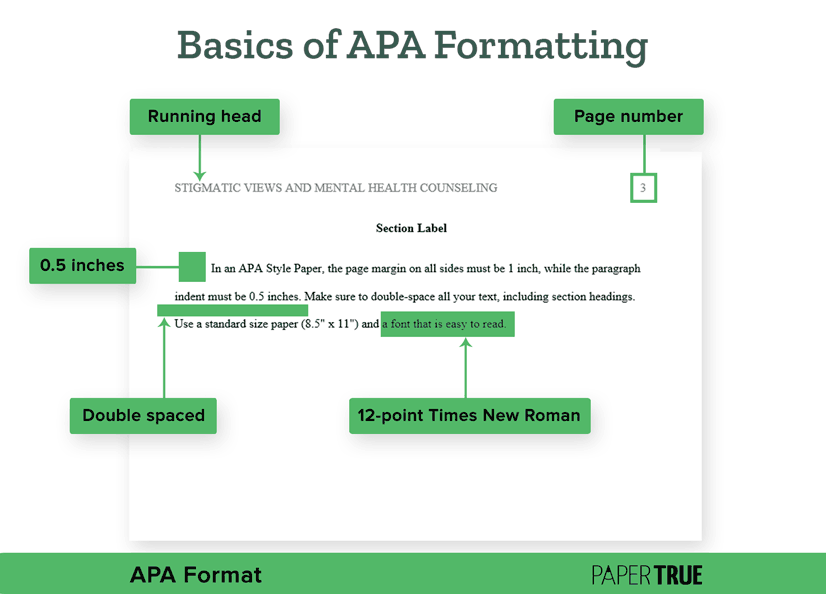
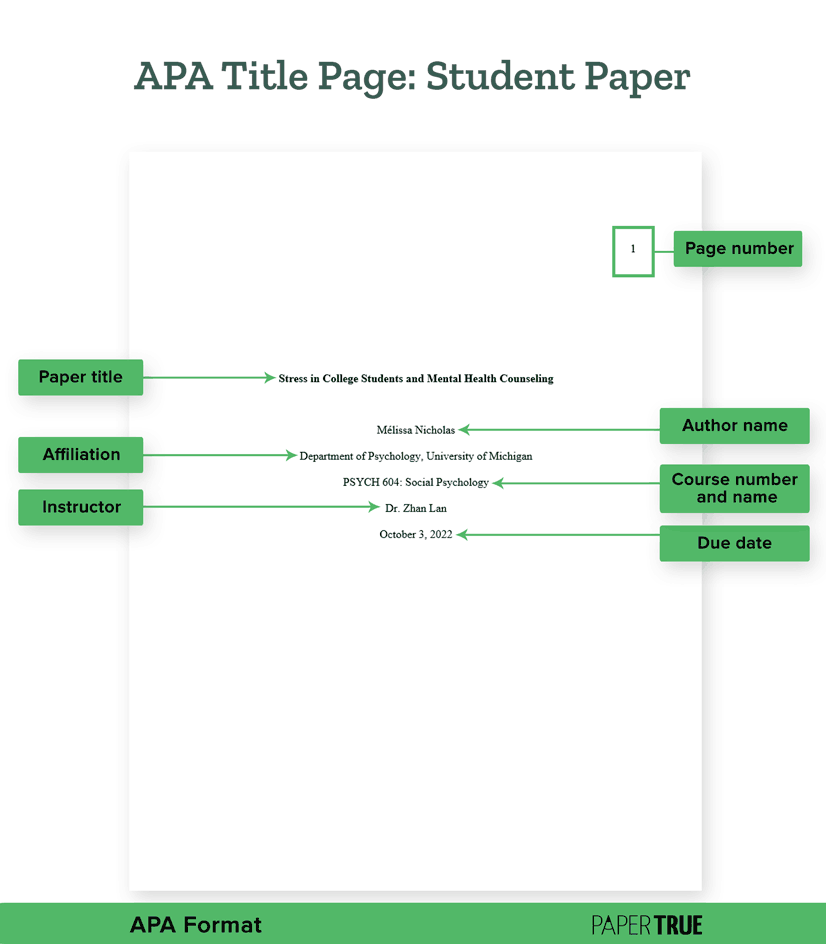
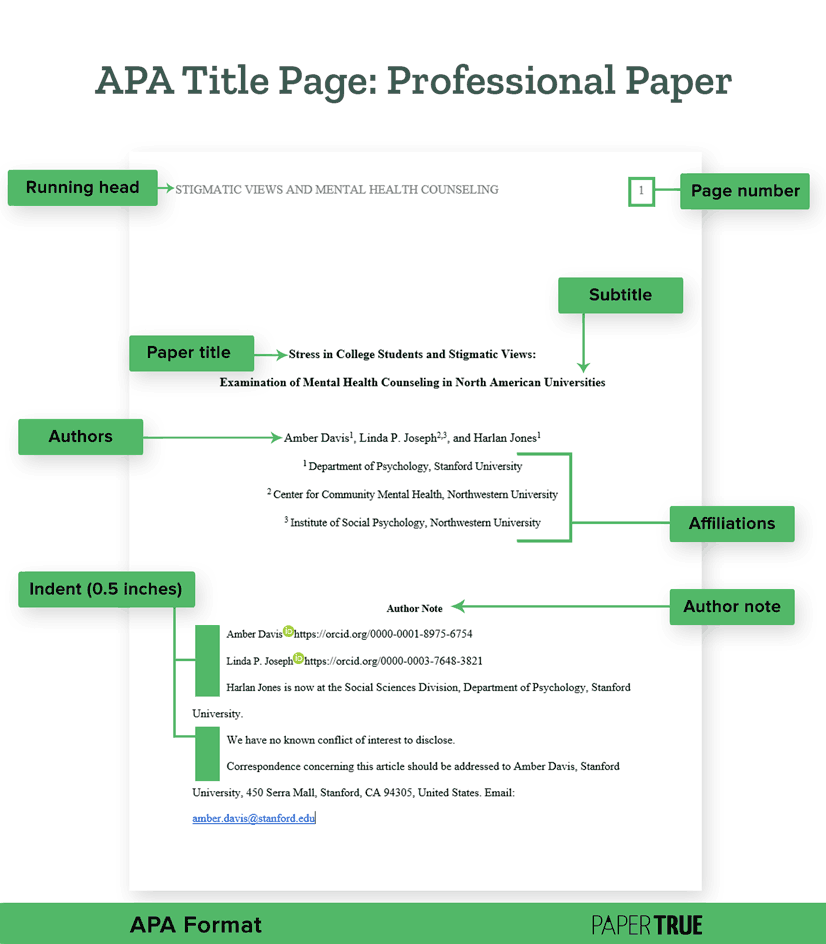
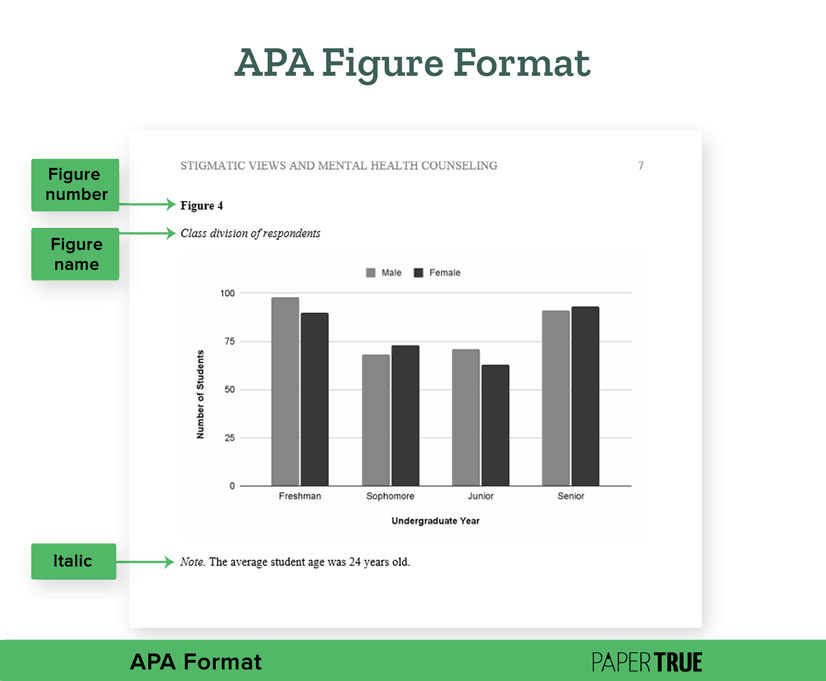
 The Psychology of Money
 When Cal Newport wrote
  Helen Tupper and Sarah Hills team up to create a no-nonsense career guide in
  If you’re looking for an exploration of the digital landscape we find ourselves in, this is the book for you.
  One of the three major Roman Stoics, emperor Marcus Aurelius wrote
  In
In  Released during the pandemic,
  If you want a book of poems to comfort and uplift you at difficult moments, Daniell Koepke has you covered.
  Dr. Julie Smith has condensed years of experience as a clinical psychologist in her bestselling self-help book,
  Now here’s a self-help book for artists! In