Do you have a keen eye for language? Do typos and misplaced punctuation marks stick out to you like a sore thumb? Then you’ll thrive as a proofreader! If you’re interested in finding out how to become a proofreader and where there are jobs for proofreaders from home, read along.
We asked the team members at PaperTrue how they became a proofreader. (“How did I, indeed?” said one of our editors, when asked how proofreading came into their life. “I was picked up straight from college like a plump chicken from a coup for my meat.”) Here’s what we found.
A proofreader checks for errors and inconsistencies in writing. Typically, proofreading is the last step of the editing process, after copyediting and developmental editing, usually reserved for more black-and-white mechanical aspects of your writing.
A proofreader usually checks for:
Mechanical consistency of language (grammar, punctuation, correct spelling, sentence structure)
Here are the most important skills a proofreader should possess:
In-depth knowledge of grammar and punctuation
An understanding of conventions in the English language
The ability to keep up with the various formatting and referencing styles (especially for academic work)
The ability to work independently and keep up with tight deadlines
Don’t feel overwhelmed if you are not familiar with a variety of style sheets and guidelines. If you’re a beginner with no work experience, it’s enough that you have a firm understanding of grammar and punctuation.
In fact, what counts more than anything else is the ability to be meticulous and precise with words. If you have a love for language, but your technical skills aren’t up to par just yet, proofreading is still an excellent career choice for you.
What qualifications do you need to become a proofreader?
Many organizations looking for proofreaders require you to have a Bachelor’s degree, preferably in English, journalism, communications, or relevant fields. That said, anyone in any discipline can become a proofreader as long as they can keep up with the conventions of written language.
Applications usually involve a proofreading test, which is an opportunity for prospective employers to evaluate your language skills and ability to meet a deadline.
Where can you find proofreading jobs?
Proofreading online has become a lucrative occupation, especially in the past few years. There are plenty of opportunities for you to find freelance editing and proofreading jobs.
Here are a few of your options:
If you’re a beginner, get some experience by working at reputed editing and proofreading companies. As an in-house proofreader, you get to work under experienced professionals, work on various documents across subjects and types, and hone your skills.
Apply to companies that hire in-house proofreaders to review the content and documents they produce. This could include marketing content, business and branding documents, annual reports, etc. In an age where many companies put out content to keep up an online presence, this gives you an opportunity to proofread documents that align with your interest and educational background.
Pitch yourself as a freelance proofreader and editor. You can either have a long-term partnership with a company or work on specific projects. Another way to get freelance editing jobs is to set up a profile on platforms like Upwork and Fiverr.
Find opportunities in the publishing industry. Publication houses, magazines, newspapers, and periodicals are also often on the lookout for a professional proofreader to streamline their publication process.
As time goes by, you might find yourself gravitating towards specific kinds of documents, either based on type or interest. If you’re inclined to academia, for instance, you might prefer working on dissertations and theses. Or if you aspire to be in publishing, you might focus on book manuscripts.
In any case, it’s a good idea to carve a niche for yourself. This will not only give you direction on what you like, but also help you find jobs that align with your interests and, more importantly, give you insights about where you can find such jobs.
Tips to become a better proofreader
Whether you’re a beginner or a seasoned proofreader, there’s always room for improvement. As a proofreader, it’s important to keep yourself abreast of changing conventions in writing. For example, if your specialization is in academic proofreading, it might be a good idea for you to keep track of new editions of style guides like APA, MLA, and the Chicago Manual of Style.
Here are some tips to become a better proofreader:
Learn how to read precisely and meticulously.
Read up on referencing and formatting styles.
Brush up on grammar, punctuation, and language conventions (UK/US differences in English, for instance)
Practice your skill by trying to spot errors in books, essays, newspaper clippings, etc.
Help your friends with their homework or writing assignments/material.
Apply to freelance platforms like Upwork or Fiverr for side gigs.
Network with other editors, writers, and proofreaders to keep up with new and evolving language rules.
How to create a proofreading portfolio
The question of how to prove your skill as a proofreader is a good one (especially if you’re lacking experience). Adding it as a skill on your resume or professional platforms is a start, but the task is still to make your pitch credible. Your portfolio should answer the question, “are your editing and proofreading services reliable?”
You can do this via the tracked changes feature on MS Word. The idea is to present before and after versions of a sample document for a prospective client/employer to see how you work.
Flash fiction is like a burst of fireworks, short-lived but creating a lasting impact. If you want to know the basics of flash fiction, this article is for you! In this article, we’ve not only explained what is flash fiction but also given useful tips for creating the best flash fiction.
We’ve also included phenomenal flash fiction examples and described the types of flash fiction. So without further ado, let’s start with a simple flash fiction definition.
Elevate your flash fiction with expert story editing services!
What is flash fiction?
Flash fiction is a short written piece having less than 1500 words. Many flash fiction tales only focus on a single theme and conflict to create an impact. A well-known practice is to include only 1-2 characters in the flash fiction story and focus on them. Following are some of the characteristics of flash fiction:
Experimental- Flash fiction tales often consist of features like non-linear narratives, fragmented style of writing, symbolism, allegory, and combining various genres.
Intriguing twists- Flash fiction tales often involve surprise, unexpected plot turns to create an impact.
Ambiguous endings- To create an effect, flash fiction writers often don’t give the main character a definite conclusion.
Poetic elements- Many flash fiction stories consist of various popular literary devices like simile, metaphor, alliteration, and more that are used in poetry.
Precision- Since flash fiction tales are short, every word is important to convey meaning and engage the readers.
Now that we’ve understood the features of flash fiction, let’s understand its different types. We’ve also added the flash fiction word count for every type.
Types of Flash Fiction
Sudden fiction- Sudden fiction refers to a written piece maximum of 750 words.
Drabble or micro-fiction- These fictional works are of 100 words.
Dribble, also called minisaga- These flash fiction tales consist of a maximum of 50 words.
Twitterature- These are flash fiction stories posted on Twitter that do not contain more than 280 characters.
If you’re excited about crafting short tales, we’ve made it simple for you. Dive in to discover 5 simple steps to create the best flash fiction!
Composing an attractive first sentence is important to hook your readers to read further. Following are some strategies to do this:
Begin the story with an exciting action: For example, He jumped on the moving bus to save his life.
Ask an intriguing question: For example, What if we found the secret to stop time?
Highlight an interesting contradiction: For example; She was physically fragile as a flower but had an iron will.
2. Describe all five senses
This includes adding relevant details about the smells, sounds, tastes, textures, and visuals. Describing all five senses will help to accurately describe the setting of a story. Here are some strategies to describe all five senses in fan fiction:
Use colors and shapes to describe the scene visually.
Combine multiple senses to create an effect. For example, write about the visuals and the sounds in one sentence to create an effect. The line, “Sparks shot up from the crackling bonfire and danced in the air, accompanied by the burning wood’s pungent smell” demonstrates this point.
Link a smell with an emotion or memory and describe how the character feels after inhaling that smell.
3. Experiment with content and structure
Flash fiction is all about having fun and exploring innovative ideas to create a lasting impression. Here are some strategies you can use to experiment while creating flash fiction tales:
Write flash fiction as a shopping list, a report, a letter, a set of instructions, or an email.
Imitate the writing style of your favorite author and add your twist to the tale.
Use an unreliable narrator to create multiple perspectives about the plot and create an effect. Depicting that the narrator is confused about the events in the story can add intrigue to the story.
Use the stream-of-consciousness technique. This technique is an interior monologue where the characters’ actions, thoughts, and flow are expressed in a continuous flow. Here is an example from Virginia Woolf’s Mrs Dalloway:
“Did it matter then, she asked herself, walking towards Bond Street, did it matter that she must inevitably cease completely? All this must go on without her; did she resent it; or did it not become consoling to believe that death ended absolutely?”
In the above example, Mrs. Dalloway’s introspection and her action of walking towards Bond Street are written in continuous flow.
4. Develop a strong plot
Following are some writing techniques you can use to craft a memorable plot and climax:
Use flashbacks to show the character’s motives.
Include foreshadowing within the flash fiction story to anticipate what will soon happen. You can drop hints using dialogue to engage the reader to read further. This technique can be seen in Harry Potter and the Prisoner of Azkaban. In this book, Professor Trelawney predicts Peter Pettigrew’s return and reunion with Voldemort before it’s revealed that the rat Scabbers is Pettigrew.
If your character needs to have an important realization (epiphany), include it before the climax scene.
Creatively use point of view to engage readers- Point of view is the perspective from which the story is narrated. A strategy is to shift between the characters’ points of view. For example, in Jane Austen’s book Pride and Prejudice, there is often a shift in point of view from Elizabeth to Darcy and vice-versa. Here are some quotes to demonstrate this better:
“He began to wish to know more of her, and as a step towards conversing with her himself, attended to her conversation with others.” (Darcy’s point of view)
“In Darcy’s presence, she dared not mention Wickham’s name, but Elizabeth instantly comprehended that he was uppermost in her thoughts, and the various recollections connected with him gave her a moment’s distress…” (Elizabeth’s point of view)
The climax is the most exciting and essential part of a flash fiction story. Following are some strategies to create an unforgettable climax:
Reveal a hidden truth that changes the entire narrative.
Link the climax to the story’s beginning. You can do this by disclosing additional details in the climax related to an incident mentioned in the beginning. For example, in One Hundred Years of Solitude, the climax refers to the scene where Colonel Aureliano Buendía faces the firing squad which is also mentioned toward the beginning of the novel.
Depict a moral dilemma where a character must decide whether to go against their principles to win against the antagonist.
Intensify the action by introducing unforeseen obstacles and emphasizing the urgency to take action to defeat the antagonist.
Withhold important information about the characters till the end to keep the readers hooked to the story.
Now let’s see some of the best examples of flash fiction!
Three amazing flash fiction examples
1. Truth is a Bearded Lady by Stephen Graham Jones
My husband has two hearts. He told me. When he was a kid, sideshow people were always lurking around to kidnap him into the carnival. But he got away each time, just barely. If he hadn’t, we wouldn’t be together right now. But he only tells me about his second heart. His other wife thinks he’s like everybody else. She thinks he just has one heart, and can just love one woman. I know the truth, though. He trusts me with all his secrets. If either of his hearts is bigger, then it’s the one he’s given me.
2. Barnes by Edmundo Paz Soldan
IT WAS ALL a mistake, Barnes understood. Locked in his jail cell. He would proudly stick to the truth. Later, however in a dim room, a blinding light in his eyes, the interrogations began, accusations about assassinating the president, and he pondered his mediocrity, the massive insignificance of his life- and feeling the vain useless weight of importance for the first time, said, yes, he had indeed killed the president. Whereupon he was accused of planting the bomb that killed two hundred eighty-seven soldiers in Tarapaca’s regiment; and all he could do was laugh with contempt, embracing the blame. Later, he confessed without pause to sabotaging the gas line, which left Bolivia wrecked economically, to have started the fire consuming ninety-two percent of Cochabamba’s forested parks, to exploding the four LAB jets mid-flight and raping the daughter of La Paz’s North American ambassador. They would execute him by firing squad at sunrise the next day, they announced. Indeed they should do so: a man like him, he agreed, had no right to live.
3. The Bodyguard by Lydia Davis
He goes with me wherever I go. He has fair hair. He is young and strong. His arms and legs are round and muscular. He is my bodyguard. But he never opens his eyes and never leaves his armchair. Lying deep in the chair, he is carried from place to place, attended, in turn, by his caregivers.
If you’re inspired by these flash fiction tales, don’t hesitate to try and experiment! To stimulate your imagination, here are 20 phenomenal flash fiction prompts!
Twenty amazing flash fiction writing prompts
A book collector finds the first edition of a popular old classic. The ghost of the author resides in the book’s pages.
The execution of a prisoner suddenly stops due to a wizard’s powerful magic.
A girl recognizes a spy in disguise. Suddenly, her life is in danger.
A man suddenly finds out that he is the last living heir of a king and is kidnapped.
A child discovers that he has a strange power to bring paper animals to life.
The haunting tune of a flutist hypnotizes all animals who try to attack a well-known mayor.
A teenager discovers a toy train inside which precious diamonds are hidden.
A scientist discovers a portal to another universe behind a painting.
A comet crashes into a village, attracting an alien who knows a strange secret.
An enchanter brings a dead dragon to life, causing chaos.
A 15-year-old boy realizes that he has the rare power to manipulate the weather.
An old museum unknowingly adds a cursed object to its collection, leading to wrath from an ancient tribe.
A strange parachute lands in a remote, deserted village.
A kid finds a dwarf who can travel to magical lands.
A human helps a witch without knowing her true identity. In return, the witch gives him a doll that can tell him about the future.
A cruel fisherman sees a mermaid and tries to drag her to the shore. The angry mermaid takes revenge.
A lady finds bones while digging in the garden. To her horror, she realizes that a strange noise is coming from the bones.
A journalist falls in love with the son of a terrorist who is running away from his father’s terrorist organization.
An excavator finds an underground tunnel that leads him to the home of a banished God.
A vampire finds a ring that gives him the power to transform into any animal.
After writing flash fiction, the next step is publishing. Here are the 4 basic steps to publish your flash fiction tales.
Four easy steps to publish flash fiction tales
1. Perfectly edit and proofread your tale
This involves removing any unwanted, extra words, improving word choice, and rectifying any spelling mistakes. It also involves checking the story for grammatical errors and inconsistencies in tone and voice. If editing isn’t your strength, you can consider taking our editing and proofreading services.
2. Research publications that publish flash fiction tales
There are various flash fiction contests, literary magazines, and online platforms that accept submissions of short written pieces. By visiting their websites and reading their submission guidelines, you can select the best publication to publish your tale. SmokeLong Quarterly, Wigleaf, 100 Word Story, Flash Fiction Magazine, and Cheap Pop are some literary platforms that accept flash fiction submissions. Some flash fiction writing contests in 2024 are:
The SmokeLong Quarterly Award for Flash Fiction
New Writers Flash Fiction Competition 2024
Bath Flash Fiction Award
The Bumblebee Flash Fiction Contest
3. Format your submissions
This involves ensuring that your submissions follow specific guidelines for the document format, word count, font size, etc. It also includes adhering to guidelines related to the margins, spacing, indenting paragraphs, etc.
4. Create a cover letter (Optional)
Many flash fiction magazines ask to include a cover letter along with the flash fiction submission. A cover letter is a one-page document written to introduce the author and their work. The cover letter includes the following details:
Contact information of the author (name, phone number, email id, social media handles)
Title of the flash fiction story
Word count of the story
Publication details- These include the name of the magazine or publisher
Short introduction as a writer
Alternatively, you can also self-publish your flash fiction tales on various platforms like Amazon, Barnes & Noble, CreateSpace, and more. We also provide various self-publishing services like book typesetting, book cover design, formatting, etc.
Here are some other resources you might find useful:
While the famous saying goes “Don’t judge a book by its cover”, how can we ignore when the best book covers entice us with their amazing colors, patterns, and magnetic displays?We automatically pick up the book wanting to know more about it. Beautiful book covers have been attracting readers and book enthusiasts for years and years.
Bestseller novels and books like The Da Vinci Code and The Alchemist are also known for their famous book covers. The fantastic storylines, powerful elements, and themes depicted on the covers are the things that make a book unforgettable. In this article, we have compiled a list of 50 best book covers of all time from different eras and genres.
1. Pride and Prejudice (The Peacock Edition)
By Jane Austen
The beautiful peacock feathers all across the cover look very enchanting. Illustrated by Hugh Thomson, this cover is one of the many popular book covers designed for this book. The peacock can be seen admiring his flock of feathers proudly. This edition of the book was published in 1894.
2. A Clockwork Orange
By Anthony Burgess
Published in 1962, this book cover announces the movie tie-up with the book. Penguin UK’s first edition of the novel introduced the iconic ‘cog-eyed droog’ book cover, which has since become a widely recognized and famous design. The designer did a clever thing by using a cog as an eye, which cleverly connects to both clockwork and the main character Alex. It went on to become one of the best book covers of all time.
3. The Grapes of Wrath
By John Steinbeck
The cover of this Pulitzer Prize-winning novel depicts the main characters of the story, the Joad family, and how they have to leave their home in search of work. The book cover design showcases themes of the novel like human dignity, injustice, and the strength of community. The cover also represents the challenging times of the Great Depression.
4. American Psycho
By Bret Easton Ellis
The book cover art of this 1991-published book was based on a painting by American illustrator and artist Marshall Arisman, who made the book cover himself. The cover is a haunting representation of Patrick Bateman who is shown without eyes, also depicting a lack of conscience.
A dystopian novel published in 1932, the story is based on a world where people live in a superficial state of happiness. Being one of the best book cover designs, it portrays the aspects of dystopia and technology in the storyline. A peculiar globe can be seen on the cover to represent the futuristic world written in the book.
6. Animorphs – The Stranger
By K. A. Applegate
This well-known fantasy series revolves around 5 humans, the Animorphs, who can turn into any animal they touch. David Mattingly, the artist behind Animorph book covers used a special editing software from the early ’90s, Elastic Reality, to transform children into animals to make captivating book cover art.
7. Fahrenheit 451
By Ray Bradbury
The first cover of this novel published in 1953 was illustrated by Joseph Mugnaini. The cover shows the main character, Guy Montag who burns down houses in which books have been found as a job. The book cover symbolizes fire and paper which are prevailing elements of the story.
8. When You Are Engulfed in Flames
By David Sedaris
The cover shows a literal skeleton smoking a cigarette. It represents the title that comes from a tourist advice card, author Sedaris discovers in Japan, where he’d gone to quit smoking. The first-edition cover was designed by Chip Kidd and features a painting by Vincent van Gogh.
9. Face of an Angel
By Dorothy Eden
The story follows a young woman who moves into an old mansion and discovers its dark and eerie secrets. The themes of this story are exceptionally showcased on the book cover in a gothic lady with a scary backdrop.
10. The Catcher in the Rye
By J. D. Salinger
Illustrated by the author’s friend, E. Michael Mitchell, this iconic cover prominently showcases a horse image. It directs the reader’s focus to the significant symbolism of horses woven throughout the novel.
Need an impressive book cover? We can help!
11. The Divine Comedy
By Dante Alighieri
This appealing book cover signifies Dante’s travels through hell, purgatory, and paradise in an alluring manner. The visuals of hellfire, souls, and free birds very clearly show the three elements. The cover indicates the theme of the poetry within.
12. Psycho
By Robert Bloch
Famous book covers having minimalistic typography are not very common. The cover design of this book by Tony Palladino justifies the horror theme of the book through the distressed texture and ‘cut in the middle’ typography.
13. Frankenstein
By Mary Shelley
Frankenstein has many iconic book covers. One of the best book cover designs is this cover which shows gothic and dark aesthetics featuring the famous monster representing the eerie tone of the book. The scene shows how the monster that Frankenstein created killed his wife.
14. The Great Gatsby
By F. Scott Fitzgerald
This cover features the painting of a face floating above New York City lights by the artist Francis Cugat is one of the most celebrated and best book covers in literature. Gatsby’s misplaced idealism is represented by the renowned green light shown in the form of a descending tear.
15. The Psychopath Test: A Journey Through the Madness Industry
By Jon Ronson
The cover of this 2011-published book depicts the core of the book which is based on the experiment devised to test psychopathic behavior and how the brain works immaculately.
16. Night Shift
By Stephen King
The eerie cover of this book which is a compilation of horror short stories, embraces the book’s scary and unsettling theme. The cover makes it clear to the reader that they are about to embark on a journey into the supernatural and unknown.
17. River Sing Me Home
By Eleanor Shearer
Extremely pretty book covers that make us want to know more about the book are not seen very often. This book cover has beautiful hues of orange, blue, and red with a woman’s silhouette representing the main character of the story, Rachel. Around her are birds, representing freedom, adding a layer of dynamism to the cover.
18. Invisible Man
By Ralph Ellison
The first edition of the book cover was designed by Edward McKnight Kauffer in 1952. The cover incorporates a man appearing to be in shadows and darkness while looking at something in the light. The scene depicts the theme of the book in which the main character, scientist Griffin has learned how to make himself invisible.
19. A Teaspoon of Earth and Sea
By Dina Nayeri
One of the most beautiful covers, it portrays the Earth and Sea in pictorial form as mentioned in the title. The female silhouette depicted as a cave or erosion through which the sea can be viewed is a fascinating representation of an Iranian girl who is the center of this story.
20. A Princess of Mars
By Edgar Rice Burroughs
Frank Frazetta designed the captivating book cover of this science-fiction novel. The red backdrop and brown tones clearly show the setting of the planet Mars. Giant green creatures, a beautiful Martian princess, and the lead character John Carter, direct the readers toward the undeniably interesting plot of this book.
This cover has all the qualities, great book covers have. The philosophical themes, play of light and shadow and the hat picked up in the air evoke a sense of weightlessness or lightness in the viewers’ minds.
22. The Godfather
By Mario Puzo
If you know classic book covers, you surely have seen this cover designed by S. Neil Fujita. Fujita’s famous logo design, which portrays a puppeteer orchestrating events, from, behind the curtain resonates with the concluding moments leading up to the last scene. The cover depicts power and control.
23. The Priory of the Orange Tree
By Samantha Shannon
The alluring elements of best fantasy book covers are incorporated into this cover designed by David Mann and illustrated by Ivan Belikov. The cover shows a beautifully designed orange tree imposed by a magnificent dragon displaying the power, magic, and fantasy in the story within. On the cover is a magnificent beast, the dragon Fyredel, who is a relevant part of the plot.
24. The Wealth of Nations
By Adam Smith
The simple, classic off-white aesthetics of this book cover make it signify the historical relevance of this book. The cover represents the Industrial Revolution that took place in 1750 -1760 in England. Illustrations of people doing manual work with gears on the cover symbolize the industrial processes and the industrial capitalist system. It’s a unique representation of Adam Smith’s ideas about markets, economy, and wealth.
25. The Master and Margarita
By Mikhail Bulgakov
One of the iconic book covers, this cover artistically displays the devil who, accompanied by a black cat comes to Moscow. The depiction tastefully showcases how the boundaries between the good and the evil are often blurred. The illustrator of this 2016 cover was Christopher Conn Askew.
26. The Maiden
By Kate Foster
Based on a real-life case, The Maiden’s book cover has all the elements of beautiful book covers. Setting the historical thriller theme of the book, the backdrop with vines, plants, flowers and peacocks amidst the deep blue shade tells that the story might be more than what meets the eye.
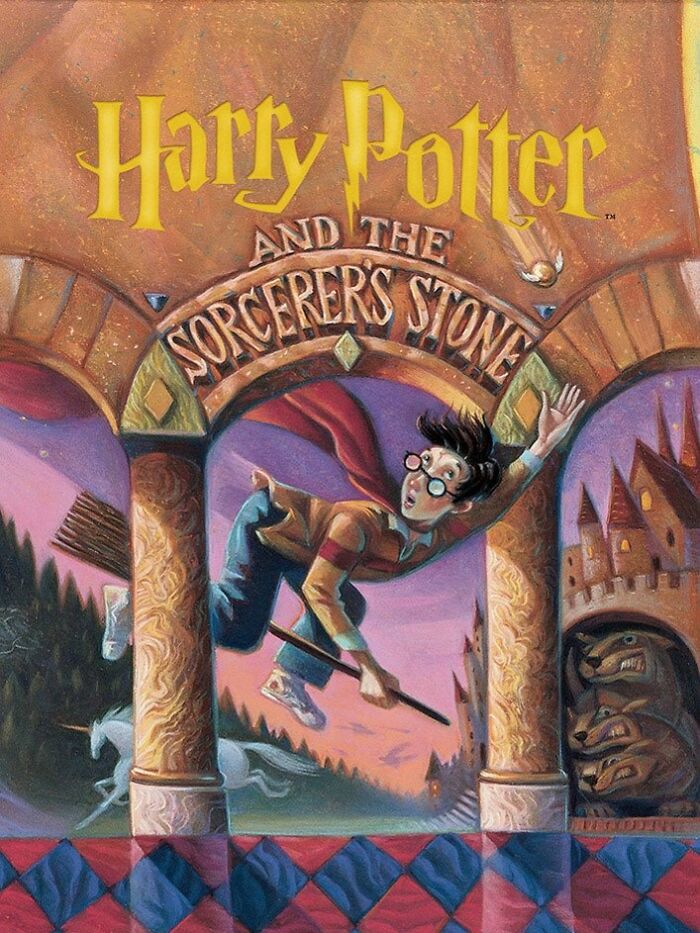
27. Harry Potter and the Sorcerer’s Stone
By J.K. Rowling
One of the most famous book covers of all time, this cover is well-known by people of all ages. The cover reveals an iconic scene from the fictional book, Harry Potter playing Quidditch. Harry floating on the broomstick with Hogwarts in the background gives all the feels of magic, fantasy, mystery, and adventure to the readers.
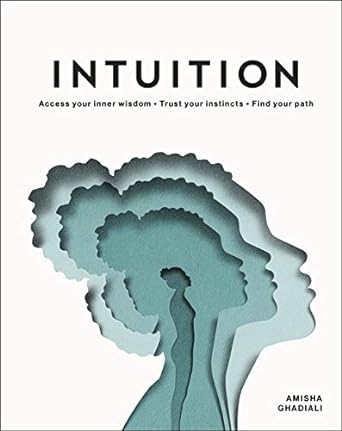
28. Intuition: Access your inner wisdom. Trust your instincts. Find your path.
By Amisha Ghadiali
Tuning your inner self to develop your mental, emotional, and spiritual awareness is the theme comprehensible from the artistic and mindfully designed cover. Illustrated by Eiko Ojala, this book cover is an amalgamation of different shades of blue drawing out a woman’s silhouette. The cover has elements required to be the best book cover design.
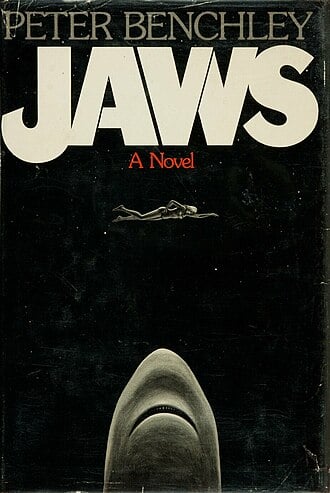
29. Jaws
By Peter Benchley
Designed by artist Paul Bacon, the original hardcover first came out in 1975. This legendary black-hued cover chills our spines. The unaware swimmer in dark water and the monster killer shark approaching silently are what nightmares are made of.
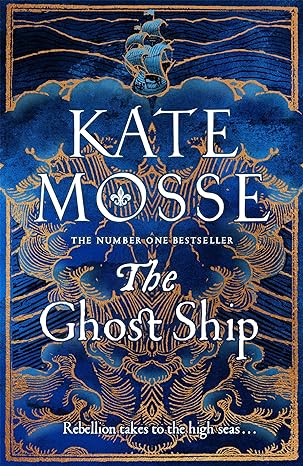
30. The Ghost Ship
By Kate Mosse
Beautiful illustrations of the ship, dark blue colored background, and drawings of sea waves smoothly paint a picture of the aquatic setting of the story. The dark hues on the cover convey the piracy, mystery, and revenge themes in the book to the readers.
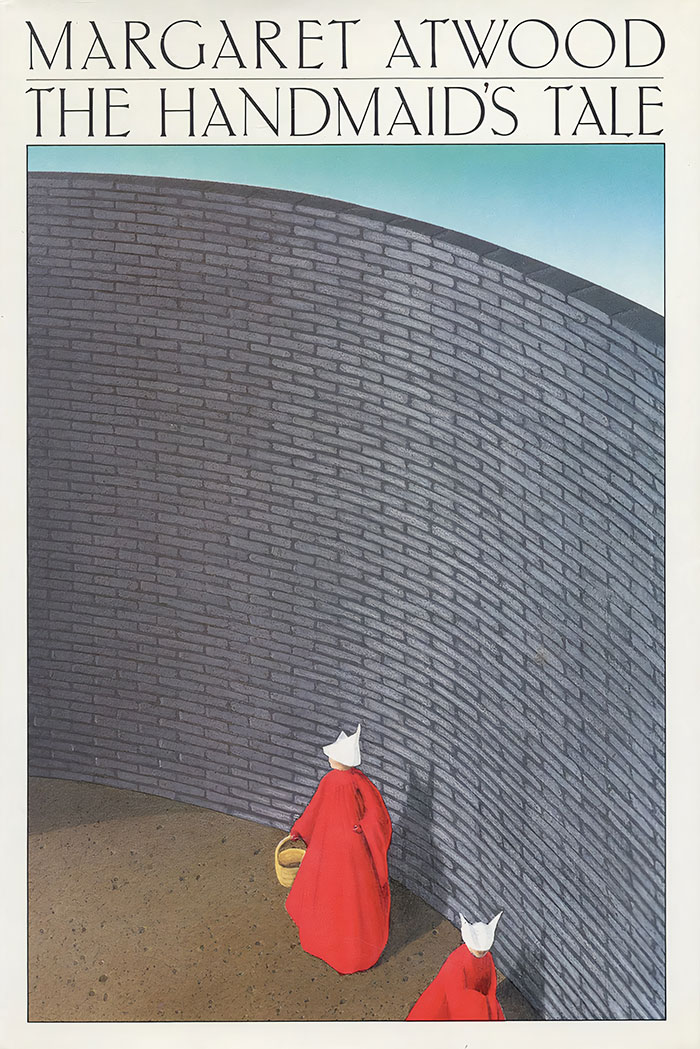
Very prominent in the story and covering half the book cover space, is a very tall wall. It stands out compared to the smaller human figures below. This strongly shows that the wall is impossible to overcome, representing how the handmaids are trapped both physically and mentally. This striking cover was published in 1986.
32. Instructions for a Funeral
By David Means
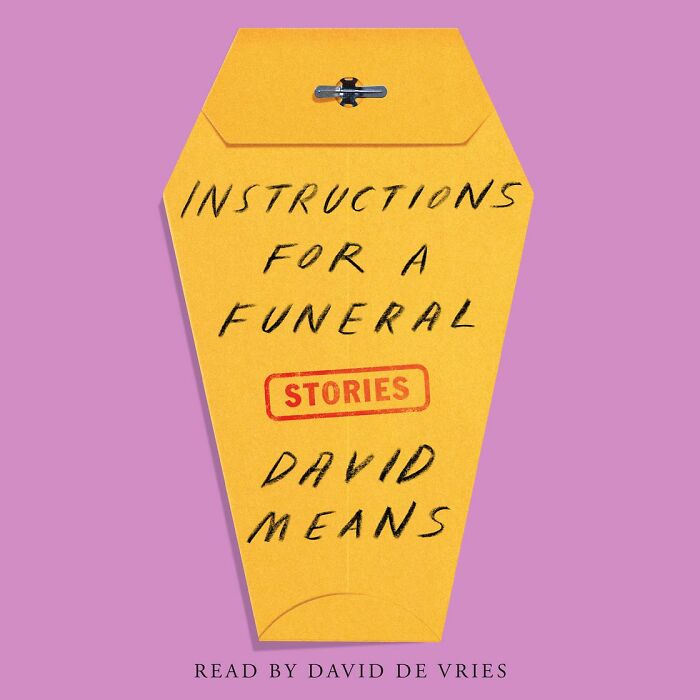
The coffin-shaped letter cover is more than enough to gain relevance with the title. A creative and genius way to show the short story with the same title in the book. When asked about the title, the author said that the story itself has nothing to do with the title.
33. Jurassic Park
By Michael Crichton
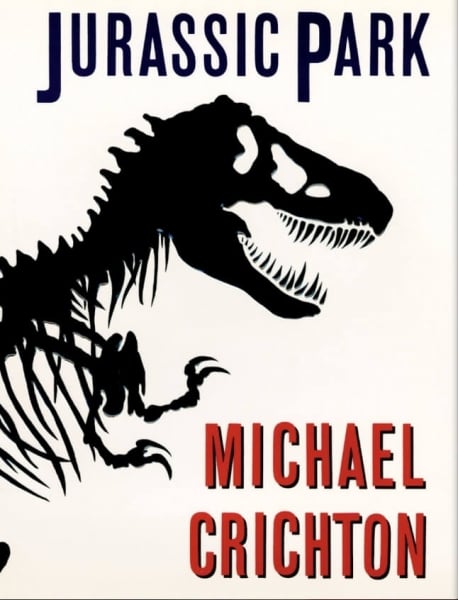
Designer Chip Kidd’s dream assignment, this iconic book cover tells its own story. Creating an atmosphere of thrill, fear, and awe, the book cover features a T-Rex Skeleton which points towards the narrative within the novel. The dark black skeleton and title of the book against the plain white background create a striking contrast.
34. Labyrinths: Selected Stories & Other Writings
By Jorge Luis Borges
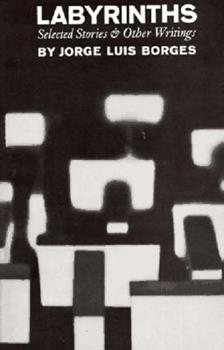
The intricate and mysterious play of shadow and light on this iconic book cover is what makes the book, thought-provoking. The cover design displaying the labyrinthine patterns, is as enigmatic as the book itself.
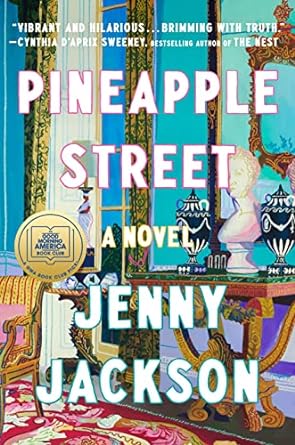
35. Pineapple Street
By Jenny Jackson
The novel revolves around a family with old money, living in New York City. The fun and captivating, colorful illustrations on the cover take the readers on a ride to the vibrantly decorated household of the family in the story.
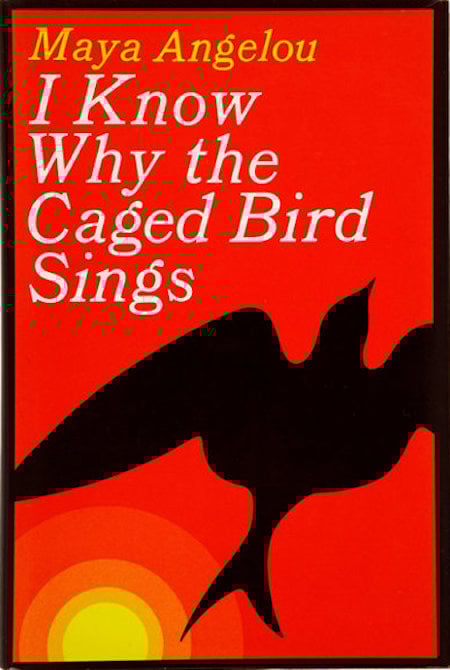
36. I Know Why the Caged Bird Sings
By Maya Angelou
A free bird flying in the sunrise hues gives a sense of freedom, exploration, and resilience which the novel follows. The different shades of red and yellow add depth to the design. This cover design showcases a symbolic representation.
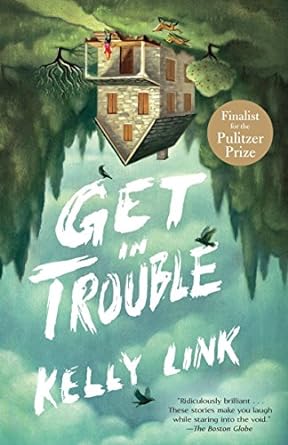
37. Get in Trouble
By Kelly Link
The cover art reflects the magical and extraordinary feel of Link’s short stories. It often shows a surreal image of an upside-down scene that suggests something unusual or otherworldly, pulling readers into the book’s world of unique and engaging stories.
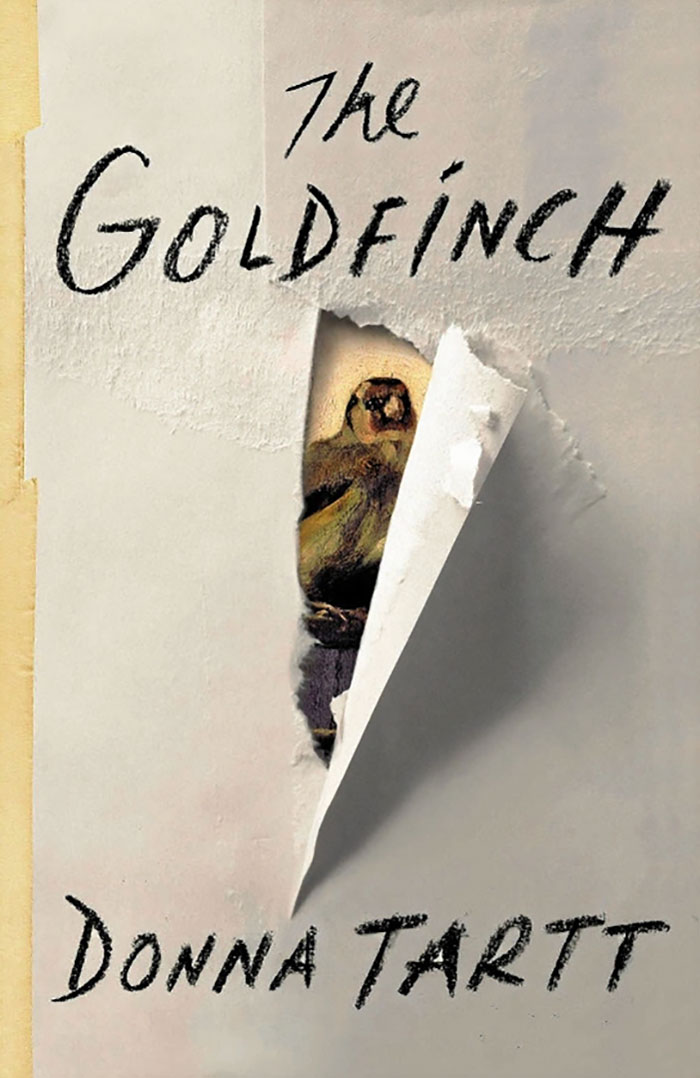
38. Goldfinch
By Donna Tartt
Based on the original 1654 painting, The Goldfinch by Carel Fabritius, this is one of the best book covers of all time. According to the story, the main character steals the painting and hides it in a paper. The cover visual distinctly shows a part of the painting which is visible through a small tear in the wrapped paper.
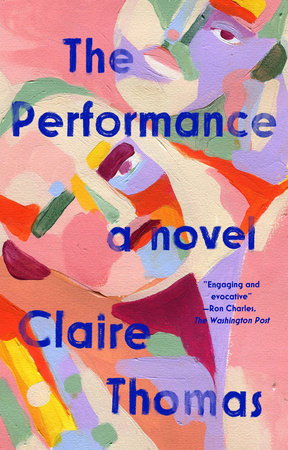
39. The Performance
By Claire Thomas
The Performance is a novel that explores the lives of three women who go to a theatre to see a play. The unique play of colors with the faces depicts the different shades of the women’s characters and the theatre reference is visible. It shows an abstract formalism.
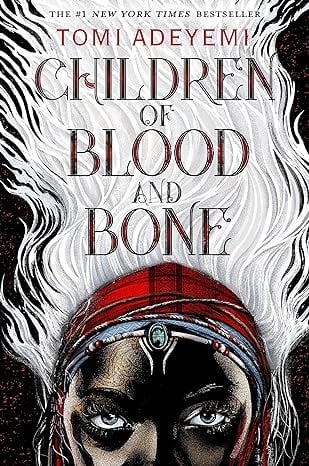
40. Children of Blood and Bone
By Tomi Adeyemi
The book presents a world of magic, power, and danger. Rich Deas designed the cover to reflect the resilience, beauty, and Black heritage of the main young character. The white hair symbolizes Maji, a citizen who can summon magical powers. The cover offers a sneak peek at important issues like racism, oppression, and inner strength.
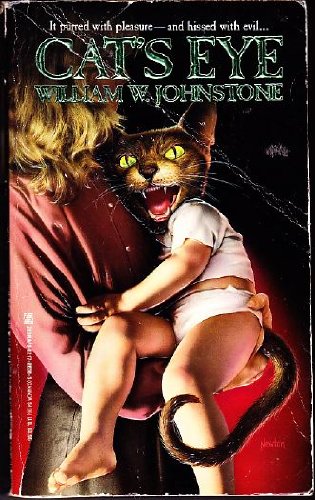
41. Cat’s Eye
By William W. Johnstone
The creepy book cover by Richard Newton shows a cat’s face on a child’s body who is in the arms of a woman. The eerie cat-baby and its ferocious expression with the big green eyes send chills down our spines. It is quite evident from the cover that horror, supernatural, and thrill are the themes of this story.
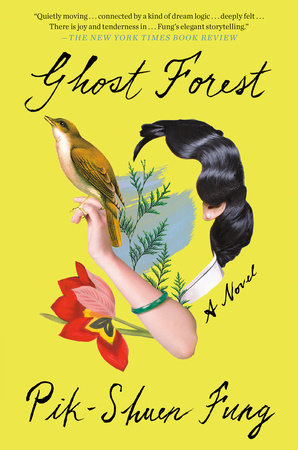
42. Ghost Forest
By Pik-Shuen Fung
The soft colors and symbols used on the cover show the cultural influences in the book. The undrawn face also illuminates a sense of an incomplete identity. It’s a gentle but strong picture that brings you into the artist’s feelings, giving you a hint of the moving stories you’ll find inside the graphic novel.
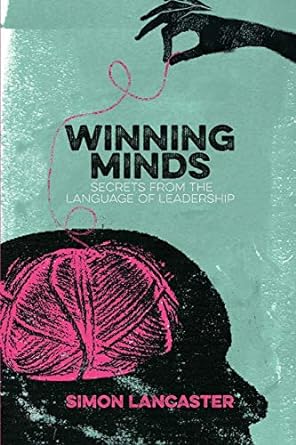
43. Winning Minds: Secrets From the Language of Leadership
By Simon Lancaster
The brain is the most complicated organ of the human body. These intricate details of the brain are represented by a tangled ball of yarn. A hand pulling the string from this yarn is trying to unwind a mess and show the influence of neuroscience.
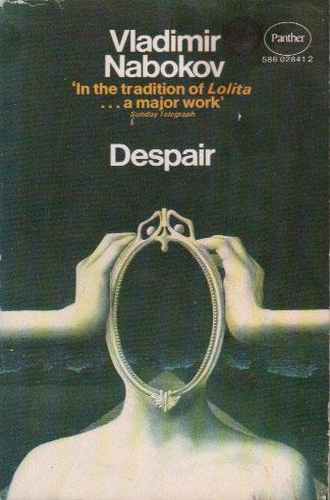
44. Despair
By Vladimir Nabokov
This strange book cover serves as a visual gateway into the unsettling, dark, and mysterious themes of the book. The uncanny image of a human body with a disfigured face attracts the reader’s attention quite quickly. The cover was designed by John Holmes who was known for his captivating style.
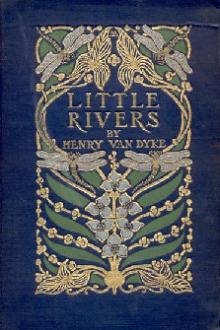
45. Little Rivers: A Book of Essays in Profitable Idleness
By Henry Van Dyke
This cover falls into the pretty book covers category. The dark blue background and the beautiful natural elements like fireflies, vines, and flowers in golden and green embellishments are a reflection of the book’s essence.
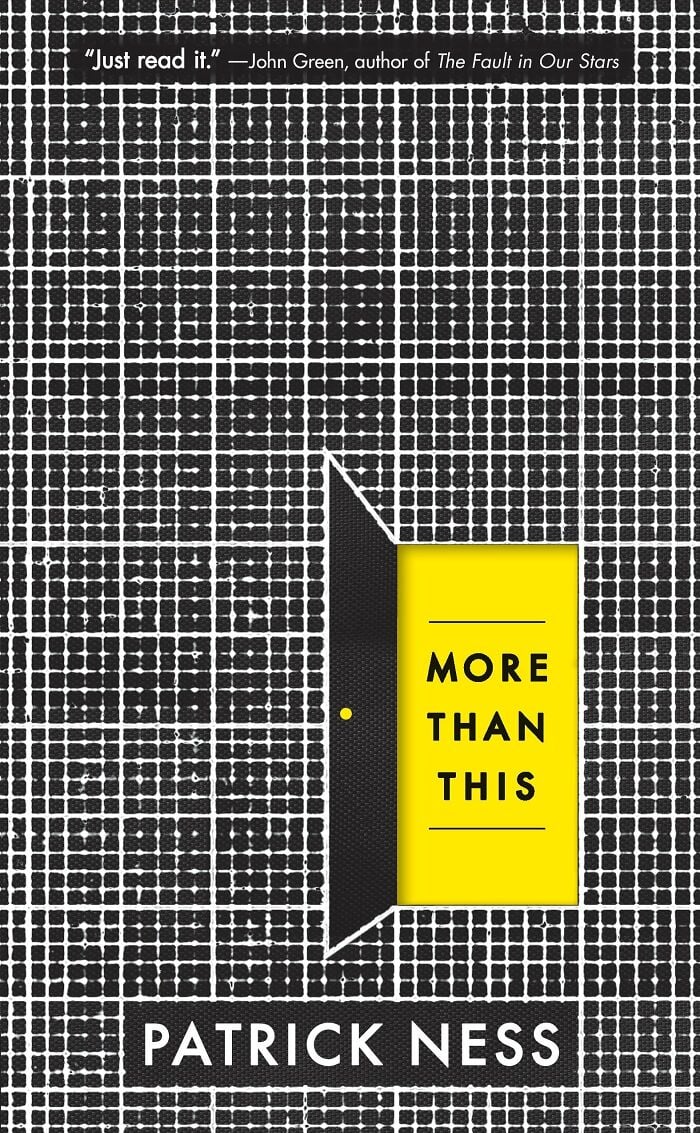
46. More Than This
By Patrick Ness
The yellow door amidst the cross pattern in the background symbolizes the death of the main character. Surprisingly, yellow symbolizes death and the novel makes us think about what being alive means. This strikingly variable book cover piques the interest of the viewers.
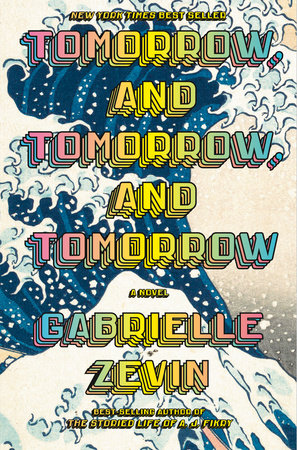
47. Tomorrow, and Tomorrow, and Tomorrow
By Gabrielle Zevin
This book, written by the popular author Gabrielle Zevin, comes with a captivating book cover. The book’s title stands out on the cover in bright yellow, pink, and blue, giving a lively and optimistic feel. The vibrant background with a dynamic wave illustration perfectly represents the video game design base of the story. Also, the similarity in the font colors represents second chances.
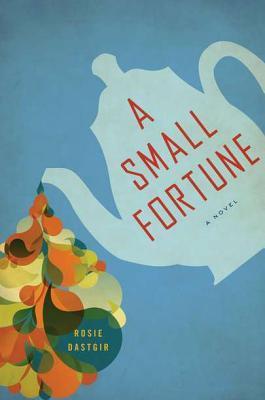
48. A Small Fortune
By Rosie Dastgir
Designed by Nicole LaRoche in 2012, this book has a minimalistic book cover design. A beautiful, fresh shade of blue as the background, and a kettle pouring colorful drops of what can be deciphered as tea show the different shades of the human life depicted in the story.
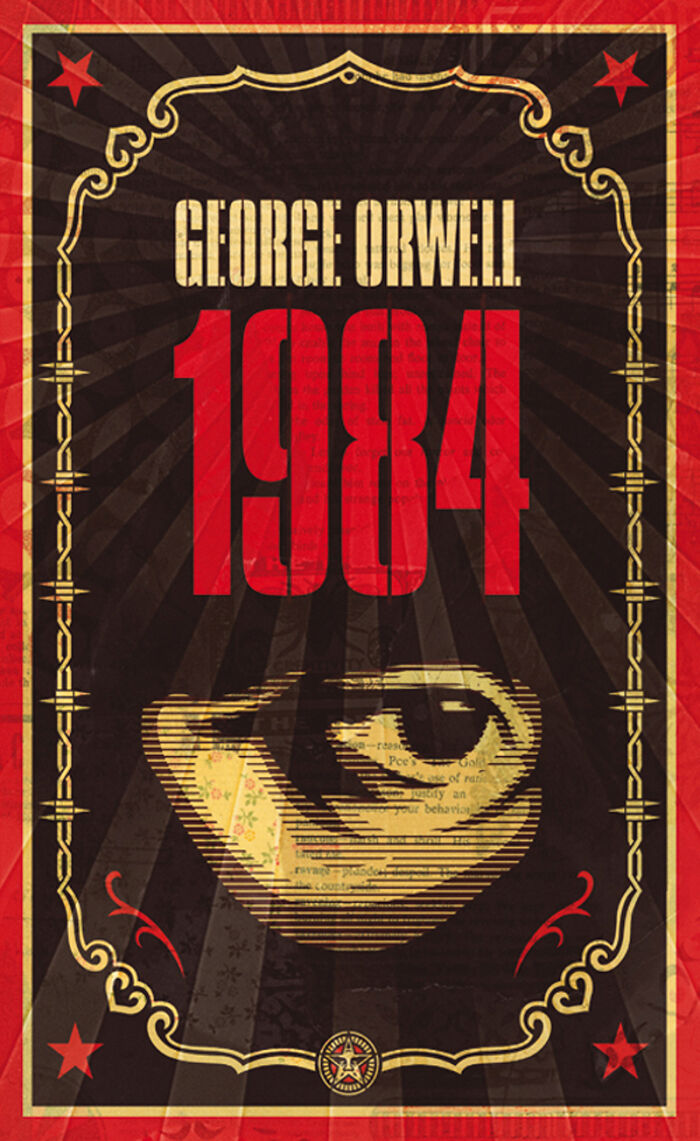
49. 1984
By George Orwell
The mystical eye illustration in dark shadows and the use of black and red colors make it a bold display. The eye symbolizes the idea that “Big Brother is watching,” indicating how the government keeps an eye on citizens, watching their actions and words to avoid any political rebellion. Designed by Shepard Fairey, this book cover captures the essence of George Orwell’s dystopian classic.
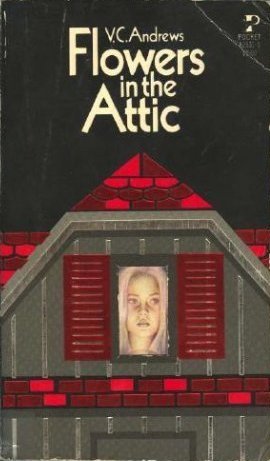
50. Flowers in the Attic
By V.C. Andrews
A house with a captivating girl, Cathy peering from an attic window, a striking image makes this one of the best covers of the book world. The scared expression on her gives us the sense of being trapped. This unsettling cover perfectly echoes the haunting and dark themes of the story and attracts readers.
We hope you are inspired by these book covers to make your own. Book cover design contains complex processes and an artistic vision which can be tricky. But if you need help in creating an enthralling cover for your book, professional self-publishing services are always there.
Here are some more resources that you might find useful:
From Wonderland in Alice in Wonderland to Hogwarts Castle, settings have charmed readers with their magic. A well-crafted setting intrigues readers and establishes a connection to the story. In this article, we’ll understand what does setting mean in a story with amazing examples from literature.
Perfect your setting with our story editing services!
We’ve also provided practical tips to create the best story setting. So without further delay, let’s begin!
What is the setting of a story?
A setting is the geographical location and the time when the story takes place. It can also include the weather, historical, and political aspects of the location. The setting can be imaginary or realistic.
Following are some of the different types of settings:
Social setting- Social setting refers to the customs, traditions, beliefs, and social structure of the location.
Emotional setting- Emotional setting means the mood and atmosphere created by the setting.
Symbolic setting- Symbolic setting is when the setting reflects abstract concepts and has a greater thematic significance. The island in William Golding’s The Lord of the Flies can be considered a symbolic setting, representing various themes like isolation, freedom, chaos, and loss of innocence.
To understand what is the setting of a story, let’s see 3 phenomenal examples of book settings!
Top 3 story setting examples from literary works
1. Hogwarts Castle in the Harry Potter series
“Harry had never even imagined such a strange and splendid place. It was lit by thousands and thousands of candles which were floating in mid-air over four long tables, where the rest of the students were sitting. These tables were laid with glittering golden plates and goblets. At the top of the Hall was another long table where the teachers were sitting. Professor McGonagall led the first-years up here, so that they came to a halt in a line facing the other students, with the teachers behind them. The hundreds of faces staring at them looked like pale lanterns in the flickering candlelight.”
2. Wonderland in Alice in Wonderland by Lewis Caroll
“Suddenly, she came upon a three-legged table, all made of solid glass; there was nothing on it except a tiny golden key, and Alice’s first thought was that it might not belong to one of the doors on the hall; but, alas! either the locks were too large, or the key was too small, but at any rate, it would not open any of them. However, on the second time round, she came upon a low curtain she had not noticed before, and behind it was a little door about fifteen inches high: she tried the little golden key in the lock, and to her great delight, it fitted! Alice opened the door and found that it led to a small passage into the loveliest garden you ever saw.”
3. Wuthering Heights by Emily Bronte
“On the morrow, one could hardly imagine that there had been three weeks of summer: the primroses and crocuses were hidden under wintry drifts; the larks were silent, the young leaves of the early trees smitten and blackened. And dreary, and chill, and dismal, that morrow did creep over! My master kept his room; I took possession of the lonely parlour, converting it into a nursery: and there I was, sitting with the moaning doll of a child laid on my knee; rocking it to and fro, and watching, meanwhile, the still driving flakes build up the uncurtained window, when the door opened, and some person entered, out of breath and laughing!”
The above story setting examples clearly demonstrate what is the setting in a story. Dive in to learn about 7 amazing tips to create a memorable setting for your story!
7 practical tips to craft the perfect setting for your story
1. Use literary devices to create engaging settings
Literary devices draw readers into the world of your characters, helping them visualize the setting. They not only create an atmosphere and tone for the story but also depict emotions related to the setting. Some of the popular literary devices which you can use while creating a setting are:
Simile- A simile is the comparison of two ideas using the words ‘like’ or ‘as’. The line, “The stars scattered across the sky like diamonds on black velvet” from The Great Gatsby is an example of a simile.
Personification- Personification involves giving human characteristics to non-living entities. In Life of Pi the line, “The moon danced across the water, casting shimmering reflections” is an example of personification.
Symbolism- Symbolism involves using words to represent broader ideas, concepts, and meanings. The line, “The lighthouse stood tall on the cliff, symbolizing guidance and hope in the midst of darkness” from the novel To the Lighthouse reflects symbolism.
Juxtaposition- Juxtaposition means placing two completely different, contrasting ideas next to each other. The line, “The opulent palace overlooked the impoverished village, highlighting the divide between wealth and poverty” from A Song of Ice and Fire series illustrates juxtaposition.
Onomatopoeia- Onomatopoeia is the use of words representing sounds to create an effect. The line, “The fire crackled and popped, sending sparks dancing into the night” from The Lord of the Flies is an example of onomatopoeia.
2. Show, don’t tell
This technique involves demonstrating actions, motives, moods, and scenes through vivid language instead of directly stating them. Effectively implementing this technique helps readers connect with the setting and enhances their experience. Here is an example of this principle in The Adventure of the Blue Carbuncle featuring Sherlock Holmes and Dr Watson:
“I seated myself in his armchair and warmed my hands before his crackling fire, for a sharp frost had set in, and the windows were thick with the ice crystals.”
Instead of plainly stating that it was snowing and the room had an armchair and a fire, the sentence helps readers effectively visualize the scene. This helps readers to relate to the scene.
Following are some strategies you can effectively use to implement this technique:
Use words to describe the tastes, sounds, smells, textures, and visuals related to the setting.
Focus on revealing details like motives through the character’s actions instead of directly stating them.
Include flashbacks to disclose the character’s backstory and add depth to the character.
Describe the character’s body language and posture to reveal what the character is feeling and their attitude.
Depict the character’s inner struggle and conflict by using internal monologue.
3. Use different punctuations and varied sentence structure
Using a variety of punctuation and a mix of long and short sentences makes the setting description refreshing to read. Here is an example from C.S Lewis’s The Lion, the Witch & the Wardrobe:
The castle of Cair Paravel on its little hill towered up above them; before them were the sands, with rocks and little pools of salt water, and seaweed, and The smell of the sea and long miles of bluish-green waves breaking forever and ever on the beach. And oh, the cry of the seagulls! Have you heard it? Can you remember?
In the above example, the use of different punctuation and the combination of long and short sentences makes the description attractive to read.
This is an effective technique, especially if you are writing realistic, historical fiction stories. For example, if your setting is about the 19th century, see a movie that was released in the 19th century, similar to the genre you are writing about. Observe details such as the clothing, traditions, and language in the movie. This will help you to imagine and create a memorable setting for your story.
5. Describe the climate to reflect the story’s atmosphere
While a serene climate in a setting can indicate peace, a stormy climate can depict danger and conflict. Here are some examples of how you can use climate in the setting in a story:
Fog- This element can be used to depict uncertainty, and mystery and create a sense of foreboding.For example:
“I have said that over the great Grimpen Mire there hung a dense, white fog. It was drifting slowly in our direction and banked itself up like a wall on that side of us, low but thick and well-defined. The moon shone on it, and it looked like a great shimmering ice field, with the heads of the distant tors as rocks borne upon its surface.”
– The Hound of the Baskervilles by Arthur Conan Doyle
Sunlight- Sunlight can be described as signifying hope, warmth, nostalgia, and closure after a life-changing event. For example:
“Holden Caulfield found solace in the warmth of the sunlight filtering through the museum windows, offering a momentary escape and a glimmer of hope.”
– The Catcher in the Rye by J.D Salinger
Here, the sunlight symbolizes hope.
Rain and storms- These elements can be added to the setting to show chaos, conflict, turbulence, passion, and danger. Let’s see an example of how the storm is described in the setting of a story.
“The tempest roared and the sea raged, echoing Ahab’s inner turmoil.”
– Moby Dick by Herman Melville
Here, the tempest reflects Captain Ahab’s inner conflict.
Snow- This element can be used to show beauty, isolation, peace, and resilience in a setting.
“The snow-covered landscape, desolate and unforgiving, mirrored the father and son’s unwavering determination to survive in a harsh post-apocalyptic world.”
– The Road by Cormac McCarthy
Here, the description of the snow symbolizes isolation and the father-son duo’s resilience amidst harsh reality.
6. Visit the place you want to write about
You can visit the place and note down all the details you want in the setting in a story. You can also ask a local guide to know more about the history and culture of the place. This will help you to understand which details will help you enhance your setting.
7. Write in fragments to focus on specific concepts and theme
This is a good strategy to draw the reader’s attention to a particular theme or concept in the story. Here is an example from George Orwell’s famous novel 1984:
It was an enormous pyramidal structure of glittering white concrete, soaring up, terrace after terrace, 300 meters into the air. From where Winston stood it was just possible to read, picked out on its white face in elegant lettering, the three slogans of the Party:
WAR IS PEACE
FREEDOM IS SLAVERY
IGNORANCE IS STRENGTH
The above description is of the Ministry of Truth in 1984. In this example, the lines referring to freedom, war, and ignorance are written in fragments to focus on the objectives of the totalitarian party.
8. Bonus section: additional tips to create the perfect setting!
Use Google Streetview’s app to decide the names of streets and ideal location details.
To create a fantasy setting, you can use Story Shack’s map generator. Story Shack is one of the top writing prompt generators.
Create a setting that reflects the character’s state of mind. For example, scattered objects in a house can reflect a person’s chaotic state of mind.
Use contrasts between opposing ideas within the setting to create intrigue. The best example of this can be seen in Charles Dicken’s A Tale of Two Cities. Here is an example:
“It was the best of times, it was the worst of times, it was the age of wisdom, it was the age of foolishness, it was the epoch of belief, it was the epoch of incredulity, it was the season of light, it was the season of darkness, it was the spring of hope, it was the winter of despair.”
In the above example, the contrast between opposing ideas like best and worst, light and darkness makes the description engaging.
While these tips might have set the wheels of your mind churning, this is not enough. You need to note down details that can play a vital role in your setting. Dive in to learn more about five simple but effective exercises to create the perfect setting!
This involves writing down the first part of the sentence and finding creative options for the last part of the sentence. You can also use a thesaurus to find engaging phrases and words to come up with the sentence.
Here are creative options for the last part of the incomplete sentence: The room was…
The room was dark and filled with stuffiness that reminded one of the 54-year-old vet who had passed away in that room.
The room’s yellow wallpaper was not only a symbol of creativity but a reminder of John’s painful death.
Writing 3-4 alternatives for every incomplete sentence will help you to create your perfect setting.
2. Create a mind-map
Drawing a mindmap of various aspects of the setting can help you describe the setting accurately. Starting with the physical features of the setting, you can create branches describing the weather, climate, culture, history, and sensory details.
3. Give yourself a creative paragraph writing challenge
This involves dividing aspects of the setting into various categories like culture, architecture, food, nature, history, and climate and describing every aspect in a 5-10 sentence paragraph. Here are some strategies to make it more challenging for you and boost creativity:
Decide a specific word count for the challenge.
Use at least one literary device while writing the paragraph.
Use more than one punctuation and a variety of sentence structures (short and long sentences).
Instead of following the normal Subject + Verb+ Object sentence structure, include sentences that divert from the structure.
4. Use setting generators to spark your creativity
A simple strategy is to generate settings and choose phrases related to those settings to create setting descriptions. Springhole, RanGen, Seventh Sanctum, Hiveword, and Writing Exercises are some examples of well-known setting generators.
This method involves creating a list of questions and answering them from the character’s point of view. A strategy is to form questions related to all five senses (seeing, touching, tasting, smelling, and hearing). This will help you to describe all these five senses in your setting. Let’s assume the name of the main protagonist is Anna. Here are examples of some questions you can formulate:
How does the setting play an important role in Anna’s life?
How does Anna feel about the setting? Is she happy or does she feel discomfort due to the setting?
What details about the setting does Anna remember the most?
What are the cultural, social, and historical aspects of the setting which affect Anna?
How does Anna react to the setting? Does she try to run away from the setting or does she attempt to adjust in the setting?
Does the setting reflect hope, closure, sadness, or pain for Anna towards the end of the novel?
What does Anna find unique about the setting?
In the setting, what does Anna see, taste, smell, touch, or hear?
You can also maintain a journal where you describe your character’s interactions with your setting.
Now that you know what is a setting of a story, you can use the exercises to create a memorable setting. Don’t hesitate to jot down all the details for the perfect setting. Once you’ve created your setting and completed your story, the next step is to edit your story. As providers of editing and proofreading services, we’d love to help you perfect your story!
Here are some other resources to take your storytelling to the next level:
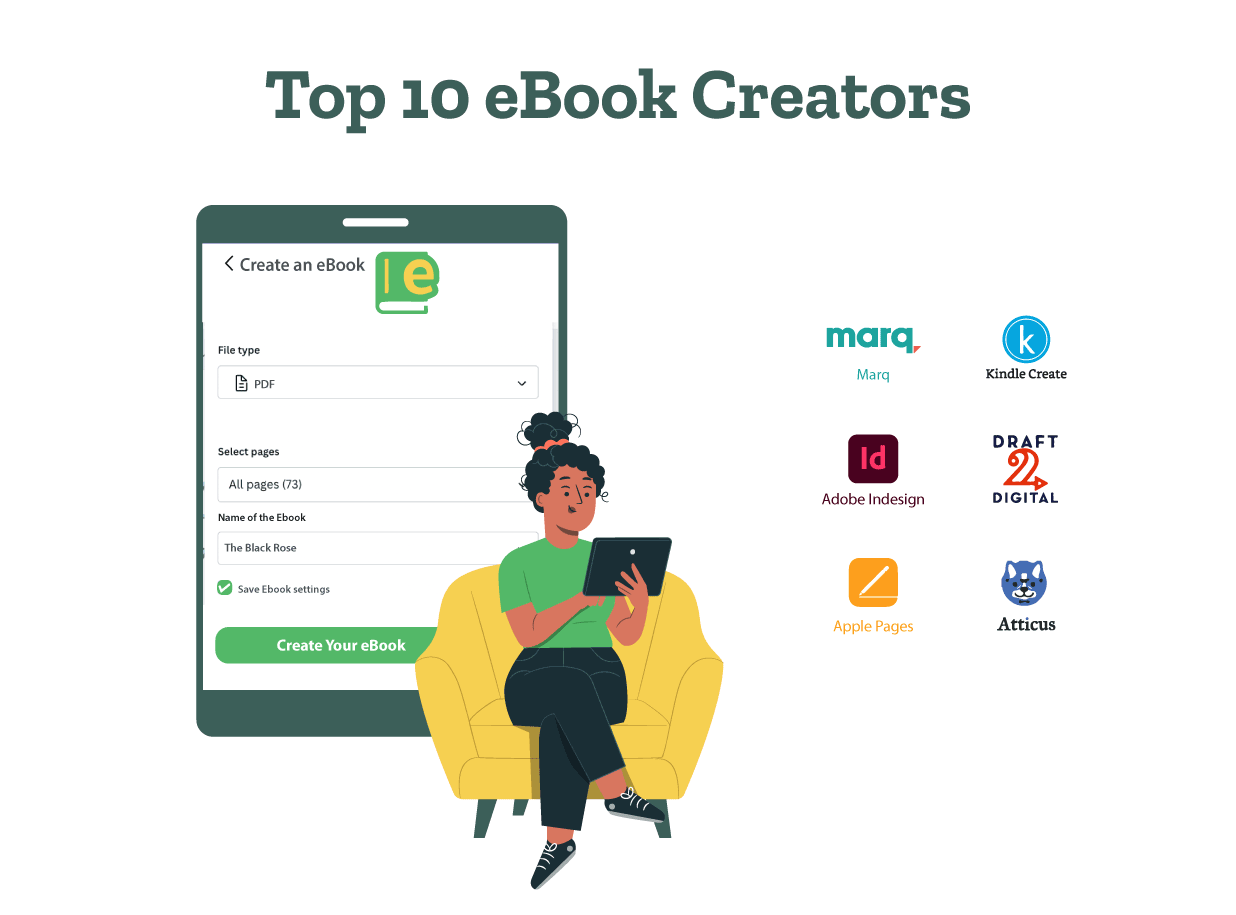
If you want to become a self-published writer, you need to start by creating an eBook. It’s a much easier process than creating print books, making it the logical first step for new writers. You can do this using any eBook creator, but which is the best eBook software out there?
A recent study by the Pew Research Center found that over 33% of Americans read eBooks! If you want to tap into this audience, your eBook has to be polished and well-formatted. But do you need a paid tool to achieve this or is a free eBook creator just as good? Let’s find out.
Want to publish your eBook? We can help!
Here are the ten best eBook creator software in 2024:
Apple Pages
Kindle Create
Draft2Digital
Atticus
Scrivener
Adobe InDesign
Google Docs
Microsoft Word
Marq
FlipHTML5
As you may have noticed, most tools in this list of the best eBook creators are free or offer a free plan. After all, if you can afford to spend on interior formatting, it’s better to use it on hiring an expert typesetter. When self-publishing your book, try to spend either your time or your money on a process, not both!
We’ve ranked the eBook creation software in this list according to ease of access, pricing, and widespread usage. Without further ado, let’s get started!
The Apple equivalent of Microsoft Word, this eBook creator is perfect for new writers who use a Mac or iPad. It allows you to create a PDF or EPUB file which is compatible with iBooks as well as most other platforms. Pages also let you publish your book on iBooks from the “export” option.
With Pages, you can decide whether you want a reflowable or fixed layout for your book and check the relevant options and limitations. Apple recommends using a reflowable layout for text-heavy books and a fixed layout for graphic-heavy books. The app is installed on all Mac devices by default and non-Apple users can get free web-only access via iCloud. The latter, though, may just be more trouble than it’s worth!
Developed specifically for use with Amazon KDP, Kindle Create is a free eBook software available for both Mac and PC. It works best for text-heavy books with images, but can also create cookbooks or travel guides. The software will soon introduce comic eBooks with a guided view, which will animate panel-to-panel movement to move the story forward.
Kindle Create does have a few limitations, though: Mainly, you can only use it to publish with KDP. Further, the eBook creator doesn’t yet support image captions and text editing for sections with complex formatting. However, it’s still a great option for new writers who want to begin publishing their books with KDP.
Primarily known as a book distributor, Draft2Digital also offers completely free eBook formatting software. It features a wide variety of eBook templates, header styles, and supporting designs that make typesetting easy and interesting. You can’t edit your book on the dashboard, but you can easily import a .docx file that has already been edited and proofread.
D2D’s large inventory of styles and layout options makes it one of the top eBook creator tools online. The software automatically prepares a print layout of your book so there’s one less thing to worry about. Together with its distribution power and book marketing tools, D2D is undoubtedly one of the best free eBook creators!
Pricing: Free!
Export formats: PDF, EPUB, and MOBI
4. Atticus
A platform built by authors for authors, Atticus helps you write and export your book. You can use it to create both eBooks and print books. Unlike Vellum and Ulysses, Atticus isn’t Mac-exclusive and works well on Windows, Linux, and even Chrome!
The writing dashboard is equipped with a book goal section, but the software truly excels in its formatting options. Atticus offers 17 unique templates, 1,200 style combinations, and a custom theme builder. You can preview your eBook before exporting it in the format of your choice.
Pricing: $147 (lifetime license)
Export formats: PDF and EPUB
5. Scrivener
Much like Atticus, Scrivener helps you write your book and then export it as an eBook. Its Corkboard and Outliner tools help you streamline your writing efforts while Full-Screen Writing gets rid of any distractions. It offers basic formatting options to help you create a professional eBook.
Scrivener is especially useful for creating screenplays and nonfiction books. It automatically formats screenplays and has various templates for nonfiction. The tool even supports footnotes, which makes it perfect for academic nonfiction.
An affordable and advanced tool, Adobe InDesign features lower in our list purely because of its steep learning curve. You’ll have to invest quite some time learning how it works, but the result is bound to be extraordinary. Luckily, the platform offers various tutorials and resources on how to create an eBook and additional content such as cover design.
From a polished poetry chapbook to a modern self-help book, Adobe InDesign has all the templates you’ll need and more. The tool further offers the ability to resize eBook designs and work with a team, helping you tweak your design at will.
A versatile and intuitive platform, Google Docs is extremely easy to use. Its cloud-based features help you access your manuscript from any device. You can work with editors, beta readers, and even designers by sharing the file with them. They’ll be able to edit and add comments in real time, which prevents rework and saves you time.
Google Docs lets you create an eBook in both PDF and EPUB formats, reducing the file converting hassle for you. The best thing about this tool, though, is that it’s a completely free eBook creator! What more could you ask for?
While this isn’t a free tool, just about everyone on the planet uses—or has at some point used—Microsoft Word. So you won’t spend days getting used to a new tool and can get started right away. There’s a catch, though: Word only lets you create an eBook in PDF format.
You have the option of converting your PDF file into EPUB or MOBI formats using external tools, but that can be a hassle. You may not have to do this at all since most top self-publishing companies are compatible with the .docx file format. However, Word’s pricing and format limitations are the reasons it ranks lower on our list of the best eBook tools.
Pricing: $69.99 (annual subscription to Microsoft 365)
Export format: PDF only
9. Marq
Marq is a content creation website that can help you design an attractive eBook. Its free plan allows you to create three documents and choose from hundreds of templates available. Its integration with Google Docs helps you easily import your book text. If you’re planning to use stock images, Marq is also integrated with Unsplash to help you easily find the right pictures.
Marq is more of an eBook design tool than an eBook creation tool, so it’s better suited to image-heavy eBooks. But if it’s the right software for you, you can get the Pro plan at $3 per month. This is probably the most affordable tool on this list of the top ten eBook creators!
If you’re looking for a free eBook creator to create an online magazine or brochure, FlipHTML5 is the tool for you. It allows you to import a variety of file types, from PPT to JPG formats. You can merge different files into a single flipbook and convert multiple files in one batch.
FlipHTML5 offers ten customizable templates and an online editor with multimedia support. You can use the platform to publish and sell your interactive eBook or export it as an EPUB file. The tool has three paid plans, but the free version offers storage of 20 GB and 500 pages per book. The paid plans are worth it only if your eBook requires specific animation editing or custom templates.
Pricing: Free!
Export format: PDF and EPUB
We hope this list of eBook creator software helps you find the right typesetting tool. If you’d like to keep learning about the self-publishing process, here are some articles:
As per the latest formatting guidelines, an APA header is required for student and professional papers. In student papers, the header consists of merely a page number on the top right corner of the page. On the other hand, the header for professional papers is slightly more elaborate. It consists of an APA running header along with the page number.
In this article, we’ll understand the purpose of an APA Style header and its formatting guidelines with the help of some APA header examples. Let’s start by understanding what an APA header is.
What is an APA header?
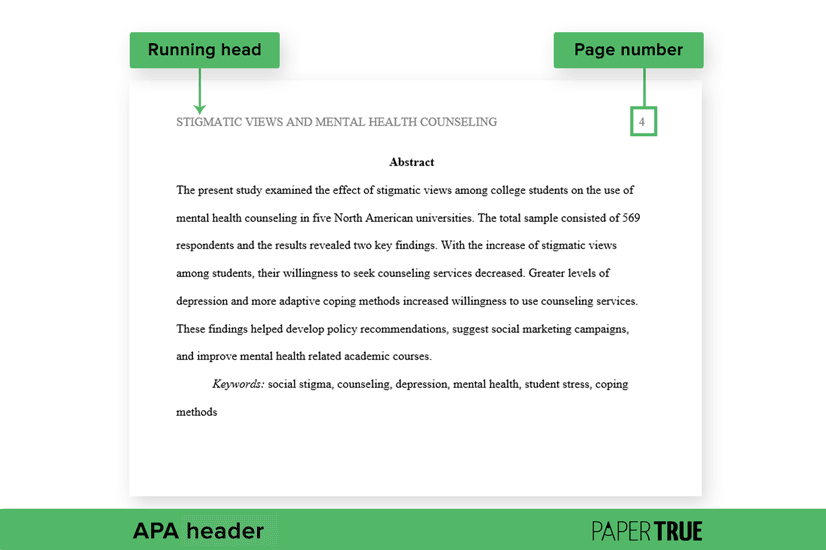
An APA header is a line of text present on all pages of your document, indicating the subject of your research and the page number. The APA paper header format for students is generally limited to the page number. However, professional papers include a running head on the top left corner of each page.
An APA running header consists of an abbreviated title of the academic work. This abbreviated title, written in all caps, is less than 50 characters long, including spaces and punctuation. Similar to the student paper, the APA 7 header format for professional papers also includes the page number in the top right corner.
The point of including an APA header, especially the running head, is to help the reader understand the main topic or idea of the paper. On the other hand, including the page number makes it easier for the readers to navigate through your document.
Now that we know the components of an APA header and its purpose, it’s time to learn how to format your paper header.
The APA header format is different for student and professional papers. Although some professors may require students to use running headers, in most cases, the page number will suffice. However, we will provide step-by-step formatting guidelines for both student and professional papers.
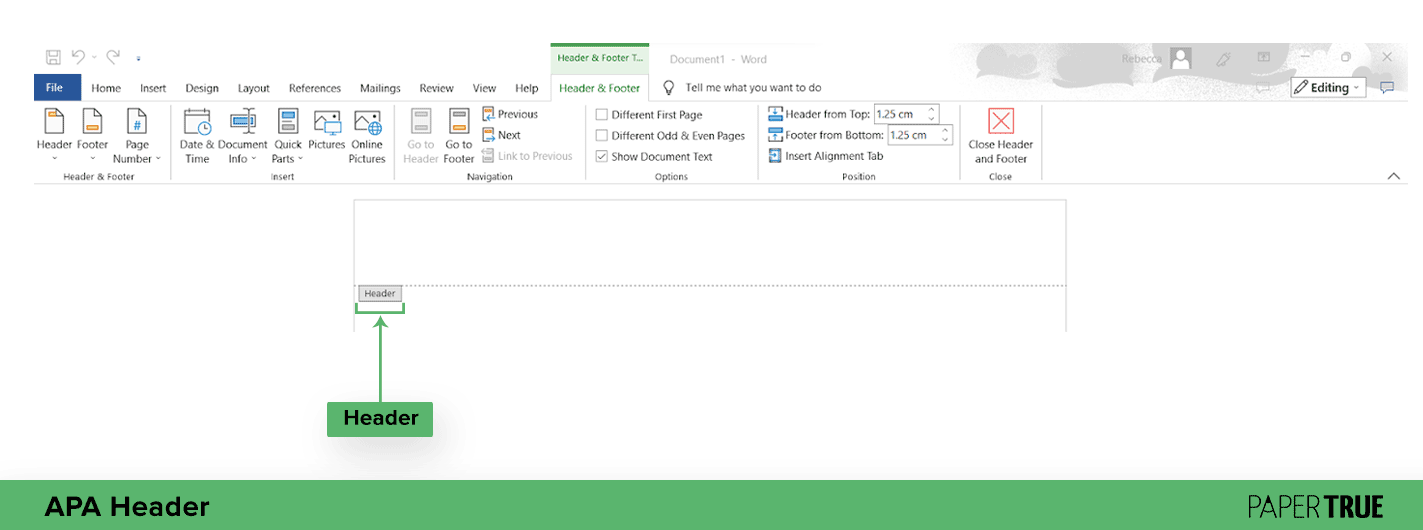
Here are the step-by-step guidelines for formatting an APA style header:
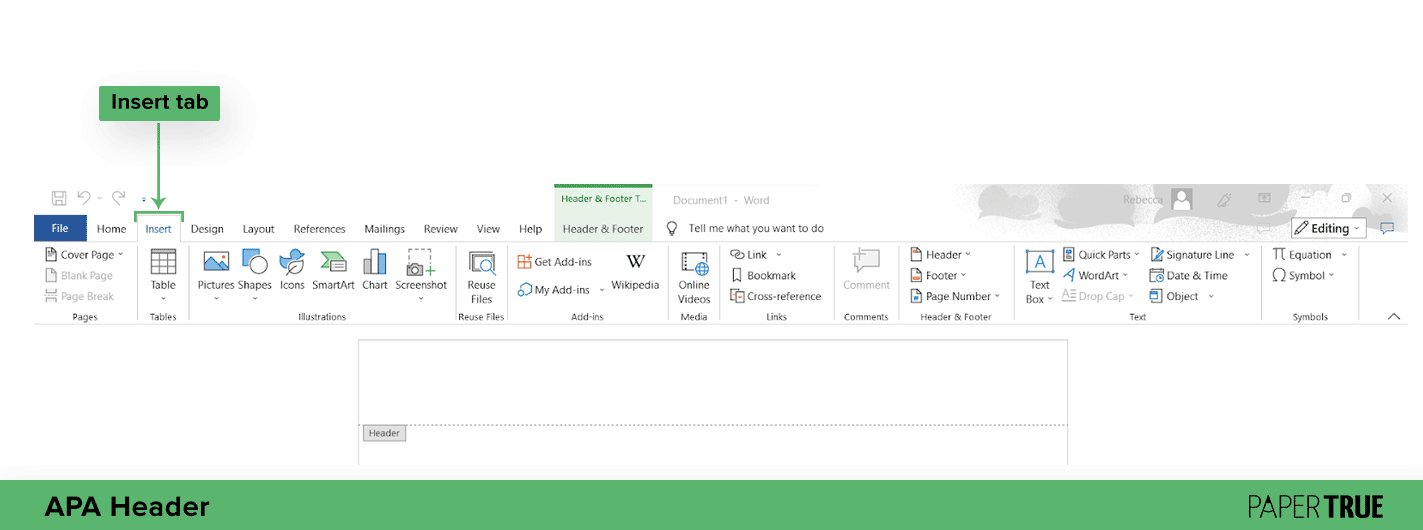
1. Activate the header by double-clicking on the top of the page.
2. Select the “Insert” tab located at the top of your window.
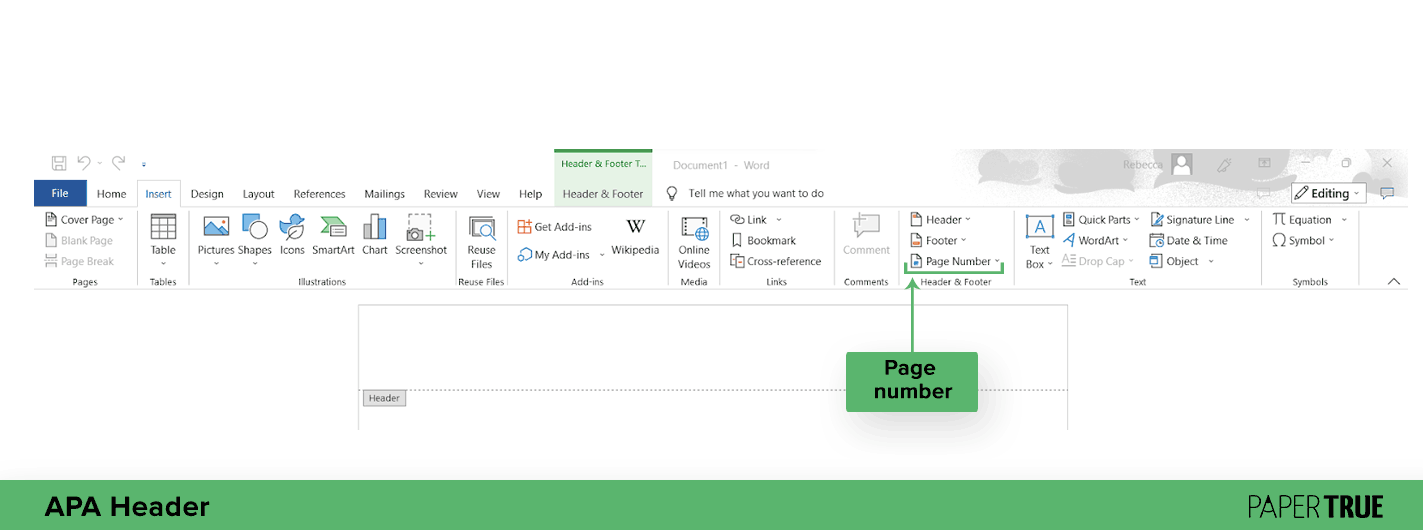
3. Select the “Page Number” option from the “Insert” toolbar.
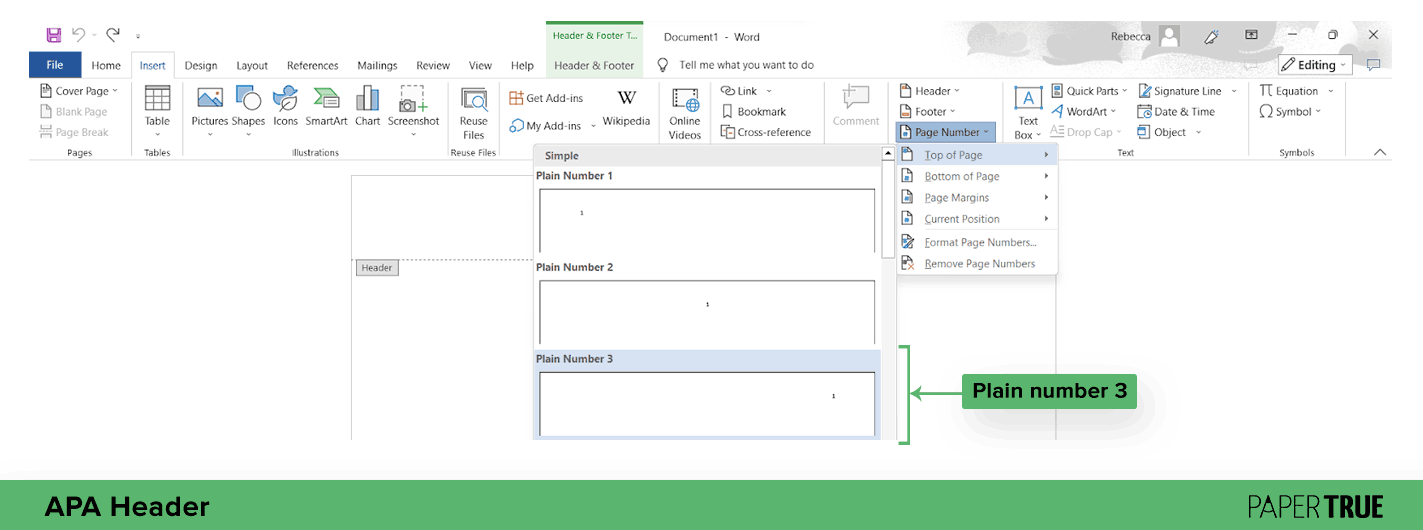
4. Hover over “Top of Page” in the “Page Number” dropdown and select “Plane Number 3”.
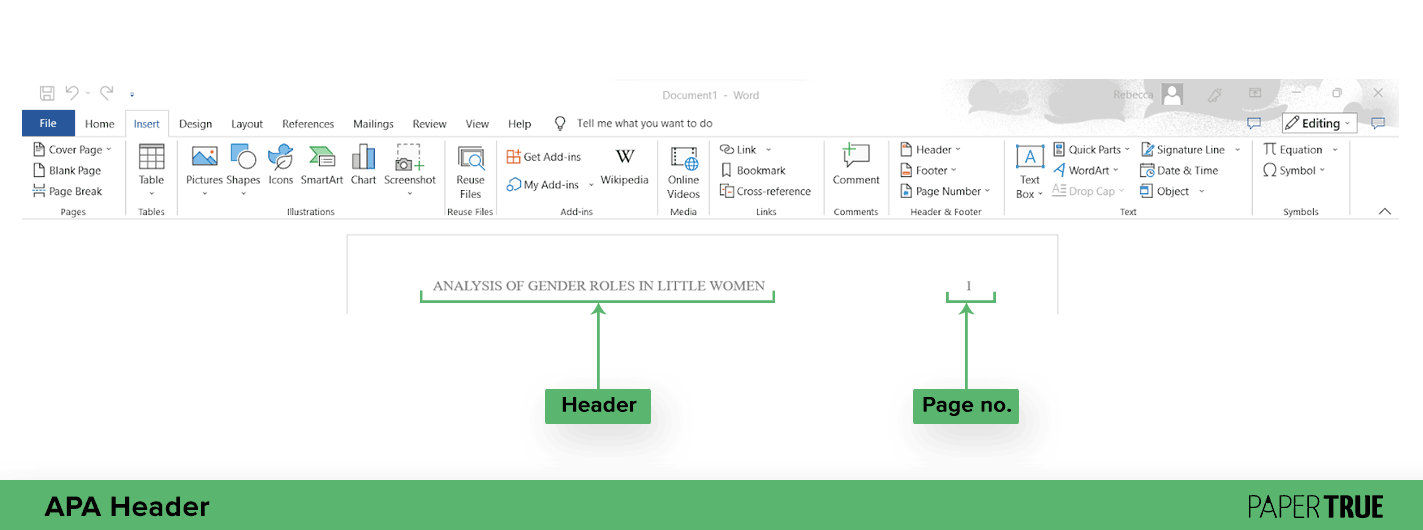
5. Enter the abbreviated title of your paper in all caps and press the “Tab” key. Make sure to use the recommended fonts as per the APA 7 guidelines. (This step is only applicable for professional APA Style running headers.)
Now that we’ve understood the step-by-step guidelines of how to create a header, let’s take a look at an APA-style header example.
The APA header example shown above consists of a title as well as the page number. If you’re a student looking to create a header for your work, you can simply omit the title unless instructed otherwise.
The title in the above APA Style header example “Stigmatic Views and Mental Health Counseling” is already fairly concise. However, if you wish to shorten it further you can use “&” instead of “and”. Avoiding abbreviations is a good practice when it comes to the title, but you can use the ampersand when absolutely necessary.
The insert page number function allows you to label every page of your document. The numbering should start from the cover page, which is always page number one.
Now that you’re equipped with all the necessary knowledge on the APA page header, it’s time to start writing. If you still need help formatting your work, it could be a good idea to consult paper editing services. All the best!
Want to broaden your knowledge of a few more academic writing styles? Here are a few articles for you:
At a first glance, citing sources under the APA guidelines seems like a headache. But with some help (and a lot of APA citation examples from us) you can become a master at citing all kinds of sources as per the APA 7 guidelines.
In this article, we’ll tell you how to cite the Bible, TED talks, PowerPoint presentations, lectures, court cases, and dictionaries under the 7th edition of the APA Publication Manual. To make this easier for you, we’ll also provide examples of in-text citations as well as the entries on your reference page.
For a thorough breakdown of APA citations and how each element should be written, visit this article instead. For examples of APA citations for some lesser-known sources, keep reading!
APA citation: TED talk
The APA citation for a TED talk varies based on the source you use. If you cite it from the TED website, mention the speaker as the author in your reference.
Include as specific a date as possible, and add “[Video]” after the title of the TED talk. List TED Conferences as the publisher and then provide the URL of the video.
Name of the speaker. (Date). Title of the TED talk [Video]. TED Conferences. URL
If you’re referring to a TED talk on YouTube, mention the owner of the account (TED) as the author. In this case, the publisher will be YouTube.
TED. (Date). Title of the TED talk [Video]. YouTube. URL
TED. (2007, July 07). Do schools kill creativity? | Sir Ken Robinson [Video]. YouTube. https://youtu.be/iG9CE55wbtY
If you wish to credit the speaker in this case, you may mention their name in a narrative citation. Here’s an example of the APA in-text citation for a TED talk:
Robinson explains how “schools kill creativity” (TED, 2007, 5:25).
While citing the Bible, use the citation format that the version falls under. So if you cite a version of the Bible that is a book, use the reference format you’d use to cite any other book.
The Bible. (1978). Fray & Davidson.
Religious works are treated as not having an author. But in the case of an annotated version of the Bible, cite it in the same manner as you would any other book.
Name(s) of the editor(s) (Eds.). (Date). Title. Name of the publisher.
Crossway, E. B. B., & Simons, C. R. (Eds.). (2021). ESV Single Column Journaling Bible. Crossway.
In-text citation for the Bible
The in-text citation for the Bible includes chapter and verse numbers instead of page numbers. For example,
When referring to the Bible outside of a citation, you don’t have to italicize it. Simply mention it in the title case and you’re done!
Citing other religious works
The citation rules for the Bible also apply to other religious texts. You can cite them depending on the format. For example, here is an entry in the reference list for an online version of the Quran:
The Noble Quran. (2022). Quran.com. https://quran.com/en
There is no author for religious texts, but editors’ names may be inserted in case of annotated versions.
As we saw in the case of the Bible, the APA in-text citation for religious texts replaces the page numbers with chapter and verse numbers.
(The Noble Quran, 2022, 2:1-6)
Citing PowerPoint presentations under APA 7
There are three ways to cite PowerPoint presentations under APA 7 depending on their source and availability. When slides are hosted on a website and are available to anyone online, provide the site name as the source.
Name of the author. (Date of publication). Title of the presentation [PowerPoint slides]. Name of the platform. URL
The in-text citation for a PowerPoint presentation contains the author’s name and year of publication. Example: (Marakkar, 2015)
In an APA Style document meant for a specific audience, you may want to cite a presentation to which only that audience has access. In this case, provide the site name as the source, followed by the link to the login page.
If you’re writing a college paper for a course where the class materials are hosted on Blackboard, you’ll use the Blackboard handle of your university as the source element. Here’s an example:
Marakkar, R. K. (2015, July 11). Challenges in mental health nursing [PowerPoint slides]. Blackboard@UOW. https://learning.westminster.ac.uk/
If the audience you’re writing for doesn’t have access to the presentation, there’s no use adding it to the reference list. In this case, you may cite it as personal communication.
For this type of presentation, you’ll only write the in-text citation: (Marakkar, personal communication, July 11, 2015).
Citing a lecture in APA 7 format
There are various ways you may want to cite a lecture. It can be the material used by the professor while teaching such as notes or slides, or the lecture itself.
The APA Publication Manual recommends that you cite sources that can be easily discovered by your readers. So if you want to cite a lecture that has no online recording out there, be warned!
Instead of citing sources that can’t be accessed by readers, you can instead search for sources that can. So, in place of citing a lecture, you can go through the professor’s research for the information you want to cite, and use that source in your reference list.
But in cases where no concrete sources are available, you may cite a lecture as personal communication. This appears only as an in-text citation and has no corresponding entry in the reference list.
(Professor’s name, personal communication, date of the lecture)
(Marakkar, personal communication, June 23, 2022)
The same format applies to your personal lecture notes. Since they’re notes you took while attending a class and don’t exist in online or print format, they qualify as personal communication.
In case the lecture is available to your audience on an online learning platform as a recording, cite it in a format similar to the APA citation for a PowerPoint presentation. Just replace the “PowerPoint slides” with a “Lecture recording”.
Here’s an example:
Marakkar, R. K. (2015, July 11). Challenges in mental health nursing [Lecture recording]. Blackboard@UOW. https://learning.westminster.ac.uk/
Court case citation under APA 7
Citing a court case is a bit different than any other citation under APA 7. For starters, there’s no author name. Legal references also feature the reporter, which means a publication that documents court cases.
A legal citation begins with the name of the court case, which is not italicized. It is followed by the volume and abbreviated name of the reporter, the page number, the name of the court, and the year. If available, you can also add the URL.
Name of the court case, volume number, name of the reporter, page number, (year).
Price Waterhouse v. Hopkins, 490 U.S. 228 (1989). https://supreme.justia.com/cases/federal/us
Note that only the first page number of the case is mentioned in the reference instead of a full page range.
Although the name of the court case isn’t italicized in the reference list, it’s written in italics for the in-text citation. An APA in-text citation for court cases includes the name of the case and the year.
(Price Waterhouse v. Hopkins, 1989)
Dictionary citation in APA 7
While citing dictionary entries under the 7th edition of the APA Style guide, start with the author’s name. Since most dictionaries are published by organizations, the name of the organization can serve as the author element of your reference.
If you’re citing a print dictionary, include the year of publication next. In the case of online dictionaries, finding a publication date may be difficult, so you may mention “n.d.” instead.
After the year of publication, mention the word you’re citing, followed by the name of the dictionary, in italicized sentence case.
Name of the Author/Organization. (Year of publication). Name of the dictionary. DOI (if available)
Cambridge University Press. (2011). Cambridge essential English dictionary (2nd ed.).
In the case of online dictionaries, make sure to add a retrieval date. APA recommends adding a date of retrieval for online sources that may be updated at intervals. Since online dictionaries are such a source, a retrieval date helps avoid confusion for your readers.
Name of the Author/Organization. (Year of publication). Name of the dictionary. Date of retrieval and URL
The APA in-text citation for a dictionary consists of the author or organization’s name and year of publication. In this case, the in-text citation will look like this:
Print: (Cambridge University Press, 2011)
Online: (Cambridge University Press, n.d.)
As your loyal editors, it’s our job to ensure that you do your best with your academic documents. So if you want us to add any more examples of APA citations, make sure to let us know in the comments!
If you’d like to read about the APA 7 formatting guidelines for academic documents, visit this article.
Aside from formatting, an APA Style paper, thesis, or dissertation also features citations in the APA 7 format. The 7th edition of the APA Publication Manual lays down some guidelines you must follow in order to properly write your APA in-text citations and reference page.
We’ll tell you how to correctly write and format citations in the APA Style, but it’s your job to make them as accurate as possible. This establishes your credibility as a researcher and an author, so you should take your APA citations very seriously.
Plus, properly formatted citations help your reader focus on the content of your references. When the format is consistent, they can focus on the authors, articles, and web pages you have cited instead of the irregularity of years and page numbers in your in-text citations.
In this article, we’ll tell you how to write and format different types of sources for your APA internal citations as well as the citations list. We’re also including handy examples for each citation format to help you understand it better.
How to do APA in-text citations
An in-text citation or internal citation appears when you paraphrase or quote from an external source. So every time you use ideas from another paper, book, or website, you need to add an in-text citation. Conversely, for every APA in-text citation in your paper, there needs to be a corresponding entry in your reference list.
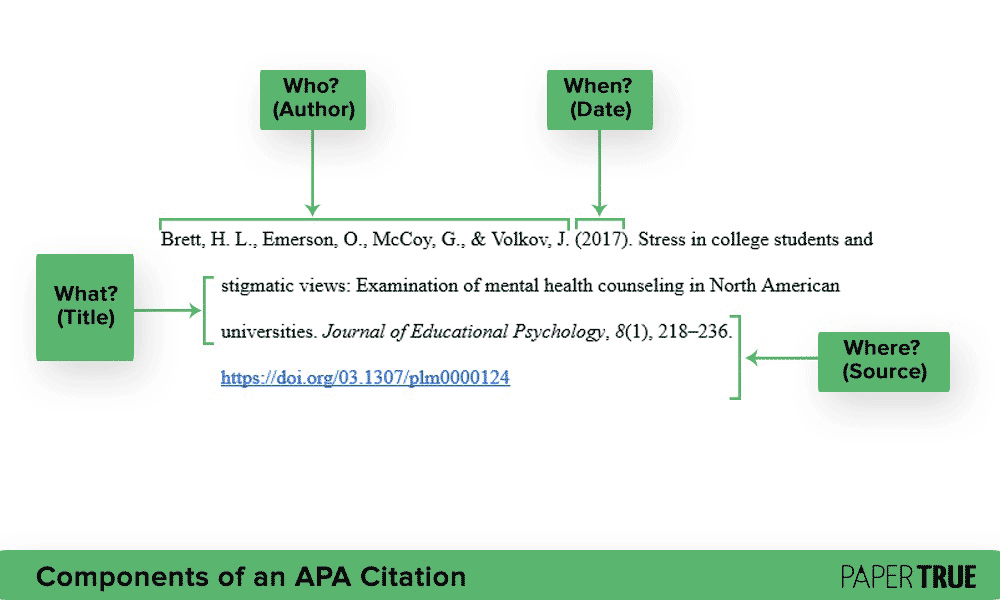
Under the APA Style format, in-text citations consist of the author’s last name and the year of publication. Here’s an example:
The proposed coal mine would have displaced more than 25,000 people (Iman, 2016).
In-text citations for multiple authors
If there are two writers for a source, separate their names with an ampersand. While citing multiple authors, use “et. al.” after the name of the first author.
One author: (Iman, 2016)
Two authors: (Iman & Roy, 2016)
Three or more authors: (Iman et. al., 2016)
Citing direct quotations
In the case of direct quotations from books or journal articles, you also need to include the page number. This is denoted by a “p.” which is followed by the page number.
The report found that “the proposed coal mine will displace more than 25,000 people” (Iman, 2016, p. 45).
If the quote extends to more than one page, add both pages in the citation. Replace “p.” with a “pp.” and add the page numbers with an en-dash between them. Here’s an example:
The report found that “the coal mine will spread over an area of 1300 hectares, displacing more than 10,000 people” (Iman, 2016, pp. 45–46).
Aside from parenthetical citations where the author’s name appears in parenthesis, you can also create a narrative citation. In this citation, the author’s name appears as part of the narrative text and the year of publication and page number appear in parentheses.
Iman found (2016) that “the coal mine will spread over an area of 1300 hectares, displacing more than 25,000 people” (pp.45–46).
While directly citing an entire paragraph or a block of text of more than 40 words, indent the quote and add the citation in parentheses at the end. Here’s an example:
The proposed coal mine in the Hasdeo forests spans a total area of 1300 hectares. It is home to more than 25,000 tribal residents, providing means of livelihood for 5,600 families. Over the next decade, the mine will also take over neighboring villages for waste disposal. (Iman, 2016, p. 45)
Paragraph number in in-text citations
If you’re referring to a source that doesn’t have page numbers like a blog, website, or ebook, you can add the paragraph number.
Iman found (2016) that the coal mine would displace more than 25,000 people (paras.4–5).
Group author
In case you’re citing an institution or group instead of an author, mention the full name in the first citation. In the following in-text citations, you can replace the group name with an abbreviation.
First citation: (Alliance of People’s Movements [APM], 2007)
Following citations: (APM, 2007)
Citing multiple sources
When you’re citing multiple sources in a single citation, separate them with a semicolon in your citation. Take a look at the following example:
The proposed coal mine would have displaced more than 25,000 people while also destroying a forest rich in biodiversity (Iman, 2016; APM, 2007).
How to do in-text citations under APA 7th edition
Use the same spellings, years, and other details as the ones you’ve used on the reference page.
In a parenthetical citation, write the author(s)’ name followed by the year of publication and page number(s).
In a narrative citation, write the year of publication and page number in parentheses.
Separate two authors with an ampersand “&”.
In the case of multiple authors, write “et. al.” after the first author’s name.
Denote a single page number with “p.” and multiple page numbers with “pp.”.
Use an en-dash to separate page numbers in your citation.
While citing online sources, use paragraph numbers denoted by “paras.”.
Indent your block quotations and add a parenthetical citation after the period.
Abbreviate institute names after the first citation.
Separate multiple sources in your citation with a semicolon “;”.
APA 7 reference page
APA Style citation requires a reference page with entries that correspond to your internal citations. In an APA 7 citations list, each reference entry has four parts: author, date, title, and source.
These four elements answer your readers’ questions about the sources you cite. Whose work are you citing? When was it published? What is the title of this work? Where can one access it?
In order to answer these questions properly, your APA reference page must follow the proper citation format. This helps the reader access and understand your citations easily.
Basic guidelines for an APA reference page
Write the author’s name first, followed by the year of publication, title, and source respectively.
Alphabetize the entries based on the author’s last name.
In the case of multiple works by the same author, add the earliest first, followed by the recent ones.
Separate the four elements of the citation with periods.
Use punctuation marks like commas or parentheses to separate parts of one citation element.
Add a hanging indent to all entries.
Invert all author names, so the last name appears before the first and second names.
Add names of all authors up to 20 authors, separated by commas.
Add an ampersand (&) before the name of the last author.
In case of more than 20 authors, omit the remaining names. Put an ellipsis (…) between the 19th and 20th author names and don’t use an ampersand.
Put the year of publication in parenthesis after the author’s name.
Italicize the names of longer works like books or journals.
In work titles, capitalize only the first word of title and subtitle, the first word after a colon or comma, and proper nouns.
Italicize the punctuation marks within titles, but not the ones that separate reference elements from each other.
Don’t put the titles of shorter works (like book chapters) within quotes.
Don’t put a period after a DOI or website URL.
Here’s an example of an APA citation:
Journal citation under APA 7
Journal articles are the most commonly cited sources on any APA reference page. While including all details possible in your reference entry is desirable, this is not always possible. Some articles may not have an issue number or page number. In this case, you may omit these details from the reference.
Let’s go over the basics of journal citations under the APA style guide.
Write the complete title of the journal article you’re citing.
Capitalize only the first word of the title and subtitle, the first word after a colon or comma, and proper nouns.
Italicize the title of the journal.
Retain any non-standard spellings used by the journal.
Don’t italicize or underline the title and don’t enclose it in quotation marks.
Always include the issue number.
Include the DOI in the reference if one is available.
If the article has a URL instead of a DOI, insert it at the end of the reference.
Examples of journal article citation:
Iosua, S. L. (2017). Individual proximity, complex and coordinated collective movement. Journal of Comparative Psychology, 123(6), 126–134. https://doi.org/10.1167/com0000274
Chavez, O., & Garcia, G. (2009). Role of emotional intelligence in developing executive leadership. The Journal of Consulting Psychology, 59(3), 133-145. https://doi.org/10.1237/1094-8337.95.7.290
Book citation under APA 7
A similar citation format is used to cite print and digital books under the 7th edition of the APA style guide. The latest edition also states that digital books need not mention the format, platform, or device on which they are accessed.
Here are the basic guidelines for citing books in the APA 7 format:
Use the book’s copyright year as the year of publication, even if the year of release is different.
Mention the edition details in parenthesis after the title, without italicization.
Don’t include the publisher’s location.
If the book has a DOI, mention it after the publisher’s name.
In case the book has a stable URL, include it in the reference.
In case the book is taken from an academic database and has no DOI or URL, end the reference at the publisher’s name.
Don’t name the database in either of the above cases.
Examples of APA citations for whole books:
Freeman, H. & Weber, K. (2019). Sociological research methods and best practices. Routledge.
Tanaka, L. M. (2020). Encyclopedia of nursing research (3rd ed.). Fawcett Publishing Company. https://doi.org/11.1037/0005608-893
Citing books with editors
In case the book’s principal contributors are editors and it has no authors, the editor’s names replace those of the authors. In a parenthesis, add “Ed.” or “Eds.” depending on the number of editors.
Here’s an example:
Freeman, H. & Weber, K. (Eds.) (2019). Sociological research methods and best practices. Routledge.
If the book has both authors and editors, this is how you should cite it:
Tanaka, L. M. (2020). Encyclopedia of nursing research (K. S. Williams, Ed.; 3rd ed.). Fawcett Publishing Company. https://doi.org/11.1037/0005608-893
Citing book chapters
Mention the chapter title before the book title without italicization. Don’t capitalize any words but the first word, the first word after a colon or dash, and proper nouns. Add the page numbers for the chapter in parentheses after the book title.
Here’s an example:
Freeman, H. & Weber, K. (Eds.) (2019). Limits of qualitative research. Sociological research methods and best practices (pp. 134–159). Routledge.
If you’re citing a chapter from an edited book, the names of the editors appear as part of the book title, preceding the title. Consider the following example:
Freeman, H. & Weber, K. (Eds.) (2019). Limits of qualitative research. In R. M. Kim & D. R. Wright (Eds.), Sociological research methods and best practices (pp. 134–159). Routledge.
How to cite a website in the APA format
Websites have become increasingly common in references. Accordingly, the 7th edition of the APA Publication Manual has revised its rules to make website citations less complicated.
Let’s go through the basics of website citation under APA 7:
For webpages where individual authors are mentioned, use their names in the author section of the reference.
Mention as specific a date as possible.
If your specific source has an update date, use it in the reference.
Italicize the title of the webpage.
Mention the name of the website as the source.
Add the URL at the end.
Examples of website citation:
Broderick, T. (2022, April 19). The student’s guide to managing stress in college. Best Colleges. https://www.bestcolleges.com/resources/balancing-stress/
While citing an online news article, the website title is not italicized. Instead, the title of the newspaper is written in italic title case as the source element.
Devereux, E. (2022, July 11). Poll shows rise in public support for nursing industrial action. Nursing Times. https://www.nursingtimes.net/news/workforce/poll-shows-rise-in-public-support-for-nursing-industrial-action-11-07-2022/
A similar rule exists for blog post citations. The web page title is written in sentence case while the blog title appears in italic title case.
These guidelines and examples of APA citations are sure to help you write and format your references. But in case you need an academic editor to thoroughly proofread your APA Style paper, you know where to go!
If you’re excited about NaNoWriMo, this article is for you! NaNoWriMo is the National Novel Writing Month. It’s the time when writers challenge themselves to write daily and create a masterpiece. In this article, we’ve provided simple and practical strategies about how to prepare for NaNoWriMo.
We have also included the rules for NaNoWriMo and how to sign up for this massive event. With this, we’ve also answered the question- After NaNoWriMo, what next? Before we delve into the main topic, let’s quickly understand NaNoWriMo’s meaning.
What is NaNoWriMo?
NaNoWriMo is the National Novel Writing Month where writers attempt to write a 50,000-word novel. Founded by Chis Baty, this huge writing challenge always occurs in November. This creative writing challenge aims to encourage writers to enhance their craft.
After understanding what is NaNoWriMo, the next question is: Why should I take part in this event? Dive in to learn 3 ways in which you can benefit from NaNoWriMo!
Top 3 reasons to take part in NaNoWriMo
1. You develop a writing discipline- NaNoWriMo encourages you to set a daily word count target. This ensures that you consistently write every day.
2. Improving writing speed- Penning down words every day helps to gradually enhance your writing speed.
3. Growth as a writer- Participating in NaNoWriMo will help you understand your strengths and shortcomings as a writer. NaNoWriMo also helps you successfully overcome writer’s block and write more confidently.
NaNoWriMo rules for the writing marathon
Following are the basic NaNoWriMo rules of this exciting creative writing challenge:
You must be the sole author of the 50,000-word novel. You cannot collaborate with another author and co-write the novel.
You must complete the novel in 30 days (from 1st November to 30th November). The challenge ends on 30th November 2024 at 11:59 pm. Hence, your novel must be completed before then.
NaNoWriMo tips to complete your novel
Given below are seven tips to win the NaNoWriMo 2024 writing challenge:
1. Plan your schedule
Jotting down the time you need to write every day is essential. It’s recommended that you should dedicate 3 – 3.5 hours every day to writing. You can use the following strategies to plan your schedule:
Half-an-hour sprints- This strategy involves writing continuously for half-an-hour without taking a break. After half an hour you can take a 5-minute break and again start writing.
Set a timer- You need to time yourself and try to achieve a specific word count in half an hour. It’s generally recommended that you write 1,667 NaNoWriMo words per day. This means you must complete at least 239 words in half an hour to achieve this goal.
Back-up days- It’s highly possible that you do not finish the targeted word count on a day. Setting up a backup day and timing where you can finish the pending word count helps to achieve this goal.
Use writing software- Using writing apps like Scrivener and Y-Writer can help you streamline your writing process. Y-Writer gives authors the option to write the scenes of the novel. Scrivener also aids the writer in dividing their novel into chapters. Writers can also switch between chapters and make changes easily. It also has a feature of a notepad to allow writers to jot notes of their ideas for chapters so that they don’t lose their ideas.
Another important aspect of how to prepare for NaNoWriMo is to cut out any disturbances. The next point briefly explains simple strategies to minimize interruptions.
2. Eliminate distractions
It’s easy to be distracted by social media, friends, relatives and colleagues. Here are some practical suggestions to help you eliminate distractions:
Determine a dedicated workspace- Writing in the same place every day can help you focus on finishing your NaNoWriMo challenge. Ideally, this writing space should be free from any clutter.
Silence email and mobile notifications- This will help you avoid being distracted from your work. If this doesn’t help, you can also try leaving your phone in a drawer far away from you, to focus.
Block meetings for a specific time– Decide a time when you will not have any meetings and write in that time. This will help you to focus on writing.
Use headphones- You can listen to music on headphones if it helps you write better. This will help to eliminate other distractions. Another strategy is to use noiseless headphones which drown out all the noise.
Want to perfectly edit your NaNoWriMo draft?
3. Don’t immediately edit, read, and revise after writing
It’s important to silence the inner critic and not worry about word choice and refining your sentences. A simple way to prevent yourself from editing is to copy the last sentence you’ve written at the end of your writing session on a blank page. The next day, you can then start fresh, without seeing the entire draft you’ve written before. Following are some NaNoWriMo tips to help you write better and edit later:
Write notes- Creating small notes about what you wish to edit at the end of every writing session will help you resist the urge to edit immediately. If more research is required, you can add a note about that. You can highlight what needs to be changed in red or attach a sticky note about what needs to be changed. This will help you write better.
Find extra time for planning- If you set a timespan of half an hour to one hour a week to plan additional details for your novel, this will reduce editing time. For example, instead of adding extra scenes to your novel later, if you find additional time to plan your scenes, this will reduce your editing time.
Sharing motivates one to complete the novel and creates a feeling of accountability. You can share about your NaNoWriMo challenge with your friends, family, and social media. If you sign up on the NaNoWriMo website, you will also see an option to choose your location. Selecting your location will help you to connect with writers in your area who are also taking part in NaNoWriMo. You can also find hashtags related to NaNoWriMo and writing groups on Facebook and Twitter and share your progress.
5. Experiment!
A good way to beat writer’s block during NaNoWriMo is to try something out of your comfort zone. Here are some strategies you can try to do so:
If you find it difficult to write the novel’s chapters in order (from the first chapter to the last), ditch the order. Randomly start from a scene that you have clarity about and complete it. You can later go back to the scene you didn’t write at first.
Set an approximate word count for a scene and attempt to write that scene in one day. The scene’s importance and relevance in the novel can help you determine the word count. A good strategy is to divide the scene into three parts (beginning, middle, and end) and give every part a word count. For example, 500 words for the beginning, 1000 words for the middle, and 500 words for the end. You can distribute the NaNoWriMo word count of 50,000 words by setting a specific word count for every scene in the novel.
Use voice typing- You can use apps where you can dictate and the app will convert your spoken words to text. This can help you save writing time. You can try various voice typing software like Google Keyboard, Just Press Record, Speechnotes, Transcribe, etc.
Giving yourself incentives for completing your target word count feels tremendously motivating. You can fulfill one item on your bucket list or perform one activity that pleases you. For example, having your favorite meal, practicing your hobby, going to your favorite hang-out place, etc. This will make you feel motivated to write and complete your writing goals.
7. Take valuable suggestions from NaNoWriMo books
Sometimes, it’s best to learn from those who have actually experienced the crazy NaNoWriMo marathon. Following are some of the best NaNoWriMo books:
NaNoWriMo 101: A Quick Guide on How to Write a Novel in 30 Days During National Novel Writing Month by HowExpert, Nicole Thomas
Surviving 30 Days of Literary Madness: Getting through NaNoWriMo with Your Sanity and Sense of Humor (Hopefully) Intact by Caro Kinkead
Pep Talks for Writers: 52 Insights and Actions to Boost Your Creative Mojo by Grant Faulkner.
The NaNoWriMo Survival Guide: The No Stress Approach to Preparing For and Winning NaNoWriMo by Kate Krake.
8. Bonus section: 5 strategies to beat writer’s block
You may be feeling writer’s block and are unsure about what to write. Here are some strategies to overcome writer’s block:
Practise free writing and write 500 words without thinking even if your thoughts aren’t clear about what you are writing.
Read something that you like. This will help you refresh your mind.
Take inspiration from your real-life experiences to write the novel.
If you haven’t signed up for NaNoWriMo but want to, browse through the next section that briefly explains how to sign up for NaNoWriMo. If you have already signed up, skip this section and go through the next intriguing section: After NaNoWriMo, what next?
How to sign up for NaNoWriMo
To sign up for NaNoWriMo, you need to visit the official website: https://nanowrimo.organd click on the option of Signup. This signup is free and you can sign up on the website any time in the year. After filling in details like the user name, email id, password, and timezone, you can create your account.
You can then track your word count progress, and get access to a large writing community and exciting virtual events. NaNoWriMo also encourages forums where writers can connect. NaNoWriMo winners also get a certificate and their names are shown on the winners page on the official website.
Now that you’ve created an account, you can start preparing for NaNoWriMo! For those who are still unsure about participating in NaNoWriMo, the following are some inspiring NaNoWriMo authors’ success stories.
NaNoWriMo authors’ success stories
Eric Morgenstern wrote the novel The Night Circus during NaNoWriMo. As of present, more than 3 million copies of this novel have been sold.
Water for Elephants by Sara Gruen is another famous novel written during NaNoWriMo. The novel’s immense popularity led to its film adaptation in 2011.
These examples show how NaNoWriMo can completely transform an author’s life. After signing up for NaNoWriMo, you might be wondering about your next steps after NaNoWriMo. Dive in to understand what you should do after completing the NaNoWriMo challenge!
After NaNoWriMo, what next?
Once you complete NaNoWriMo, the next step is to revise and enhance your novel. You can add relevant content and remove unwanted content. You can also self-edit your novel and remove redundancies, complex language, spelling, and grammatical errors. Getting feedback about your novel from another NaNoWriMo writer, or editor can also be hugely beneficial.
If you want a comprehensive, thorough edit, you can also approach any reputed editing and proofreading company. PaperTrue is a trusted editing and proofreading company that provides novel editing and self-publishing services. We’d love to help you perfect your first draft and help you become a self-published author!
Here are some other resources to enhance your writing:
Get carefully curated resources about writing, editing, and publishing in the comfort of your inbox.
[contact-form-7 id="12723" title="Subscribe Form"]
How to Copyright Your Book?
If you’ve thought about copyrighting your book, you’re on the right path.
![How to Become an Online Proofreader in 2024 [for Beginners]](https://www.papertrue.com/blog/wp-content/uploads/2022/05/hired_by_proofreading-min-540x400-19kb.jpg)
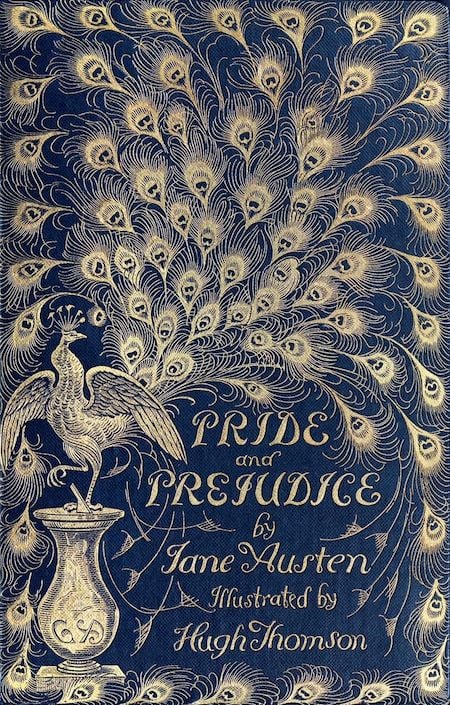
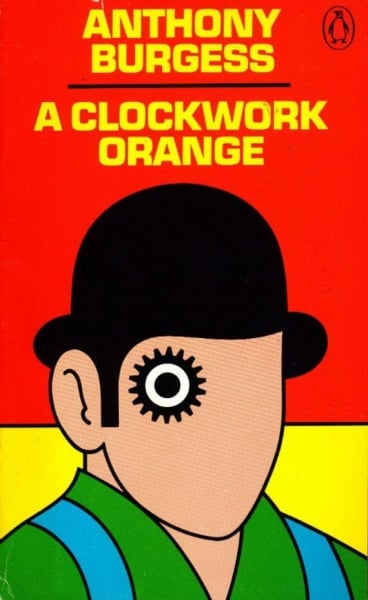 By Anthony Burgess
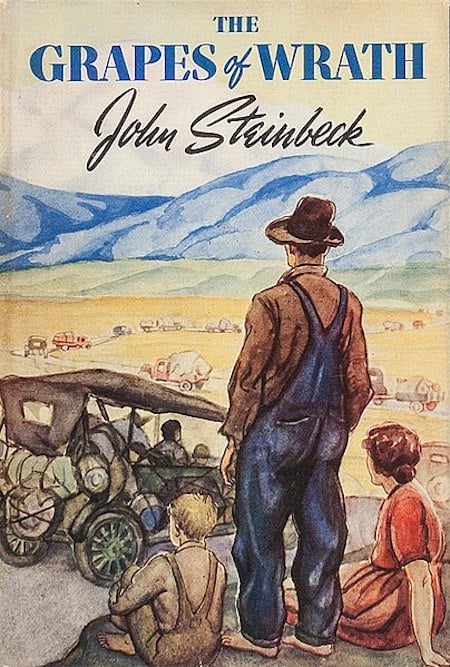 By John Steinbeck
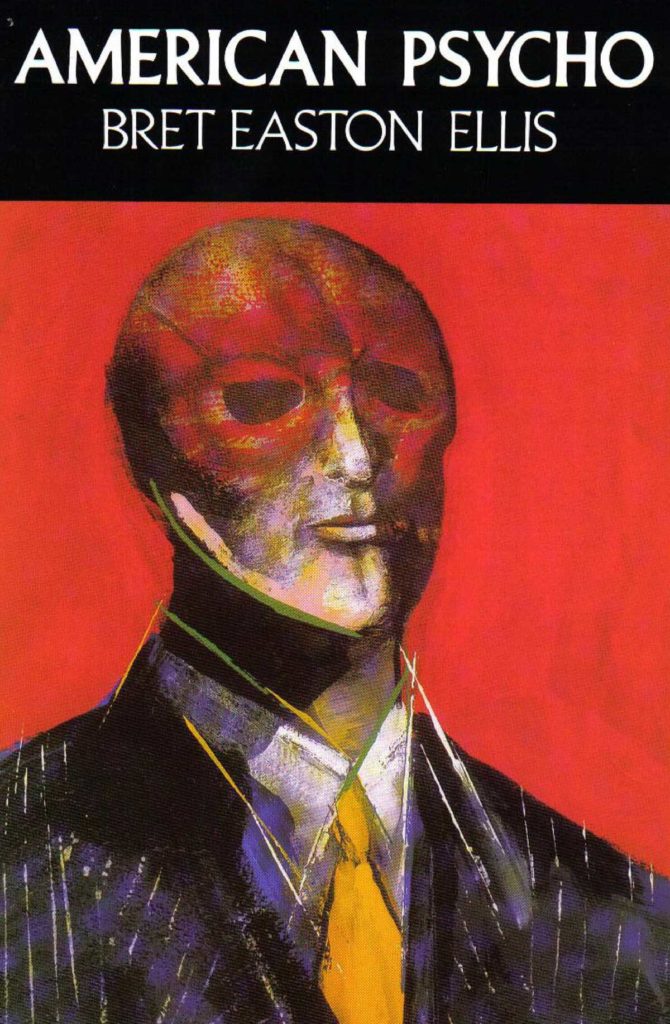 By Bret Easton Ellis
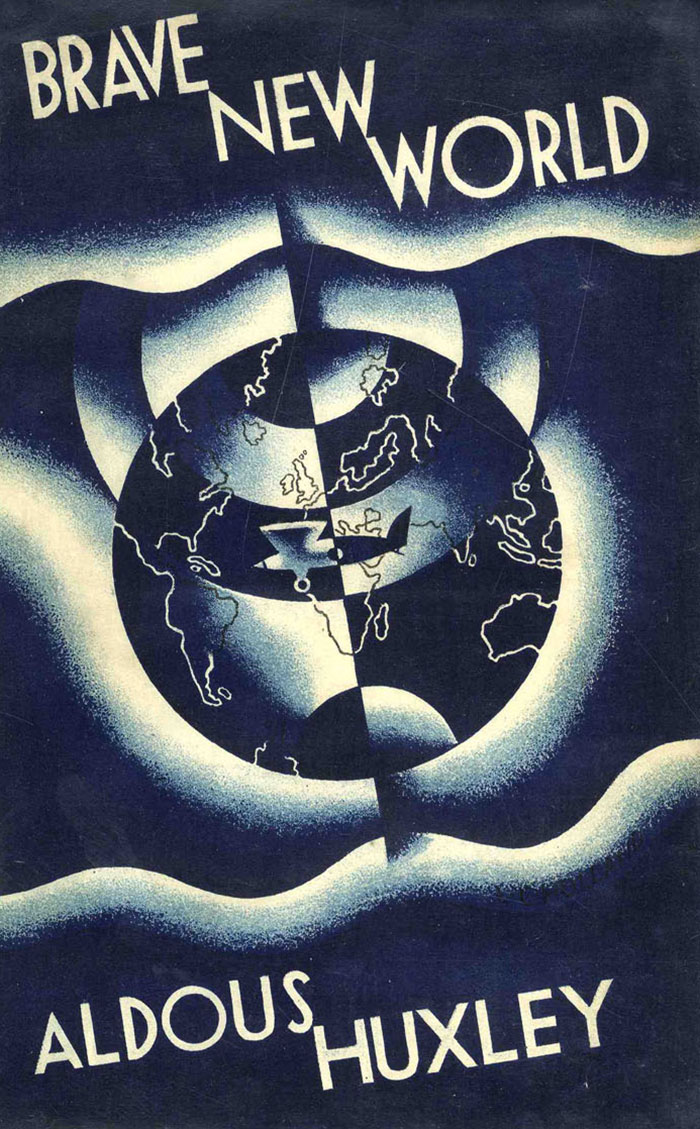 By Aldous Huxley
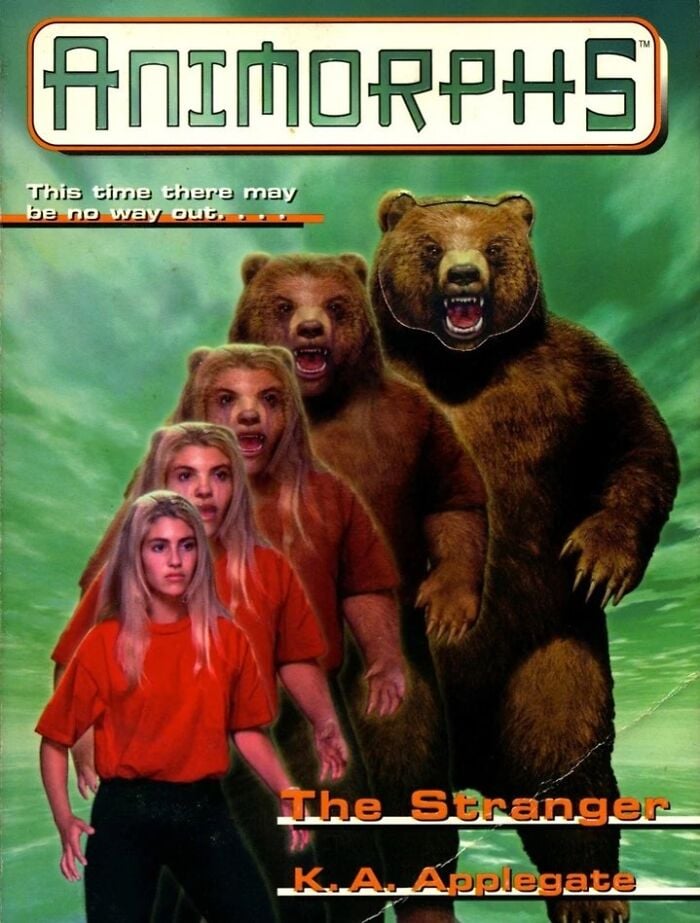 By K. A. Applegate
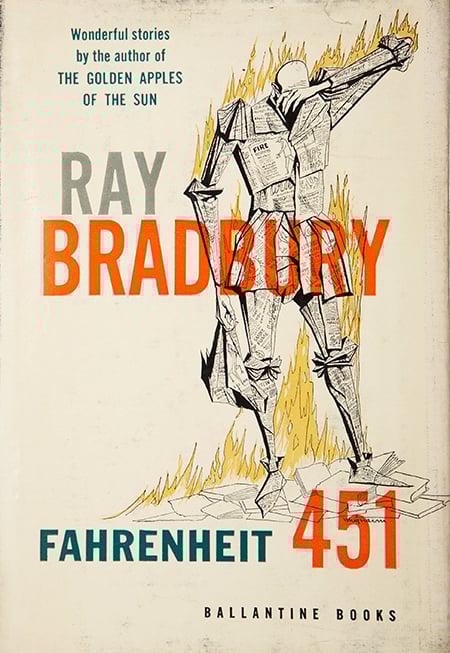 By Ray Bradbury
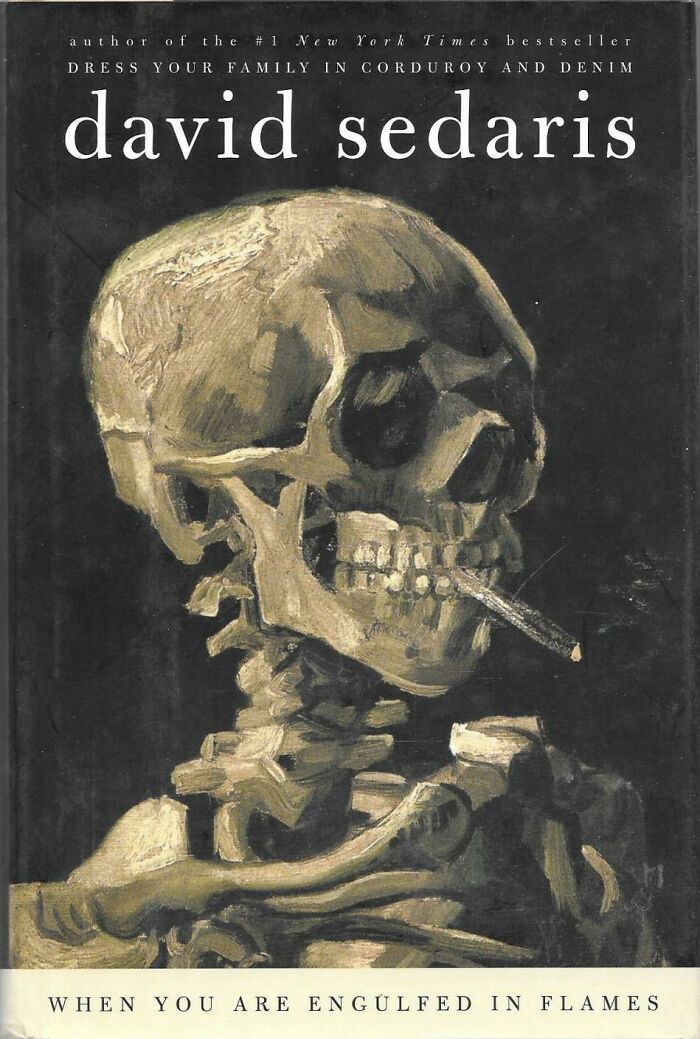 By David Sedaris
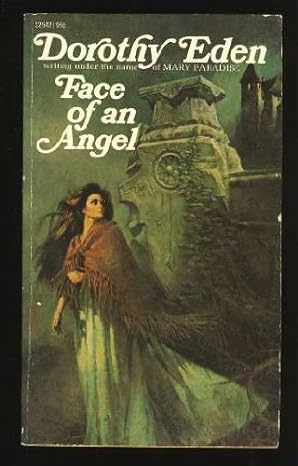 By Dorothy Eden
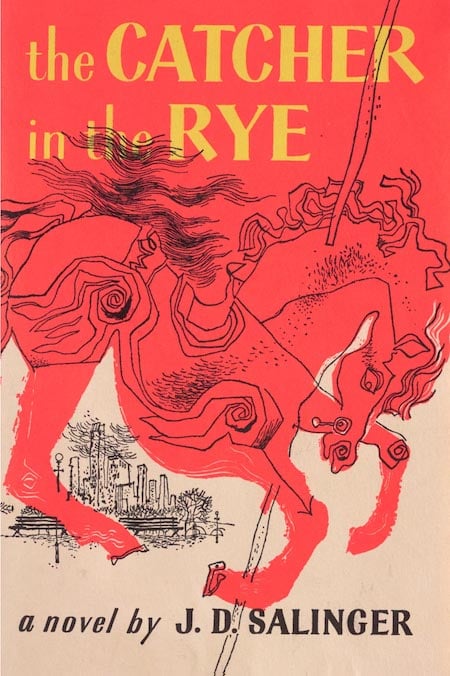 By J. D. Salinger
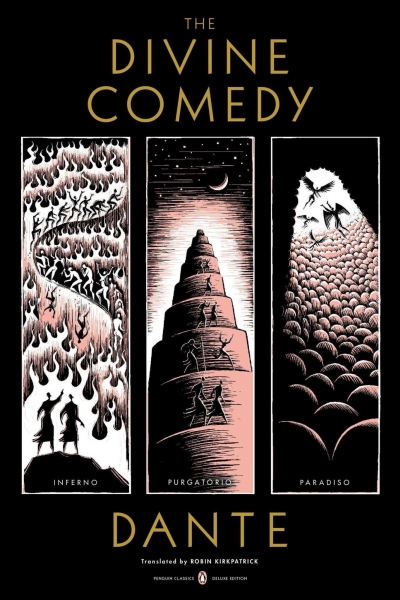 By Dante Alighieri
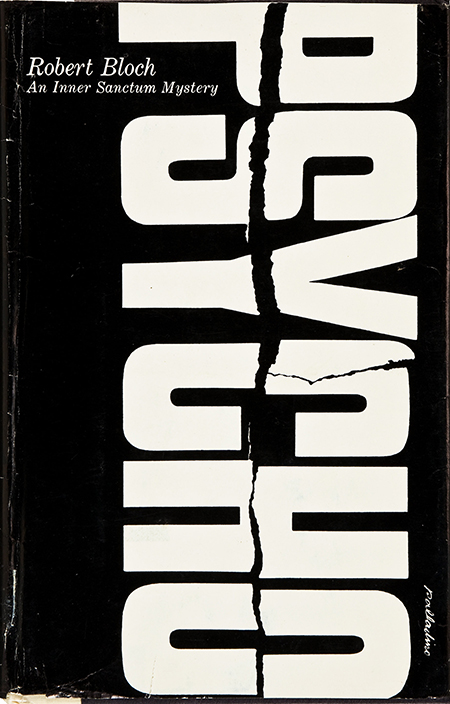 By Robert Bloch
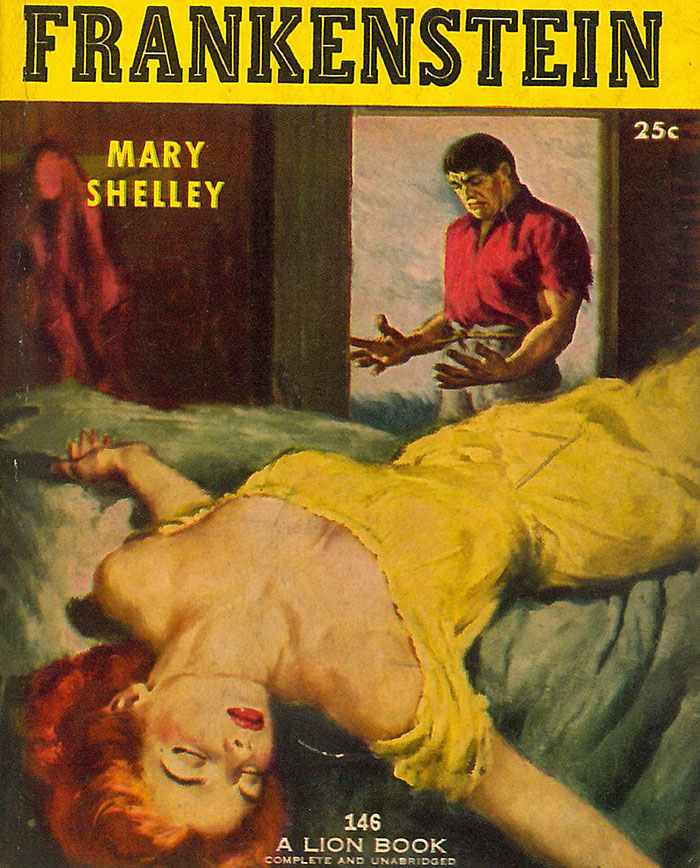 By Mary Shelley
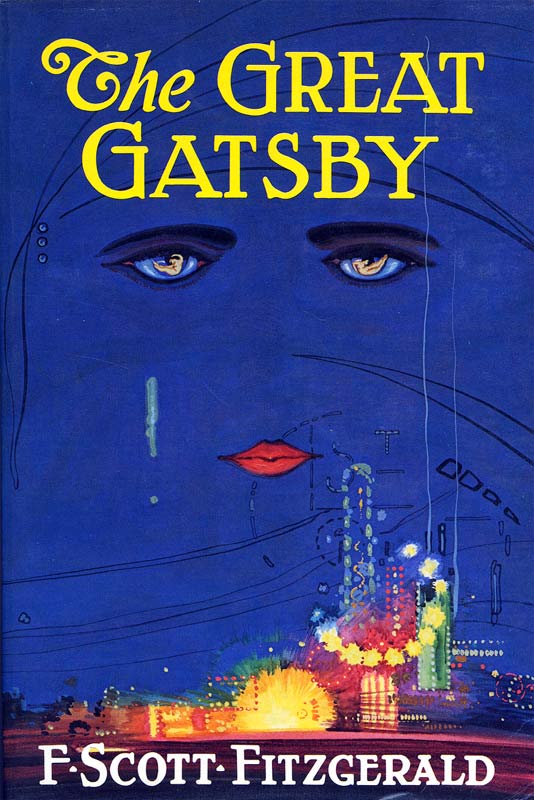 By F. Scott Fitzgerald
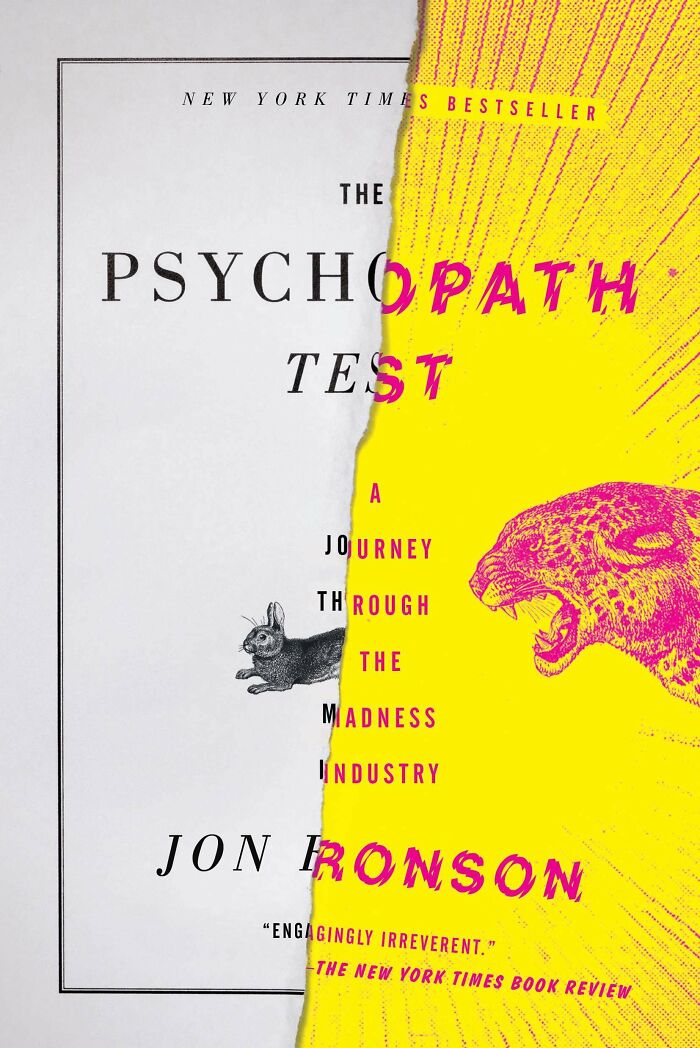 By Jon Ronson
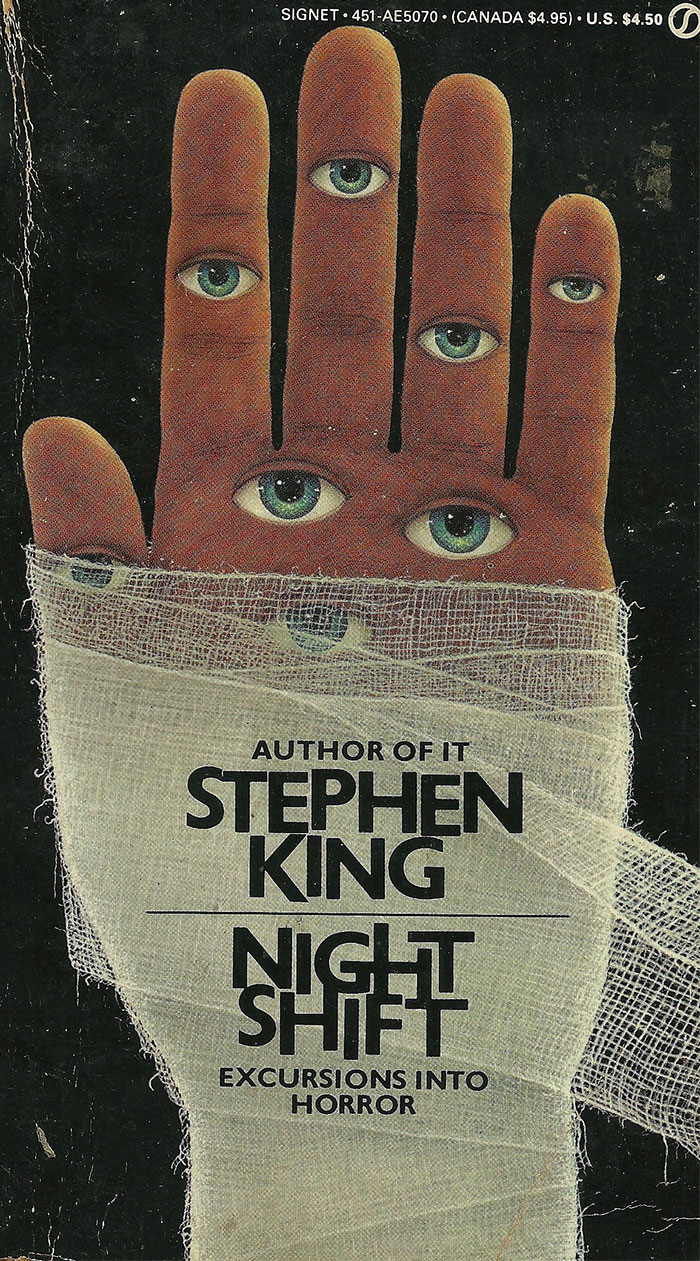 By Stephen King
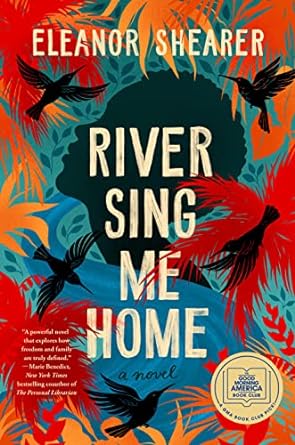 By Eleanor Shearer
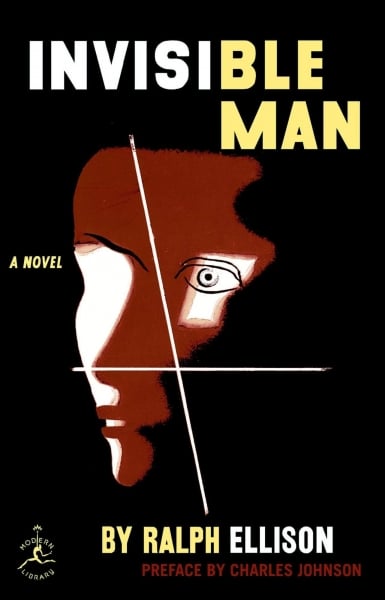 By Ralph Ellison
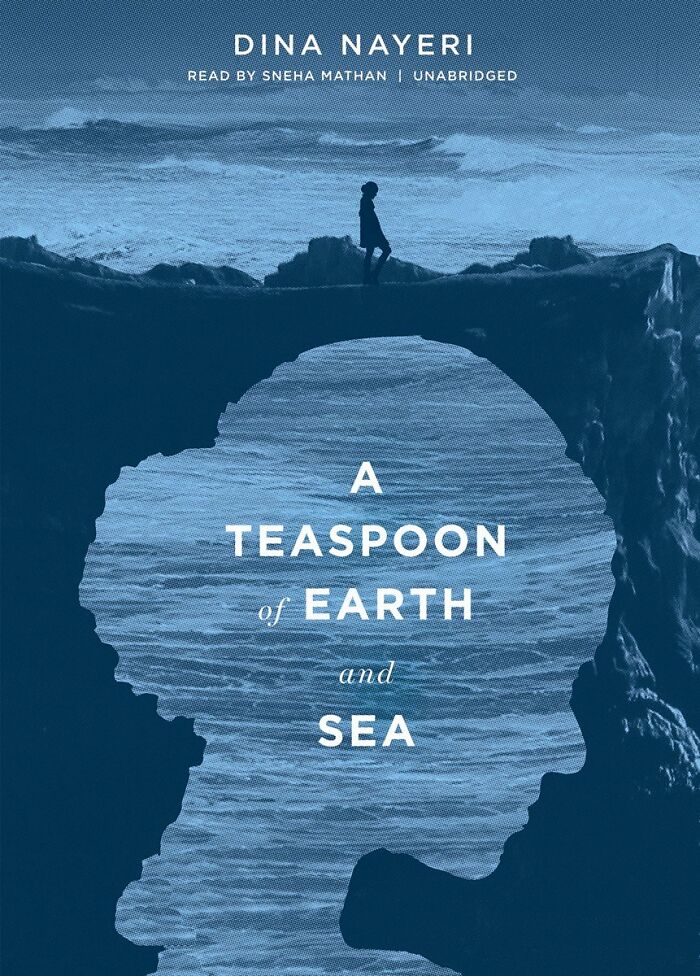 By Dina Nayeri
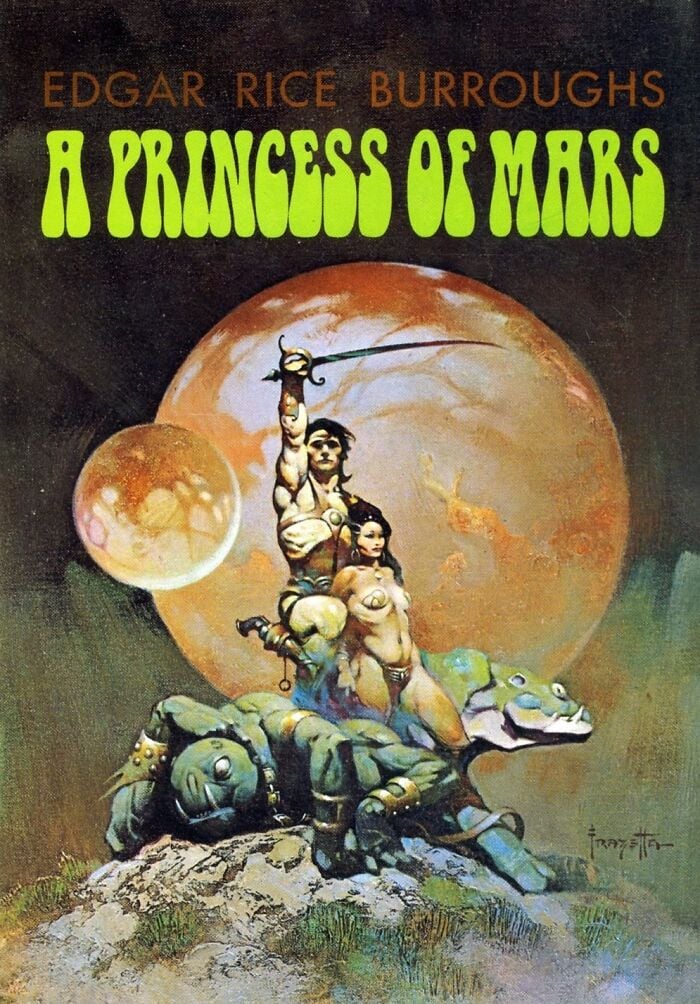 By Edgar Rice Burroughs
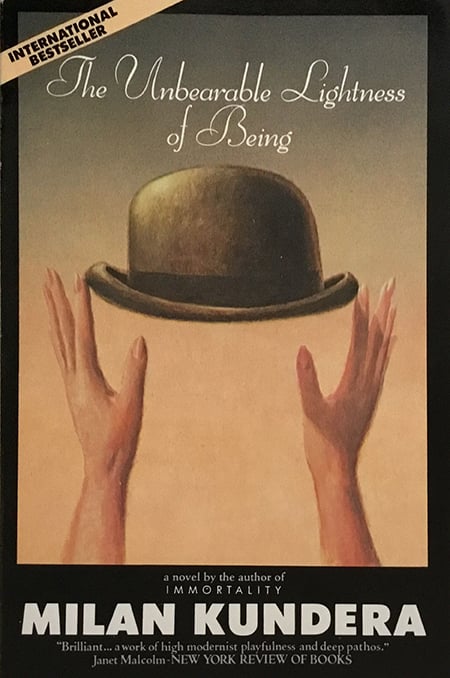 By Milan Kundera
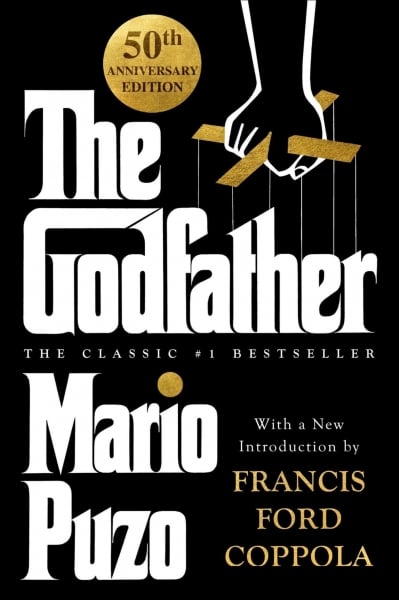 By Mario Puzo
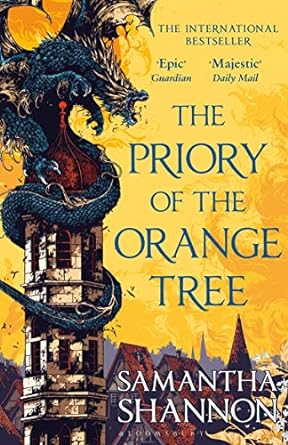 By Samantha Shannon
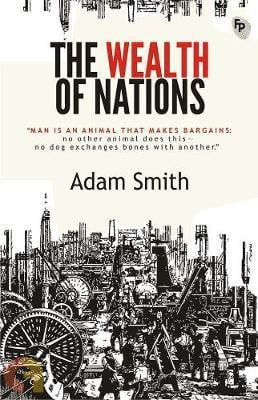 By Adam Smith
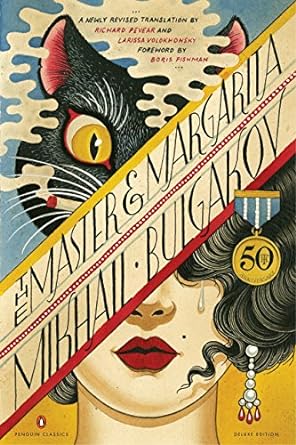 By Mikhail Bulgakov
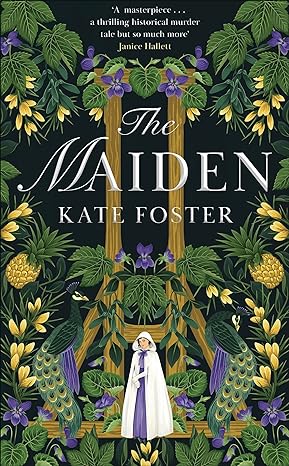 By Kate Foster