- Tips to Self-Edit Your Dissertation
- Guide to Essay Editing: Methods, Tips, & Examples
- Journal Article Proofreading: Process, Cost, & Checklist
- The A–Z of Dissertation Editing: Standard Rates & Involved Steps
- Research Paper Editing | Guide to a Perfect Research Paper
- Dissertation Proofreading | Definition & Standard Rates
- Thesis Proofreading | Definition, Importance & Standard Pricing
- Research Paper Proofreading | Definition & Standard Rates
- Essay Proofreading | Options, Cost & Checklist
- Top 10 Paper Editing Services of 2024 (Costs & Features)
- Top 10 Essay Checkers in 2024 (Free & Paid)
- Top 10 English Correctors to Perfect Your Text in 2024
- 10 Advanced AI Text Editors to Transform Writing in 2024
- Personal Statement Editing Services: Craft a Winning Essay
- College Essay Review: A Step-by-Step Guide (With Examples)
- Top 10 College Essay Review Services: Pricing and Benefits
- How to Edit a College Admission Essay (8-Step Guide)
- Improve Academic Writing: Types, Tips, Examples, Services
- How to Use AI to Write Research Papers: A Step-by-Step Guide
- How to Write an Assignment: A Step-by-Step Guide for Students
- AI Proofreading Services: Meaning, Benefits & Best Tools
- 10 Best Proofreading Services Online for All in 2025
- Top 10 Recommendation Letter Editing Services | Best Picks
- How to Format an Appendix: APA and MLA
- Top 10 Online Thesis Editing and Proofreading Services
- What is Academic Editing? Meaning, Types & Importance
- Top 10 AI Proofreaders to Perfect Your Writing in 2025
- What Is a Thesis: How to Write a Thesis with Examples
- Top 10 Academic Proofreading Services (2025 Update)
- Research Paper Outline: Free Templates & Examples to Guide You
- How to Write a Research Paper: A Step-by-Step Guide
- How to Write a Lab Report: Examples from Academic Editors
- Research Methodology Guide: Writing Tips, Types, & Examples
- The 10 Best Essential Resources for Academic Research
- Sampling Methods Guide: Types, Strategies, and Examples
- Independent vs. Dependent Variables | Meaning & Examples
- Understanding Verbatim Plagiarism: Copy, Paste, Regret
- What Is a Journal Article and How to Write a Journal Article
- How to Use AI to Write Research Papers: A Step-by-Step Guide
- Top 10 AI Tools for Research in 2025 (Fast & Efficient!)
- What Is a Research Proposal: A Detailed Guide
- How to Format an Appendix: APA and MLA
- What Is an Appendix In a Paper?
- Types of Journals in Research and Their Features
- How to Write a Research Proposal (Step-by-Step)
- How to Cite an Artwork: APA, MLA, & Chicago
- Best ChatGPT Prompts for Academic Writing (100+ Prompts!)
- 100+ Useful ChatGPT Prompts for Thesis Writing in 2026
- Difference Between Paper Editing and Peer Review
- How to Handle Journal Rejection: Essential Tips
- Editing and Proofreading Academic Papers: A Short Guide
- How to Carry Out Secondary Research
- The Results Section of a Dissertation
- Final Checklist: Is My Article Ready for Submitting to Journals?
- Types of Research Articles to Boost Your Research Profile
- How does LaTeX based proofreading work?
- How to Improve Your Scientific Writing: A Short Guide
- Chicago Title, Cover Page & Body | Paper Format Guidelines
- How to Write a Thesis Statement: Examples & Tips
- Chicago Style Citation: Quick Guide & Examples
- Research Paper Outline: Free Templates & Examples to Guide You
- The A-Z Of Publishing Your Article in A Journal
- What is Journal Article Editing? 3 Reasons You Need It
- How to Cite a Book in APA Style | Format & Examples
- How to Start a Research Paper | Step-by-step Guide
- APA Citations Made Easy with Our Concise Guide for 2024
- A Step-by-Step Guide to APA Formatting Style (7th Edition)
- Academic Writing in 2024: 5 Key Dos & Don’ts + Examples
- How to Write a Lab Report: Examples from Academic Editors
- What Are the Standard Book Sizes for Publishing Your Book?
- MLA Works Cited Page: Quick Tips & Examples
- 2024’s Top 10 Thesis Statement Generators (Free Included!)
- Top 10 Title Page Generators for Students in 2024
- What Is an Open Access Journal? 10 Myths Busted!
- Primary vs. Secondary Sources: Definition, Types & Examples
- How To Write a College Admissions Essay That Stands Out
- APA Journal Citation: 7 Types, In-Text Rules, & Examples
- What Is Predatory Publishing and How to Avoid It!
- Independent vs. Dependent Variables | Meaning & Examples
- How to Write a Strong Dissertation & Thesis Introduction
- How to Cite a Book in MLA Format (9th Edition)
- How to Cite a Website in MLA Format | 9th Edition Rules
- 10 Best AI Conclusion Generators (Features & Pricing)
- Top 10 Academic Editing Services of 2024 [with Pricing]
- How to Create the Perfect Thesis Title Page in 2024
- What Is Accidental Plagiarism & 9 Prevention Strategies
- What Is Self-Plagiarism? (+ 7 Prevention Strategies!)
- Understanding Verbatim Plagiarism: Copy, Paste, Regret
- Improve Academic Writing: Types, Tips, Examples, Services
- What Is a Journal Article and How to Write a Journal Article
- What Is Paraphrasing Plagiarism and How to Avoid It
- What Is Expository Writing? Types, Examples, & 10 Tips
- Academic Research Ethics & Rules Simplified for All
- Complete Guide to MLA 9th Format
- Top 10 Online Dissertation Editing Services of 2025
- How to Write a Dissertation & Thesis Conclusion (+ Examples)
- What Is a Peer Review & 8 Types of Peer Review Processes
- 50 Best Essay Prompts for College Students in 2025
- What Is an Annotated Bibliography & Writing One Using AI
- What Is an Appendix In a Paper?
- Types of Journals in Research and Their Features
- 100+ Writing Prompts for College Students (10+ Categories!)
- What Is a Thesis: How to Write a Thesis with Examples
- What Is Plagiarism? Meaning, Types & Examples
- How to Write a Research Proposal (Step-by-Step)
- 9 Effective Personal Statement Examples & Templates
- Preventing Plagiarism in Your Thesis: Tips & Best Practices
- Final Submission Checklist | Dissertation & Thesis
- 7 Useful MS Word Formatting Tips for Dissertation Writing
- How to Write a MEAL Paragraph: Writing Plan Explained in Detail
- How does LaTeX based proofreading work?
- Em Dash vs. En Dash vs. Hyphen: When to Use Which
- 2024’s Top 10 Self-Help Books for Better Living
- Top 10 Paper Editing Services of 2024 (Costs & Features)
- MLA Works Cited Page: Quick Tips & Examples
- 2024’s Top 10 Thesis Statement Generators (Free Included!)
- Top 10 Title Page Generators for Students in 2024
- 10 Advanced AI Text Editors to Transform Writing in 2024
- Top 10 Academic Editing Services of 2024 [with Pricing]
- Know Everything About How to Make an Audiobook
- How to Create the Perfect Thesis Title Page in 2024
- Mastering Metaphors: Definition, Types, and Examples
- 10 Best Paid & Free Citation Generators (Features & Costs)
- The 10 Best Free Character and Word Counters of 2025
- What Is an Annotated Bibliography & Writing One Using AI
- Top 10 AI Proofreaders to Perfect Your Writing in 2025
- What Is Plagiarism? Meaning, Types & Examples
- Top 10 Academic Proofreading Services (2025 Update)
- Best ChatGPT Prompts for Academic Writing (100+ Prompts!)
- 100+ Useful ChatGPT Prompts for Thesis Writing in 2026
- Citing References: APA, MLA, and Chicago
- How to Cite Sources in the MLA Format
- MLA Citation Examples: Cite Essays, Websites, Movies & More
- Chicago Title, Cover Page & Body | Paper Format Guidelines
- Chicago Style Citation: Quick Guide & Examples
- Citations and References: What Are They and Why They Matter
- APA Headings & Subheadings | Formatting Guidelines & Examples
- Formatting an APA Reference Page | Template & Examples
- How to Create an MLA Title Page | Format, Steps, & Examples
- How to Create an MLA Header | Format Guidelines & Examples
- MLA Annotated Bibliography | Guidelines and Examples
- APA Website Citation (7th Edition) Guide | Format & Examples
- APA Citations Made Easy with Our Concise Guide for 2024
- APA Citation Examples: The Bible, TED Talk, PPT & More
- APA Header Format: 5 Steps & Running Head Examples
- A Step-by-Step Guide to APA Formatting Style (7th Edition)
- How to Write an Abstract in MLA Format: Tips & Examples
- APA Journal Citation: 7 Types, In-Text Rules, & Examples
- How to Cite a Book in MLA Format (9th Edition)
- How to Cite a Website in MLA Format | 9th Edition Rules
- 10 Best Paid & Free Citation Generators (Features & Costs)
- Complete Guide to MLA 9th Format
- Research Paper Format: APA, MLA, & Chicago Style
- 5 Reasons Why It Is Important To Cite Your Sources
- APA Title Page Format Simplified | Examples + Free Template
- How to Cite an Artwork: APA, MLA, & Chicago
- 10 Best Free Plagiarism Checkers | Accurate & Reliable Tools
- Writing a Dissertation Proposal
- The Acknowledgments Section of a Dissertation
- The Table of Contents Page of a Dissertation
- The Introduction Chapter of a Dissertation
- Tips to Self-Edit Your Dissertation
- The Results Section of a Dissertation
- Preventing Plagiarism in Your Thesis: Tips & Best Practices
- Final Submission Checklist | Dissertation & Thesis
- The Only Dissertation Toolkit You’ll Ever Need!
- 7 Useful MS Word Formatting Tips for Dissertation Writing
- 5 Thesis Writing Tips for Master Procrastinators
- The 5 Things to Look for in a Dissertation Editing Service
- Top 10 Dissertation Editing & Proofreading Services
- Why is it important to add references to your thesis?
- Thesis Editing | Definition, Scope & Standard Rates
- Expert Formatting Tips on MS Word for Dissertations
- A 7-Step Guide on How to Choose a Dissertation Topic
- 350 Best Dissertation Topic Ideas for All Streams in 2024
- A Guide on How to Write an Abstract for a Research Paper
- Dissertation Defense: What to Expect and How to Prepare
- Creating a Dissertation Title Page (Examples & Templates)
- Top 10 Online Dissertation Editing Services of 2025
- A Beginner’s Guide to How to Write a Dissertation in 2025
- What Is a Research Proposal: A Detailed Guide
- How to Write a Dissertation Literature Review: Tips and Structure
- What Is a Thesis: How to Write a Thesis with Examples
- Essential Research Tips for Essay Writing
- How to Write a MEAL Paragraph: Writing Plan Explained in Detail
- How to Write a Thesis Statement: Examples & Tips
- What Is a Mind Map? Free Mind Map Templates & Examples
- How to Write an Essay Outline: Free Template & Examples
- Expository Essay: Structure, Tips, and Examples
- Guide to Essay Editing: Methods, Tips, & Examples
- How to Write an Argumentative Essay (Examples Included)
- How to Write an Impactful Personal Statement (Examples Included)
- Literary Analysis Essay: 5 Steps to a Perfect Assignment
- How to Write a Compare and Contrast Essay: Tips & Examples
- Top 10 Essay Checkers in 2024 (Free & Paid)
- College Essay Format: Tips, Examples, and Free Template
- 10 Best AI Essay Outline Generators of 2024
- Personal Statement Editing Services: Craft a Winning Essay
- College Essay Review: A Step-by-Step Guide (With Examples)
- Top 10 College Essay Review Services: Pricing and Benefits
- How to Write an Assignment: A Step-by-Step Guide for Students
- How to Write an Essay Introduction | 4 Examples & Steps
- 10 Best AI Essay Writing Tools in 2025
- Structure of an Essay: 5 Tips to Write an Outstanding Essay
- Types of Introductions and Examples
- Top 10 Essay Editing Services of 2025
- The Best Essay Graders of 2025 That You Can Use for Free!
- Top 10 Free Essay Writing Tools for Students in 2025
- How to Write a Descriptive Essay | Examples and Structure
- Types of Essays: The Complete Guide (Structures & Examples)
- How to Write an Essay: 8 Simple Steps with Examples
- 100 Best College Essay Topics & How to Pick the Perfect One!
- What Is an Essay? A Comprehensive Guide to Structure and Types
- Narrative Essays: Structure, Tips, and Examples
- How to Write a Conclusion for an Essay (Examples Included!)
- How to Write an Essay Header: MLA and APA Essay Headers
Still have questions? Leave a comment
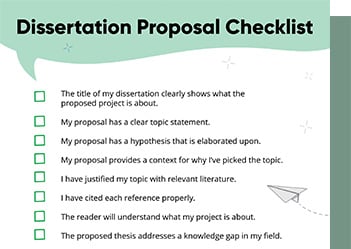
Checklist: Dissertation Proposal
Enter your email id to get the downloadable right in your inbox!
[contact-form-7 id="12425" title="Checklist: Dissertation Proposal"]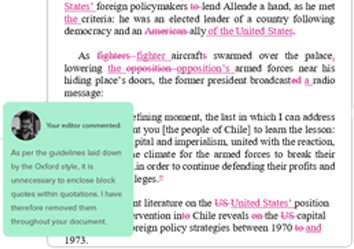
Examples: Edited Papers
Enter your email id to get the downloadable right in your inbox!
[contact-form-7 id="12426" title="Examples: Edited Papers"]Need
Editing and
Proofreading Services?

9 Effective Personal Statement Examples & Templates
 Aug 20, 2026
 10
min read
10
min read
Most of you might be expected to submit a personal statement as part of your college application. Having an impactful personal statement is vital in getting into the college of your dreams.
The personal statement is a crucial component of your application, and mastering college essay writing can significantly boost your chances of acceptance.
We’ve compiled some impactful personal statement examples for colleges, scholarships, and jobs. These examples should help you learn how to write a personal statement, but if you need a personal statement template for college, we’ve got you covered there, too! But first, let’s understand what goes into creating a strong personal statement or statement of purpose.
You can directly take a look at the samples of personal statements:
-
- Personal statement example for college
- Personal statement example for grad school
- Personal statement example for medical school
- Personal statement example for law school
- Personal statement example for MBA
- Personal statement example for scholarships
- Personal statement example for jobs
- Personal statement example for career change
What to include in a personal statement?
In order to impress the admissions committee, it is crucial that your personal statement answers key questions about who you are as an applicant. Here are some questions your personal statement should answer, similar to common college essay prompts:
- Why am I choosing this program?
- What are my primary motivators?
- What are my future goals, and how can I achieve them?
Summarizing your life’s goals, aims, achievements, and motivating factors into roughly 600 words can certainly be complicated! It’s confusing what to include and what to omit.
Let’s look at the main points you can include in order to answer these questions.
1. Personal anecdotes
Adding a touch of character to your personal statement can give the admissions committee insight into your personality beyond your transcripts. By including specific experiences and anecdotes, you can make your personal statement more engaging and informative.
In addition to highlighting your achievements and qualifications, sharing stories about your journey can help answer important questions such as “What sparked your interest in the field of your choice?” or “What motivates you to pursue your goals?”
Personal insights help the admissions committee understand your character, values, and your unique perspective.
Example:
(Engineering applicant)
“At age ten, I watched my grandmother struggle with her walker on our uneven sidewalk. That afternoon, I spent hours with cardboard and tape, designing a miniature ramp system for our front steps. While my prototype collapsed under her weight, her proud smile when she saw my effort sparked something in me. Since then, I’ve been captivated by the idea that engineering isn’t just about building things; it’s about building solutions that improve lives.”
2. Qualities that make you stand out
To create a strong impression on the admissions committee, simply listing out your achievements doesn’t cut it. Since they already have access to your transcripts, it’s important to go beyond the surface-level accomplishments and highlight the unique qualities and skills that make you a perfect candidate for the program of your choice.
Instead of solely focusing on your achievements, emphasize what you learned and how it impacted you. Discuss the challenges you faced, the lessons you learned, and the skills you developed.
Highlight how these experiences have shaped your values, perspectives, and goals. By highlighting the specific qualities and skills cultivated from each of your experiences, you can paint a compelling picture of who you are as an individual and what you can bring to the institution.
Example:
(Computer Science applicant)
“Yes, I won the regional hackathon, but the real victory happened at 3 AM when our code crashed for the fifth time. My teammate wanted to quit; I wanted to throw my laptop. Instead, we took a walk and laughed about our disaster. That break gave us a fresh perspective: we’d been overcomplicating the solution. We scrapped 12 hours of work and started over with a simpler approach. This experience taught me that innovation isn’t about writing perfect code; it’s about resilience, collaboration, and knowing when to step back. These skills matter more than any trophy.”
3. Specific reasons for selecting the program of your choice
It’s important to showcase your research and highlight specific aspects of the program that you appreciate in your personal statement. This can help show your interest and commitment to the program.
There are a variety of aspects you can research. For example, if the program has access to state-of-the-art equipment that is not commonly available in other programs, you can emphasize its value and explain how it aligns with your research interests.
You can also highlight a niche topic or research area that is not covered in other programs and explain how it helps you reach your goals.
Example:
(Environmental Engineering applicant)
“Cornell’s unique partnership with the Cayuga Lake monitoring station sets your program apart. Your real-time water quality database, maintained continuously since 1998, offers an unparalleled dataset that directly supports my interest in studying harmful algal bloom prediction models. Professor Martinez’s machine learning approach to early detection, combined with access to 25+ years of historical data, would allow me to develop predictive algorithms impossible to create elsewhere. Additionally, your program’s emphasis on community engagement demonstrates how academic research can drive immediate environmental impact exactly the type of applied science I want to pursue.”
Following these personal statement tips can help set you apart from other applicants and increase your chances of being accepted into the program.
Now that we’ve taken a look at what goes into the best personal statements, let’s look at some sample statements and essay examples.
Personal statement example for college
From a young age, I have been fascinated by the workings of the human mind.
My interest in psychology only deepened with time. I began reading books and watching documentaries about the latest research in this field. I was particularly drawn to the areas of cognitive psychology and neuropsychology, which explored how the brain processes information and how this affects behavior.
So when the time came to choose a major in college, I knew that psychology was the natural choice for me. This is precisely why the Clinical Psychology program at Stanford University has my deepest interest. The university has produced a significant amount of research in the field, some of which includes studies on student stress and cognitive biases.
I currently volunteer at a local mental health clinic, where I work with patients with a range of mental health conditions. During high school, I also had the opportunity to intern for a study that conducted research on the effects of mindfulness meditation.
Through these experiences, I became passionate about the potential of psychological research and its real-world impact.
Now, as I prepare for college, I am excited to continue exploring the frontiers of this fascinating field. I am particularly interested in the intersection of psychology and technology, and the ways in which virtual reality and other emerging technologies interact with mental health.
Ultimately, I hope to use my skills and knowledge to make a meaningful difference in the lives of others. I believe that psychology can unlock new levels of human potential, and I’m committed to helping others achieve this through the power of psychology.
Personal statement example for grad school
I was fascinated with television ever since I could remember. I always wondered how people fit into a box that small, wanting to dismantle and rebuild it. As I got older, my curiosity only grew stronger, and I found myself drawn to science and technology.
As a young teenager, I stumbled upon a programming book at the library. Intrigued by the idea of creating something out of nothing, I delved into the world of computer science. As I learned more about programming, I discovered a whole new way of understanding and interacting with the world.
Over the years, my love for technology continued to grow, and I knew that I wanted to pursue a career in this field. In college, I studied computer science and engineering, immersing myself in the latest developments in the field. I also had the opportunity to work on several projects that allowed me to put my skills into practice, including designing and building a small robot and creating an app that helped people track their carbon footprint.
As I approached graduation, I knew that I wanted to use my skills to make a positive impact on the world. I began volunteering at a local non-profit that focused on using technology to address social and environmental challenges. Through this work, I discovered a passion for using technology to create meaningful change in the world.
Now, as I prepare to take the next steps in my career, I am more excited than ever about the possibilities that lie ahead. I am eager to continue exploring the intersections of technology, social impact, and environmental sustainability. One small step at a time, I am committed to using my skills and knowledge to make a positive difference in the world.
Personal statement example for medical school
The summer I turned seventeen, my father was hospitalized for a week following a heart attack. I remember sitting in the waiting room, watching the cardiologist explain his diagnosis not just to my father, but to all of us. She adjusted her language for each person in the room: clinical precision for my father’s questions, calm reassurance for my mother’s fears, and a simple analogy about a garden hose for me. At that moment, I understood that medicine is not merely the application of science to the human body; it is the practice of translating knowledge into humanity.
That realization has guided every decision I have made since. I pursued a degree in Biochemistry, dedicating my undergraduate years to understanding the biological foundations of cardiovascular disease. I volunteered at a community health clinic where the majority of patients were uninsured, which taught me that access to care is as important as quality of care. I shadowed a general practitioner and an emergency physician, observing how the same scientific knowledge manifests differently depending on urgency, setting, and patient circumstance.
What struck me most during my clinical experiences was not the diagnoses; it was the conversations that surrounded them. The patient who delayed seeking care because she feared the cost. The elderly man who did not understand his discharge instructions. These encounters confirmed that becoming a physician means becoming an advocate, an educator, and a listener, not only a clinician.
I am applying to the MD programme at [University Name] because of its emphasis on community medicine and its longitudinal patient care model, which mirrors the kind of physician I aspire to be: one who treats the whole person over time, not just the immediate condition. With a foundation in research and a commitment forged by personal experience, I am ready to begin.
Personal statement example for law school
At sixteen, I watched my aunt sign documents she could not fully read. She had just been offered a settlement by her employer after a workplace injury, and the lawyer on the other side of the table spoke quickly and used language that was deliberately impenetrable. She signed. She later learned she had waived her right to any future claims, something nobody had explained in plain terms.
I did not become angry at the law. I became determined to understand it.
I pursued a degree in Political Science and Philosophy, drawn to questions about justice, power, and the gap between what the law says and what it does in practice. During my second year, I joined a legal aid clinic as a paralegal volunteer, assisting with housing disputes for low-income tenants facing eviction. Many of our clients were educated, articulate people who were simply unfamiliar with the procedural mechanics that determined their outcomes. The law was not failing them because it was unjust; it was failing them because it was inaccessible.
This experience convinced me that the practice of law, at its most meaningful, is the work of making power legible to people who have historically been excluded from it. I want to be a lawyer who works in employment and labour rights, not because it is a niche, but because it sits at the intersection of personal dignity and systemic accountability.
[University Name]’s Law School is where I want to develop this work. Your clinical programme in workers’ rights and the faculty’s research in labour law align precisely with my goals. I bring to this programme a clear sense of purpose, a record of community engagement, and the conviction that law is most valuable when it is most visible to those who need it.
Personal statement example for MBA
Three years ago, I inherited a problem that was not mine to fix. As a product manager at a mid-sized logistics company, I discovered that our last-mile delivery costs had increased by 34% over eighteen months, not because of fuel prices or labour, but because of a data pipeline that nobody owned. Information between our warehouse management system and our route optimisation software was siloed, causing drivers to make redundant stops and dispatchers to work from outdated maps.
I had no formal authority over engineering or operations. I had a whiteboard and a meeting room.
Over the following four months, I facilitated cross-functional alignment between three departments that had not communicated meaningfully in two years. I built the business case, navigated the internal politics, and ultimately oversaw a systems integration that reduced last-mile costs by 21% and cut average delivery times by 14 minutes per route. The project was not glamorous. It required far more organisational patience than technical skill.
What it taught me is that the problems worth solving at scale in supply chain, in infrastructure, in global operations rarely have purely technical solutions. They require leaders who can translate between disciplines, build trust across functions, and sustain momentum through ambiguity. That is the leader I am working to become.
I am applying to [University Name]’s MBA programme because your Supply Chain and Operations specialisation, combined with the global consulting practicum, will give me the frameworks and field experience to tackle these problems at a level of complexity I cannot reach in my current role. I am ready to bring my operational experience into the classroom and take what I learn there back into the field.
Personal statement example for scholarships
Chemistry has always fascinated me. From the chemical reactions that occur in our everyday lives to the intricate mechanisms of the human body, chemistry is the foundation of everything around us.
My interest in chemistry sparked when I watched my mother make cheese from whole milk, witnessing firsthand how she separated the cream from the milk and transformed it into cheese.
Because of this interest, I delved headfirst into the world of chemistry. I took advanced courses and consistently received top grades. I also participated in a number of extracurricular activities, including science clubs and competitions. In addition, I conducted research in this field, working with my teacher to investigate the effects of different solvents on chemical reactions.
My experiences have taught me the importance of attention to detail, careful observation, and teamwork. I believe that these skills will be essential as I continue my studies and pursue a career in this subject. I am confident that my passion for the subject, combined with my academic achievements and research experience, makes me a strong candidate for this scholarship.
In conclusion, I am deeply grateful for the opportunity to apply for this scholarship. I am committed to pursuing a career in chemistry and believe that this scholarship will help me to achieve my goals.
With the financial support and encouragement provided by this scholarship, I am confident that I will be able to make a meaningful contribution to the field of chemistry and to society as a whole.
Personal statement example for jobs
As I left home, I vividly remember my mother urging me to stay safe and call her every week. I had to move to Texas, leaving my mother behind in Honduras for 10 years.
When we were finally reunited, she shared the horrors she had faced back home, the worsening violence and poverty caused by drug abuse. Her experiences finally pushed me to take some form of action within my sphere of activity. Of course, there was no option but to excel at school.
Due to the recurring culture shocks and adjustments, I had to work harder on my academics. But it was through extracurriculars such as the debate team and volleyball that I truly felt included. This gave me the confidence to lead the Model United Nations (MUN) in college. We organized events to collect funds for relief centers in Somalia, raising over $20,000.
When elected student council president, I organized teams to conduct drives in Somalia and Guatemala. Even having heard stories from my mother, witnessing the daily struggles in these countries completely changed my perspective toward human rights, privilege, and global accountability.
My experiences have given me deeper insights into the trials and tribulations faced by people of color, especially in African countries. As part of your organization, I can make a larger difference in the global politics of racial equity.
Personal statement example for a career change
For eight years, I taught secondary school history. I loved the work, the challenge of making the past feel urgent, the moment when a student realises that the Treaty of Versailles explains something about their present world. But over time, I found myself drawn to a different kind of problem-solving. Every year, I watched students with significant learning differences fall behind not because they lacked ability, but because our school’s systems were not designed with them in mind.
I began studying on my own, reading research in cognitive science, attending workshops on universal design for learning, and eventually partnering with our school’s SENCO to redesign two of my own modules using evidence-based approaches. The results were measurable: students with learning differences improved their assessment outcomes, and the rest of the class benefited too.
That work led me here. I am applying to the MSc in Educational Psychology because I want to move from the classroom, where I can implement change, to the systems level, where I can influence how schools are designed to serve all learners. Teaching gave me an understanding of learning from the inside. Graduate study in educational psychology will give me the theoretical and research grounding to translate that experience into policy-level impact.
I am not leaving teaching behind; I am extending it. The skills I developed in a classroom full of diverse learners observation, adaptation, evidence-based iteration, and the ability to build trust quickly are, I believe, exactly the skills that make an effective educational psychologist. I look forward to bringing them into this programme and, eventually, back into schools at scale.
Personal statement template for college
This personal statement template for college is a foolproof guide to help you craft a successful application. Our relevant personal statement examples and carefully curated template will answer all the questions of the admissions committee and will provide valuable insights into your qualifications and aspirations.
Download this free personal statement template to showcase your academic and extracurricular achievements, highlight your relevant experience, and express your passion for the program.
Download the Free Personal Statement Template
If you think you need additional help editing and proofreading your personal statement, you can consider approaching a professional essay editing service like PaperTrue for an impeccably formatted personal statement.
More free resources for you: