- A List of Writing Contests in 2022 | Exciting Prizes!
- Em Dash vs. En Dash vs. Hyphen: When to Use Which
- Book Proofreading 101: The Beginner’s Guide
- Screenplay Editing: Importance, Cost, & Self-Editing Tips
- Screenplay Proofreading: Importance, Process, & Cost
- Script Proofreading: Rates, Process, & Proofreading Tips
- Manuscript Proofreading | Definition, Process & Standard Rates
- Tips to Write Better if English Is Your Second Language
- Novel Proofreading | Definition, Significance & Standard Rates
- Top 10 Must-Try Writing Prompt Generators in 2024
- 100+ Creative Writing Prompts for Masterful Storytelling
- Top 10 eBook Creator Tools in 2024: Free & Paid
- 50 Timeless and Unforgettable Book Covers of All Time
- What Is Flash Fiction? Definition, Examples & Types
- 80 Enchanting Christmas Writing Prompts for Your Next Story
- Your Guide to the Best eBook Readers in 2024
- Top 10 Book Review Clubs of 2025 to Share Literary Insights
- 2024’s Top 10 Self-Help Books for Better Living
- Writing Contests 2023: Cash Prizes, Free Entries, & More!
- What Is a Book Teaser and How to Write It: Tips and Examples
- Audiobook vs. EBook vs. Paperback in 2024: (Pros & Cons)
- How to Get a Literary Agent in 2024: The Complete Guide
- Alpha Readers: Where to Find Them and Alpha vs. Beta Readers
- Author Branding 101: How to Build a Powerful Author Brand
- A Guide on How to Write a Book Synopsis: Steps and Examples
- How to Write a Book Review (Meaning, Tips & Examples)
- 50 Best Literary Agents in the USA for Authors in 2024
- Building an Author Website: The Ultimate Guide with Examples
- Top 10 Paraphrasing Tools for All (Free & Paid)
- Top 10 Book Editing Software in 2024 (Free & Paid)
- What Are Large Language Models and How They Work: Explained!
- Top 10 Hardcover Book Printing Services [Best of 2024]
- 2024’s Top 10 Setting Generators to Create Unique Settings
- Different Types of Characters in Stories That Steal the Show
- Top 10 Screenplay & Scriptwriting Software (Free & Paid)
- 10 Best AI Text Generators of 2024: Pros, Cons, and Prices
- Top 10 Must-Try Character Name Generators in 2024
- 10 Best AI Text Summarizers in 2024 (Free & Paid)
- 2024’s 10 Best Punctuation Checkers for Error-Free Text
- 11 Best Story Structures for Writers (+ Examples!)
- How to Write a Book with AI in 2024 (Free & Paid Tools)
- Writing Contests 2024: Cash Prizes & Free Entries!
- Patchwork Plagiarism: Definition, Types, & Examples
- Simple Resume Formats for Maximum Impact With Samples
- What Is a Complement in a Sentence? (Meaning, Types & Examples)
- What are Clauses? Definition, Meaning, Types, and Examples
- Persuasive Writing Guide: Techniques & Examples
- How to Paraphrase a Text (Examples + 10 Strategies!)
- A Simple Proofreading Checklist to Catch Every Mistake
- Top 10 AI Resume Checkers for Job Seekers (Free & Paid)
- 20 Best Comic Book Covers of All Time!
- How to Edit a Book: A Practical Guide with 7 Easy Steps
- How to Write an Autobiography (7 Amazing Strategies!)
- How to Publish a Comic Book: Nine Steps & Publishing Costs
- Passive and Active Voice (Meaning, Examples & Uses)
- How to Publish a Short Story & Best Publishing Platforms
- What Is Expository Writing? Types, Examples, & 10 Tips
- 10 Best Introduction Generators (Includes Free AI Tools!)
- Creative Writing: A Beginner’s Guide to Get Started
- How to Sell Books Online (Steps, Best Platforms & Tools)
- Top 10 Book Promotion Services for Authors (2025)
- 15 Different Types of Poems: Examples & Insight into Poetic Styles
- 10 Best Book Writing Apps for Writers 2025: Free & Paid!
- Top 10 AI Humanizers of 2025 [Free & Paid Tools]
- How to Write a Poem: Step-by-Step Guide to Writing Poetry
- 100+ Amazing Short Story Ideas to Craft Unforgettable Stories
- The Top 10 Literary Devices: Definitions & Examples
- Top 10 AI Translators for High-Quality Translation in 2025
- Top 10 AI Tools for Research in 2025 (Fast & Efficient!)
- 50 Best Essay Prompts for College Students in 2025
- Top 10 Book Distribution Services for Authors in 2025
- Best 101 Greatest Fictional Characters of All Time
- Top 10 Book Title Generators of 2025
- Best Fonts and Sizes for Books: A Complete Guide
- What Is an Adjective? Definition, Usage & Examples
- How to Track Changes in Google Docs: A 7-Step Guide
- Best Book Review Sites of 2025: Top 10 Picks
- Parts of a Book: A Practical, Easy-to-Understand Guide
- What Is an Anthology? Meaning, Types, & Anthology Examples
- How to Write a Book Report | Steps, Examples & Free Template
- 10 Best Plot Generators for Engaging Storytelling in 2025
- 30 Powerful Poems About Life to Inspire and Uplift You
- What Is a Poem? Poetry Definition, Elements, & Examples
- Metonymy: Definition, Examples, and How to Use It In Writing
- How to Write a CV with AI in 9 Steps (+ AI CV Builders)
- What Is an Adverb? Definition, Types, & Practical Examples
- How to Create the Perfect Book Trailer for Free
- Top 10 Book Publishing Companies in 2025
- 14 Punctuation Marks: A Guide on How to Use with Examples!
- Translation Services: Top 10 Professional Translators (2025)
- 10 Best Free Online Grammar Checkers: Features and Ratings
- 30 Popular Children’s Books Teachers Recommend in 2025
- 10 Best Photobook Makers of 2025 We Tested This Year
- Top 10 Book Marketing Services of 2025: Features and Costs
- Top 10 Book Printing Services for Authors in 2025
- 10 Best AI Detector Tools in 2025
- Audiobook Marketing Guide: Best Strategies, Tools & Ideas
- 10 Best AI Writing Assistants of 2025 (Features + Pricing)
- How to Write a Book Press Release that Grabs Attention
- 15 Powerful Writing Techniques for Authors in 2025
- Generative AI: Types, Impact, Advantages, Disadvantages
- Top 101 Bone-Chilling Horror Writing Prompts
- 25 Figures of Speech Simplified: Definitions and Examples
- Top 10 AI Rewriters for Perfect Text in 2025 (Free & Paid)
- Best EBook Cover Design Services of 2025 for Authors
- Writing Contests 2025: Cash Prizes, Free Entries, and More!
- Top 10 Book Writing Software, Websites, and Tools in 2025
- National Novel Writing Month (NaNoWriMo)
- Best Horror Books of All Time (Must-Read List)
- Best Book Trailer Services
- What is a Book Copyright Page?
- Final Checklist: Is My Article Ready for Submitting to Journals?
- 8 Pre-Publishing Steps to Self-Publish Your Book
- 7 Essential Elements of a Book Cover Design
- How to Copyright Your Book in the US, UK, & India
- Beta Readers: Why You Should Know About Them in 2024
- How to Publish a Book in 2024: Essential Tips for Beginners
- Book Cover Design Basics: Tips & Best Book Cover Ideas
- Why and How to Use an Author Pen Name: Guide for Authors
- How to Format a Book in 2025: 7 Tips for Book Formatting
- What is Manuscript Critique? Benefits, Process, & Cost
- 10 Best Ghostwriting Services for Authors in 2025
- ISBN Guide 2025: What Is an ISBN and How to Get an ISBN
- Best Manuscript Editing Services of 2025
- How to Hire a Book Editor in 5 Practical Steps
- Self-Publishing Options for Writers
- How to Promote Your Book Using a Goodreads Author Page
- 7 Essential Elements of a Book Cover Design
- What Makes Typesetting a Pre-Publishing Essential for Every Author?
- 4 Online Publishing Platforms To Boost Your Readership
- Typesetting: An Introduction
- Quick Guide to Novel Editing (with a Self-Editing Checklist)
- Self-Publishing vs. Traditional Publishing: 2024 Guide
- How to Publish a Book in 2024: Essential Tips for Beginners
- How to Publish a Book on Amazon: 8 Easy Steps [2024 Update]
- What are Print-on-Demand Books? Cost and Process in 2024
- What Are the Standard Book Sizes for Publishing Your Book?
- How to Market Your Book on Amazon to Maximize Sales in 2024
- Top 10 Hardcover Book Printing Services [Best of 2024]
- How to Find an Editor for Your Book in 8 Steps (+ Costs!)
- What Is Amazon Self-Publishing? Pros, Cons & Key Insights
- Manuscript Editing in 2024: Elevating Your Writing for Success
- Know Everything About How to Make an Audiobook
- A Simple 14-Point Self-Publishing Checklist for Authors
- How to Write an Engaging Author Bio: Tips and Examples
- Book Cover Design Basics: Tips & Best Book Cover Ideas
- How to Publish a Comic Book: Nine Steps & Publishing Costs
- Why and How to Use an Author Pen Name: Guide for Authors
- How to Sell Books Online (Steps, Best Platforms & Tools)
- A Simple Guide to Select the Best Self-Publishing Websites
- 10 Best Book Cover Design Services of 2025: Price & Ratings
- How Much Does It Cost to Self-Publish a Book in 2025?
- Quick Guide to Book Editing [Complete Process & Standard Rates]
- How to Distinguish Between Genuine and Fake Literary Agents
- What is Self-Publishing? Everything You Need to Know
- How to Copyright a Book in 2025 (Costs + Free Template)
- The Best eBook Conversion Services of 2025: Top 10 Picks
- 10 Best Self-Publishing Companies of 2025: Price & Royalties
- 10 Best Photobook Makers of 2025 We Tested This Year
- Book Cover Types: Formats, Bindings & Styles
- ISBN Guide 2025: What Is an ISBN and How to Get an ISBN
- A Beginner’s Guide on How to Self Publish a Book (2025)
- Index in a Book: Definition, Purpose, and How to Use It
- How to Publish a Novel: Easy Step-By-Step Guide
- How to start your own online publishing company?
- 8 Tips To Write Appealing Query Letters
- Self-Publishing vs. Traditional Publishing: 2024 Guide
- How to Publish a Book in 2024: Essential Tips for Beginners
- What are Print-on-Demand Books? Cost and Process in 2024
- How to Write a Query Letter (Examples + Free Template)
- Third-person Point of View: Definition, Types, Examples
- How to Write an Engaging Author Bio: Tips and Examples
- How to Publish a Comic Book: Nine Steps & Publishing Costs
- Top 10 Book Publishing Companies in 2025
- 10 Best Photobook Makers of 2025 We Tested This Year
- Book Cover Types: Formats, Bindings & Styles
- ISBN Guide 2025: What Is an ISBN and How to Get an ISBN
- Index in a Book: Definition, Purpose, and How to Use It
- How to Publish a Novel: Easy Step-By-Step Guide
- How to Create Depth in Characters
- Starting Your Book With a Bang: Ways to Catch Readers’ Attention
- Research for Fiction Writers: A Complete Guide
- Short stories: Do’s and don’ts
- How to Write Dialogue: 7 Rules, 5 Tips & 65 Examples
- What Are Foil and Stock Characters? Easy Examples from Harry Potter
- How To Write Better Letters In Your Novel
- On Being Tense About Tense: What Verb Tense To Write Your Novel In
- How To Create A Stellar Plot Outline
- How to Punctuate Dialogue in Fiction
- On Being Tense about Tense: Present Tense Narratives in Novels
- The Essential Guide to Worldbuilding [from Book Editors]
- What Is Point of View? Definition, Types, & Examples in Writing
- How to Create Powerful Conflict in Your Story | Useful Examples
- How to Write a Book: A Step-by-Step Guide
- How to Write a Short Story in 6 Simple Steps
- How to Write a Novel: 8 Steps to Help You Start Writing
- What Is a Stock Character? 150 Examples from 5 Genres
- Joseph Campbell’s Hero’s Journey: Worksheet & Examples
- Novel Outline: A Proven Blueprint [+ Free Template!]
- Character Development: 7-Step Guide for Writers
- What Is NaNoWriMo? Top 7 Tips to Ace the Writing Marathon
- What Is the Setting of a Story? Meaning + 7 Expert Tips
- What Is a Blurb? Meaning, Examples & 10 Expert Tips
- What Is Show, Don’t Tell? (Meaning, Examples & 6 Tips)
- How to Write a Book Summary: Example, Tips, & Bonus Section
- How to Write a Book Description (Examples + Free Template)
- 10 Best Free AI Resume Builders to Create the Perfect CV
- A Complete Guide on How to Use ChatGPT to Write a Resume
- 10 Best AI Writer Tools Every Writer Should Know About
- How to Write a Book Title (15 Expert Tips + Examples)
- 100 Novel and Book Ideas to Start Your Book Writing Journey
- Exploring Writing Styles: Meaning, Types, and Examples
- Mastering Professional Email Writing: Steps, Tips & Examples
- How to Write a Screenplay: Expert Tips, Steps, and Examples
- Business Proposal Guide: How to Write, Examples and Template
- Different Types of Resumes: Explained with Tips and Examples
- How to Create a Memorable Protagonist (7 Expert Tips)
- How to Write an Antagonist (Examples & 7 Expert Tips)
- Writing for the Web: 7 Expert Tips for Web Content Writing
- 10 Best AI Text Generators of 2024: Pros, Cons, and Prices
- What are the Parts of a Sentence? An Easy-to-Learn Guide
- What Is Climax Of A Story & How To Craft A Gripping Climax
- What Is a Subject of a Sentence? Meaning, Examples & Types
- Object of a Sentence: Your Comprehensive Guide
- What Is First-Person Point of View? Tips & Practical Examples
- Second-person Point of View: What Is It and Examples
- 10 Best AI Essay Outline Generators of 2024
- Third-person Point of View: Definition, Types, Examples
- The Importance of Proofreading: A Comprehensive Overview
- Patchwork Plagiarism: Definition, Types, & Examples
- Simple Resume Formats for Maximum Impact With Samples
- The Ultimate Guide to Phrases In English – Types & Examples
- Modifiers: Definition, Meaning, Types, and Examples
- What are Clauses? Definition, Meaning, Types, and Examples
- Persuasive Writing Guide: Techniques & Examples
- What Is a Simile? Meaning, Examples & How to Use Similes
- Mastering Metaphors: Definition, Types, and Examples
- How to Publish a Comic Book: Nine Steps & Publishing Costs
- Essential Grammar Rules: Master Basic & Advanced Writing Skills
- Benefits of Using an AI Writing Generator for Editing
- Hyperbole in Writing: Definition and Examples
- 15 Best ATS-Friendly ChatGPT Prompts for Resumes in 2025
- How to Write a Novel in Past Tense? 3 Steps & Examples
- 10 Best Spell Checkers of 2025: Features, Accuracy & Ranking
- Foil Character: Definition, History, & Examples
- 5 Key Elements of a Short Story: Essential Tips for Writers
- How to Write a Children’s Book: An Easy Step-by-Step Guide
- How To Write a Murder Mystery Story
- What Is an Adjective? Definition, Usage & Examples
- Metonymy: Definition, Examples, and How to Use It In Writing
- Fourth-Person Point of View: A Unique Narrative Guide
- How to Write a CV with AI in 9 Steps (+ AI CV Builders)
- What Is an Adverb? Definition, Types, & Practical Examples
- How to Write A Legal Document in 6 Easy Steps
- 10 Best AI Story Generators in 2025: Write Captivating Tales
- How to Introduce a Character Effectively
- What is Rhetoric and How to Use It in Your Writing
- How to Write a Powerful Plot in 12 Steps
- How to Make Money as a Writer: Your First $1,000 Guide
- How to Write SEO Content: Tips for SEO-Optimized Content
- Types of Introductions and Examples
- What is a Cliffhanger? Definition, Examples, & Writing Tips
- How to Write Cliffhangers that Keep Readers Hooked!
- How to Write a Romance Novel: Step-by-Step Guide
- Top 10 Writing Tips from Famous Authors
- 10 Best Ghostwriting Services for Authors in 2025
- What is Ghostwriting? Meaning and Examples
- How to Become a Ghostwriter: Complete Career Guide
- How to Write a Speech that Inspires (With Examples)
- Theme of a Story | Meaning, Common Themes & Examples
- 10 Best AI Writing Assistants of 2025 (Features + Pricing)
- Generative AI: Types, Impact, Advantages, Disadvantages
- Worldbuilding Questions and Templates (Free)
- How to Avoid Plagiarism in 2025 (10 Effective Strategies!)
- How to Create Marketing Material
- What Is Worldbuilding? Steps, Tips, and Examples
- How to Avoid AI Detection in 2025 (6 Proven Techniques!)
- What is Syntax in Writing: Definition and Examples
- What is a Subplot? Meaning, Examples & Types
- Writing Challenges Every Writer Should Take
- What Is a Memoir? Definition, Examples, and Tips
- What Is Fiction? Definition, Types & Examples
Still have questions? Leave a comment
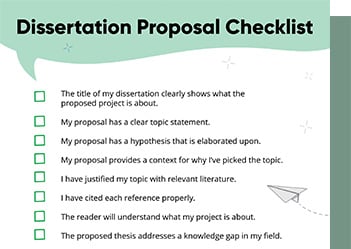
Checklist: Dissertation Proposal
Enter your email id to get the downloadable right in your inbox!
[contact-form-7 id="12425" title="Checklist: Dissertation Proposal"]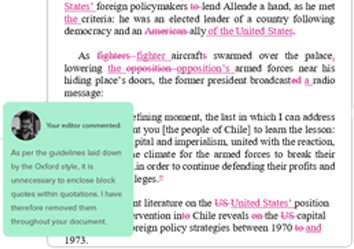
Examples: Edited Papers
Enter your email id to get the downloadable right in your inbox!
[contact-form-7 id="12426" title="Examples: Edited Papers"]Looking
to self-publish
your book?
11 Best Story Structures for Writers (+ Examples!)
 Jul 24, 2024
 10
min read
10
min read
- Tags: Fiction, Fiction Writing, Language
One of the reasons why the Harry Potter series and Cinderella are so famous is their engaging story structure. Explore 11 different story structures and learn how to use them! Whether you’re writing a book, screenplay, or short story, these structures can help create engaging plots. We’ve also given exciting story structure examples!
The following story structures are explored in this article:
- Three Act Structure
- The Hero’s Journey
- Dan Harmon’s Story Circle
- The Snowflake Method
- The Story Spine
- The Heroine’s Journey
- The Spiral Structure
- Nested Loops
- In Media Res
- Beat Sheet
- Dual Narrative
If you think that a story structure always follows a logical sequence of events, this isn’t always true. So what is a story structure? Let’s see the story structure meaning very quickly.
What is story structure?
Story structure is the way events are arranged in a story. They help to organize the plot, giving a direction to the story. To understand better, let’s see its broad types: linear and non-linear story structures!
1. Non-linear structures
In many stories, the story structure is like a maze where the events are not presented in the order they occur. For example, events that took place later can be mentioned first, or any events from the past can be highlighted afterward.
This non-linear structure can be seen in stories like The Night Circus and The Girl with the Dragon Tattoo.
2. Linear structures
In some stories, like a straight road trip, the story starts with the first event that took place, followed by events that happened next. This is the linear structure.
Hansel and Gretel, Snow White and the Seven Dwarfs, Little Red Riding Hood, and The Fault in Our Stars are some examples of linear story structures.
Now let’s see the 11 different types of story structures in detail!
11 amazing types of story structures
1. Three-Act Structure
This basic story structure is widely used in literature, film, and theater. Following is a simple explanation of all three acts:
a. Act 1: Setup/ exposition
Introduction: The main characters, setting, and the initial situation are established.
Inciting incident: There is a change/event that leads to a challenge or goal.
Plot point 1: The protagonist commits to facing the challenge/achieving the goal.
b. Act 2: Confrontation
Rising action: The protagonist faces escalating challenges.
Midpoint: A significant event occurs that raises stakes for the characters.
Plot point 2: An event leads to the climax, resulting in the greatest challenge for the protagonist.
c. Act 3: Resolution
Climax: The protagonist faces the main conflict.
Falling action: The consequences and impact of the climax on the characters are revealed.
Denouement: The final resolution occurs and the story ends.
An example of the following story structure is:
| Act 1 | Act 2 | Act 3 |
|---|---|---|
| Introduction: Jane, a high school student, lives an ordinary life in a small town. | Rising action: Jane struggles to keep up with her classmates and master her newfound magical abilities. | Climax: Jane and her friends confront the ancient evil in a decisive battle, with Jane using her elemental magic to turn the tide. |
| Inciting incident: A mysterious letter arrives, revealing that Jane has been accepted into a prestigious magic academy. | Midpoint: Jane discovers a hidden talent for elemental magic. | Falling action: The ancient evil is defeated, and the academy is saved. |
| Plot point 1: Despite her doubts, Jane decides to attend the academy to learn magic. | Plot point 2: An ancient evil escapes from a sealed tomb, threatening the academy and the world. | Denouement: Jane graduates from the academy, ready to embark on new adventures. |
2. The Hero’s Journey
Given by Joseph Campbell, the Hero’s Journey is a structure seen in many myths, legends, and storytelling traditions. The following are its 12 stages:
- Ordinary world: The hero’s normal life before the adventure begins.
- Call to adventure: The hero is faced with a challenge or quest.
- Refusal of the call: The hero hesitates or refuses the call to adventure.
- Meeting the mentor: The hero meets a mentor who provides guidance and support.
- Crossing the threshold: The hero leaves the familiar world and enters the unknown.
- Tests, allies, enemies: The hero faces challenges, makes allies, and confronts enemies.
- Approach to the inmost cave: The hero prepares for a significant challenge in the unknown world.
- Ordeal: The hero faces a major crisis or challenge, confronting their greatest fear.
- Reward (Seizing the Sword): The hero overcomes the ordeal and gains a reward or records a victory.
- The road back: The hero begins the journey back to the ordinary world.
- Resurrection: The hero faces a final test or challenge, emerging transformed, and reborn.
- Return with the elixir: The hero returns home with new knowledge, wisdom, or power that benefits their ordinary world.
In the book The Wonderful Wizard of Oz, Dorothy’s journey is a good example of Hero’s Journey. A young girl from Kansas, Dorothy is swept away by a cyclone to the magical land of Oz. She embarks on a journey to find her way back home and seek help from the Wizard of Oz.
Along the way, she encounters various challenges and makes new friends – the Scarecrow, the Tin Woodman, and the Cowardly Lion. Through her adventures, Dorothy discovers her strength, confronts the Wizard, and realizes that the power to return home is with her all along. She finally reaches home.
3. Dan Harmon’s Story Circle
Dan Harmon, the creator of TV shows like Community and Rick and Morty, developed this tool. Following are the 8 stages of this story structure:
- You: Introduce the protagonist in their normal world.
- Need: The protagonist experiences a desire or need that disrupts their comfort.
- Go: The protagonist enters a new, unfamiliar situation to fulfill their needs.
- Search: The protagonist faces challenges and learns to navigate the new situation.
- Find: The protagonist achieves their goal or obtains what they sought.
- Take: The protagonist faces the consequences or sacrifices due to their quest.
- Return: The protagonist returns to their original situation, often changed or enlightened.
- Change: The protagonist is transformed by their experiences and the journey’s lessons.
Let’s apply this theory to the popular short story Jack and the Beanstalk to understand better!
- You: Jack is a poor farmhand.
- Need: He desires wealth and a better life.
- Go: Jack trades his cow for magic beans, which grow into a giant beanstalk.
- Search: Jack climbs the beanstalk and explores the giant’s castle, seeking treasures.
- Find: Jack discovers a golden harp and a goose that lays golden eggs.
- Take: The giant chases Jack, who narrowly escapes down the beanstalk.
- Return: Jack returns home with the treasures, but the giant follows him.
- Change: Jack outwits the giant, becomes wealthy, and learns the value of cleverness over greed.
4. The snowflake method
Developed by author and professor Randy Ingermanson, this story structure emphasizes the importance of gradually expanding a story. The following are its steps:
- One-sentence summary: Create a concise summary of your story in one sentence.
- One-paragraph summary: Expand the sentence into a paragraph that outlines the story’s major events.
- Character summaries: Write a one-page summary for each major character, detailing their goals, motivations, and conflicts.
- Expanded plot summary: Expand the one-paragraph summary into a one-page outline, including key story points.
- Character synopses: Write a detailed synopsis for each major character, including their story arc and development.
- Expanded plot: Turn the one-page plot outline into a multi-page summary, detailing each major scene and event.
- Scene list: Create a spreadsheet or list of all scenes, including the main action and the purpose of each scene.
- Write the first draft: Using the detailed scene list, write the first draft of your novel.
Let’s see an example to understand this better!
- One-sentence summary: A young girl discovers a magical key that unlocks a hidden world.
- One-paragraph summary: Jenna, a curious 10-year-old, finds a mysterious key. This key opens the door to several enchanted forests. As Jenna explores this new world, she learns that an evil sorcerer has taken control of this world. She learns about her grandfather’s connection to the world and how she’s destined to save it. Jenna defeats the sorcerer.
- Character summaries
- Jenna: A brave, curious girl who discovers a magical world.
- Grandfather: A wise old man with a mysterious past.
- Talking rabbit: Jenna’s guide and friend in the magical world.
- Evil sorcerer: The main antagonist who seeks to control both worlds.
- Expanded summary: Jenna learns that her grandfather was once a guardian of Sylvalia and that she has inherited his magical abilities. With the talking rabbit Finnegan’s help, Jenna embarks on a quest to find the ancient Book of Light, which holds the power to defeat Malakai. Along the way, she faces challenges such as crossing a treacherous ravine, outsmarting a cunning fox, and navigating a labyrinth guarded by a giant troll.
As Jenna overcomes each obstacle, she grows in confidence and strength, ultimately confronting Malakai in his dark tower. Using the Book of Light and her own inner power, Jenna defeats the sorcerer, freeing Sylvalia from his grasp.
5. The Story Spine
Created by the playwright Kenn Adams, this story structure is widely used. The following are its 8 steps:
- Once upon a time..: Establishes the setting and introduces the main character.
- Every day…Describes the character’s normal life and routine.
- But one day…Introduces an inciting incident that disrupts the normal routine.
- Because of that…Shows the consequences of the inciting incident, leading to a series of events.
- Because of that…Continues the chain of events, escalating the story.
- Because of that…Further escalates the story, building towards the climax.
- Until finally… Reaches the climax where the main conflict is resolved.
- And ever since then…Concludes the story, showing the new reality for the character.
Let’s see a short, interesting example of this structure!
- Once upon a time, there was a hardworking ant named Archie.
- Every day, Archie gathered food and strengthened his ant colony.
- But one day, a greedy grasshopper named Greg stole the colony’s food.
- Because of that, Archie set out on a quest to retrieve the stolen food.
- Because of that, Archie faced challenges and made new allies.
- Because of that, Archie discovered Greg’s weaknesses and devised a plan.
- Until finally, Archie outsmarted Greg and recovered the colony’s food.
- And ever since then, Archie’s colony thrived, and Greg learned the value of honest work.
6. The heroine’s journey
The concept of the Heroine’s Journey was notably developed by Maureen Murdock, a psychotherapist and author. The following are this structure’s 9 stages:
- Separation from the feminine: The heroine starts in a world where she feels constrained by traditional feminine roles.
- Identification with the masculine & gathering of allies: She adopts traditionally masculine traits and gathers support to pursue her goals.
- Road of trials: The heroine faces challenges and obstacles that test her strength and resolve.
- Experiencing the boon of success: She achieves a significant victory or success.
- Awakening to feelings of spiritual aridity/death: Despite her success, she feels a sense of emptiness or lack of fulfillment.
- Initiation & descent to the goddess: She undergoes an inner transformation, reconnecting with her feminine side and deeper self.
- Urgent yearning to reconnect with the feminine: The heroine seeks to integrate her feminine qualities and restore balance.
- Healing the wounded masculine: She heals her relationship with masculine aspects of herself and others.
- Integration of the masculine and feminine: The heroine achieves harmony between her masculine and feminine traits, leading to true empowerment and wholeness.
The following example explains this story structure!
- Separation from the feminine: Alice feels trapped in her small town, where she’s expected to marry young and become a housewife.
- Identification with the masculine & gathering of allies: She decides to pursue her dream of becoming a writer and moves to the city, where she meets a supportive group of friends.
- Road of trials: Alice struggles to find a job and faces rejection from publishers. She doubts her abilities and considers giving up.
- Experiencing the boon of success: She finally lands a job at a magazine and her articles receive praise. She starts working on a novel.
- Awakening to feelings of spiritual aridity/death: Despite her success, Alice feels empty and disconnected from her true self. She realizes she’s lost touch with her creativity and passion.
- Initiation & descent to the goddess: Alice takes a solo retreat to reconnect with herself. She rediscovers her love for writing and begins to prioritize her own needs.
- Urgent yearning to reconnect with the feminine: She starts incorporating self-care and mindfulness into her daily routine. She also reconnects with her female friends.
- Healing the wounded masculine: Alice learns to set boundaries at work and in her relationships, standing up for herself and her values.
- Integration of the masculine and feminine: She finishes her novel, which reflects her journey of self-discovery. Alice emerges as a confident, balanced woman who embraces both her ambition and her emotional well-being.
7. The spiral structure
This structure is particularly effective for exploring complex characters, intricate plots, or thematic depth. The following are its steps:
- Introduction: Establish the basic premise, characters, and initial conflict.
- Repetition with variation: Key events or themes recur throughout the story, each time with new insights, challenges, or stakes.
- Deepening conflict: With each cycle, the protagonist faces more intense versions of the original conflict or theme, leading to greater personal growth or revelation.
- Climax: The cumulative effect of the repeated cycles leads to a peak of tension and resolution.
- Resolution: The story concludes with a sense of closure, as the protagonist has undergone significant transformation through their journey.
The following is an example of the spiral structure:
- Introduction: Liam, a shy teenager, dreams of becoming a singer but has severe stage fright.
- Repetition with variation: Liam joins the school choir and starts singing in front of others, but still struggles with solos.
- Deepening conflict: Liam lands the lead role in the school musical but becomes increasingly anxious during rehearsals.
- Repetition with variation: A voice coach teaches Liam techniques to manage his anxiety, but he still fumbles during dress rehearsals.
- Deepening conflict: On opening night, Liam freezes on stage, unable to sing his first note.
- Climax: Liam takes a deep breath, visualizes himself singing confidently, and delivers a stunning performance.
- Resolution: Liam realizes how much he has grown during his journey and embraces his newfound confidence to pursue his passion for singing.
Now let’s see how to structure a story using nested loops.
8. Nested Loops
This structure helps to explore multiple perspectives related to a main theme/event. The following are its steps:
- Primary narrative: The main story acts as a frame or outer layer.
- Secondary narratives: Within the primary narrative, one or more secondary stories are introduced. These can be flashbacks, anecdotes, or entirely separate stories.
- Interconnected themes: Each nested story contributes to the overall themes, character development, or plot of the primary narrative.
- Resolution: The secondary narratives eventually get linked to the primary narrative, enhancing the main story’s resolution and providing deeper insight.
The following example explains this technique:
- Primary narrative: Sarah, a therapist, listens to her patient, John, recount a recent argument with his wife.
- Secondary narrative: John shares a childhood memory of his parents fighting, revealing his deep-seated fear of abandonment.
- Interconnected themes: Sarah realizes that John’s past experiences influence his current relationship struggles.
- Secondary narrative: John recalls a time when he left a previous partner during a heated argument, regretting his impulsive decision.
- Resolution: As John finishes sharing his stories, Sarah helps him understand how his past shapes his present behavior. Together, they work on developing healthier communication skills to strengthen his marriage.
9. In media res
This structure of a story involves starting a narrative amid the action, often bypassing initial exposition and background details. By beginning in the middle, the story immediately engages the audience with dramatic or important action. As the plot progresses, flashbacks, dialogue, or characters recounting events help explain the backstory.
Here is an example:
The castle walls shook as dragon fire rained down from above. Sir Galahad, his armor battered and scorched, gripped his sword tightly. He glanced at his companions, their faces grim with determination. They had come so far, and the fate of the kingdom hung in the balance. With a rallying cry, Galahad charged forward, ready to face the dragon and end its reign of terror once and for all.
10. Beat sheet
Created by Blake Snyder, the story structure helps writers plan their story by breaking it into different beats. Following are the 15 beats used:
1. Opening image
A snapshot of the world at the beginning of the story is given. This sets the tone and mood for the narrative.
2. Theme stated
In this step, a moment, often early in the story, where the central theme or message is hinted at, usually through dialogue is written.
3. Set-up
At this stage, the main characters, setting, and the initial situation are introduced. The protagonist’s status quo and life are established before the main conflict.
4. Catalyst
An event or inciting incident that disrupts the protagonist’s normal life and sets the main plot in motion is described.
5. Debate
The protagonist grapples with the decision of whether to take on the challenge presented by the catalyst. This section often highlights their fears and reservations.
6. Break into two
The protagonist makes a decisive action or choice that moves the story from Act 1 into Act 2, signaling the start of the main journey.
7. B story
A subplot that often provides a counterpoint to the main plot. It usually involves secondary characters and themes, often providing emotional depth.
8. Fun and games
The heart of the story—this is where the main premise is explored. This section delivers on the premise’s promise with engaging and entertaining sequences.
9. Midpoint
A significant event or twist that changes the direction of the story. It often raises the stakes, shifts the protagonist’s goal, or introduces a new complication.
10. Bad guys close in
The protagonist faces increasing obstacles and challenges. The antagonist becomes stronger and more threatening.
11. All Is lost
This is a moment of apparent defeat for the protagonist. This is often a low point where things seem bleakest.
12. Dark night of the soul
The protagonist experiences doubt, reflection, and a crisis of faith. They must dig deep to find the resolve to continue.
13. Break into three
The protagonist finds a new solution or gains a new insight, leading to the final act. This marks the transition from Act 2 to Act 3.
14. Finale
The climax of the story is where the protagonist confronts the central conflict and resolves it. This section ties up the narrative threads and leads to the conclusion.
15. Final image
A closing snapshot that mirrors or contrasts with the opening image, showing how the protagonist and their world have changed.
The following is an example of this technique:
- Opening image: A serene forest glade.
- Theme stated: “Courage lies within.”
- Set-up: Introduce Liam, a timid young elf.
- Catalyst: An ancient evil threatens the kingdom.
- Debate: Liam doubts his ability to make a difference.
- Break into two: Liam joins a quest to stop the evil.
- B story: Liam forms a bond with his mentor, Aria.
- Fun and games: Liam trains and learns new skills.
- Midpoint: Liam’s team suffers a major defeat.
- Bad guys close in: The ancient evil grows stronger.
- All is lost: Liam’s mentor Aria is captured.
- Dark night of the soul: Liam feels helpless and alone.
- Break into three: Liam rallies his allies for a final stand.
- Finale: Liam confronts the evil and saves the kingdom.
- Final image: Liam, now a confident hero, leads his people to rebuild.
11. Dual narrative
A dual structure of a story involves telling two distinct but interrelated storylines concurrently. These storylines often unfold in different time periods, locations, or from different characters’ perspectives. Throughout the narrative, connections between the two stories become apparent, and they typically converge or intersect by the end.
One of the best examples of dual narrative can be seen in Jeffrey Archer’s novel Kane and Abel. It follows the life of 2 men, William Lowell Kane and Abel Rosnovski, born on the same day in 1906. The novel expertly weaves together their separate storylines, chronicling their rises, falls, and all important events that shape their lives for 60 years.
After understanding what is the structure of a story, let’s see exciting story structure examples!
Examples of story structures
Once you’ve completed writing the story, the next step is to edit it. As experts in editing and proofreading services, we’d love to help you enhance your story! PaperTrue also provides high-quality self-publishing services for authors.
Here are some other useful resources for you:
Frequently Asked Questions