- A List of Writing Contests in 2022 | Exciting Prizes!
- Em Dash vs. En Dash vs. Hyphen: When to Use Which
- Book Proofreading 101: The Beginner’s Guide
- Screenplay Editing: Importance, Cost, & Self-Editing Tips
- Screenplay Proofreading: Importance, Process, & Cost
- Script Proofreading: Rates, Process, & Proofreading Tips
- Manuscript Proofreading | Definition, Process & Standard Rates
- Tips to Write Better if English Is Your Second Language
- Novel Proofreading | Definition, Significance & Standard Rates
- Top 10 Must-Try Writing Prompt Generators in 2024
- 100+ Creative Writing Prompts for Masterful Storytelling
- Top 10 eBook Creator Tools in 2024: Free & Paid
- 50 Timeless and Unforgettable Book Covers of All Time
- What Is Flash Fiction? Definition, Examples & Types
- 80 Enchanting Christmas Writing Prompts for Your Next Story
- Top 10 Book Review Clubs of 2025 to Share Literary Insights
- 2024’s Top 10 Self-Help Books for Better Living
- Writing Contests 2023: Cash Prizes, Free Entries, & More!
- What Is a Book Teaser and How to Write It: Tips and Examples
- Audiobook vs. EBook vs. Paperback in 2024: (Pros & Cons)
- How to Get a Literary Agent in 2024: The Complete Guide
- Alpha Readers: Where to Find Them and Alpha vs. Beta Readers
- Author Branding 101: How to Build a Powerful Author Brand
- A Guide on How to Write a Book Synopsis: Steps and Examples
- How to Write a Book Review (Meaning, Tips & Examples)
- 50 Best Literary Agents in the USA for Authors in 2024
- Building an Author Website: The Ultimate Guide with Examples
- Top 10 Paraphrasing Tools for All (Free & Paid)
- Top 10 Book Editing Software in 2024 (Free & Paid)
- What Are Large Language Models and How They Work: Explained!
- Top 10 Hardcover Book Printing Services [Best of 2024]
- 2024’s Top 10 Setting Generators to Create Unique Settings
- Different Types of Characters in Stories That Steal the Show
- Top 10 Screenplay & Scriptwriting Software (Free & Paid)
- 10 Best AI Text Generators of 2024: Pros, Cons, and Prices
- Top 10 Must-Try Character Name Generators in 2024
- 10 Best AI Text Summarizers in 2024 (Free & Paid)
- 11 Best Story Structures for Writers (+ Examples!)
- How to Write a Book with AI in 2024 (Free & Paid Tools)
- Writing Contests 2024: Cash Prizes & Free Entries!
- Patchwork Plagiarism: Definition, Types, & Examples
- Simple Resume Formats for Maximum Impact With Samples
- What Is a Complement in a Sentence? (Meaning, Types & Examples)
- What are Clauses? Definition, Meaning, Types, and Examples
- Persuasive Writing Guide: Techniques & Examples
- How to Paraphrase a Text (Examples + 10 Strategies!)
- A Simple Proofreading Checklist to Catch Every Mistake
- Top 10 AI Resume Checkers for Job Seekers (Free & Paid)
- 20 Best Comic Book Covers of All Time!
- How to Edit a Book: A Practical Guide with 7 Easy Steps
- How to Write an Autobiography (7 Amazing Strategies!)
- How to Publish a Comic Book: Nine Steps & Publishing Costs
- Passive and Active Voice (Meaning, Examples & Uses)
- How to Publish a Short Story & Best Publishing Platforms
- What Is Expository Writing? Types, Examples, & 10 Tips
- 10 Best Introduction Generators (Includes Free AI Tools!)
- Creative Writing: A Beginner’s Guide to Get Started
- How to Sell Books Online (Steps, Best Platforms & Tools)
- Top 10 Book Promotion Services for Authors (2025)
- 15 Different Types of Poems: Examples & Insight into Poetic Styles
- 10 Best Book Writing Apps for Writers 2025: Free & Paid!
- Top 10 AI Humanizers of 2025 [Free & Paid Tools]
- How to Write a Poem: Step-by-Step Guide to Writing Poetry
- 100+ Amazing Short Story Ideas to Craft Unforgettable Stories
- The Top 10 Literary Devices: Definitions & Examples
- Top 10 AI Translators for High-Quality Translation in 2025
- Top 10 AI Tools for Research in 2025 (Fast & Efficient!)
- 50 Best Essay Prompts for College Students in 2025
- Top 10 Book Distribution Services for Authors in 2025
- Top 10 Book Title Generators of 2025
- Best Fonts and Sizes for Books: A Complete Guide
- What Is an Adjective? Definition, Usage & Examples
- How to Track Changes in Google Docs: A 7-Step Guide
- Best Book Review Sites of 2025: Top 10 Picks
- Parts of a Book: A Practical, Easy-to-Understand Guide
- What Is an Anthology? Meaning, Types, & Anthology Examples
- How to Write a Book Report | Steps, Examples & Free Template
- 10 Best Plot Generators for Engaging Storytelling in 2025
- 30 Powerful Poems About Life to Inspire and Uplift You
- What Is a Poem? Poetry Definition, Elements, & Examples
- Metonymy: Definition, Examples, and How to Use It In Writing
- How to Write a CV with AI in 9 Steps (+ AI CV Builders)
- What Is an Adverb? Definition, Types, & Practical Examples
- How to Create the Perfect Book Trailer for Free
- 14 Punctuation Marks: A Guide on How to Use with Examples!
- Translation Services: Top 10 Professional Translators (2025)
- 10 Best Free Online Grammar Checkers: Features and Ratings
- 30 Popular Children’s Books Teachers Recommend in 2025
- 10 Best Photobook Makers of 2025 We Tested This Year
- Top 10 Book Marketing Services of 2025: Features and Costs
- Top 10 Book Printing Services for Authors in 2025
- 10 Best AI Detector Tools in 2025
- Audiobook Marketing Guide: Best Strategies, Tools & Ideas
- 10 Best AI Writing Assistants of 2025 (Features + Pricing)
- How to Write a Book Press Release that Grabs Attention
- 15 Powerful Writing Techniques for Authors in 2025
- Generative AI: Types, Impact, Advantages, Disadvantages
- Top 101 Bone-Chilling Horror Writing Prompts
- 25 Figures of Speech Simplified: Definitions and Examples
- Best EBook Cover Design Services of 2025 for Authors
- Writing Contests 2025: Cash Prizes, Free Entries, and More!
- National Novel Writing Month (NaNoWriMo)
- Best Horror Books of All Time (Must-Read List)
- Best Book Trailer Services
- Your Guide to the Best eBook Readers in 2026
- 10 Best Punctuation Checkers for Error-Free Text (2026)
- Master Circumlocution: Definition, Examples & Literary Uses
- Best Historical Fiction Books: 30 Must-Read Novels
- Best 101 Greatest Fictional Characters of All Time
- Writing Contests 2026: Free Entries and Cash Prizes!
- Top 10 Book Writing Software, Websites, and Tools in 2026
- Top 10 AI Rewriters for Perfect Text in 2026 (Free & Paid)
- Top 10 Book Publishing Companies in the World (2026)
- What is a Book Copyright Page?
- Final Checklist: Is My Article Ready for Submitting to Journals?
- 8 Pre-Publishing Steps to Self-Publish Your Book
- 7 Essential Elements of a Book Cover Design
- How to Copyright Your Book in the US, UK, & India
- Beta Readers: Why You Should Know About Them in 2024
- How to Publish a Book in 2024: Essential Tips for Beginners
- Book Cover Design Basics: Tips & Best Book Cover Ideas
- Why and How to Use an Author Pen Name: Guide for Authors
- How to Format a Book in 2025: 7 Tips for Book Formatting
- What is Manuscript Critique? Benefits, Process, & Cost
- 10 Best Ghostwriting Services for Authors in 2025
- Best Manuscript Editing Services of 2025
- Best Manuscript Critique Services (2026): Top 10 Picks
- How To Format a Book in Google Docs (Step-by-Step)
- ISBN Guide: What Is an ISBN and How to Get an ISBN
- How to Hire a Book Editor in 5 Practical Steps
- Self-Publishing Options for Writers
- How to Promote Your Book Using a Goodreads Author Page
- 7 Essential Elements of a Book Cover Design
- What Makes Typesetting a Pre-Publishing Essential for Every Author?
- 4 Online Publishing Platforms To Boost Your Readership
- Typesetting: An Introduction
- Quick Guide to Novel Editing (with a Self-Editing Checklist)
- Self-Publishing vs. Traditional Publishing: 2024 Guide
- How to Publish a Book in 2024: Essential Tips for Beginners
- How to Publish a Book on Amazon: 8 Easy Steps [2024 Update]
- What are Print-on-Demand Books? Cost and Process in 2024
- What Are the Standard Book Sizes for Publishing Your Book?
- How to Market Your Book on Amazon to Maximize Sales in 2024
- Top 10 Hardcover Book Printing Services [Best of 2024]
- How to Find an Editor for Your Book in 8 Steps (+ Costs!)
- What Is Amazon Self-Publishing? Pros, Cons & Key Insights
- Manuscript Editing in 2024: Elevating Your Writing for Success
- Know Everything About How to Make an Audiobook
- A Simple 14-Point Self-Publishing Checklist for Authors
- How to Write an Engaging Author Bio: Tips and Examples
- Book Cover Design Basics: Tips & Best Book Cover Ideas
- How to Publish a Comic Book: Nine Steps & Publishing Costs
- Why and How to Use an Author Pen Name: Guide for Authors
- How to Sell Books Online (Steps, Best Platforms & Tools)
- A Simple Guide to Select the Best Self-Publishing Websites
- 10 Best Book Cover Design Services of 2025: Price & Ratings
- How Much Does It Cost to Self-Publish a Book in 2025?
- Quick Guide to Book Editing [Complete Process & Standard Rates]
- How to Distinguish Between Genuine and Fake Literary Agents
- What is Self-Publishing? Everything You Need to Know
- How to Copyright a Book in 2025 (Costs + Free Template)
- The Best eBook Conversion Services of 2025: Top 10 Picks
- 10 Best Self-Publishing Companies of 2025: Price & Royalties
- 10 Best Photobook Makers of 2025 We Tested This Year
- Book Cover Types: Formats, Bindings & Styles
- A Beginner’s Guide on How to Self Publish a Book (2025)
- Index in a Book: Definition, Purpose, and How to Use It
- How to Publish a Novel: Easy Step-By-Step Guide
- How to Design a Book Cover: From Concept to Covers That Sell
- ISBN Guide: What Is an ISBN and How to Get an ISBN
- 8 Tips To Write Appealing Query Letters
- Self-Publishing vs. Traditional Publishing: 2024 Guide
- How to Publish a Book in 2024: Essential Tips for Beginners
- What are Print-on-Demand Books? Cost and Process in 2024
- How to Write a Query Letter (Examples + Free Template)
- Third-person Point of View: Definition, Types, Examples
- How to Write an Engaging Author Bio: Tips and Examples
- How to Publish a Comic Book: Nine Steps & Publishing Costs
- 10 Best Photobook Makers of 2025 We Tested This Year
- Book Cover Types: Formats, Bindings & Styles
- Index in a Book: Definition, Purpose, and How to Use It
- How to Publish a Novel: Easy Step-By-Step Guide
- How to start your own online publishing company?
- How to Design a Book Cover: From Concept to Covers That Sell
- ISBN Guide: What Is an ISBN and How to Get an ISBN
- Top 10 Book Publishing Companies in the World (2026)
- How to Create Depth in Characters
- Starting Your Book With a Bang: Ways to Catch Readers’ Attention
- Research for Fiction Writers: A Complete Guide
- Short stories: Do’s and don’ts
- How to Write Dialogue: 7 Rules, 5 Tips & 65 Examples
- What Are Foil and Stock Characters? Easy Examples from Harry Potter
- How To Write Better Letters In Your Novel
- On Being Tense About Tense: What Verb Tense To Write Your Novel In
- How To Create A Stellar Plot Outline
- How to Punctuate Dialogue in Fiction
- On Being Tense about Tense: Present Tense Narratives in Novels
- The Essential Guide to Worldbuilding [from Book Editors]
- What Is Point of View? Definition, Types, & Examples in Writing
- How to Create Powerful Conflict in Your Story | Useful Examples
- How to Write a Book: A Step-by-Step Guide
- How to Write a Short Story in 6 Simple Steps
- How to Write a Novel: 8 Steps to Help You Start Writing
- What Is a Stock Character? 150 Examples from 5 Genres
- Joseph Campbell’s Hero’s Journey: Worksheet & Examples
- Novel Outline: A Proven Blueprint [+ Free Template!]
- Character Development: 7-Step Guide for Writers
- What Is NaNoWriMo? Top 7 Tips to Ace the Writing Marathon
- What Is the Setting of a Story? Meaning + 7 Expert Tips
- What Is a Blurb? Meaning, Examples & 10 Expert Tips
- What Is Show, Don’t Tell? (Meaning, Examples & 6 Tips)
- How to Write a Book Summary: Example, Tips, & Bonus Section
- How to Write a Book Description (Examples + Free Template)
- 10 Best Free AI Resume Builders to Create the Perfect CV
- A Complete Guide on How to Use ChatGPT to Write a Resume
- 10 Best AI Writer Tools Every Writer Should Know About
- How to Write a Book Title (15 Expert Tips + Examples)
- 100 Novel and Book Ideas to Start Your Book Writing Journey
- Exploring Writing Styles: Meaning, Types, and Examples
- Mastering Professional Email Writing: Steps, Tips & Examples
- How to Write a Screenplay: Expert Tips, Steps, and Examples
- Business Proposal Guide: How to Write, Examples and Template
- Different Types of Resumes: Explained with Tips and Examples
- How to Create a Memorable Protagonist (7 Expert Tips)
- How to Write an Antagonist (Examples & 7 Expert Tips)
- Writing for the Web: 7 Expert Tips for Web Content Writing
- 10 Best AI Text Generators of 2024: Pros, Cons, and Prices
- What are the Parts of a Sentence? An Easy-to-Learn Guide
- What Is Climax Of A Story & How To Craft A Gripping Climax
- What Is a Subject of a Sentence? Meaning, Examples & Types
- Object of a Sentence: Your Comprehensive Guide
- What Is First-Person Point of View? Tips & Practical Examples
- Second-person Point of View: What Is It and Examples
- 10 Best AI Essay Outline Generators of 2024
- Third-person Point of View: Definition, Types, Examples
- The Importance of Proofreading: A Comprehensive Overview
- Patchwork Plagiarism: Definition, Types, & Examples
- Simple Resume Formats for Maximum Impact With Samples
- The Ultimate Guide to Phrases In English – Types & Examples
- Modifiers: Definition, Meaning, Types, and Examples
- What are Clauses? Definition, Meaning, Types, and Examples
- Persuasive Writing Guide: Techniques & Examples
- What Is a Simile? Meaning, Examples & How to Use Similes
- Mastering Metaphors: Definition, Types, and Examples
- How to Publish a Comic Book: Nine Steps & Publishing Costs
- Essential Grammar Rules: Master Basic & Advanced Writing Skills
- Benefits of Using an AI Writing Generator for Editing
- Hyperbole in Writing: Definition and Examples
- 15 Best ATS-Friendly ChatGPT Prompts for Resumes in 2025
- How to Write a Novel in Past Tense? 3 Steps & Examples
- 10 Best Spell Checkers of 2025: Features, Accuracy & Ranking
- Foil Character: Definition, History, & Examples
- How to Write a Children’s Book: An Easy Step-by-Step Guide
- How To Write a Murder Mystery Story
- What Is an Adjective? Definition, Usage & Examples
- Metonymy: Definition, Examples, and How to Use It In Writing
- Fourth-Person Point of View: A Unique Narrative Guide
- How to Write a CV with AI in 9 Steps (+ AI CV Builders)
- What Is an Adverb? Definition, Types, & Practical Examples
- How to Write A Legal Document in 6 Easy Steps
- 10 Best AI Story Generators in 2025: Write Captivating Tales
- How to Introduce a Character Effectively
- What is Rhetoric and How to Use It in Your Writing
- How to Write a Powerful Plot in 12 Steps
- How to Make Money as a Writer: Your First $1,000 Guide
- How to Write SEO Content: Tips for SEO-Optimized Content
- Types of Introductions and Examples
- What is a Cliffhanger? Definition, Examples, & Writing Tips
- How to Write Cliffhangers that Keep Readers Hooked!
- How to Write a Romance Novel: Step-by-Step Guide
- Top 10 Writing Tips from Famous Authors
- 10 Best Ghostwriting Services for Authors in 2025
- What is Ghostwriting? Meaning and Examples
- How to Become a Ghostwriter: Complete Career Guide
- How to Write a Speech that Inspires (With Examples)
- Theme of a Story | Meaning, Common Themes & Examples
- 10 Best AI Writing Assistants of 2025 (Features + Pricing)
- Generative AI: Types, Impact, Advantages, Disadvantages
- Worldbuilding Questions and Templates (Free)
- How to Avoid Plagiarism in 2025 (10 Effective Strategies!)
- How to Create Marketing Material
- What Is Worldbuilding? Steps, Tips, and Examples
- What is Syntax in Writing: Definition and Examples
- What is a Subplot? Meaning, Examples & Types
- Writing Challenges Every Writer Should Take
- What Is a Memoir? Definition, Examples, and Tips
- What Is Fiction? Definition, Types & Examples
- What Is Science Fiction? Meaning, Examples, and Types
- 50 Character Stereotypes: The Ultimate List!
- 50 Novel Writing Prompts (Categorized by Genre)
- 50 Haiku Writing Prompts For Your Inner Poet
- Direct Characterization: Definition, Examples & Comparison
- Indirect Characterization: Meaning, Examples & Writing Tips
- Direct vs Indirect Characterization: What’s the Difference
- How to Write Epic Fantasy
- 50 Non-fiction Writing Prompts For Your Inner Writer
- Master Circumlocution: Definition, Examples & Literary Uses
- How to Write a Good Villain (With Examples)
- How to Avoid AI Detection in 2026 (6 Proven Techniques!)
- How to Write a Cookbook: Step-by-Step Guide
- 5 Key Elements of a Short Story: Essential Tips for Writers
Still have questions? Leave a comment
Checklist: Dissertation Proposal
Enter your email id to get the downloadable right in your inbox!
[contact-form-7 id="12425" title="Checklist: Dissertation Proposal"]
Examples: Edited Papers
Enter your email id to get the downloadable right in your inbox!
[contact-form-7 id="12426" title="Examples: Edited Papers"]Looking
to self-publish
your book?
Best Historical Fiction Books: 30 Must-Read Novels
 Feb 06, 2026
 10
min read
10
min read
- Tags: Book Writing, Fiction Writing, Writers
Historical fiction is one of those magical genres that lets you step into another time without opening a history textbook. These stories take real historical settings, events, and eras, then breathe life into them through memorable characters, emotions, and conflicts. From medieval England and ancient Rome to World War battlefields and royal courts, historical fiction helps us feel history instead of just reading about it.
The epic family sagas, wartime survival stories, royal intrigue, or forgotten voices from the past, the best historical fiction books do more than entertain. They help us understand how people lived, loved, struggled, and dreamed long before us.
Publish Your Historical Fiction Book With Experts Now! Get Started
In this list, you’ll find 30 of the most beloved historical fiction novels that continue to captivate readers across generations!
1. The Pillars of the Earth
By Ken Follett (1989)
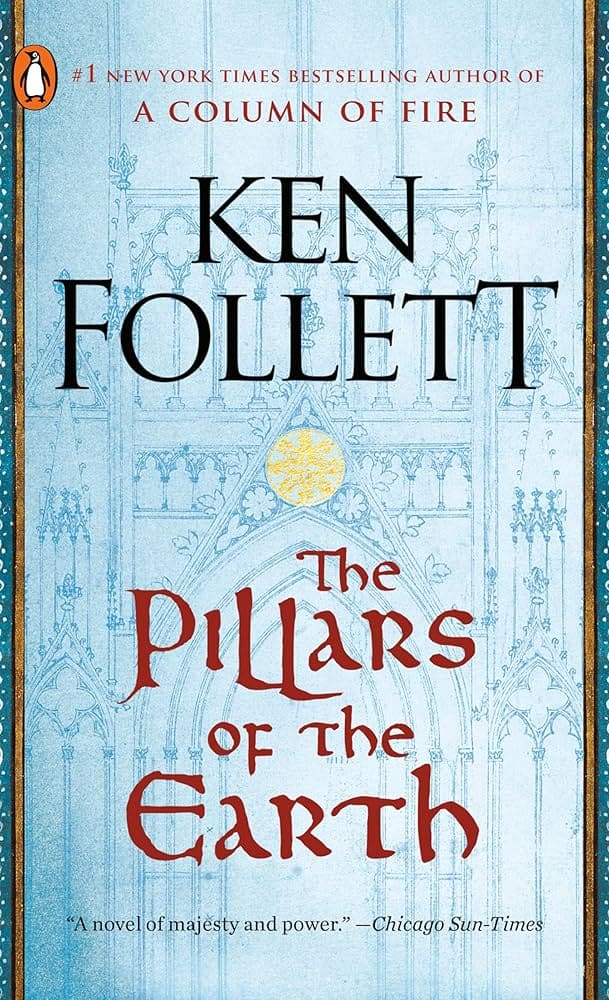
The story follows stone masons, monks, nobles, and common villagers whose lives slowly become connected through the dream of building a great church. You see how difficult life was in the 12th century, with famine, violence, and unfair laws. Love, jealousy, greed, and ambition drive the characters’ actions.
2. Outlander
By Diana Gabaldon (1991)
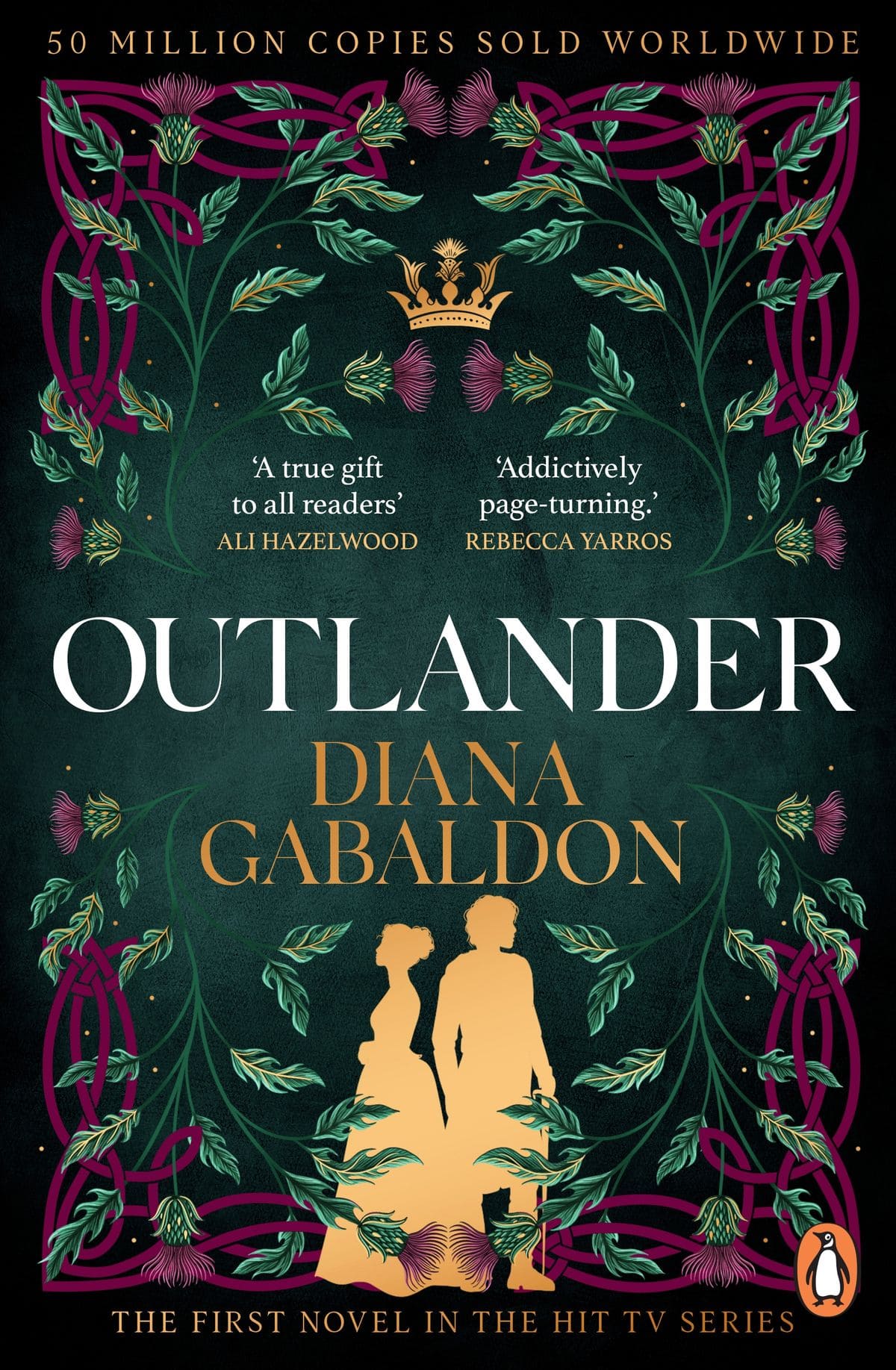
Outlander blends history, romance, and fantasy. Claire Randall, a nurse from World War II, accidentally travels back in time to 18th-century Scotland. Suddenly, she must live in a violent, unfamiliar world where women have little power and danger is everywhere. Torn between her husband in the future and a growing love in the past, Claire struggles to choose between safety and passion.
3. Wolf Hall
By Hilary Mantel (2009)
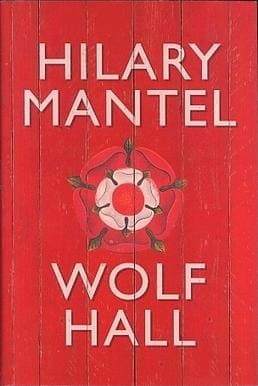
This book tells the story of Tudor England from the viewpoint of Thomas Cromwell, a man often portrayed as cruel in history. Here, he is shown as intelligent, practical, and deeply human. Rising from poverty to power, Cromwell learns how dangerous life at King Henry VIII’s court can be. One wrong word can cost a person everything. The novel explores ambition, loyalty, faith, and survival in a world where politics is deadly, and trust is rare.
4. War and Peace
By Leo Tolstoy (1869)
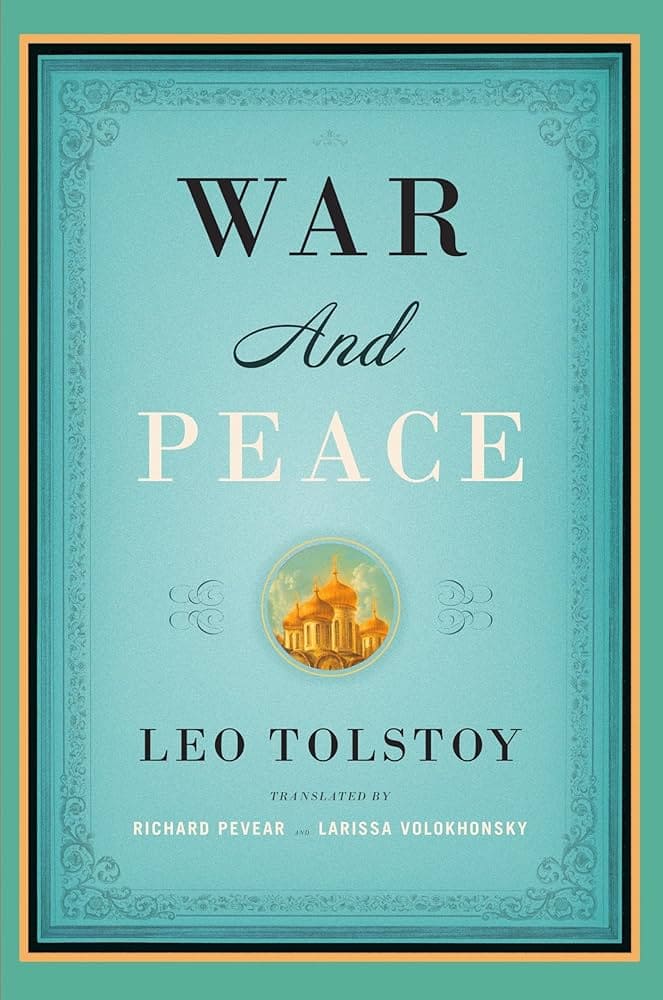
War and Peace is not just about war; it is about life. The novel follows several Russian families during the Napoleonic Wars, showing how war affects soldiers and civilians alike. Alongside battles and history, the book explores love, marriage, family struggles, and personal growth. Tolstoy asks big questions: Do people control their own lives, or does fate decide everything? Through everyday moments and major events, the novel shows how people search for meaning in a changing world.
5. Gone With the Wind
By Margaret Mitchell (1936)
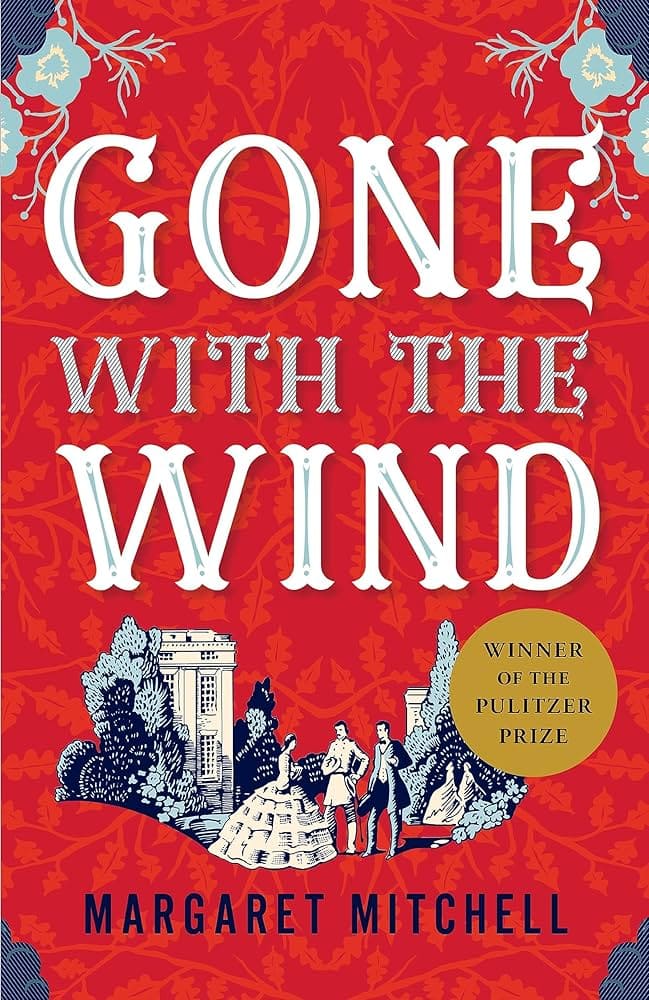
This story centers on Scarlett O’Hara, a strong-willed woman who refuses to give up, no matter how hard life becomes. Set during the American Civil War and its aftermath, the novel shows how war destroys wealth, traditions, and social structures in the South. Scarlett’s journey is about survival, sometimes at the cost of kindness or love.
6. I, Claudius
By Robert Graves (1934)
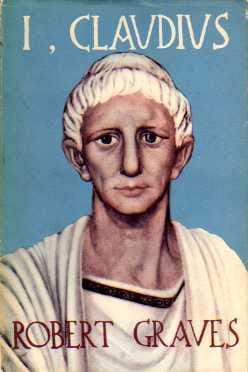
This book is written as if Emperor Claudius himself is telling his life story. Claudius is seen as weak and foolish by his powerful family, which actually helps him survive in a world full of murder and betrayal. As emperors are poisoned and relatives are killed for power, Claudius quietly watches and learns. The novel exposes how corrupt and dangerous ancient Roman politics were, showing that intelligence and patience can be stronger than brute force.
7. The Scarlet Letter
By Nathaniel Hawthorne (1850)
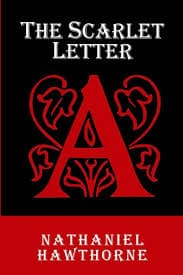
Set in a strict Puritan society, this novel focuses on Hester Prynne, a woman punished for having a child outside marriage. Forced to wear a scarlet letter “A” as a mark of shame, she faces public judgment every day. Over time, Hester grows stronger and more independent, while others hide their sins in silence.
8. All Quiet on the Western Front
By Erich Maria Remarque (1929)
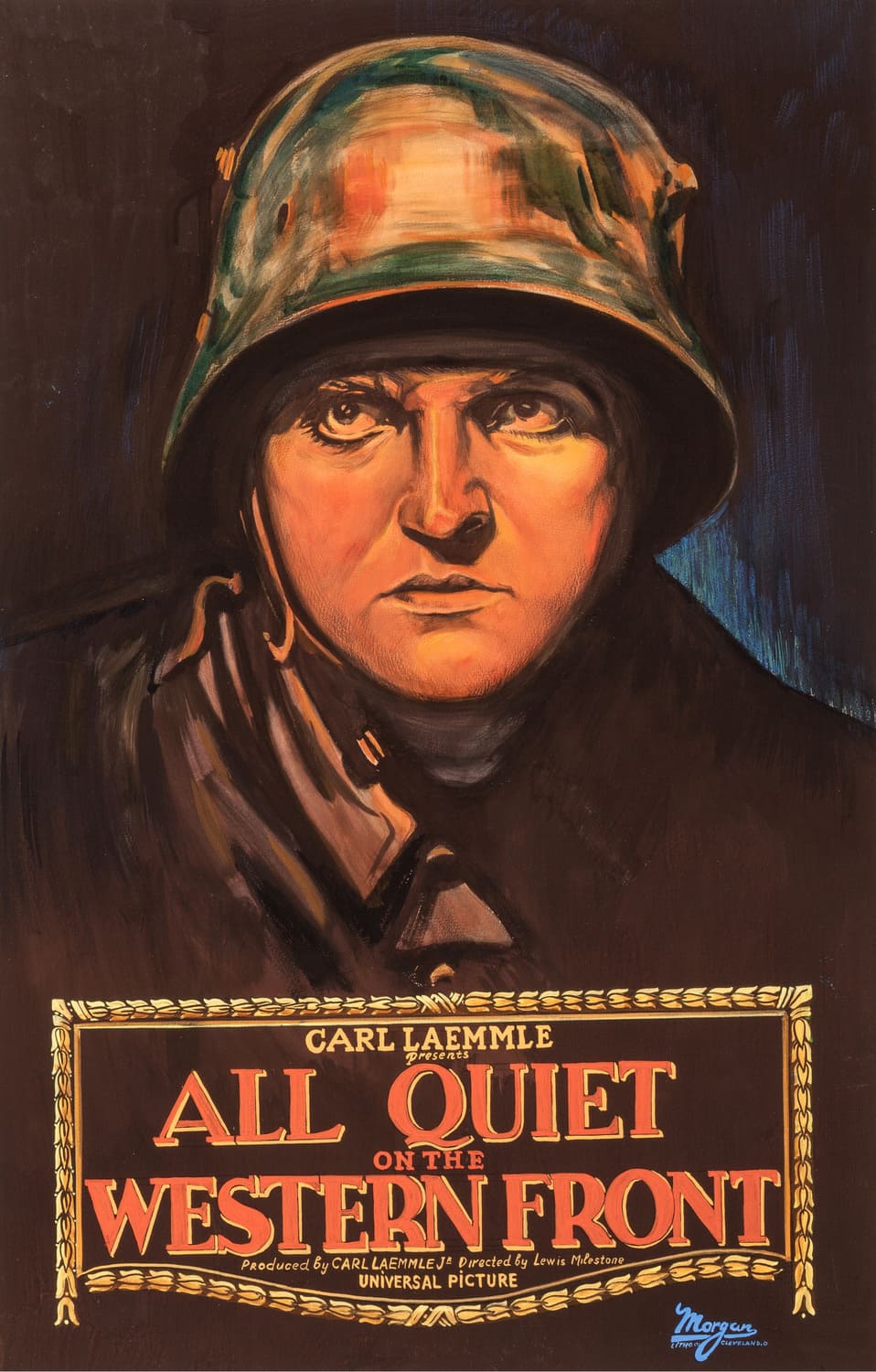
This powerful novel shows the reality of World War I from a soldier’s point of view. Instead of glory and honor, the story reveals fear, exhaustion, and emotional numbness. Young men are sent to fight and quickly lose their innocence. The book focuses on friendship, survival, and the deep psychological scars left by war. It strongly criticizes war by showing how it destroys bodies, minds, and futures.
9. A Tale of Two Cities
By Charles Dickens (1859)
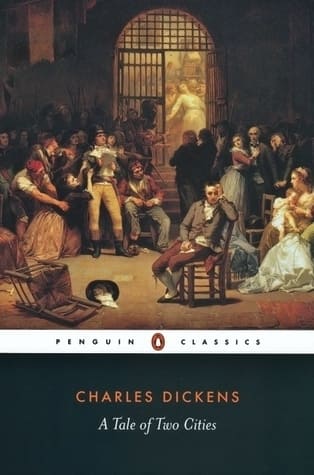
Set during the French Revolution, this novel contrasts peaceful life in London with violent unrest in Paris. Through characters caught on both sides of the revolution, the story explores injustice, revenge, and sacrifice. Dickens shows how extreme poverty and cruelty can lead to rebellion, but also how love and selflessness can bring redemption.
10. World Without End
By Ken Follett (2007)
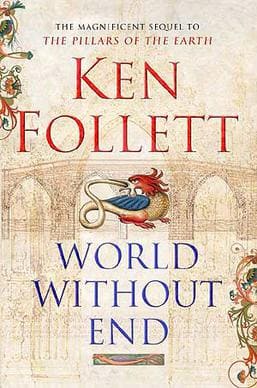
Set in the same town as The Pillars of the Earth, this book jumps forward 200 years to a time of massive change. The Black Death spreads fear and death across England, wiping out families and changing society forever. The story focuses on ordinary people, especially strong women who challenge old traditions and fight for better lives. It shows how science, medicine, and new ideas clash with superstition and rigid religious rules.
11. All the Light We Cannot See
By Anthony Doerr (2014)
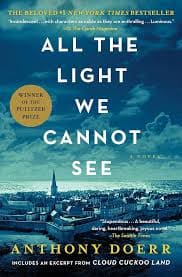
This novel follows two young people on opposite sides of World War II: Marie-Laure, a blind French girl, and Werner, a German boy gifted with radio technology. As the war spreads, both are forced into dangerous situations they never chose. The story shows how war steals childhood and forces people to make moral choices too big for their age.
12. Memoirs of a Geisha
By Arthur Golden (1997)
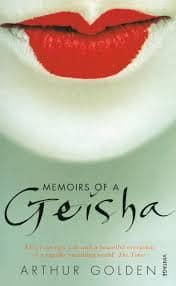
This book tells the life story of Sayuri, a poor girl sold to a geisha house in Japan. She must learn strict rules, beauty, art, and silence to survive in a competitive and unforgiving world. The novel reveals that the geisha life, often misunderstood as glamorous, is actually full of control, rivalry, and sacrifice. As Japan modernizes, Sayuri struggles to hold onto her identity in a society that treats women as possessions.
13. The Nightingale
By Kristin Hannah (2015)
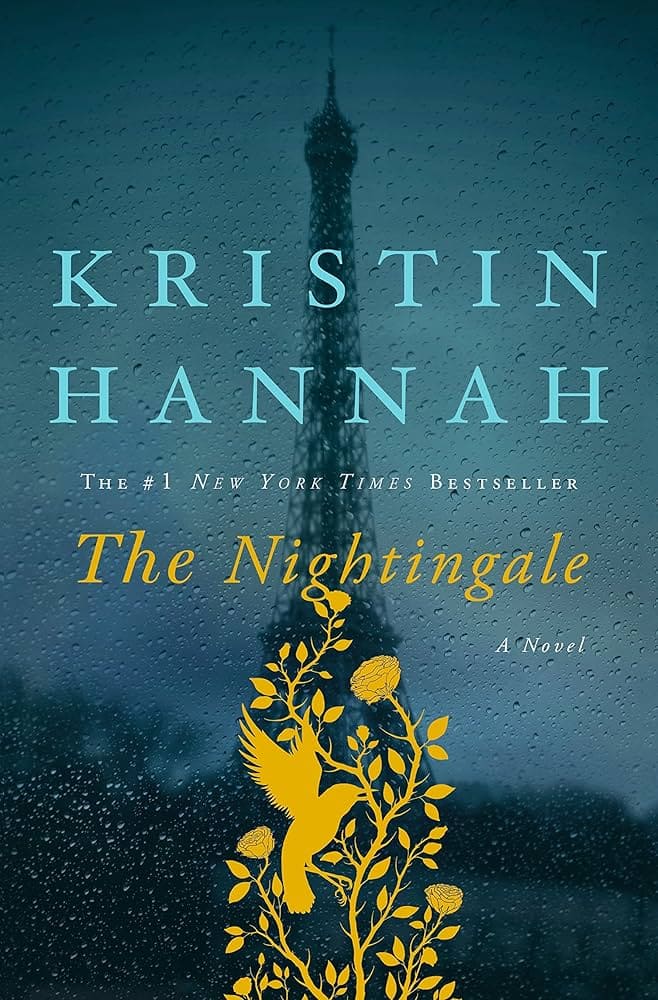
Set in Nazi-occupied France, the story follows two sisters with very different personalities. One resists the war quietly by protecting her family, while the other joins the resistance and risks her life to save others. The novel shows that bravery doesn’t always look the same; sometimes it is loud, and sometimes it is silent. It honors the strength of women whose sacrifices history often forgets.
14. A Gentleman in Moscow
By Amor Towles (2016)
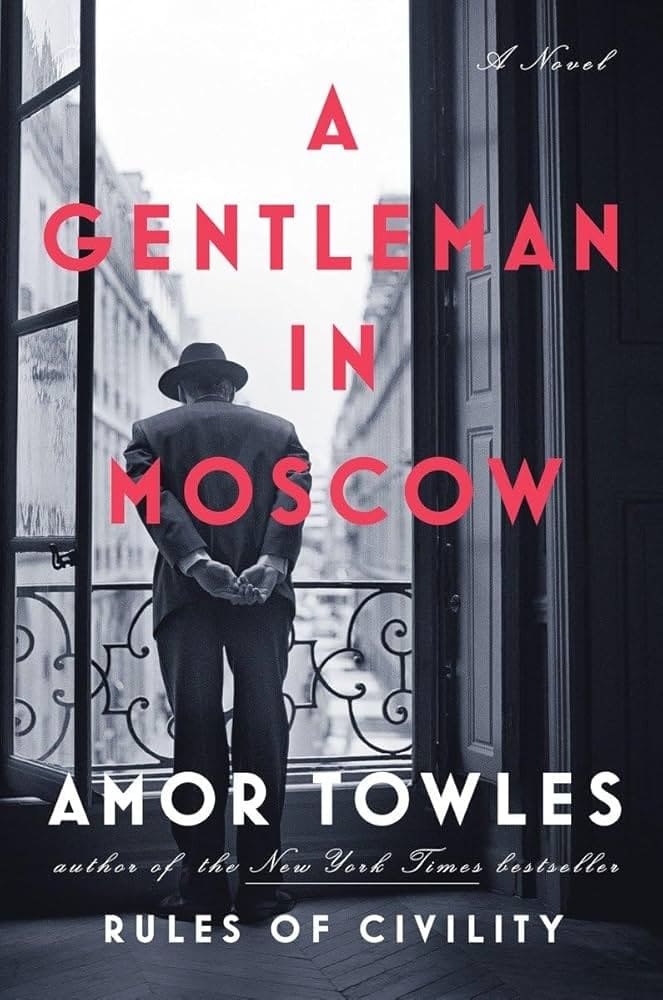
After the Russian Revolution, Count Alexander Rostov loses his freedom and is forced to live inside one hotel for the rest of his life. Although the world outside changes dramatically, he builds a meaningful life through friendships, routines, and kindness. The novel shows that dignity and purpose do not come from power or wealth, but from how a person treats others. It is a calm, hopeful story about resilience and grace.
15. The Book Thief
By Markus Zusak (2005)
Narrated by Death, this novel follows Liesel, a young German girl growing up during World War II. She steals books to comfort herself and others during times of fear and loss. The story shows how words can both destroy and heal. Amid bombings, hunger, and hatred, kindness and storytelling become acts of rebellion and survival.
16. The Things They Carried
By Tim O’Brien (1990)
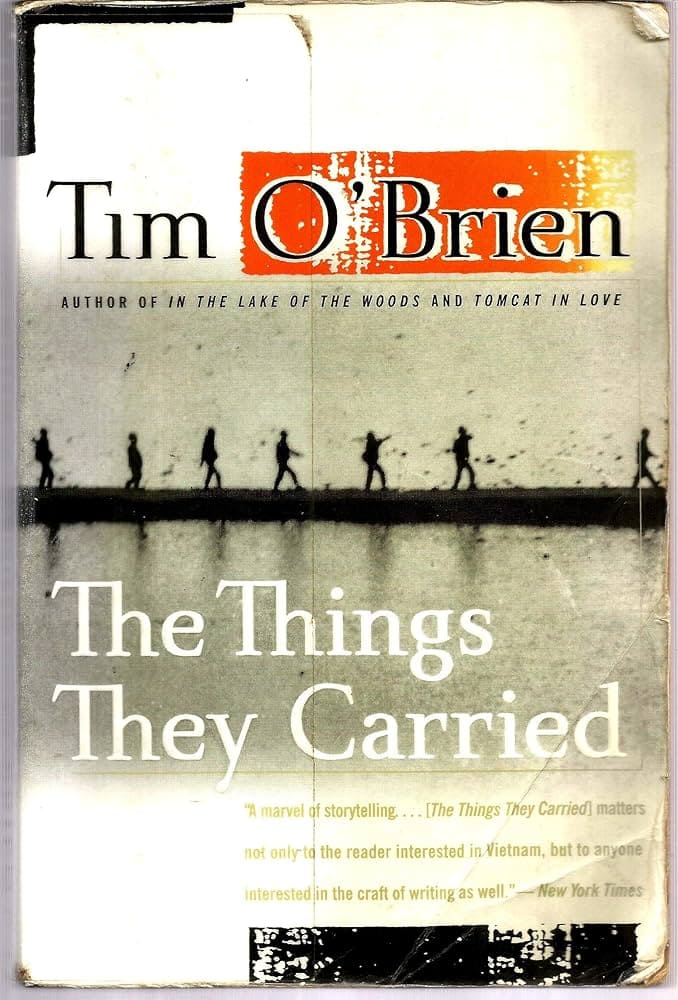
This book is a mix of fiction and real experience from the Vietnam War. It focuses on what soldiers carry, not just weapons, but fear, guilt, love, and memories. The stories show how war continues long after the fighting ends, living on in the minds of survivors. The book explores how storytelling helps people cope with trauma and keep the truth alive.
17. Beneath a Scarlet Sky
By Mark Sullivan (2017)
Based on real events, this novel follows Pino Lella, an Italian teenager during World War II. He is recruited as a spy and forced to serve a dangerous Nazi general. While surrounded by evil, Pino struggles to keep his morals intact. The story explores courage, love, and the difficult choices ordinary people must make during extraordinary times.
18. The Forest
By Edward Rutherfurd (2000)
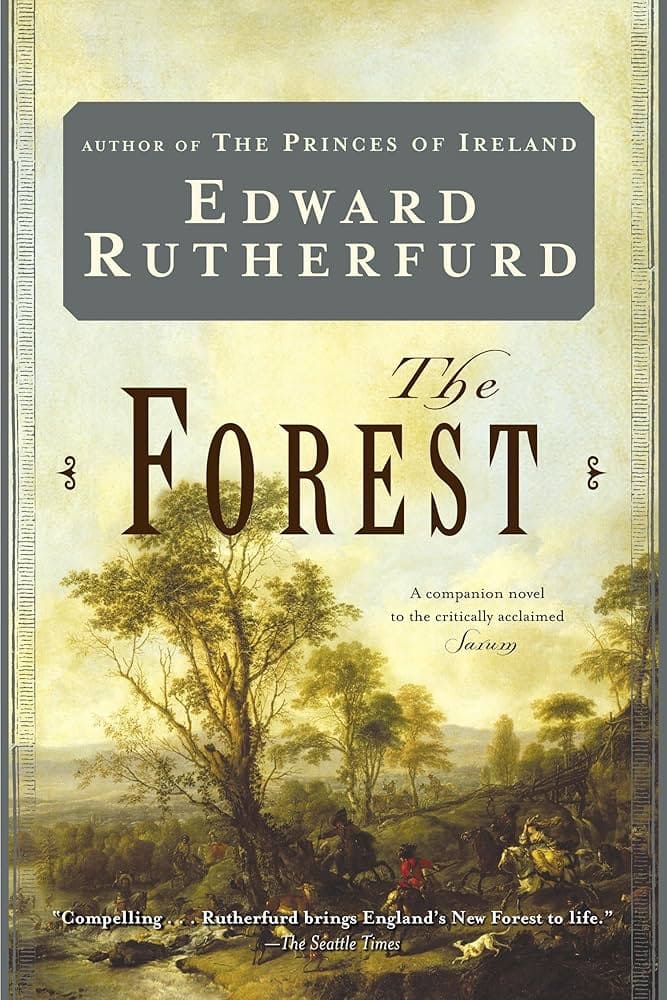
This novel traces the lives of families living near England’s New Forest over thousands of years. Each generation experiences historical events that shape its future. The forest itself becomes a symbol of continuity, memory, and survival. The book shows how land, tradition, and history connect people across time.
19. True History of the Kelly Gang
By Peter Carey (2000)
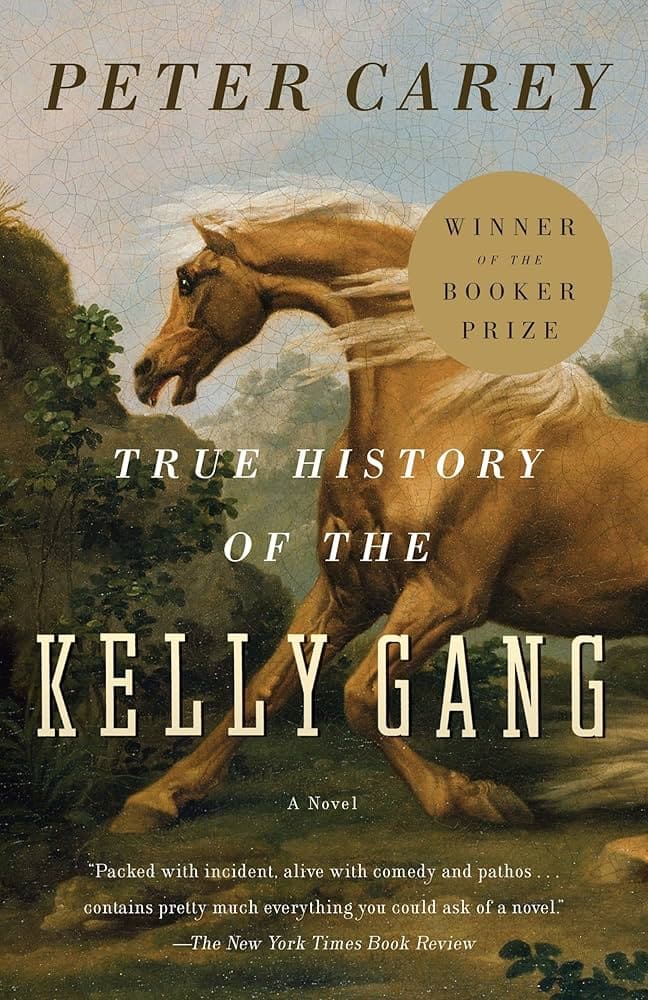
Written as a fictional memoir, this novel tells the story of Ned Kelly, Australia’s most famous outlaw. Raised in poverty and mistreated by authorities, Ned turns to crime as a form of resistance. The raw, emotional writing gives him a human voice rather than a heroic or villainous one. The book explores injustice, identity, and how society creates its own rebels.
20. The Mirror and the Light
By Hilary Mantel (2020)
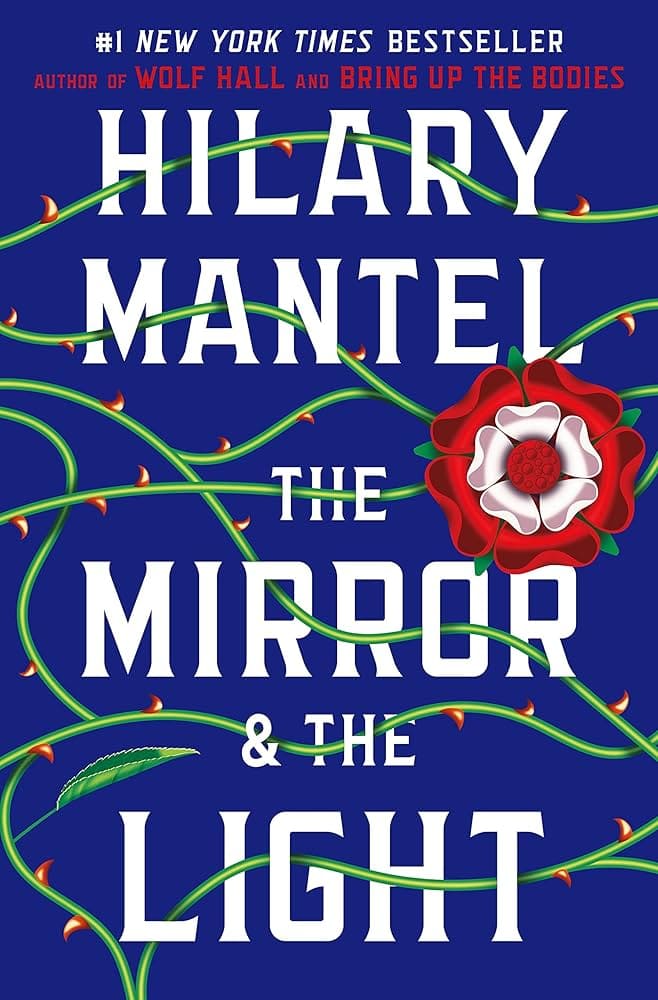
This final book in the Cromwell trilogy focuses on the fall of Thomas Cromwell, once the most powerful man in England. As enemies close in, Cromwell reflects on his life, choices, and the cost of ambition. The novel shows how quickly power can disappear and how fear rules political systems. It is a quiet, intense exploration of mortality, loyalty, and regret.
21. The Song of Achilles
By Madeline Miller (2011)
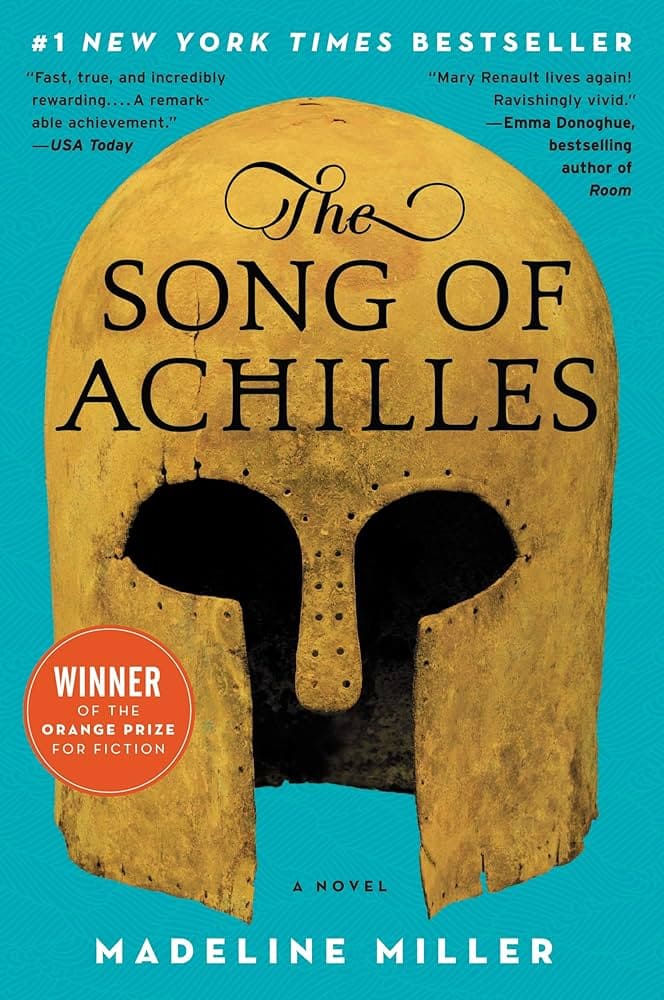
This novel retells the Trojan War through the eyes of Patroclus, a gentle and kind boy who grows up beside the great warrior Achilles. Instead of focusing only on battles and glory, the story centers on their deep friendship and love. Achilles is shown not just as a hero, but as a human being with fears and flaws. The book explores destiny, choice, love, and the painful cost of fame and war.
22. The Other Boleyn Girl
By Philippa Gregory (2001)
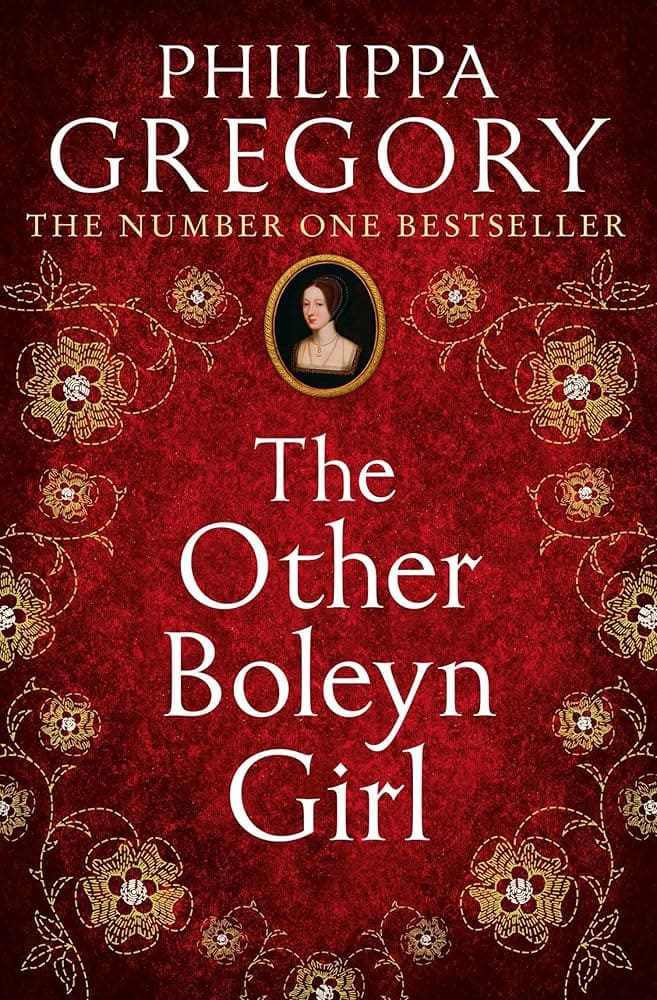
Told from Mary Boleyn’s perspective, this novel takes readers inside the dangerous world of King Henry VIII’s court. Mary and her sister Anne are pushed by their family to win the king’s favor, turning love into a political weapon. The story shows how women were used as tools for power and survival. It explores jealousy, ambition, betrayal, and the high price of being close to the throne.
23. The Night Watch
By Sarah Waters (2006)
Set in London during and after World War II, this novel tells its story in reverse order, slowly revealing secrets from the past. The characters carry emotional wounds caused by war, loss, and broken relationships. As time moves backward, readers learn how love, fear, and difficult choices shaped each person’s life. The book explores identity, loneliness, and how trauma changes people long after war ends.
24. The Help
By Kathryn Stockett (2009)
This novel is set in the American South during the 1960s, a time of deep racial inequality. It follows Black maids who care for white families and a young white woman who decides to write their stories. Through their voices, the book exposes everyday racism, fear, and injustice. It also highlights courage, friendship, and the slow beginnings of social change.
25. Shōgun
By James Clavell (1975)
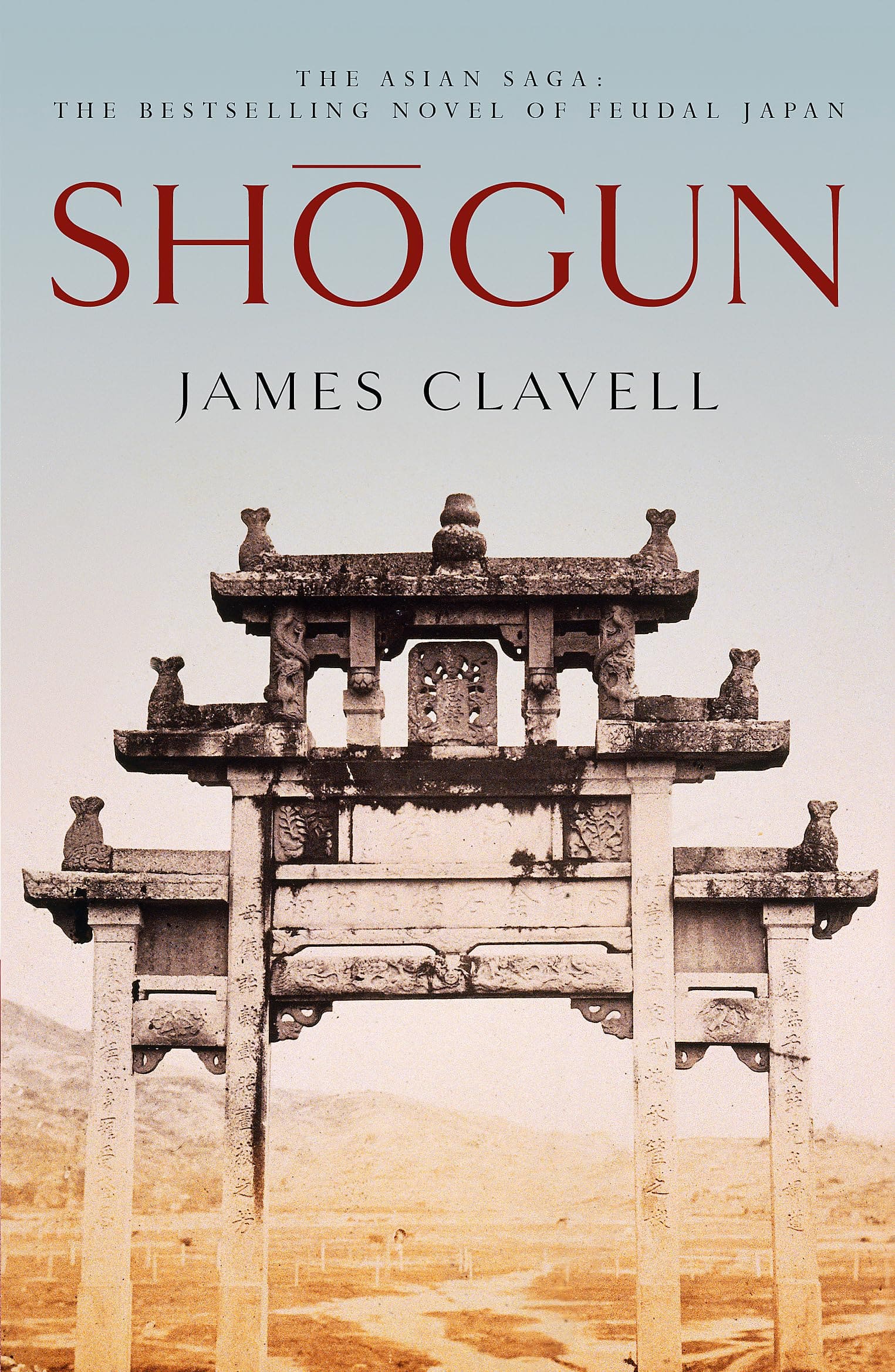
When an English sailor is shipwrecked in feudal Japan, he enters a world ruled by strict honor codes and powerful warlords. As he learns the language and customs, he becomes involved in dangerous political struggles. The novel explores cultural misunderstanding, loyalty, power, and respect. It shows how survival sometimes requires letting go of old beliefs.
26. The Red Tent
By Anita Diamant (1997)
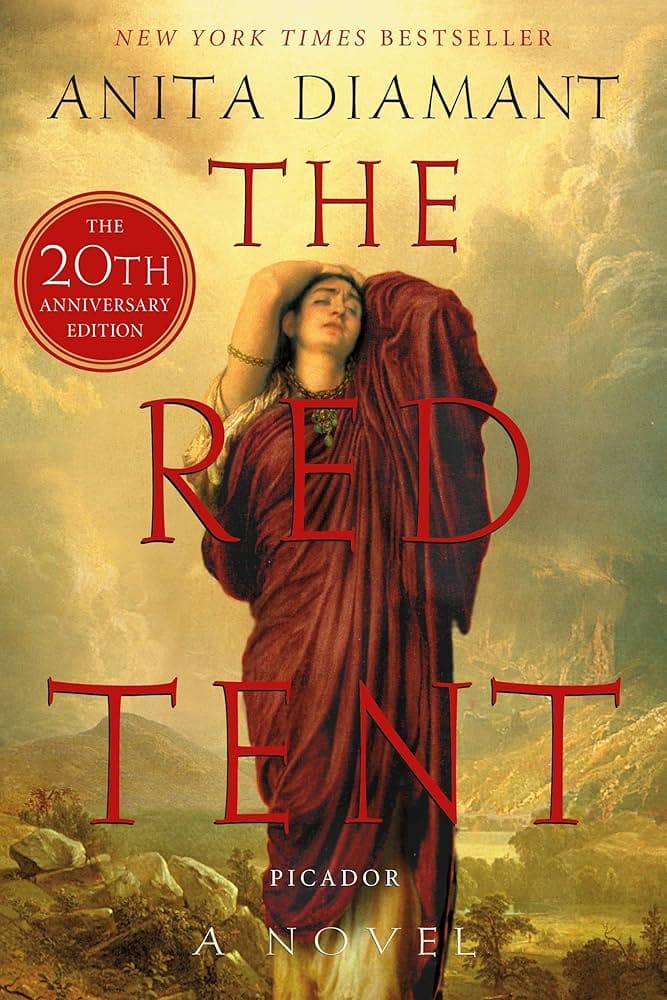
This novel retells a biblical story through the voices of women, focusing on Dinah, the daughter of Jacob. It brings attention to women’s lives, traditions, and relationships that are often ignored in history. The “red tent” becomes a symbol of female bonding, wisdom, and strength. The story celebrates motherhood, sisterhood, and resilience.
27. The Paris Wife
By Paula McLain (2011)
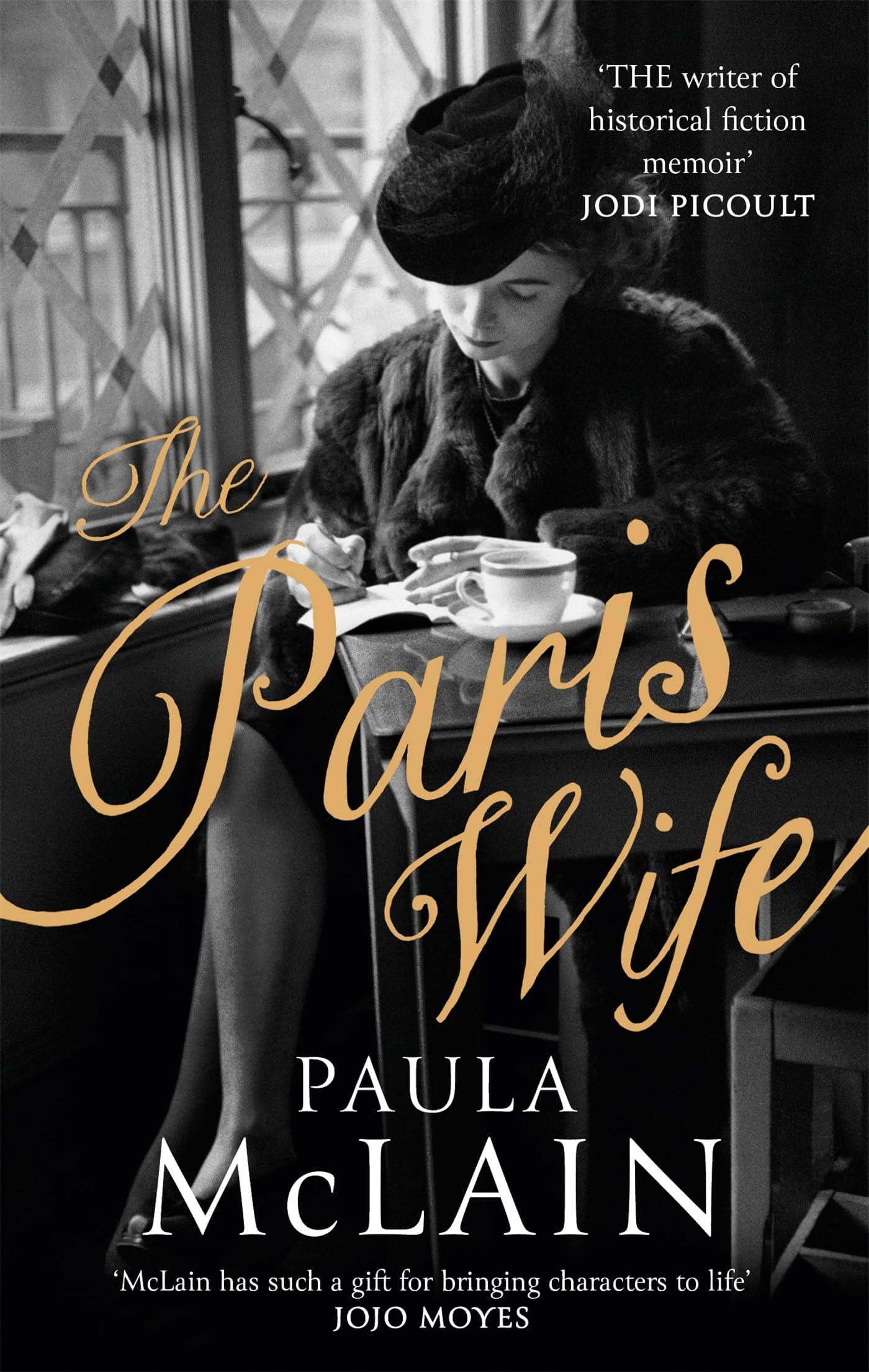
This book imagines the early marriage of Ernest Hemingway through the eyes of his first wife, Hadley Richardson. Set in 1920s Paris, it shows the excitement of young love mixed with growing ambition and jealousy. As Hemingway’s fame rises, their relationship begins to strain. The novel explores love, sacrifice, and what it means to support someone else’s dream.
28. The Last Kingdom
By Bernard Cornwell (2004)
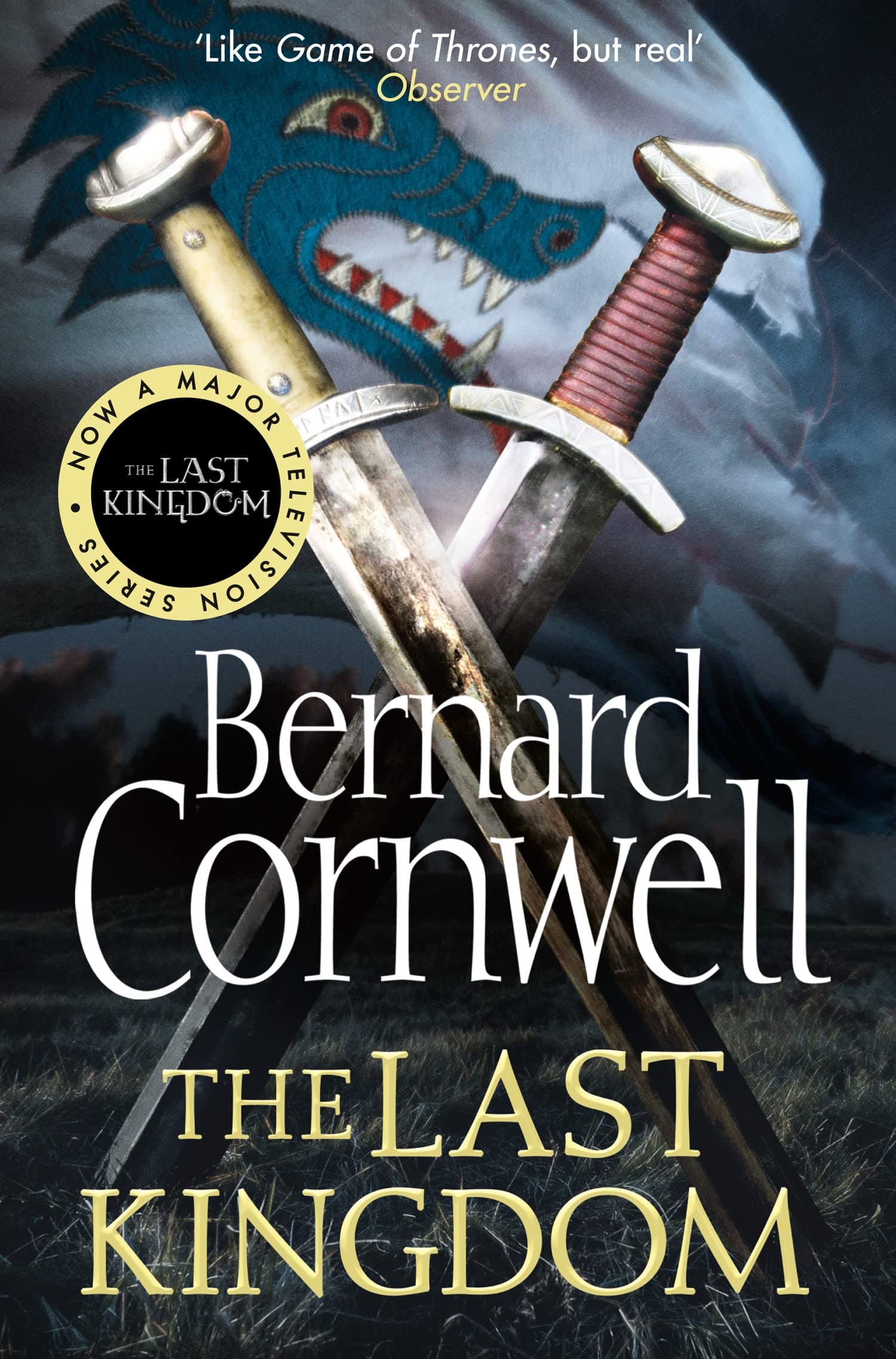
Set in 9th-century England, this novel follows Uhtred, a Saxon boy raised by Vikings after his family is killed. Torn between two cultures, he struggles to decide where his loyalty lies. The story is filled with battles, politics, and shifting alliances. At its heart, the novel is about identity, belonging, and the formation of England.
29. The Night Tiger
By Yangsze Choo (2019)
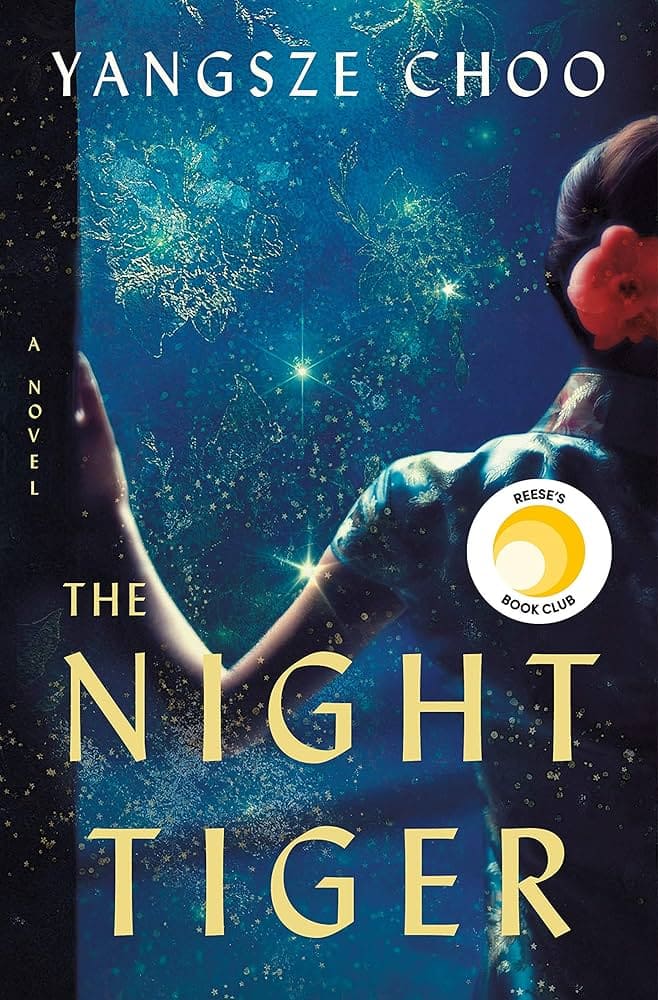
Set in 1930s colonial Malaysia, this novel combines mystery, folklore, and history. The story follows several characters connected by a missing finger and ancient death rituals. As secrets are uncovered, the book explores superstition, colonial tension, and personal identity. It highlights the clash between tradition and modern life.
30. The Tattooist of Auschwitz
By Heather Morris (2018)
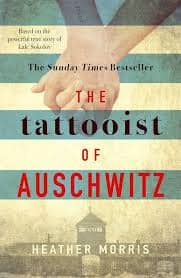
Based on a true story, this novel follows Lale Sokolov, a Jewish prisoner forced to tattoo identification numbers on fellow inmates at Auschwitz. While surrounded by horror, Lale finds love and a reason to survive. The book shows how hope and humanity can exist even in the darkest places. It is a story about endurance, love, and remembering history.
The beauty of historical fiction lies in its power to connect the past with the present. These books remind us that even though times change, human emotions, love, fear, ambition, courage, and hope remain timeless. Whether you’re new to the genre or a lifelong fan, the novels on this list offer unforgettable journeys through history, told through rich storytelling and unforgettable characters.
If reading these stories has inspired you to write your own historical fiction or any book at all, getting published doesn’t have to be overwhelming. PaperTrue’s self-publishing services can help authors turn manuscripts into professionally edited, formatted, and beautifully designed books ready for the world. From editing and proofreading to book formatting and publishing support, PaperTrue makes the self-publishing journey smooth and stress-free.
Keep reading for more: