- A List of Writing Contests in 2022 | Exciting Prizes!
- Em Dash vs. En Dash vs. Hyphen: When to Use Which
- Book Proofreading 101: The Beginner’s Guide
- Screenplay Editing: Importance, Cost, & Self-Editing Tips
- Screenplay Proofreading: Importance, Process, & Cost
- Script Proofreading: Rates, Process, & Proofreading Tips
- Manuscript Proofreading | Definition, Process & Standard Rates
- Tips to Write Better if English Is Your Second Language
- Novel Proofreading | Definition, Significance & Standard Rates
- Top 10 Must-Try Writing Prompt Generators in 2024
- 100+ Creative Writing Prompts for Masterful Storytelling
- Top 10 eBook Creator Tools in 2024: Free & Paid
- 50 Timeless and Unforgettable Book Covers of All Time
- What Is Flash Fiction? Definition, Examples & Types
- 80 Enchanting Christmas Writing Prompts for Your Next Story
- Top 10 Book Review Clubs of 2025 to Share Literary Insights
- 2024’s Top 10 Self-Help Books for Better Living
- Writing Contests 2023: Cash Prizes, Free Entries, & More!
- What Is a Book Teaser and How to Write It: Tips and Examples
- Audiobook vs. EBook vs. Paperback in 2024: (Pros & Cons)
- How to Get a Literary Agent in 2024: The Complete Guide
- Alpha Readers: Where to Find Them and Alpha vs. Beta Readers
- Author Branding 101: How to Build a Powerful Author Brand
- A Guide on How to Write a Book Synopsis: Steps and Examples
- How to Write a Book Review (Meaning, Tips & Examples)
- 50 Best Literary Agents in the USA for Authors in 2024
- Building an Author Website: The Ultimate Guide with Examples
- Top 10 Paraphrasing Tools for All (Free & Paid)
- Top 10 Book Editing Software in 2024 (Free & Paid)
- What Are Large Language Models and How They Work: Explained!
- Top 10 Hardcover Book Printing Services [Best of 2024]
- 2024’s Top 10 Setting Generators to Create Unique Settings
- Different Types of Characters in Stories That Steal the Show
- Top 10 Screenplay & Scriptwriting Software (Free & Paid)
- 10 Best AI Text Generators of 2024: Pros, Cons, and Prices
- Top 10 Must-Try Character Name Generators in 2024
- 10 Best AI Text Summarizers in 2024 (Free & Paid)
- 11 Best Story Structures for Writers (+ Examples!)
- How to Write a Book with AI in 2024 (Free & Paid Tools)
- Writing Contests 2024: Cash Prizes & Free Entries!
- Patchwork Plagiarism: Definition, Types, & Examples
- Simple Resume Formats for Maximum Impact With Samples
- What Is a Complement in a Sentence? (Meaning, Types & Examples)
- What are Clauses? Definition, Meaning, Types, and Examples
- Persuasive Writing Guide: Techniques & Examples
- How to Paraphrase a Text (Examples + 10 Strategies!)
- A Simple Proofreading Checklist to Catch Every Mistake
- Top 10 AI Resume Checkers for Job Seekers (Free & Paid)
- 20 Best Comic Book Covers of All Time!
- How to Edit a Book: A Practical Guide with 7 Easy Steps
- How to Write an Autobiography (7 Amazing Strategies!)
- How to Publish a Comic Book: Nine Steps & Publishing Costs
- Passive and Active Voice (Meaning, Examples & Uses)
- How to Publish a Short Story & Best Publishing Platforms
- What Is Expository Writing? Types, Examples, & 10 Tips
- 10 Best Introduction Generators (Includes Free AI Tools!)
- Creative Writing: A Beginner’s Guide to Get Started
- How to Sell Books Online (Steps, Best Platforms & Tools)
- Top 10 Book Promotion Services for Authors (2025)
- 15 Different Types of Poems: Examples & Insight into Poetic Styles
- 10 Best Book Writing Apps for Writers 2025: Free & Paid!
- Top 10 AI Humanizers of 2025 [Free & Paid Tools]
- How to Write a Poem: Step-by-Step Guide to Writing Poetry
- 100+ Amazing Short Story Ideas to Craft Unforgettable Stories
- The Top 10 Literary Devices: Definitions & Examples
- Top 10 AI Translators for High-Quality Translation in 2025
- Top 10 AI Tools for Research in 2025 (Fast & Efficient!)
- 50 Best Essay Prompts for College Students in 2025
- Top 10 Book Distribution Services for Authors in 2025
- Top 10 Book Title Generators of 2025
- Best Fonts and Sizes for Books: A Complete Guide
- What Is an Adjective? Definition, Usage & Examples
- How to Track Changes in Google Docs: A 7-Step Guide
- Best Book Review Sites of 2025: Top 10 Picks
- Parts of a Book: A Practical, Easy-to-Understand Guide
- What Is an Anthology? Meaning, Types, & Anthology Examples
- How to Write a Book Report | Steps, Examples & Free Template
- 10 Best Plot Generators for Engaging Storytelling in 2025
- 30 Powerful Poems About Life to Inspire and Uplift You
- What Is a Poem? Poetry Definition, Elements, & Examples
- Metonymy: Definition, Examples, and How to Use It In Writing
- How to Write a CV with AI in 9 Steps (+ AI CV Builders)
- What Is an Adverb? Definition, Types, & Practical Examples
- How to Create the Perfect Book Trailer for Free
- 14 Punctuation Marks: A Guide on How to Use with Examples!
- Translation Services: Top 10 Professional Translators (2025)
- 10 Best Free Online Grammar Checkers: Features and Ratings
- 30 Popular Children’s Books Teachers Recommend in 2025
- 10 Best Photobook Makers of 2025 We Tested This Year
- Top 10 Book Marketing Services of 2025: Features and Costs
- Top 10 Book Printing Services for Authors in 2025
- 10 Best AI Detector Tools in 2025
- Audiobook Marketing Guide: Best Strategies, Tools & Ideas
- 10 Best AI Writing Assistants of 2025 (Features + Pricing)
- How to Write a Book Press Release that Grabs Attention
- 15 Powerful Writing Techniques for Authors in 2025
- Generative AI: Types, Impact, Advantages, Disadvantages
- Top 101 Bone-Chilling Horror Writing Prompts
- 25 Figures of Speech Simplified: Definitions and Examples
- Best EBook Cover Design Services of 2025 for Authors
- Writing Contests 2025: Cash Prizes, Free Entries, and More!
- National Novel Writing Month (NaNoWriMo)
- Best Horror Books of All Time (Must-Read List)
- Best Book Trailer Services
- Your Guide to the Best eBook Readers in 2026
- 10 Best Punctuation Checkers for Error-Free Text (2026)
- Master Circumlocution: Definition, Examples & Literary Uses
- Best Historical Fiction Books: 30 Must-Read Novels
- Best 101 Greatest Fictional Characters of All Time
- Writing Contests 2026: Free Entries and Cash Prizes!
- Top 10 Book Writing Software, Websites, and Tools in 2026
- Top 10 AI Rewriters for Perfect Text in 2026 (Free & Paid)
- Top 10 Book Publishing Companies in the World (2026)
- What is a Book Copyright Page?
- Final Checklist: Is My Article Ready for Submitting to Journals?
- 8 Pre-Publishing Steps to Self-Publish Your Book
- 7 Essential Elements of a Book Cover Design
- How to Copyright Your Book in the US, UK, & India
- Beta Readers: Why You Should Know About Them in 2024
- How to Publish a Book in 2024: Essential Tips for Beginners
- Book Cover Design Basics: Tips & Best Book Cover Ideas
- Why and How to Use an Author Pen Name: Guide for Authors
- How to Format a Book in 2025: 7 Tips for Book Formatting
- What is Manuscript Critique? Benefits, Process, & Cost
- 10 Best Ghostwriting Services for Authors in 2025
- Best Manuscript Editing Services of 2025
- Best Manuscript Critique Services (2026): Top 10 Picks
- How To Format a Book in Google Docs (Step-by-Step)
- ISBN Guide: What Is an ISBN and How to Get an ISBN
- How to Hire a Book Editor in 5 Practical Steps
- Self-Publishing Options for Writers
- How to Promote Your Book Using a Goodreads Author Page
- 7 Essential Elements of a Book Cover Design
- What Makes Typesetting a Pre-Publishing Essential for Every Author?
- 4 Online Publishing Platforms To Boost Your Readership
- Typesetting: An Introduction
- Quick Guide to Novel Editing (with a Self-Editing Checklist)
- Self-Publishing vs. Traditional Publishing: 2024 Guide
- How to Publish a Book in 2024: Essential Tips for Beginners
- How to Publish a Book on Amazon: 8 Easy Steps [2024 Update]
- What are Print-on-Demand Books? Cost and Process in 2024
- What Are the Standard Book Sizes for Publishing Your Book?
- How to Market Your Book on Amazon to Maximize Sales in 2024
- Top 10 Hardcover Book Printing Services [Best of 2024]
- How to Find an Editor for Your Book in 8 Steps (+ Costs!)
- What Is Amazon Self-Publishing? Pros, Cons & Key Insights
- Manuscript Editing in 2024: Elevating Your Writing for Success
- Know Everything About How to Make an Audiobook
- A Simple 14-Point Self-Publishing Checklist for Authors
- How to Write an Engaging Author Bio: Tips and Examples
- Book Cover Design Basics: Tips & Best Book Cover Ideas
- How to Publish a Comic Book: Nine Steps & Publishing Costs
- Why and How to Use an Author Pen Name: Guide for Authors
- How to Sell Books Online (Steps, Best Platforms & Tools)
- A Simple Guide to Select the Best Self-Publishing Websites
- 10 Best Book Cover Design Services of 2025: Price & Ratings
- How Much Does It Cost to Self-Publish a Book in 2025?
- Quick Guide to Book Editing [Complete Process & Standard Rates]
- How to Distinguish Between Genuine and Fake Literary Agents
- What is Self-Publishing? Everything You Need to Know
- How to Copyright a Book in 2025 (Costs + Free Template)
- The Best eBook Conversion Services of 2025: Top 10 Picks
- 10 Best Self-Publishing Companies of 2025: Price & Royalties
- 10 Best Photobook Makers of 2025 We Tested This Year
- Book Cover Types: Formats, Bindings & Styles
- A Beginner’s Guide on How to Self Publish a Book (2025)
- Index in a Book: Definition, Purpose, and How to Use It
- How to Publish a Novel: Easy Step-By-Step Guide
- How to Design a Book Cover: From Concept to Covers That Sell
- ISBN Guide: What Is an ISBN and How to Get an ISBN
- 8 Tips To Write Appealing Query Letters
- Self-Publishing vs. Traditional Publishing: 2024 Guide
- How to Publish a Book in 2024: Essential Tips for Beginners
- What are Print-on-Demand Books? Cost and Process in 2024
- How to Write a Query Letter (Examples + Free Template)
- Third-person Point of View: Definition, Types, Examples
- How to Write an Engaging Author Bio: Tips and Examples
- How to Publish a Comic Book: Nine Steps & Publishing Costs
- 10 Best Photobook Makers of 2025 We Tested This Year
- Book Cover Types: Formats, Bindings & Styles
- Index in a Book: Definition, Purpose, and How to Use It
- How to Publish a Novel: Easy Step-By-Step Guide
- How to start your own online publishing company?
- How to Design a Book Cover: From Concept to Covers That Sell
- ISBN Guide: What Is an ISBN and How to Get an ISBN
- Top 10 Book Publishing Companies in the World (2026)
- How to Create Depth in Characters
- Starting Your Book With a Bang: Ways to Catch Readers’ Attention
- Research for Fiction Writers: A Complete Guide
- Short stories: Do’s and don’ts
- How to Write Dialogue: 7 Rules, 5 Tips & 65 Examples
- What Are Foil and Stock Characters? Easy Examples from Harry Potter
- How To Write Better Letters In Your Novel
- On Being Tense About Tense: What Verb Tense To Write Your Novel In
- How To Create A Stellar Plot Outline
- How to Punctuate Dialogue in Fiction
- On Being Tense about Tense: Present Tense Narratives in Novels
- The Essential Guide to Worldbuilding [from Book Editors]
- What Is Point of View? Definition, Types, & Examples in Writing
- How to Create Powerful Conflict in Your Story | Useful Examples
- How to Write a Book: A Step-by-Step Guide
- How to Write a Short Story in 6 Simple Steps
- How to Write a Novel: 8 Steps to Help You Start Writing
- What Is a Stock Character? 150 Examples from 5 Genres
- Joseph Campbell’s Hero’s Journey: Worksheet & Examples
- Novel Outline: A Proven Blueprint [+ Free Template!]
- Character Development: 7-Step Guide for Writers
- What Is NaNoWriMo? Top 7 Tips to Ace the Writing Marathon
- What Is the Setting of a Story? Meaning + 7 Expert Tips
- What Is a Blurb? Meaning, Examples & 10 Expert Tips
- What Is Show, Don’t Tell? (Meaning, Examples & 6 Tips)
- How to Write a Book Summary: Example, Tips, & Bonus Section
- How to Write a Book Description (Examples + Free Template)
- 10 Best Free AI Resume Builders to Create the Perfect CV
- A Complete Guide on How to Use ChatGPT to Write a Resume
- 10 Best AI Writer Tools Every Writer Should Know About
- How to Write a Book Title (15 Expert Tips + Examples)
- 100 Novel and Book Ideas to Start Your Book Writing Journey
- Exploring Writing Styles: Meaning, Types, and Examples
- Mastering Professional Email Writing: Steps, Tips & Examples
- How to Write a Screenplay: Expert Tips, Steps, and Examples
- Business Proposal Guide: How to Write, Examples and Template
- Different Types of Resumes: Explained with Tips and Examples
- How to Create a Memorable Protagonist (7 Expert Tips)
- How to Write an Antagonist (Examples & 7 Expert Tips)
- Writing for the Web: 7 Expert Tips for Web Content Writing
- 10 Best AI Text Generators of 2024: Pros, Cons, and Prices
- What are the Parts of a Sentence? An Easy-to-Learn Guide
- What Is Climax Of A Story & How To Craft A Gripping Climax
- What Is a Subject of a Sentence? Meaning, Examples & Types
- Object of a Sentence: Your Comprehensive Guide
- What Is First-Person Point of View? Tips & Practical Examples
- Second-person Point of View: What Is It and Examples
- 10 Best AI Essay Outline Generators of 2024
- Third-person Point of View: Definition, Types, Examples
- The Importance of Proofreading: A Comprehensive Overview
- Patchwork Plagiarism: Definition, Types, & Examples
- Simple Resume Formats for Maximum Impact With Samples
- The Ultimate Guide to Phrases In English – Types & Examples
- Modifiers: Definition, Meaning, Types, and Examples
- What are Clauses? Definition, Meaning, Types, and Examples
- Persuasive Writing Guide: Techniques & Examples
- What Is a Simile? Meaning, Examples & How to Use Similes
- Mastering Metaphors: Definition, Types, and Examples
- How to Publish a Comic Book: Nine Steps & Publishing Costs
- Essential Grammar Rules: Master Basic & Advanced Writing Skills
- Benefits of Using an AI Writing Generator for Editing
- Hyperbole in Writing: Definition and Examples
- 15 Best ATS-Friendly ChatGPT Prompts for Resumes in 2025
- How to Write a Novel in Past Tense? 3 Steps & Examples
- 10 Best Spell Checkers of 2025: Features, Accuracy & Ranking
- Foil Character: Definition, History, & Examples
- How to Write a Children’s Book: An Easy Step-by-Step Guide
- How To Write a Murder Mystery Story
- What Is an Adjective? Definition, Usage & Examples
- Metonymy: Definition, Examples, and How to Use It In Writing
- Fourth-Person Point of View: A Unique Narrative Guide
- How to Write a CV with AI in 9 Steps (+ AI CV Builders)
- What Is an Adverb? Definition, Types, & Practical Examples
- How to Write A Legal Document in 6 Easy Steps
- 10 Best AI Story Generators in 2025: Write Captivating Tales
- How to Introduce a Character Effectively
- What is Rhetoric and How to Use It in Your Writing
- How to Write a Powerful Plot in 12 Steps
- How to Make Money as a Writer: Your First $1,000 Guide
- How to Write SEO Content: Tips for SEO-Optimized Content
- Types of Introductions and Examples
- What is a Cliffhanger? Definition, Examples, & Writing Tips
- How to Write Cliffhangers that Keep Readers Hooked!
- How to Write a Romance Novel: Step-by-Step Guide
- Top 10 Writing Tips from Famous Authors
- 10 Best Ghostwriting Services for Authors in 2025
- What is Ghostwriting? Meaning and Examples
- How to Become a Ghostwriter: Complete Career Guide
- How to Write a Speech that Inspires (With Examples)
- Theme of a Story | Meaning, Common Themes & Examples
- 10 Best AI Writing Assistants of 2025 (Features + Pricing)
- Generative AI: Types, Impact, Advantages, Disadvantages
- Worldbuilding Questions and Templates (Free)
- How to Avoid Plagiarism in 2025 (10 Effective Strategies!)
- How to Create Marketing Material
- What Is Worldbuilding? Steps, Tips, and Examples
- What is Syntax in Writing: Definition and Examples
- What is a Subplot? Meaning, Examples & Types
- Writing Challenges Every Writer Should Take
- What Is a Memoir? Definition, Examples, and Tips
- What Is Fiction? Definition, Types & Examples
- What Is Science Fiction? Meaning, Examples, and Types
- 50 Character Stereotypes: The Ultimate List!
- 50 Novel Writing Prompts (Categorized by Genre)
- 50 Haiku Writing Prompts For Your Inner Poet
- Direct Characterization: Definition, Examples & Comparison
- Indirect Characterization: Meaning, Examples & Writing Tips
- Direct vs Indirect Characterization: What’s the Difference
- How to Write Epic Fantasy
- 50 Non-fiction Writing Prompts For Your Inner Writer
- Master Circumlocution: Definition, Examples & Literary Uses
- How to Write a Good Villain (With Examples)
- How to Avoid AI Detection in 2026 (6 Proven Techniques!)
- How to Write a Cookbook: Step-by-Step Guide
- 5 Key Elements of a Short Story: Essential Tips for Writers
Still have questions? Leave a comment
Checklist: Dissertation Proposal
Enter your email id to get the downloadable right in your inbox!
[contact-form-7 id="12425" title="Checklist: Dissertation Proposal"]
Examples: Edited Papers
Enter your email id to get the downloadable right in your inbox!
[contact-form-7 id="12426" title="Examples: Edited Papers"]Looking
to self-publish
your book?
What Is Science Fiction? Meaning, Examples, and Types
 Dec 31, 2025
 8
min read
8
min read
- Tags: Fiction, Fiction Writing
Science fiction is more than just stories about spaceships, robots, or distant planets; it’s a genre that explores how science and technology shape our future and humanity itself. By imagining worlds driven by innovation, discovery, and scientific change, science fiction helps us understand where we might be headed as a society.
From futuristic cities and artificial intelligence to time travel and space exploration, science fiction turns scientific ideas into compelling stories. It blends imagination with logic, making readers ask meaningful questions about progress, ethics, and survival, all while being highly entertaining and thought-provoking.
Written A Sci-fi Story? Become A Published Author Today! Get Started
What is science fiction?
Science fiction (often called sci-fi) is a genre of storytelling that explores imaginary ideas based on science, technology, and the future. It asks powerful “what if?” questions: what if humans could travel through time, live on other planets, or create artificial intelligence smarter than us?
At its core, science fiction blends scientific possibilities with human emotions, ethics, and consequences. While the settings may feel futuristic or alien, the stories are deeply rooted in real-world concerns like survival, power, morality, and progress.
Key elements of science fiction
Most science fiction stories include one or more of these elements:
- Advanced technology (AI, robots, machines)
- Space travel or alien worlds
- Scientific discoveries or experiments
- Futuristic societies
- Time travel or alternate realities
- The impact of science on humanity
What sets sci-fi apart from fantasy is that it tries to stay logically connected to science, even if the science is speculative.
Why science fiction is important
Science fiction isn’t just entertainment; it often predicts, questions, and challenges the future.
Many real-world inventions were inspired by sci-fi, such as:
- Video calls (Star Trek)
- Tablets and touchscreens
- Artificial intelligence concepts
Sci-fi also helps us think critically about:
- Ethical use of technology
- Environmental destruction
- Power, control, and freedom
- What it means to be human
Popular examples of science fiction (explained)
1. Dune by Frank Herbert
Set on a desert planet, Dune explores politics, ecology, religion, and power. Though futuristic, its themes mirror real-world struggles over resources and leadership.

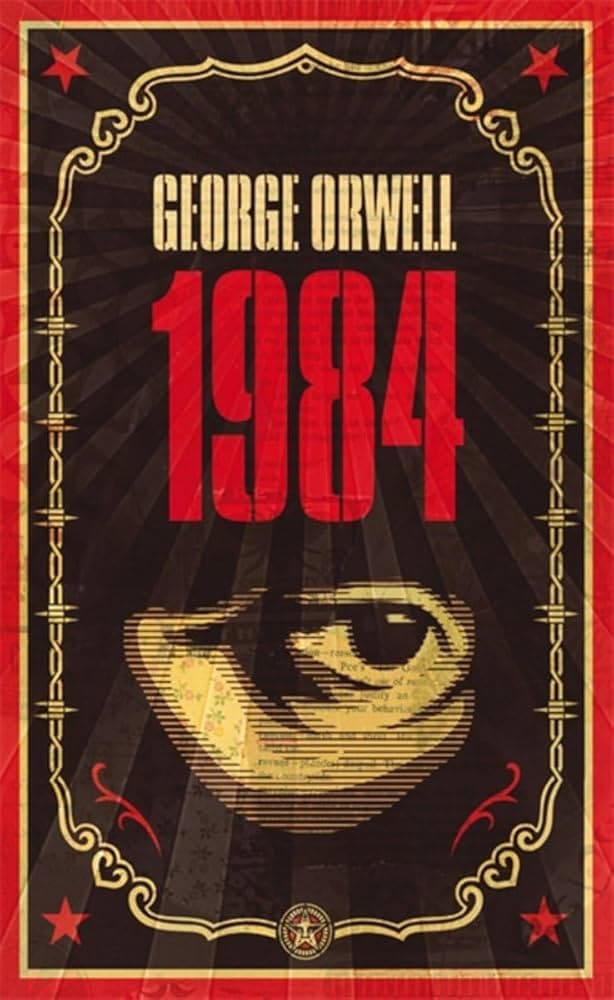
2. 1984 by George Orwell
This dystopian sci-fi novel shows a future ruled by surveillance and control. It warns readers about totalitarian governments and the loss of freedom.
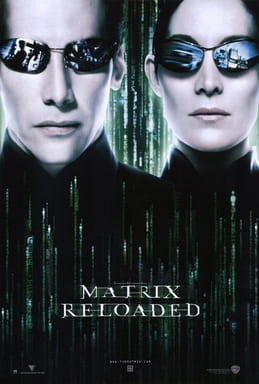
3. The Matrix (Film Series)
A reality-bending sci-fi story where humans live inside a simulated world controlled by machines. It explores AI, free will, and identity.
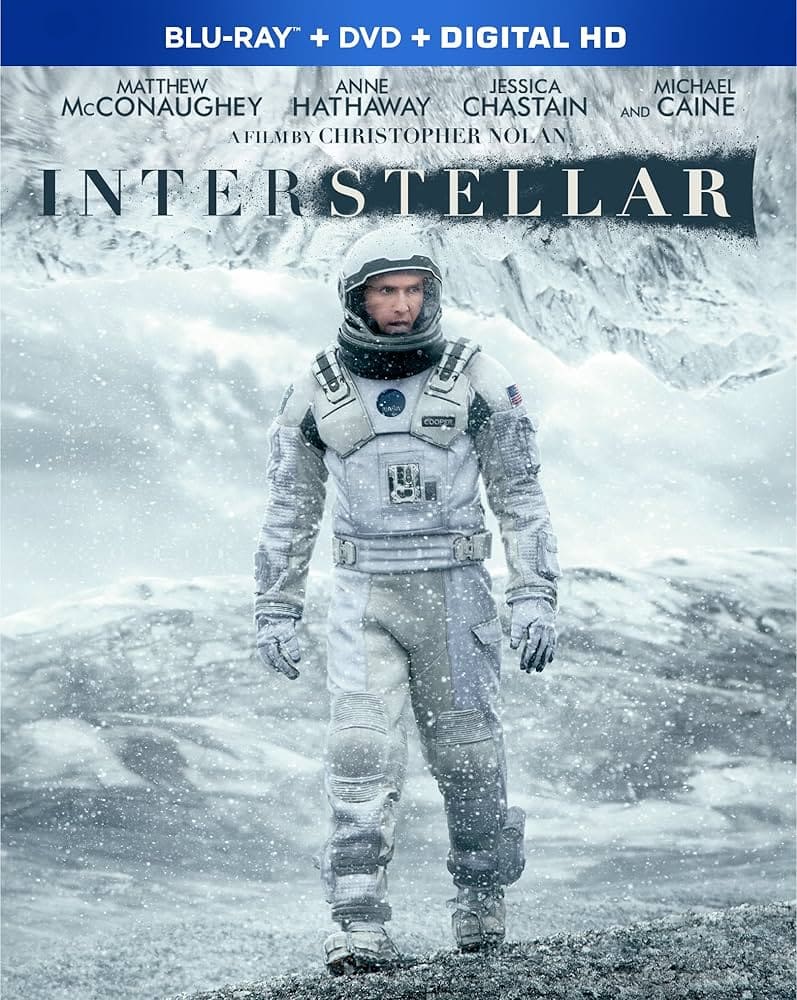
4. Interstellar
This space-based science fiction film uses real physics concepts like black holes and time dilation to tell an emotional story about love and survival.
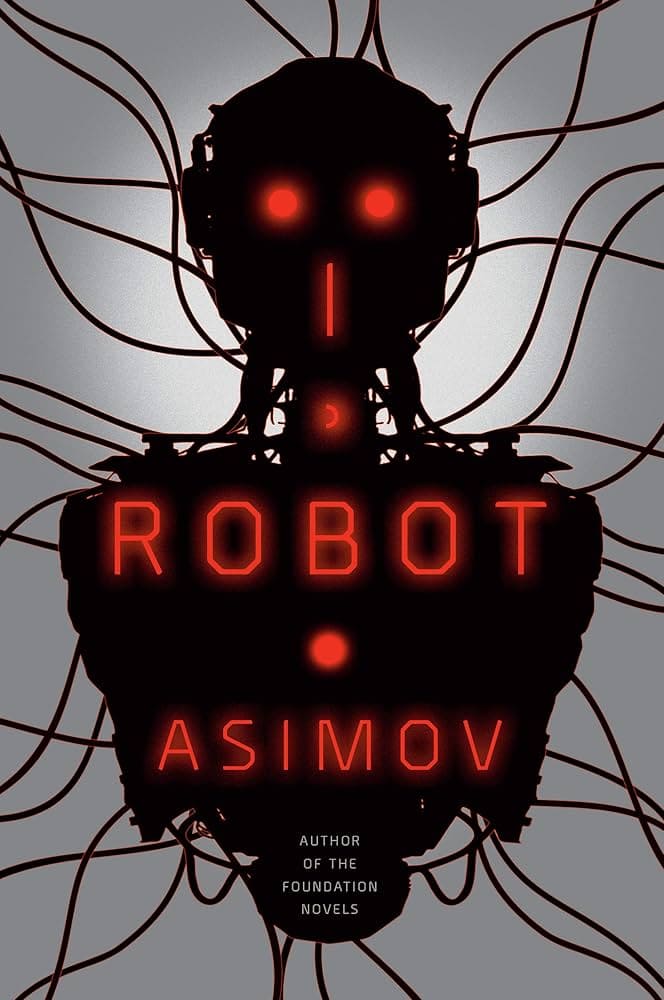
5. I, Robot by Isaac Asimov
A classic sci-fi work that examines the relationship between humans and robots, introducing ethical rules that still influence AI discussions today.
Types of science fiction
Science fiction is a broad genre with many subgenres. Each type explores science and the future in a different way.
1. Hard science fiction
Hard science fiction focuses heavily on scientific accuracy and real-world physics. The technology and discoveries in these stories are based on proven or carefully researched science.
Key Features:
- Realistic science and math
- Detailed explanations of technology
- Logical cause-and-effect
Examples: The Martian by Andy Weir, Interstellar, 2001: A Space Odyssey
2. Soft science fiction
Soft science fiction focuses more on human behavior, psychology, culture, and society rather than technical science. Science exists but stays in the background.
Key Features:
- Emotional and social themes
- Less technical explanations
- Strong character development
Examples: Fahrenheit 451, The Handmaid’s Tale, Never Let Me Go
3. Dystopian science fiction
Dystopian sci-fi presents a dark, controlled, or broken future where society has gone wrong due to technology, politics, or environmental collapse.
Key Features:
- Oppressive governments
- Loss of freedom
- Survival themes
Examples: 1984, The Hunger Games, Brave New World
4. Utopian science fiction
Utopian sci-fi shows a seemingly perfect future society, often to highlight hidden flaws beneath the surface.
Key Features:
- Ideal societies
- Advanced technology
- Subtle social criticism
Examples: The Dispossessed by Ursula K. Le Guin
5. Space opera
Space opera focuses on epic adventures in outer space with large-scale conflicts, heroes, villains, and dramatic storytelling.
Key Features:
- Interstellar travel
- Galactic wars
- Clear good vs evil themes
Examples: Star Wars, Dune, Guardians of the Galaxy
6. Cyberpunk
Cyberpunk explores a future where advanced technology exists alongside social decay. Think mega-corporations, AI, hackers, and neon-lit cities.
Key Features:
- High-tech, low-life settings
- Artificial intelligence
- Corporate control
Examples: Blade Runner, Neuromancer, Cyberpunk 2077
7. Time travel science fiction
This subgenre explores movement through time and its consequences. These stories often deal with paradoxes and alternate timelines.
Key Features:
- Time loops or timelines
- Cause-and-effect changes
- Moral dilemmas
Examples: Back to the Future, Dark, The Time Machine
8. Post-apocalyptic science fiction
These stories take place after a major disaster such as nuclear war, pandemics, or climate collapse.
Key Features:
- Survival themes
- Ruined civilizations
- Rebuilding society
Examples: The Road, Mad Max, Station Eleven
9. Alien and first contact sci-fi
This type explores human interaction with extraterrestrial life, often questioning communication, fear, and coexistence.
Key Features:
- Alien species
- Cultural misunderstandings
- Scientific curiosity
Examples: Arrival, Contact, War of the Worlds
How to write science fiction
1. Start with a “what if?” question
Every sci-fi story begins with a speculative idea.
Examples:
- What if humans could upload their consciousness?
- What if Earth became uninhabitable?
- What if AI ruled the world?
This question becomes the backbone of your story.
Practical tips:
- Take a real scientific trend and push it forward (AI, climate change, space travel).
- Ask how it would affect ordinary people, not just scientists.
- Keeping the idea focused on one big concept is better than having many small ones.
2. Ground your idea in science
Even if the science is fictional, it should feel believable. Research real scientific theories and build from there.
Practical tips:
- Research basic concepts (articles, documentaries, interviews).
- Use real scientific terms sparingly; clarity matters more than accuracy.
- Set clear rules for your science and never break them.
Writer’s tip:
If the reader believes the rules, they’ll accept almost anything.
3. Focus on human impact
Great science fiction isn’t about technology alone; it’s about how people react to it.
Ask yourself:
- Who benefits from this technology?
- Who suffers?
- What moral conflicts arise?
Practical tips:
- Hard sci-fi → focus on accuracy and problem-solving.
- Soft sci-fi → focus on emotions and social impact.
Dystopian → show control, fear, and resistance. - Space opera → keep it fast, epic, and dramatic.
Choose one main type and stick to it.
4. Build a convincing world
Create a future world that feels lived-in:
- Social rules
- Technology level
- Economy and politics
- Daily life details
Small details make futuristic worlds feel real.
Practical tips:
- Ask how people live, work, and communicate.
- Show technology through daily use, not long explanations.
- Decide what has improved and what has worsened.
Example: Flying cars exist, but only the elite can afford them.
5. Create relatable characters
Even in distant futures, readers connect with emotion.
Your characters should have:
- Clear goals
- Fears and flaws
- Personal stakes
Technology should challenge them, not replace them.
Practical tips:
- Give your protagonist a personal goal unrelated to technology.
- Add flaws that clash with the sci-fi world.
- Let characters make mistakes caused by science.
Reminder: A scared, hopeful human beats a perfect genius every time.
6. Introduce conflict through science
Let the scientific element create tension:
- A machine malfunction
- A moral dilemma
- A discovery that changes society
The conflict should grow naturally from your sci-fi concept.
Practical tips:
- Ask what could go wrong with the technology.
- Introduce ethical dilemmas, not just physical danger.
- Make consequences unavoidable.
Example: Saving the world requires sacrificing one city.
7. Avoid common sci-fi mistakes
- Don’t overload with technical jargon
- Avoid info-dumping
- Don’t ignore character development
- Keep rules consistent
Practical tips:
- Explain science only when the reader needs it.
- Use dialogue instead of narration where possible.
- Trust the reader to connect the dots.
Rule of thumb: If it doesn’t move the plot or deepen the character, cut it.
8. Use science fiction to say something meaningful
The best sci-fi stories reflect real-world issues like:
- Climate change
- Power and control
- Identity and freedom
- Ethics of innovation
Use the future to comment on the present.
Practical tips:
- Connect your story to real fears or hopes.
- Avoid preaching and show consequences instead.
- Let readers form their own opinions.
9. End with impact, not just action
A sci-fi ending should leave readers thinking.
Practical tips:
- Show how the world has changed because of the story.
- Resolve emotional arcs, even if the world isn’t “saved.”
- Leave one powerful question unanswered.
Science fiction writing checklist
Use this checklist before drafting or submitting your story:
Idea & concept
- Do I have one clear “what if” idea?
- Is my concept original or given a fresh twist?
Science & logic
- Are my scientific rules consistent?
- Does science feel believable within the story world?
Worldbuilding
- Is the future world clearly imagined?
- Do daily life details support the setting?
Characters
- Are my characters emotionally relatable?
- Do they have clear goals, fears, and flaws?
Conflict & stakes
- Does science create real tension?
- Are the consequences meaningful and unavoidable?
Writing style
- Is the science explained clearly without info-dumping?
- Is the pacing balanced between action and reflection?
Theme & message
- Does the story reflect a real-world issue?
- Am I showing ideas instead of preaching them?
Ending
- Does the ending feel satisfying or thought-provoking?
- Have I resolved the character arcs?
Science fiction remains one of the most powerful and relevant genres because it doesn’t just predict the future it questions it. By exploring scientific possibilities and their consequences, sci-fi encourages readers to think critically about technology, society, and human values.
Whether you’re reading a dystopian novel, watching a space adventure, or writing your own sci-fi story, the genre offers endless opportunities to explore “what if” scenarios.
If you’ve written a sci-fi story and want to publish it, you can connect with PaperTrue. Our expert self-publishing services will manage end-to-end publishing for you!
Continue reading for more: