- A List of Writing Contests in 2022 | Exciting Prizes!
- Em Dash vs. En Dash vs. Hyphen: When to Use Which
- Book Proofreading 101: The Beginner’s Guide
- Screenplay Editing: Importance, Cost, & Self-Editing Tips
- Screenplay Proofreading: Importance, Process, & Cost
- Script Proofreading: Rates, Process, & Proofreading Tips
- Manuscript Proofreading | Definition, Process & Standard Rates
- Tips to Write Better if English Is Your Second Language
- Novel Proofreading | Definition, Significance & Standard Rates
- Top 10 Must-Try Writing Prompt Generators in 2024
- What Is Flash Fiction? Definition, Examples & Types
- 80 Enchanting Christmas Writing Prompts for Your Next Story
- Top 10 Book Review Clubs of 2025 to Share Literary Insights
- 2024’s Top 10 Self-Help Books for Better Living
- Writing Contests 2023: Cash Prizes, Free Entries, & More!
- What Is a Book Teaser and How to Write It: Tips and Examples
- Audiobook vs. EBook vs. Paperback in 2024: (Pros & Cons)
- How to Get a Literary Agent in 2024: The Complete Guide
- Alpha Readers: Where to Find Them and Alpha vs. Beta Readers
- Author Branding 101: How to Build a Powerful Author Brand
- A Guide on How to Write a Book Synopsis: Steps and Examples
- How to Write a Book Review (Meaning, Tips & Examples)
- Building an Author Website: The Ultimate Guide with Examples
- Top 10 Paraphrasing Tools for All (Free & Paid)
- Top 10 Book Editing Software in 2024 (Free & Paid)
- What Are Large Language Models and How They Work: Explained!
- Top 10 Hardcover Book Printing Services [Best of 2024]
- 2024’s Top 10 Setting Generators to Create Unique Settings
- Top 10 Screenplay & Scriptwriting Software (Free & Paid)
- 10 Best AI Text Generators of 2024: Pros, Cons, and Prices
- Top 10 Must-Try Character Name Generators in 2024
- 10 Best AI Text Summarizers in 2024 (Free & Paid)
- 11 Best Story Structures for Writers (+ Examples!)
- How to Write a Book with AI in 2024 (Free & Paid Tools)
- Writing Contests 2024: Cash Prizes & Free Entries!
- Patchwork Plagiarism: Definition, Types, & Examples
- Simple Resume Formats for Maximum Impact With Samples
- What Is a Complement in a Sentence? (Meaning, Types & Examples)
- What are Clauses? Definition, Meaning, Types, and Examples
- Persuasive Writing Guide: Techniques & Examples
- How to Paraphrase a Text (Examples + 10 Strategies!)
- A Simple Proofreading Checklist to Catch Every Mistake
- Top 10 AI Resume Checkers for Job Seekers (Free & Paid)
- 20 Best Comic Book Covers of All Time!
- How to Edit a Book: A Practical Guide with 7 Easy Steps
- How to Write an Autobiography (7 Amazing Strategies!)
- How to Publish a Comic Book: Nine Steps & Publishing Costs
- Passive and Active Voice (Meaning, Examples & Uses)
- How to Publish a Short Story & Best Publishing Platforms
- What Is Expository Writing? Types, Examples, & 10 Tips
- 10 Best Introduction Generators (Includes Free AI Tools!)
- Creative Writing: A Beginner’s Guide to Get Started
- How to Sell Books Online (Steps, Best Platforms & Tools)
- Top 10 Book Promotion Services for Authors (2025)
- 15 Different Types of Poems: Examples & Insight into Poetic Styles
- 10 Best Book Writing Apps for Writers 2025: Free & Paid!
- Top 10 AI Humanizers of 2025 [Free & Paid Tools]
- How to Write a Poem: Step-by-Step Guide to Writing Poetry
- 100+ Amazing Short Story Ideas to Craft Unforgettable Stories
- The Top 10 Literary Devices: Definitions & Examples
- Top 10 AI Translators for High-Quality Translation in 2025
- Top 10 AI Tools for Research in 2025 (Fast & Efficient!)
- 50 Best Essay Prompts for College Students in 2025
- Top 10 Book Distribution Services for Authors in 2025
- Top 10 Book Title Generators of 2025
- What Is an Adjective? Definition, Usage & Examples
- How to Track Changes in Google Docs: A 7-Step Guide
- Parts of a Book: A Practical, Easy-to-Understand Guide
- What Is an Anthology? Meaning, Types, & Anthology Examples
- 10 Best Plot Generators for Engaging Storytelling in 2025
- 30 Powerful Poems About Life to Inspire and Uplift You
- Metonymy: Definition, Examples, and How to Use It In Writing
- How to Write a CV with AI in 9 Steps (+ AI CV Builders)
- What Is an Adverb? Definition, Types, & Practical Examples
- How to Create the Perfect Book Trailer for Free
- Translation Services: Top 10 Professional Translators (2025)
- 10 Best Free Online Grammar Checkers: Features and Ratings
- 30 Popular Children’s Books Teachers Recommend in 2025
- 10 Best Photobook Makers of 2025 We Tested This Year
- Top 10 Book Printing Services for Authors in 2025
- 10 Best AI Detector Tools in 2025
- Audiobook Marketing Guide: Best Strategies, Tools & Ideas
- 10 Best AI Writing Assistants of 2025 (Features + Pricing)
- How to Write a Book Press Release that Grabs Attention
- 15 Powerful Writing Techniques for Authors in 2025
- Generative AI: Types, Impact, Advantages, Disadvantages
- Best EBook Cover Design Services of 2025 for Authors
- Writing Contests 2025: Cash Prizes, Free Entries, and More!
- National Novel Writing Month (NaNoWriMo)
- Best Horror Books of All Time (Must-Read List)
- Best Book Trailer Services
- Your Guide to the Best eBook Readers in 2026
- 10 Best Punctuation Checkers for Error-Free Text (2026)
- Master Circumlocution: Definition, Examples & Literary Uses
- Best Historical Fiction Books: 30 Must-Read Novels
- Best 101 Greatest Fictional Characters of All Time
- Top 10 Book Writing Software, Websites, and Tools in 2026
- Top 10 AI Rewriters for Perfect Text in 2026 (Free & Paid)
- Top 10 Book Publishing Companies in the World (2026)
- Best Fonts and Sizes for Books: A Complete Guide
- 25 Figures of Speech Simplified: Definitions and Examples
- 14 Punctuation Marks: A Guide on How to Use with Examples!
- Best Book Review Sites of 2026: Top 10 Picks
- Different Types of Characters in Stories That Steal the Show
- 50 Best Literary Agents in the USA for Authors in 2026
- Top 10 Book Marketing Services of 2026: Features and Costs
- Writing Contests 2026: Free Entries and Cash Prizes!
- Top 101 Bone-Chilling Horror Writing Prompts
- What Is a Poem? Poetry Definition, Elements, & Examples
- 50 Timeless and Best Book Covers of All Time
- Top 10 eBook Creator Tools in 2026: Free & Paid
- How to Write a Book Report | Steps, Examples & Free Template
- 100+ Creative Writing Prompts for Masterful Storytelling
- Children’s Book Illustration: Styles, Process, and Examples
- What is a Book Copyright Page?
- Final Checklist: Is My Article Ready for Submitting to Journals?
- 8 Pre-Publishing Steps to Self-Publish Your Book
- How to Copyright Your Book in the US, UK, & India
- Beta Readers: Why You Should Know About Them in 2024
- How to Publish a Book in 2024: Essential Tips for Beginners
- Book Cover Design Basics: Tips & Best Book Cover Ideas
- Why and How to Use an Author Pen Name: Guide for Authors
- How to Format a Book in 2025: 7 Tips for Book Formatting
- What is Manuscript Critique? Benefits, Process, & Cost
- 10 Best Ghostwriting Services for Authors in 2025
- Best Manuscript Editing Services of 2025
- Best Manuscript Critique Services (2026): Top 10 Picks
- How To Format a Book in Google Docs (Step-by-Step)
- ISBN Guide: What Is an ISBN and How to Get an ISBN
- 7 Essential Elements of a Book Cover Design
- How to Hire a Book Editor in 5 Practical Steps
- Self-Publishing Options for Writers
- How to Promote Your Book Using a Goodreads Author Page
- What Makes Typesetting a Pre-Publishing Essential for Every Author?
- 4 Online Publishing Platforms To Boost Your Readership
- Typesetting: An Introduction
- Quick Guide to Novel Editing (with a Self-Editing Checklist)
- Self-Publishing vs. Traditional Publishing: 2024 Guide
- How to Publish a Book in 2024: Essential Tips for Beginners
- How to Publish a Book on Amazon: 8 Easy Steps [2024 Update]
- What are Print-on-Demand Books? Cost and Process in 2024
- What Are the Standard Book Sizes for Publishing Your Book?
- How to Market Your Book on Amazon to Maximize Sales in 2024
- Top 10 Hardcover Book Printing Services [Best of 2024]
- How to Find an Editor for Your Book in 8 Steps (+ Costs!)
- What Is Amazon Self-Publishing? Pros, Cons & Key Insights
- Manuscript Editing in 2024: Elevating Your Writing for Success
- Know Everything About How to Make an Audiobook
- A Simple 14-Point Self-Publishing Checklist for Authors
- How to Write an Engaging Author Bio: Tips and Examples
- Book Cover Design Basics: Tips & Best Book Cover Ideas
- How to Publish a Comic Book: Nine Steps & Publishing Costs
- Why and How to Use an Author Pen Name: Guide for Authors
- How to Sell Books Online (Steps, Best Platforms & Tools)
- A Simple Guide to Select the Best Self-Publishing Websites
- 10 Best Book Cover Design Services of 2025: Price & Ratings
- How Much Does It Cost to Self-Publish a Book in 2025?
- Quick Guide to Book Editing [Complete Process & Standard Rates]
- How to Distinguish Between Genuine and Fake Literary Agents
- What is Self-Publishing? Everything You Need to Know
- How to Copyright a Book in 2025 (Costs + Free Template)
- The Best eBook Conversion Services of 2025: Top 10 Picks
- 10 Best Self-Publishing Companies of 2025: Price & Royalties
- 10 Best Photobook Makers of 2025 We Tested This Year
- Book Cover Types: Formats, Bindings & Styles
- A Beginner’s Guide on How to Self Publish a Book (2025)
- Index in a Book: Definition, Purpose, and How to Use It
- How to Publish a Novel: Easy Step-By-Step Guide
- How to Design a Book Cover: From Concept to Covers That Sell
- ISBN Guide: What Is an ISBN and How to Get an ISBN
- 7 Essential Elements of a Book Cover Design
- 8 Tips To Write Appealing Query Letters
- Self-Publishing vs. Traditional Publishing: 2024 Guide
- How to Publish a Book in 2024: Essential Tips for Beginners
- What are Print-on-Demand Books? Cost and Process in 2024
- How to Write a Query Letter (Examples + Free Template)
- Third-person Point of View: Definition, Types, Examples
- How to Write an Engaging Author Bio: Tips and Examples
- How to Publish a Comic Book: Nine Steps & Publishing Costs
- 10 Best Photobook Makers of 2025 We Tested This Year
- Book Cover Types: Formats, Bindings & Styles
- Index in a Book: Definition, Purpose, and How to Use It
- How to Publish a Novel: Easy Step-By-Step Guide
- How to start your own online publishing company?
- How to Design a Book Cover: From Concept to Covers That Sell
- ISBN Guide: What Is an ISBN and How to Get an ISBN
- Top 10 Book Publishing Companies in the World (2026)
- How to Create Depth in Characters
- Starting Your Book With a Bang: Ways to Catch Readers’ Attention
- Research for Fiction Writers: A Complete Guide
- Short stories: Do’s and don’ts
- How to Write Dialogue: 7 Rules, 5 Tips & 65 Examples
- What Are Foil and Stock Characters? Easy Examples from Harry Potter
- How To Write Better Letters In Your Novel
- On Being Tense About Tense: What Verb Tense To Write Your Novel In
- How To Create A Stellar Plot Outline
- How to Punctuate Dialogue in Fiction
- On Being Tense about Tense: Present Tense Narratives in Novels
- The Essential Guide to Worldbuilding [from Book Editors]
- What Is Point of View? Definition, Types, & Examples in Writing
- How to Create Powerful Conflict in Your Story | Useful Examples
- How to Write a Book: A Step-by-Step Guide
- How to Write a Short Story in 6 Simple Steps
- How to Write a Novel: 8 Steps to Help You Start Writing
- Joseph Campbell’s Hero’s Journey: Worksheet & Examples
- Novel Outline: A Proven Blueprint [+ Free Template!]
- Character Development: 7-Step Guide for Writers
- What Is NaNoWriMo? Top 7 Tips to Ace the Writing Marathon
- What Is the Setting of a Story? Meaning + 7 Expert Tips
- What Is a Blurb? Meaning, Examples & 10 Expert Tips
- What Is Show, Don’t Tell? (Meaning, Examples & 6 Tips)
- 10 Best Free AI Resume Builders to Create the Perfect CV
- A Complete Guide on How to Use ChatGPT to Write a Resume
- 10 Best AI Writer Tools Every Writer Should Know About
- How to Write a Book Title (15 Expert Tips + Examples)
- Mastering Professional Email Writing: Steps, Tips & Examples
- How to Write a Screenplay: Expert Tips, Steps, and Examples
- Business Proposal Guide: How to Write, Examples and Template
- Different Types of Resumes: Explained with Tips and Examples
- How to Create a Memorable Protagonist (7 Expert Tips)
- How to Write an Antagonist (Examples & 7 Expert Tips)
- Writing for the Web: 7 Expert Tips for Web Content Writing
- 10 Best AI Text Generators of 2024: Pros, Cons, and Prices
- What are the Parts of a Sentence? An Easy-to-Learn Guide
- What Is Climax Of A Story & How To Craft A Gripping Climax
- What Is a Subject of a Sentence? Meaning, Examples & Types
- Object of a Sentence: Your Comprehensive Guide
- What Is First-Person Point of View? Tips & Practical Examples
- Second-person Point of View: What Is It and Examples
- 10 Best AI Essay Outline Generators of 2024
- Third-person Point of View: Definition, Types, Examples
- The Importance of Proofreading: A Comprehensive Overview
- Patchwork Plagiarism: Definition, Types, & Examples
- Simple Resume Formats for Maximum Impact With Samples
- The Ultimate Guide to Phrases In English – Types & Examples
- Modifiers: Definition, Meaning, Types, and Examples
- What are Clauses? Definition, Meaning, Types, and Examples
- Persuasive Writing Guide: Techniques & Examples
- What Is a Simile? Meaning, Examples & How to Use Similes
- Mastering Metaphors: Definition, Types, and Examples
- How to Publish a Comic Book: Nine Steps & Publishing Costs
- Essential Grammar Rules: Master Basic & Advanced Writing Skills
- Benefits of Using an AI Writing Generator for Editing
- Hyperbole in Writing: Definition and Examples
- How to Write a Novel in Past Tense? 3 Steps & Examples
- 10 Best Spell Checkers of 2025: Features, Accuracy & Ranking
- Foil Character: Definition, History, & Examples
- How to Write a Children’s Book: An Easy Step-by-Step Guide
- How To Write a Murder Mystery Story
- What Is an Adjective? Definition, Usage & Examples
- Metonymy: Definition, Examples, and How to Use It In Writing
- Fourth-Person Point of View: A Unique Narrative Guide
- How to Write a CV with AI in 9 Steps (+ AI CV Builders)
- What Is an Adverb? Definition, Types, & Practical Examples
- How to Write A Legal Document in 6 Easy Steps
- 10 Best AI Story Generators in 2025: Write Captivating Tales
- How to Introduce a Character Effectively
- What is Rhetoric and How to Use It in Your Writing
- How to Write a Powerful Plot in 12 Steps
- How to Make Money as a Writer: Your First $1,000 Guide
- How to Write SEO Content: Tips for SEO-Optimized Content
- Types of Introductions and Examples
- What is a Cliffhanger? Definition, Examples, & Writing Tips
- How to Write Cliffhangers that Keep Readers Hooked!
- How to Write a Romance Novel: Step-by-Step Guide
- Top 10 Writing Tips from Famous Authors
- 10 Best Ghostwriting Services for Authors in 2025
- What is Ghostwriting? Meaning and Examples
- How to Become a Ghostwriter: Complete Career Guide
- How to Write a Speech that Inspires (With Examples)
- 10 Best AI Writing Assistants of 2025 (Features + Pricing)
- Generative AI: Types, Impact, Advantages, Disadvantages
- Worldbuilding Questions and Templates (Free)
- How to Avoid Plagiarism in 2025 (10 Effective Strategies!)
- How to Create Marketing Material
- What Is Worldbuilding? Steps, Tips, and Examples
- What is Syntax in Writing: Definition and Examples
- What is a Subplot? Meaning, Examples & Types
- Writing Challenges Every Writer Should Take
- What Is a Memoir? Definition, Examples, and Tips
- What Is Fiction? Definition, Types & Examples
- What Is Science Fiction? Meaning, Examples, and Types
- 50 Character Stereotypes: The Ultimate List!
- 50 Novel Writing Prompts (Categorized by Genre)
- 50 Haiku Writing Prompts For Your Inner Poet
- Direct Characterization: Definition, Examples & Comparison
- Indirect Characterization: Meaning, Examples & Writing Tips
- Direct vs Indirect Characterization: What’s the Difference
- How to Write Epic Fantasy
- 50 Non-fiction Writing Prompts For Your Inner Writer
- Master Circumlocution: Definition, Examples & Literary Uses
- How to Write a Good Villain (With Examples)
- How to Avoid AI Detection in 2026 (6 Proven Techniques!)
- How to Write a Cookbook: Step-by-Step Guide
- 5 Key Elements of a Short Story: Essential Tips for Writers
- 100 Novel and Book Ideas to Start Your Book Writing Journey
- 30+ Best ATS-Friendly ChatGPT Prompts for Resumes (2026)
- Theme of a Story | Meaning, Common Themes & Examples
- How to Write a Book Summary: Example, Tips, & Bonus Section
- Exploring Writing Styles: Meaning, Types, and Examples
- What Is a Stock Character? 150 Examples from 5 Genres
- How to Write a Book Description (Examples + Free Template)
Still have questions? Leave a comment
Checklist: Dissertation Proposal
Enter your email id to get the downloadable right in your inbox!
[contact-form-7 id="12425" title="Checklist: Dissertation Proposal"]
Examples: Edited Papers
Enter your email id to get the downloadable right in your inbox!
[contact-form-7 id="12426" title="Examples: Edited Papers"]Looking
to self-publish
your book?
Children’s Book Illustration: Styles, Process, and Examples
 Sep 03, 2026
 15
min read
15
min read
Open a children’s picture book, and you’ll notice something interesting: the illustrations often tell part of the story before a child reads a single word. That’s what makes children’s book illustration so important. It takes the ideas in a story and turns them into characters, settings, and moments that young readers can see, understand, and connect with.
Whether you’re an author figuring out how you want your book to look, an illustrator trying to understand the process, or someone exploring children’s book illustration for the first time, there are a lot of decisions to make. Should you go with a playful cartoon style or something softer like watercolor? How do you plan the illustrations from the first sketch to the final page? And what should you look for when hiring a children’s book illustrator?
This guide breaks those questions down, with children’s book illustration style examples and practical tips to help you make the right choices.
Publish Your Children’s Book With Beautiful Illustrations Now! Get Started
Why the illustration style you pick matters
For a children’s book, the illustrations are often one of the first things a young reader notices. Before they understand the story, they may be drawn to a character’s expression, the colors on the page, or an interesting scene.
That’s why children’s book illustration styles matter so much. It can shape how a child feels about the story. Soft watercolor, for example, creates a very different mood from bold, colorful vector art, even when both are paired with the same text.
The style should also suit the age of your readers. Toddlers may respond better to simple, bold visuals, while older children can enjoy more detailed and layered artwork. Your choice of style can also affect the budget and timeline. A detailed, hand-painted illustration generally takes more time to create than a simple digital illustration. Before you start looking for an illustrator, it helps to understand the different styles available and what each one can bring to your story.
Children’s book illustration styles with real examples
There isn’t one illustration style that works for every children’s book. The right choice depends on your story, your target age group, and the kind of mood you want to create.
Here are some of the most common children’s book illustration styles, along with examples of each.
1. Cartoon style
Cartoon illustration is probably one of the first styles that comes to mind when you think about children’s books. It often uses expressive faces, bold outlines, and exaggerated features to make characters easy to recognize and fun to look at. Animals may have human-like expressions, while characters and objects can have exaggerated shapes or proportions. The overall effect is usually playful and full of energy.
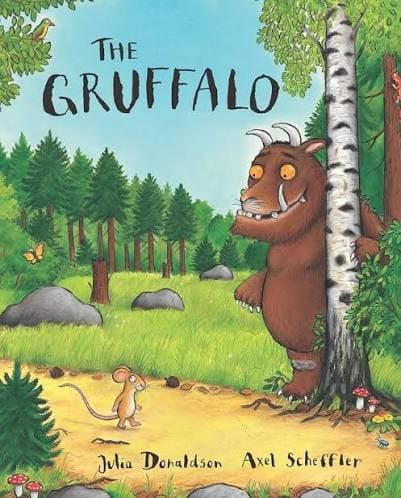
Example: The Gruffalo by Julia Donaldson, illustrated by Axel Scheffler, is a great example. The characters have expressive faces and lively poses, while the Gruffalo looks exciting and slightly scary without being truly frightening.
Cartoon illustration works amazingly well for funny stories, playful adventures, and books aimed at younger children.
2. Realistic style
Realistic illustration aims to show people, animals, and places in a way that closely resembles the real world. It usually focuses on accurate proportions, natural lighting, textures, and small details. The result doesn’t have to look like a photograph. Instead, it gives the reader a strong sense of what the subject might actually look like.
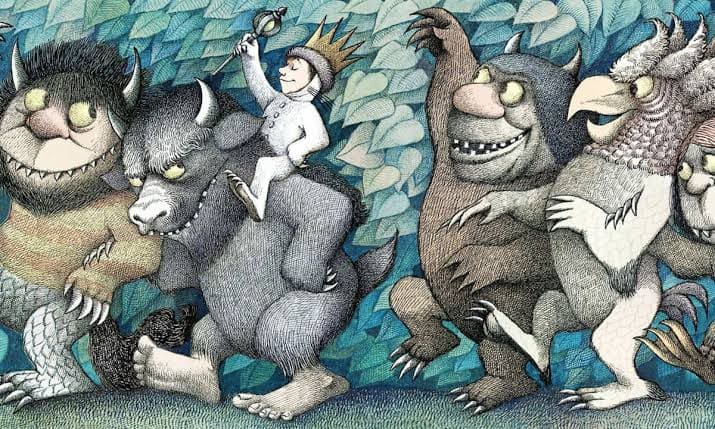
Example: Maurice Sendak’s illustrations in Where the Wild Things Are use a grounded and textured approach. Even though the story features imaginary creatures, the illustrations make the world feel believable.
This style can work particularly well for nonfiction books, biographies, nature books, and stories based on real-world settings.
3. Watercolor style
Watercolor illustrations are known for their soft colors, gentle edges, and painterly appearance. The way watercolor naturally blends and spreads across the page can give illustrations a warm and organic quality.
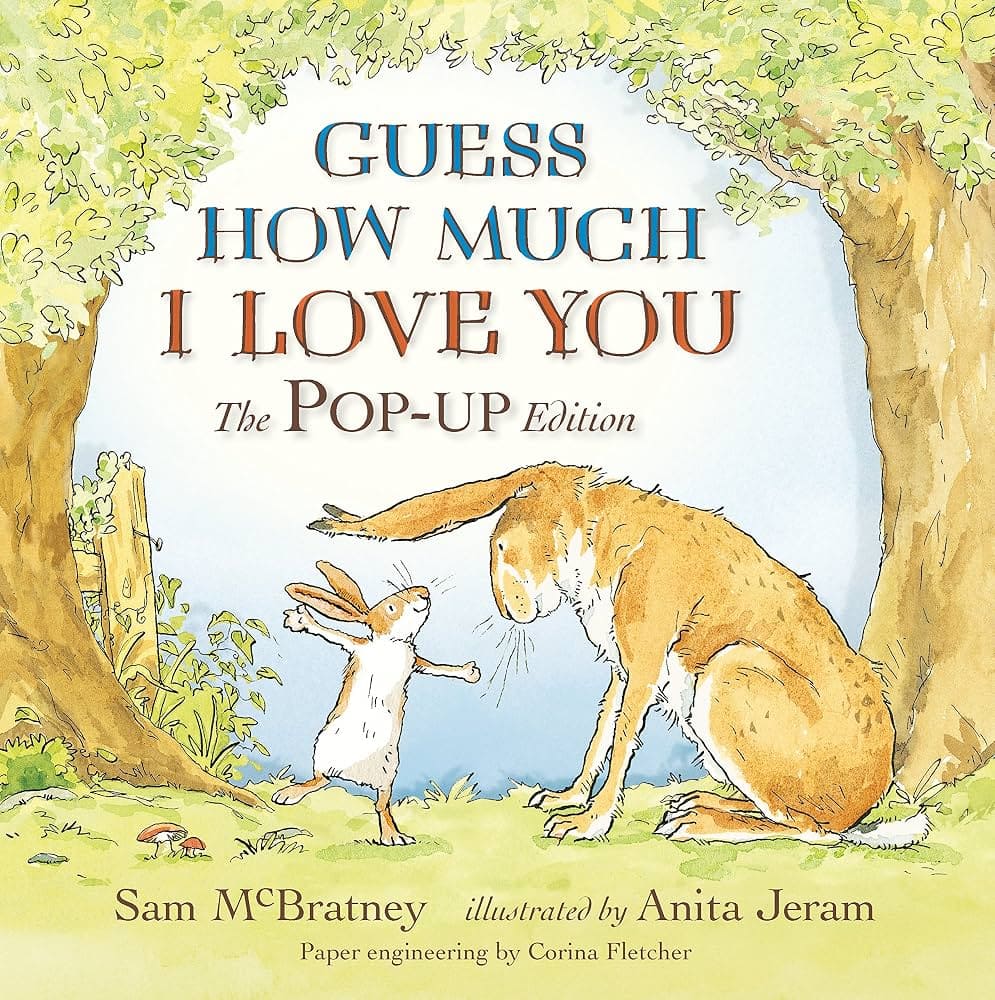
Example: Guess How Much I Love You, illustrated by Anita Jeram, is a well-known example. Its soft colors and delicate illustrations create a calm and comforting feeling.
Watercolor is especially suited to bedtime stories, emotional moments, and gentle stories where you want the illustrations to feel warm and soothing.
4. Flat / Vector style
Flat illustration uses simple shapes, solid colors, and very little shading. Because the visuals are clean and easy to understand, this style can work particularly well for younger audiences. It also works well across different formats. The illustrations can be adapted for digital books, websites, and merchandise without losing much of their visual clarity.
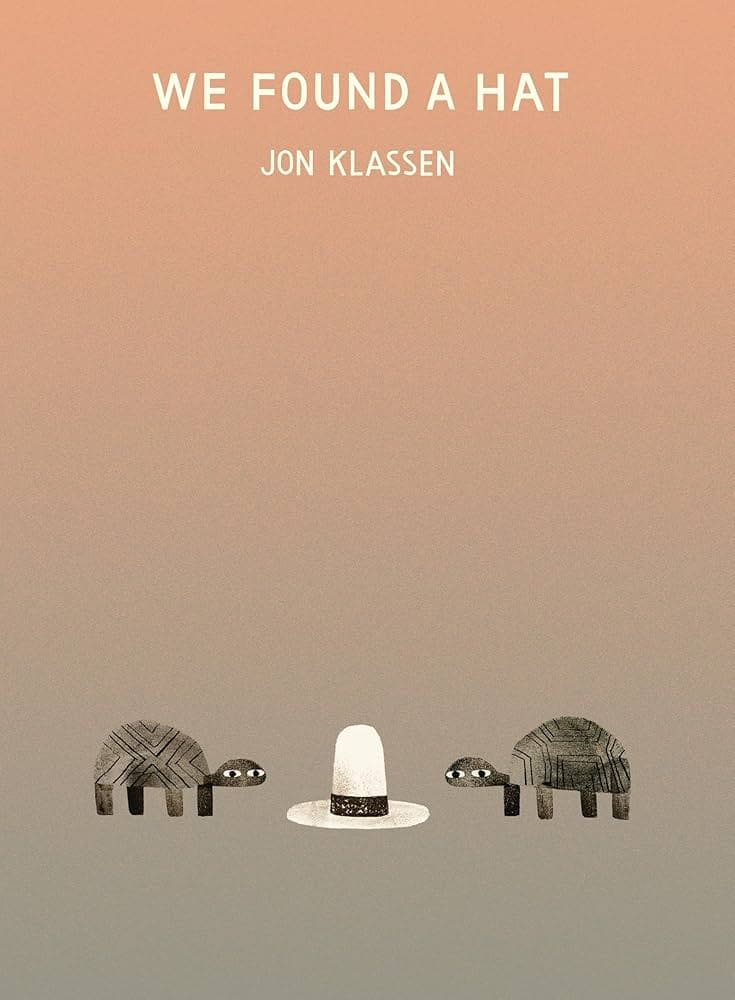
Example: We Found a Hat by Jon Klassen is a good example of a simple, graphic illustration style that is easy to recognize.
Flat or vector illustration can be a good choice for modern, minimalist stories and books that will be published in both print and digital formats.
5. Line drawing and sketch style
Sketch-style illustration has a loose and unfinished quality. It may use visible pencil marks, ink lines, and little or no color. Rather than looking highly polished, these illustrations can feel personal and handmade, almost like pages taken from an artist’s sketchbook.
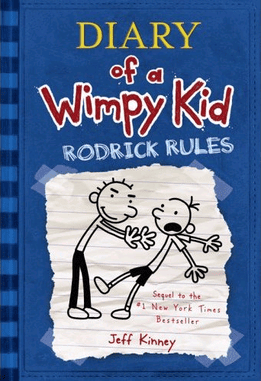
Example: Diary of a Wimpy Kid by Jeff Kinney uses a simple line-drawing approach throughout the series.
This style is good for humorous stories, journal-style books, and projects where you want the artwork to feel simple, personal, and immediate. It can also be useful for coloring books, where the linework gives readers space to add their own colors.
6. Collage style
Collage illustration brings together different materials, such as paper, fabric, textures, and sometimes photographs, to create a complete scene. One of its biggest strengths is its sense of texture. Instead of simply looking at a flat image, the reader can almost imagine the different materials used to create it.
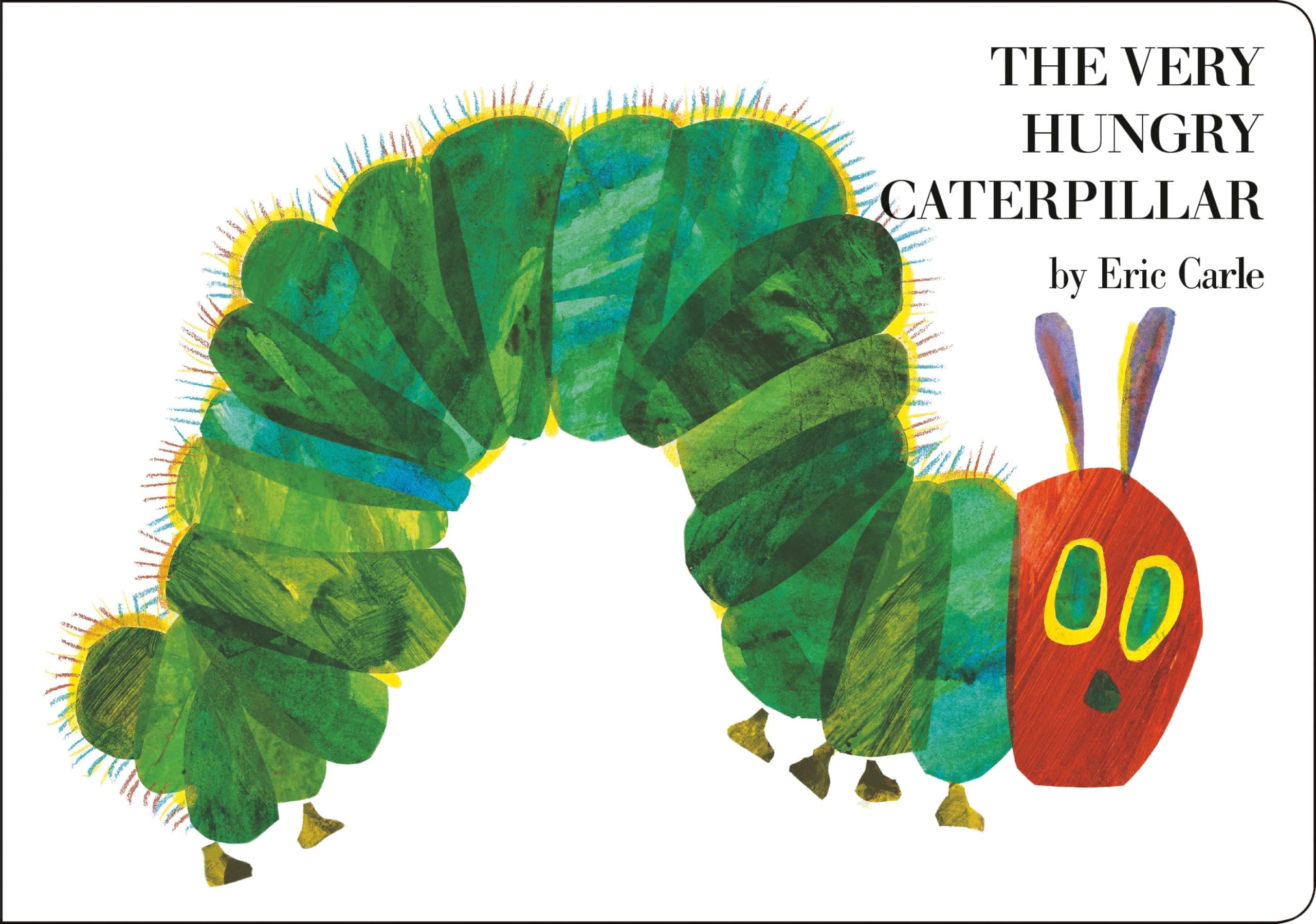
Example: The Very Hungry Caterpillar by Eric Carle is one of the best-known examples of collage illustration in children’s literature.
This style can work particularly well for nature stories, sensory books, and stories where texture is an important part of the visual experience.
7. 3D / Digital render style
3D and digital render illustrations use digital tools to create characters and environments with a strong sense of depth and volume. Depending on the artist, the final result can range from stylized to almost photorealistic.
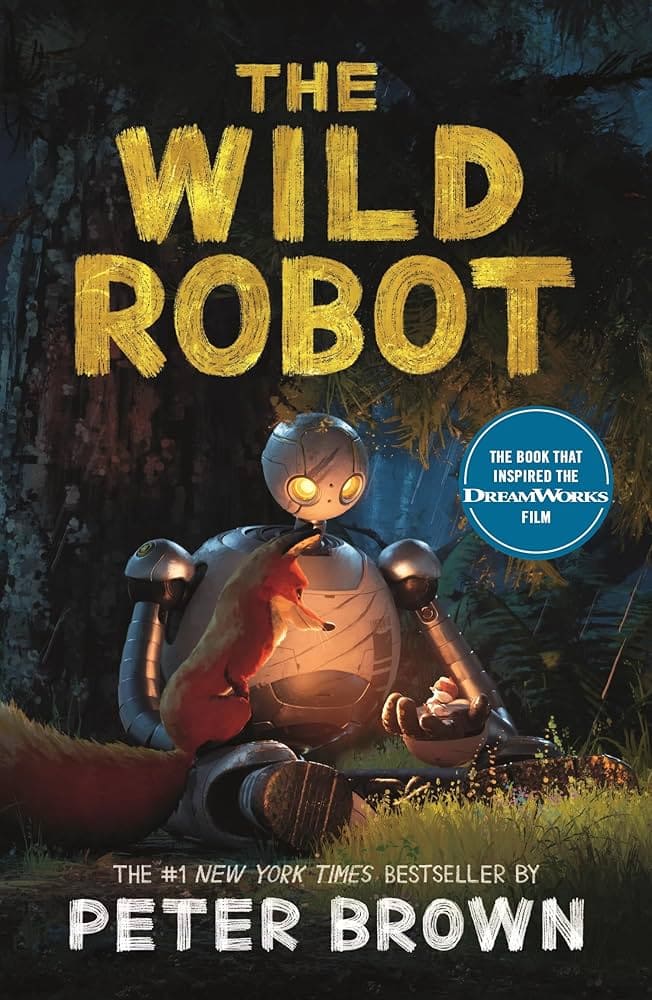
Example: The Wild Robot by Peter Brown has a dimensional, cinematic quality that fits this style.
This approach can work well for adventure and science-fiction stories, particularly when the illustrations need to create detailed worlds or characters that could eventually be adapted for animation.
8. Whimsical / Fantasy style
Whimsical illustration focuses on imagination, wonder, and creativity. The artwork doesn’t necessarily follow the rules of the real world. Instead, it creates a dreamlike setting where unusual and magical things can happen.
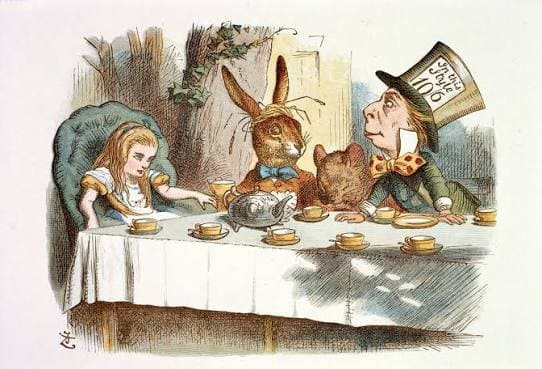
Example: John Tenniel’s illustrations for Alice’s Adventures in Wonderland are a classic example of this approach and have influenced how many people visualize the story.
This style is a natural fit for fairy tales, fantasy stories, magical worlds, enchanted forests, and stories featuring talking animals.
9. Abstract style
Abstract illustration doesn’t always show people, places, or objects in a literal way. Instead, it uses shapes, colors, patterns, and visual ideas to communicate a feeling or concept. This gives young readers more room to interpret what they see and use their own imagination.
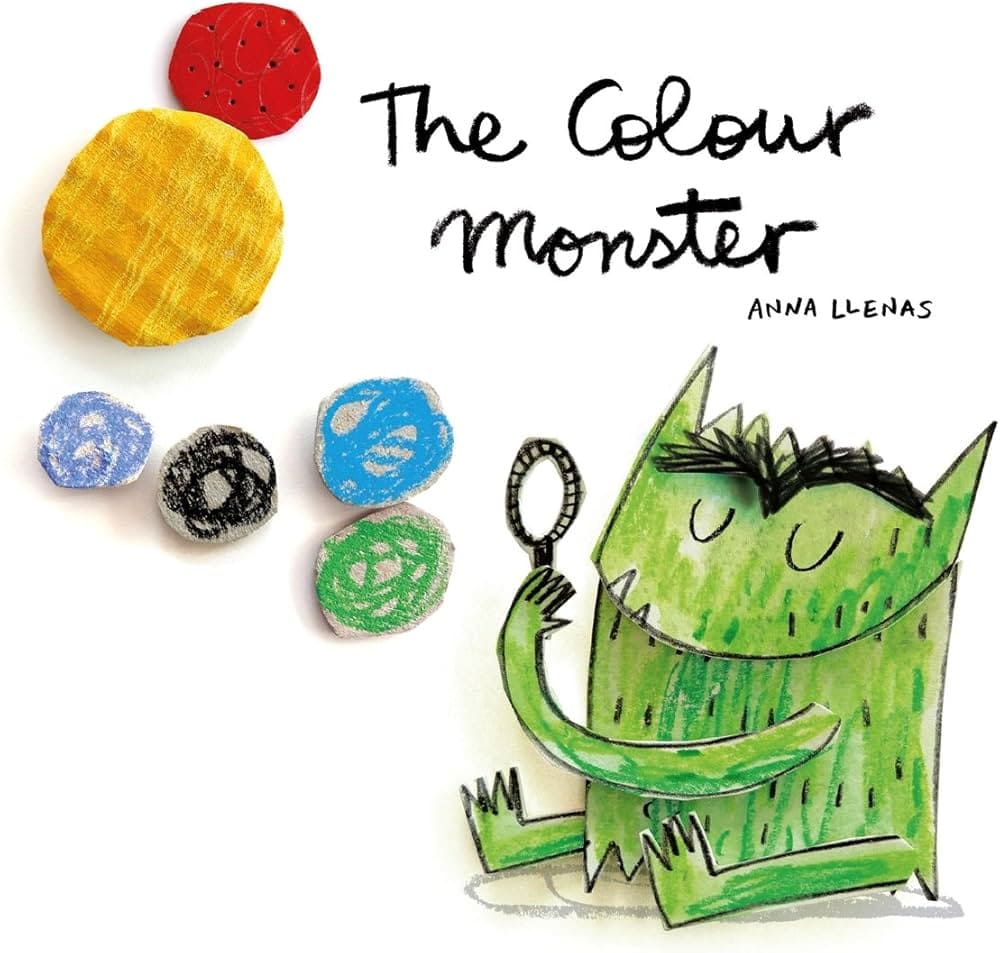
Example: The Color Monster by Anna Llenas is a good example of how abstract and expressive visuals can be used to represent emotions. The book uses colors, shapes, and visual metaphors to help children understand feelings such as happiness, sadness, anger, and fear.
Abstract illustration can work for books about emotions, mindfulness, feelings, and other concepts that don’t have a single obvious visual representation.
10. Wimmelbuch style
Wimmelbuch illustration originated in Germany and is known for extremely detailed, busy scenes. A single page may contain dozens of characters, objects, and small activities happening at the same time. Instead of focusing on one main subject, these illustrations encourage children to explore the page and discover new details each time they look at it.
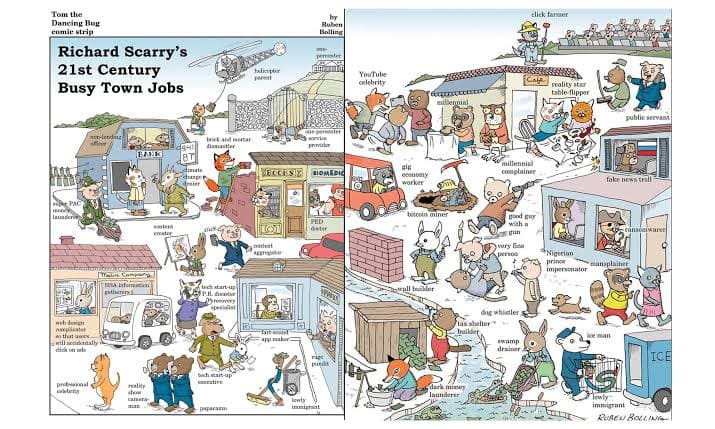
Example: Busy Town by Richard Scarry is a great example of the detailed, busy-picture approach associated with Wimmelbuch-style books. Each page is packed with characters, objects, and little activities, giving children plenty to discover as they explore the illustrations.
This style is particularly popular with toddlers and young children who enjoy finding objects and characters in pictures. It can also encourage observation and help children build vocabulary.
11. Moody / Atmospheric style
Moody illustration uses elements such as muted colors, contrast, and shadows to create a particular atmosphere. Depending on the story, the result can feel cozy, mysterious, nostalgic, or even slightly melancholic.
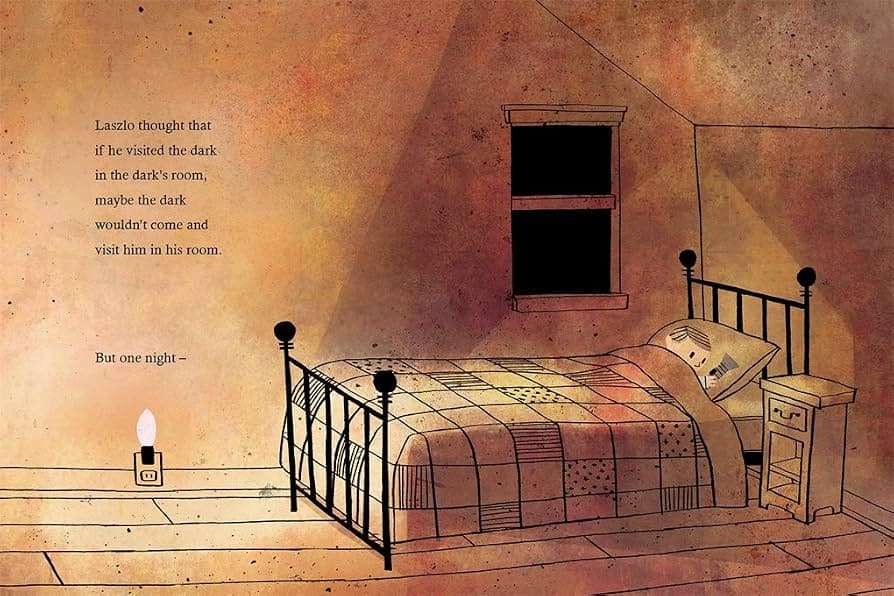
Example: The Dark by Lemony Snicket, illustrated by Jon Klassen, is a good example of how darker colors, shadows, and atmosphere can shape a story. The illustrations create a slightly mysterious and uneasy feeling that works alongside the text.
This style can be a good fit for stories that explore deeper emotions, quiet family moments, or mystery.
12. Vintage style
Vintage illustration takes inspiration from older children’s books. It often uses muted colors, classic linework, and a warm, timeless appearance.
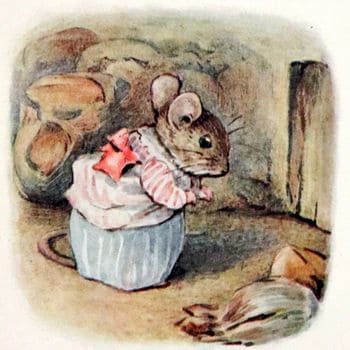
Example: Beatrix Potter’s illustrations are a well-known example of this style. Her artwork continues to feel familiar and charming even generations after it was created.
Vintage illustration can work particularly well for stories about family traditions, history, or stories designed to have a timeless quality.
13. Manga style
Manga-inspired illustration takes elements from Japanese comics and anime, including expressive faces, strong linework, dynamic poses, and panel-based storytelling. It is especially popular with older children and tweens who are beginning to explore graphic novels and more visually complex stories.
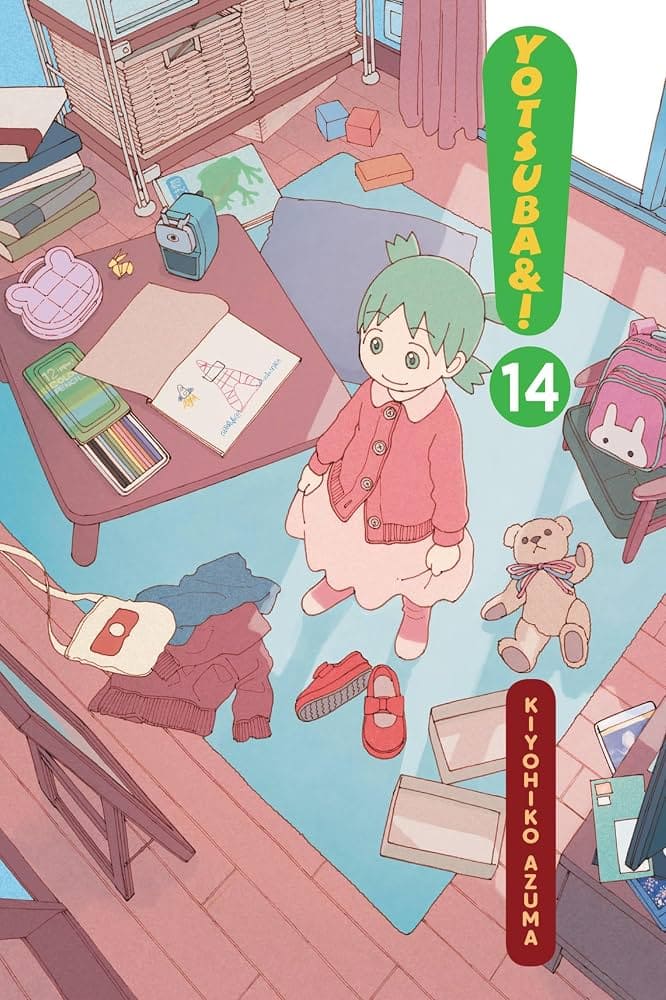
Example: Yotsuba&! by Kiyohiko Azuma is a great example of manga created with younger readers in mind. The series follows a curious five-year-old girl as she explores everyday life, using expressive characters and clear visual storytelling to bring ordinary moments to life.
This style works well for action-focused stories and graphic novels where the illustrations need to bring energy and movement to the page.
How to choose the right illustration style for your book
With so many styles to choose from, deciding on one can feel difficult. A few simple questions can help you narrow down your options:
1. What is the emotional core of your story?
A calm bedtime story may work well with soft watercolor illustrations, while a funny and energetic adventure might suit a cartoon style better.
2. Who is your target audience?
Younger children often respond well to simple, bold visuals, while older children may appreciate more detail and subtle visual elements.
3. Where will you publish the book?
If you plan to publish both digitally and in print, consider how well the chosen style will adapt to different formats.
4. Does the style suit the story’s culture or setting?
The characters, colors, clothing, environments, and other visual details should feel appropriate and authentic to the world you’re creating.
5. What is your budget and timeline?
Detailed, hand-painted artwork generally requires more time and can cost more than simpler digital illustrations. Consider these factors before choosing a style.
6. Are you planning a series?
If the book is part of a series, choose an illustrator who can maintain consistent characters and visual style across multiple books.
How to illustrate a children’s book
If you’re illustrating your own children’s book, the process can seem overwhelming at first. Fortunately, most projects follow a fairly clear progression, from the first rough ideas to the finished artwork. Here’s what that process usually looks like:
Step 1: Read the manuscript and doodle
Before creating the final illustrations, read the manuscript several times and make rough sketches of the ideas that come to mind. For example, imagine the story is about a little girl named Maya who is afraid of thunderstorms. While reading the manuscript, you might jot down ideas such as:
- Maya hiding under her blanket while lightning flashes outside
- Her cat sitting beside her during the storm
- Maya looking out of the window after the rain stops
- A final spread showing Maya happily jumping in puddles
Don’t worry about making these drawings look good. At this stage, you’re simply exploring characters, settings, emotions, and possible scenes.
You can doodle traditionally with a pencil and paper or use digital tools such as Procreate, Adobe Fresco, Clip Studio Paint, or Krita. If you’re struggling to visualize a scene, you can also use a simple mood board made in Pinterest or Canva to collect references for colours, environments, clothing, or architecture.
Practical tip: Keep a separate sketchbook or digital canvas for these rough ideas. Don’t erase every “bad” sketch; sometimes an imperfect doodle leads to your best illustration.
Step 2: Thumbnail the page spreads
Once you have a general idea of the characters and scenes, create thumbnails. These are small, simple sketches that show what each page or spread might look like. For example, if Maya’s story has a spread where the storm begins, you could try several compositions:
Thumbnail 1: Maya is small in the corner of her bedroom while the window takes up most of the spread.
Thumbnail 2: A close-up of Maya covering her ears while her cat hides underneath the bed.
Thumbnail 3: A wide shot showing the entire bedroom, with lightning visible through the window.
These quick versions allow you to decide which composition creates the strongest emotional impact before you spend hours illustrating it. You can create thumbnails in Procreate, Adobe Fresco, Clip Studio Paint, Photoshop, or Krita. If you prefer working on paper, a pencil and a small notebook work perfectly well.
For planning where the text will go, Canva, Adobe InDesign, or Affinity Publisher can also be useful. You can roughly place text boxes alongside your sketches to make sure important parts of the illustration aren’t hidden by the text.
Most picture books are 32 or 40 pages, although some of those pages are used for elements such as the title page, copyright page, and endpapers.
Step 3: Build a picture book dummy
Next comes the picture book dummy. Think of this as a rough prototype of your entire book. Take your thumbnails and arrange them in the order they will appear in the finished book. Add the manuscript text, even if you’re only using rough text boxes.
For example, your dummy might show:
Spread 1: Maya gets ready for bed
Spread 2: Dark clouds appear outside
Spread 3: The thunderstorm begins
Spread 4: Maya hides under her blanket
Spread 5: Her cat joins her
Spread 6: The storm passes
Spread 7: Maya discovers the puddles outside
When you look at all the spreads together, you may notice that three consecutive pages feel too similar. You might then change one scene before creating the final artwork.
You can create a digital dummy using Adobe InDesign, Affinity Publisher, Canva, or even PowerPoint/Google Slides. For a quick handmade dummy, fold sheets of paper and sketch each spread directly onto them.
Step 4: Revise the sketches
Once the dummy is working, develop your thumbnails into more detailed sketches. This is also when feedback becomes important.
For example, you may realize that Maya looks completely different from one spread to another. Her hairstyle, clothes, or proportions might keep changing. One could create a character sheet showing Maya from different angles, along with her main expressions and outfits.
You might also discover that the text on one spread overlaps an important part of the illustration. You can then move the character or change the composition before moving on to the final artwork. If you’re working with an author, editor, or art director, this is typically the stage where they can suggest changes.
Tools such as Procreate, Photoshop, Clip Studio Paint, and Krita are useful for making and revising sketches. You can also use Google Drive, Dropbox, or Adobe Acrobat to share drafts and collect feedback.
Practical tip: Keep your sketches on separate layers. That way, you can move characters, resize objects, or change compositions without having to redraw everything.
Step 5: Create the final art
Once the sketches are approved, you can finally create the finished illustrations. The software you choose will depend on your illustration style.
For example:
- Procreate: Great for hand-drawn, painterly, textured, and children’s-book styles.
- Adobe Photoshop: Useful for painting, photo-based textures, digital collage, and detailed editing.
- Adobe Illustrator: Well suited to clean vector illustrations and simple graphic styles.
- Clip Studio Paint: Particularly useful for line art, comics, manga-inspired illustrations, and detailed character work.
- Krita: A free option for digital painting and illustration.
- Adobe Fresco: Useful for artists who like a traditional drawing and painting feel.
- Blender: An option if your illustrations involve 3D characters, environments, or objects.
For example, if Maya’s book has a soft, hand-painted look, you could sketch the artwork in Procreate, paint each spread using textured brushes, add subtle paper grain, and then export the finished illustrations for layout.
Before sending the artwork for publication, check the page dimensions, resolution, colour mode, bleed, and file format required by your publisher or printing platform.
Following the process in order, from rough ideas to thumbnails, dummy, revisions, and finally finished artwork, makes the project easier to manage and reduces the risk of having to redo completed illustrations. The key is to solve storytelling and composition problems before you spend hours creating the final art.
If at all, you feel like you have the story created but aren’t ready to do the illustrations yourself, you can always work with professional children’s book illustrators. A quick insight into how and where to find these illustrators may help you out!
Where to find children’s book illustrators
Once you’ve decided what kind of illustration style you want, the next step is finding the right illustrator. There are several ways to approach this.
Hiring an agency
An illustration agency can give you access to a selection of professional and vetted illustrators. Agencies may also manage communication and project coordination, which can make the process easier for authors who don’t want to handle everything themselves.
The downside is that agencies are generally more expensive than hiring a freelancer directly. You may also have less direct communication with the illustrator.
IllustrationX, Lemonade Illustration Agency, and Beehive Illustration are some of the most popular children’s book illustration agencies worldwide.
Hiring a freelancer
Working with a freelance illustrator can be more affordable and gives you the opportunity to communicate directly with the person creating your artwork.
However, you’ll usually have to spend more time reviewing portfolios, checking availability, discussing requirements, and managing the project yourself.
Some platforms where authors commonly look for children’s book illustrators include:
- Fiverr – offers illustrators with a wide range of styles and budgets.
- Reedsy – connects authors and publishers with creative professionals, including children’s book illustrators.
- Behance – useful for browsing artists’ portfolios and getting a sense of their overall style.
What makes a children’s book illustration actually good?
A good children’s book illustration is about more than choosing an attractive art style. The strongest illustrations support the story and give young readers another way to understand and experience it.
Here are some qualities that make illustrations effective:
- Engagement – The artwork catches a child’s attention and makes them want to explore the page.
- Complementarity – The illustrations add to the text instead of simply showing exactly what the words already say.
- Age-appropriateness – The visuals are suitable for the reader’s age and level of understanding.
- Clarity – The visual storytelling is easy to follow.
- Room for imagination – The artwork leaves some things open to interpretation instead of explaining every detail.
- Emotional pull – The illustrations help the reader feel something, whether that’s happiness, curiosity, excitement, or sadness.
- Consistency – Characters, settings, and the overall visual style remain consistent throughout the book.
Children’s book illustration is much more than decoration. It is another way of telling the story — one that works alongside the words to help young readers understand, imagine, and connect with what they’re reading. The right illustration style depends on several things, including your story’s tone, your target age group, your publishing format, your budget, and your timeline. Whether you choose a playful cartoon style, soft watercolor, detailed collage, or something more experimental, the artwork should feel like a natural part of the story.
And if you’re hiring an illustrator, don’t focus only on finding someone whose work looks beautiful. Look for an artist who understands your story, communicates well, and can create artwork that keeps readers interested from the first page to the last. PaperTrue’s self-publishing services can help you through the process from editing and proofreading to getting your manuscript and illustrations ready for publication.
The best children’s book illustrations don’t simply make a book look good. They give children another reason to turn the page!
Keep on reading:
Frequently Asked Questions