- A List of Writing Contests in 2022 | Exciting Prizes!
- Em Dash vs. En Dash vs. Hyphen: When to Use Which
- Book Proofreading 101: The Beginner’s Guide
- Screenplay Editing: Importance, Cost, & Self-Editing Tips
- Screenplay Proofreading: Importance, Process, & Cost
- Script Proofreading: Rates, Process, & Proofreading Tips
- Manuscript Proofreading | Definition, Process & Standard Rates
- Tips to Write Better if English Is Your Second Language
- Novel Proofreading | Definition, Significance & Standard Rates
- Top 10 Must-Try Writing Prompt Generators in 2024
- 100+ Creative Writing Prompts for Masterful Storytelling
- Top 10 eBook Creator Tools in 2024: Free & Paid
- 50 Timeless and Unforgettable Book Covers of All Time
- What Is Flash Fiction? Definition, Examples & Types
- 80 Enchanting Christmas Writing Prompts for Your Next Story
- Top 10 Book Review Clubs of 2025 to Share Literary Insights
- 2024’s Top 10 Self-Help Books for Better Living
- Writing Contests 2023: Cash Prizes, Free Entries, & More!
- What Is a Book Teaser and How to Write It: Tips and Examples
- Audiobook vs. EBook vs. Paperback in 2024: (Pros & Cons)
- How to Get a Literary Agent in 2024: The Complete Guide
- Alpha Readers: Where to Find Them and Alpha vs. Beta Readers
- Author Branding 101: How to Build a Powerful Author Brand
- A Guide on How to Write a Book Synopsis: Steps and Examples
- How to Write a Book Review (Meaning, Tips & Examples)
- 50 Best Literary Agents in the USA for Authors in 2024
- Building an Author Website: The Ultimate Guide with Examples
- Top 10 Paraphrasing Tools for All (Free & Paid)
- Top 10 Book Editing Software in 2024 (Free & Paid)
- What Are Large Language Models and How They Work: Explained!
- Top 10 Hardcover Book Printing Services [Best of 2024]
- 2024’s Top 10 Setting Generators to Create Unique Settings
- Different Types of Characters in Stories That Steal the Show
- Top 10 Screenplay & Scriptwriting Software (Free & Paid)
- 10 Best AI Text Generators of 2024: Pros, Cons, and Prices
- Top 10 Must-Try Character Name Generators in 2024
- 10 Best AI Text Summarizers in 2024 (Free & Paid)
- 11 Best Story Structures for Writers (+ Examples!)
- How to Write a Book with AI in 2024 (Free & Paid Tools)
- Writing Contests 2024: Cash Prizes & Free Entries!
- Patchwork Plagiarism: Definition, Types, & Examples
- Simple Resume Formats for Maximum Impact With Samples
- What Is a Complement in a Sentence? (Meaning, Types & Examples)
- What are Clauses? Definition, Meaning, Types, and Examples
- Persuasive Writing Guide: Techniques & Examples
- How to Paraphrase a Text (Examples + 10 Strategies!)
- A Simple Proofreading Checklist to Catch Every Mistake
- Top 10 AI Resume Checkers for Job Seekers (Free & Paid)
- 20 Best Comic Book Covers of All Time!
- How to Edit a Book: A Practical Guide with 7 Easy Steps
- How to Write an Autobiography (7 Amazing Strategies!)
- How to Publish a Comic Book: Nine Steps & Publishing Costs
- Passive and Active Voice (Meaning, Examples & Uses)
- How to Publish a Short Story & Best Publishing Platforms
- What Is Expository Writing? Types, Examples, & 10 Tips
- 10 Best Introduction Generators (Includes Free AI Tools!)
- Creative Writing: A Beginner’s Guide to Get Started
- How to Sell Books Online (Steps, Best Platforms & Tools)
- Top 10 Book Promotion Services for Authors (2025)
- 15 Different Types of Poems: Examples & Insight into Poetic Styles
- 10 Best Book Writing Apps for Writers 2025: Free & Paid!
- Top 10 AI Humanizers of 2025 [Free & Paid Tools]
- How to Write a Poem: Step-by-Step Guide to Writing Poetry
- 100+ Amazing Short Story Ideas to Craft Unforgettable Stories
- The Top 10 Literary Devices: Definitions & Examples
- Top 10 AI Translators for High-Quality Translation in 2025
- Top 10 AI Tools for Research in 2025 (Fast & Efficient!)
- 50 Best Essay Prompts for College Students in 2025
- Top 10 Book Distribution Services for Authors in 2025
- Top 10 Book Title Generators of 2025
- What Is an Adjective? Definition, Usage & Examples
- How to Track Changes in Google Docs: A 7-Step Guide
- Best Book Review Sites of 2025: Top 10 Picks
- Parts of a Book: A Practical, Easy-to-Understand Guide
- What Is an Anthology? Meaning, Types, & Anthology Examples
- How to Write a Book Report | Steps, Examples & Free Template
- 10 Best Plot Generators for Engaging Storytelling in 2025
- 30 Powerful Poems About Life to Inspire and Uplift You
- What Is a Poem? Poetry Definition, Elements, & Examples
- Metonymy: Definition, Examples, and How to Use It In Writing
- How to Write a CV with AI in 9 Steps (+ AI CV Builders)
- What Is an Adverb? Definition, Types, & Practical Examples
- How to Create the Perfect Book Trailer for Free
- Translation Services: Top 10 Professional Translators (2025)
- 10 Best Free Online Grammar Checkers: Features and Ratings
- 30 Popular Children’s Books Teachers Recommend in 2025
- 10 Best Photobook Makers of 2025 We Tested This Year
- Top 10 Book Marketing Services of 2025: Features and Costs
- Top 10 Book Printing Services for Authors in 2025
- 10 Best AI Detector Tools in 2025
- Audiobook Marketing Guide: Best Strategies, Tools & Ideas
- 10 Best AI Writing Assistants of 2025 (Features + Pricing)
- How to Write a Book Press Release that Grabs Attention
- 15 Powerful Writing Techniques for Authors in 2025
- Generative AI: Types, Impact, Advantages, Disadvantages
- Top 101 Bone-Chilling Horror Writing Prompts
- Best EBook Cover Design Services of 2025 for Authors
- Writing Contests 2025: Cash Prizes, Free Entries, and More!
- National Novel Writing Month (NaNoWriMo)
- Best Horror Books of All Time (Must-Read List)
- Best Book Trailer Services
- Your Guide to the Best eBook Readers in 2026
- 10 Best Punctuation Checkers for Error-Free Text (2026)
- Master Circumlocution: Definition, Examples & Literary Uses
- Best Historical Fiction Books: 30 Must-Read Novels
- Best 101 Greatest Fictional Characters of All Time
- Writing Contests 2026: Free Entries and Cash Prizes!
- Top 10 Book Writing Software, Websites, and Tools in 2026
- Top 10 AI Rewriters for Perfect Text in 2026 (Free & Paid)
- Top 10 Book Publishing Companies in the World (2026)
- Best Fonts and Sizes for Books: A Complete Guide
- 25 Figures of Speech Simplified: Definitions and Examples
- 14 Punctuation Marks: A Guide on How to Use with Examples!
- What is a Book Copyright Page?
- Final Checklist: Is My Article Ready for Submitting to Journals?
- 8 Pre-Publishing Steps to Self-Publish Your Book
- 7 Essential Elements of a Book Cover Design
- How to Copyright Your Book in the US, UK, & India
- Beta Readers: Why You Should Know About Them in 2024
- How to Publish a Book in 2024: Essential Tips for Beginners
- Book Cover Design Basics: Tips & Best Book Cover Ideas
- Why and How to Use an Author Pen Name: Guide for Authors
- How to Format a Book in 2025: 7 Tips for Book Formatting
- What is Manuscript Critique? Benefits, Process, & Cost
- 10 Best Ghostwriting Services for Authors in 2025
- Best Manuscript Editing Services of 2025
- Best Manuscript Critique Services (2026): Top 10 Picks
- How To Format a Book in Google Docs (Step-by-Step)
- ISBN Guide: What Is an ISBN and How to Get an ISBN
- How to Hire a Book Editor in 5 Practical Steps
- Self-Publishing Options for Writers
- How to Promote Your Book Using a Goodreads Author Page
- 7 Essential Elements of a Book Cover Design
- What Makes Typesetting a Pre-Publishing Essential for Every Author?
- 4 Online Publishing Platforms To Boost Your Readership
- Typesetting: An Introduction
- Quick Guide to Novel Editing (with a Self-Editing Checklist)
- Self-Publishing vs. Traditional Publishing: 2024 Guide
- How to Publish a Book in 2024: Essential Tips for Beginners
- How to Publish a Book on Amazon: 8 Easy Steps [2024 Update]
- What are Print-on-Demand Books? Cost and Process in 2024
- What Are the Standard Book Sizes for Publishing Your Book?
- How to Market Your Book on Amazon to Maximize Sales in 2024
- Top 10 Hardcover Book Printing Services [Best of 2024]
- How to Find an Editor for Your Book in 8 Steps (+ Costs!)
- What Is Amazon Self-Publishing? Pros, Cons & Key Insights
- Manuscript Editing in 2024: Elevating Your Writing for Success
- Know Everything About How to Make an Audiobook
- A Simple 14-Point Self-Publishing Checklist for Authors
- How to Write an Engaging Author Bio: Tips and Examples
- Book Cover Design Basics: Tips & Best Book Cover Ideas
- How to Publish a Comic Book: Nine Steps & Publishing Costs
- Why and How to Use an Author Pen Name: Guide for Authors
- How to Sell Books Online (Steps, Best Platforms & Tools)
- A Simple Guide to Select the Best Self-Publishing Websites
- 10 Best Book Cover Design Services of 2025: Price & Ratings
- How Much Does It Cost to Self-Publish a Book in 2025?
- Quick Guide to Book Editing [Complete Process & Standard Rates]
- How to Distinguish Between Genuine and Fake Literary Agents
- What is Self-Publishing? Everything You Need to Know
- How to Copyright a Book in 2025 (Costs + Free Template)
- The Best eBook Conversion Services of 2025: Top 10 Picks
- 10 Best Self-Publishing Companies of 2025: Price & Royalties
- 10 Best Photobook Makers of 2025 We Tested This Year
- Book Cover Types: Formats, Bindings & Styles
- A Beginner’s Guide on How to Self Publish a Book (2025)
- Index in a Book: Definition, Purpose, and How to Use It
- How to Publish a Novel: Easy Step-By-Step Guide
- How to Design a Book Cover: From Concept to Covers That Sell
- ISBN Guide: What Is an ISBN and How to Get an ISBN
- 8 Tips To Write Appealing Query Letters
- Self-Publishing vs. Traditional Publishing: 2024 Guide
- How to Publish a Book in 2024: Essential Tips for Beginners
- What are Print-on-Demand Books? Cost and Process in 2024
- How to Write a Query Letter (Examples + Free Template)
- Third-person Point of View: Definition, Types, Examples
- How to Write an Engaging Author Bio: Tips and Examples
- How to Publish a Comic Book: Nine Steps & Publishing Costs
- 10 Best Photobook Makers of 2025 We Tested This Year
- Book Cover Types: Formats, Bindings & Styles
- Index in a Book: Definition, Purpose, and How to Use It
- How to Publish a Novel: Easy Step-By-Step Guide
- How to start your own online publishing company?
- How to Design a Book Cover: From Concept to Covers That Sell
- ISBN Guide: What Is an ISBN and How to Get an ISBN
- Top 10 Book Publishing Companies in the World (2026)
- How to Create Depth in Characters
- Starting Your Book With a Bang: Ways to Catch Readers’ Attention
- Research for Fiction Writers: A Complete Guide
- Short stories: Do’s and don’ts
- How to Write Dialogue: 7 Rules, 5 Tips & 65 Examples
- What Are Foil and Stock Characters? Easy Examples from Harry Potter
- How To Write Better Letters In Your Novel
- On Being Tense About Tense: What Verb Tense To Write Your Novel In
- How To Create A Stellar Plot Outline
- How to Punctuate Dialogue in Fiction
- On Being Tense about Tense: Present Tense Narratives in Novels
- The Essential Guide to Worldbuilding [from Book Editors]
- What Is Point of View? Definition, Types, & Examples in Writing
- How to Create Powerful Conflict in Your Story | Useful Examples
- How to Write a Book: A Step-by-Step Guide
- How to Write a Short Story in 6 Simple Steps
- How to Write a Novel: 8 Steps to Help You Start Writing
- What Is a Stock Character? 150 Examples from 5 Genres
- Joseph Campbell’s Hero’s Journey: Worksheet & Examples
- Novel Outline: A Proven Blueprint [+ Free Template!]
- Character Development: 7-Step Guide for Writers
- What Is NaNoWriMo? Top 7 Tips to Ace the Writing Marathon
- What Is the Setting of a Story? Meaning + 7 Expert Tips
- What Is a Blurb? Meaning, Examples & 10 Expert Tips
- What Is Show, Don’t Tell? (Meaning, Examples & 6 Tips)
- How to Write a Book Summary: Example, Tips, & Bonus Section
- How to Write a Book Description (Examples + Free Template)
- 10 Best Free AI Resume Builders to Create the Perfect CV
- A Complete Guide on How to Use ChatGPT to Write a Resume
- 10 Best AI Writer Tools Every Writer Should Know About
- How to Write a Book Title (15 Expert Tips + Examples)
- 100 Novel and Book Ideas to Start Your Book Writing Journey
- Exploring Writing Styles: Meaning, Types, and Examples
- Mastering Professional Email Writing: Steps, Tips & Examples
- How to Write a Screenplay: Expert Tips, Steps, and Examples
- Business Proposal Guide: How to Write, Examples and Template
- Different Types of Resumes: Explained with Tips and Examples
- How to Create a Memorable Protagonist (7 Expert Tips)
- How to Write an Antagonist (Examples & 7 Expert Tips)
- Writing for the Web: 7 Expert Tips for Web Content Writing
- 10 Best AI Text Generators of 2024: Pros, Cons, and Prices
- What are the Parts of a Sentence? An Easy-to-Learn Guide
- What Is Climax Of A Story & How To Craft A Gripping Climax
- What Is a Subject of a Sentence? Meaning, Examples & Types
- Object of a Sentence: Your Comprehensive Guide
- What Is First-Person Point of View? Tips & Practical Examples
- Second-person Point of View: What Is It and Examples
- 10 Best AI Essay Outline Generators of 2024
- Third-person Point of View: Definition, Types, Examples
- The Importance of Proofreading: A Comprehensive Overview
- Patchwork Plagiarism: Definition, Types, & Examples
- Simple Resume Formats for Maximum Impact With Samples
- The Ultimate Guide to Phrases In English – Types & Examples
- Modifiers: Definition, Meaning, Types, and Examples
- What are Clauses? Definition, Meaning, Types, and Examples
- Persuasive Writing Guide: Techniques & Examples
- What Is a Simile? Meaning, Examples & How to Use Similes
- Mastering Metaphors: Definition, Types, and Examples
- How to Publish a Comic Book: Nine Steps & Publishing Costs
- Essential Grammar Rules: Master Basic & Advanced Writing Skills
- Benefits of Using an AI Writing Generator for Editing
- Hyperbole in Writing: Definition and Examples
- 15 Best ATS-Friendly ChatGPT Prompts for Resumes in 2025
- How to Write a Novel in Past Tense? 3 Steps & Examples
- 10 Best Spell Checkers of 2025: Features, Accuracy & Ranking
- Foil Character: Definition, History, & Examples
- How to Write a Children’s Book: An Easy Step-by-Step Guide
- How To Write a Murder Mystery Story
- What Is an Adjective? Definition, Usage & Examples
- Metonymy: Definition, Examples, and How to Use It In Writing
- Fourth-Person Point of View: A Unique Narrative Guide
- How to Write a CV with AI in 9 Steps (+ AI CV Builders)
- What Is an Adverb? Definition, Types, & Practical Examples
- How to Write A Legal Document in 6 Easy Steps
- 10 Best AI Story Generators in 2025: Write Captivating Tales
- How to Introduce a Character Effectively
- What is Rhetoric and How to Use It in Your Writing
- How to Write a Powerful Plot in 12 Steps
- How to Make Money as a Writer: Your First $1,000 Guide
- How to Write SEO Content: Tips for SEO-Optimized Content
- Types of Introductions and Examples
- What is a Cliffhanger? Definition, Examples, & Writing Tips
- How to Write Cliffhangers that Keep Readers Hooked!
- How to Write a Romance Novel: Step-by-Step Guide
- Top 10 Writing Tips from Famous Authors
- 10 Best Ghostwriting Services for Authors in 2025
- What is Ghostwriting? Meaning and Examples
- How to Become a Ghostwriter: Complete Career Guide
- How to Write a Speech that Inspires (With Examples)
- Theme of a Story | Meaning, Common Themes & Examples
- 10 Best AI Writing Assistants of 2025 (Features + Pricing)
- Generative AI: Types, Impact, Advantages, Disadvantages
- Worldbuilding Questions and Templates (Free)
- How to Avoid Plagiarism in 2025 (10 Effective Strategies!)
- How to Create Marketing Material
- What Is Worldbuilding? Steps, Tips, and Examples
- What is Syntax in Writing: Definition and Examples
- What is a Subplot? Meaning, Examples & Types
- Writing Challenges Every Writer Should Take
- What Is a Memoir? Definition, Examples, and Tips
- What Is Fiction? Definition, Types & Examples
- What Is Science Fiction? Meaning, Examples, and Types
- 50 Character Stereotypes: The Ultimate List!
- 50 Novel Writing Prompts (Categorized by Genre)
- 50 Haiku Writing Prompts For Your Inner Poet
- Direct Characterization: Definition, Examples & Comparison
- Indirect Characterization: Meaning, Examples & Writing Tips
- Direct vs Indirect Characterization: What’s the Difference
- How to Write Epic Fantasy
- 50 Non-fiction Writing Prompts For Your Inner Writer
- Master Circumlocution: Definition, Examples & Literary Uses
- How to Write a Good Villain (With Examples)
- How to Avoid AI Detection in 2026 (6 Proven Techniques!)
- How to Write a Cookbook: Step-by-Step Guide
- 5 Key Elements of a Short Story: Essential Tips for Writers
Still have questions? Leave a comment
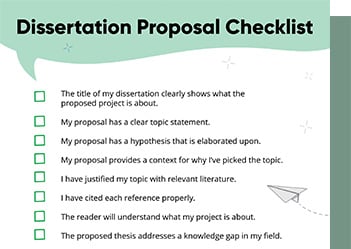
Checklist: Dissertation Proposal
Enter your email id to get the downloadable right in your inbox!
[contact-form-7 id="12425" title="Checklist: Dissertation Proposal"]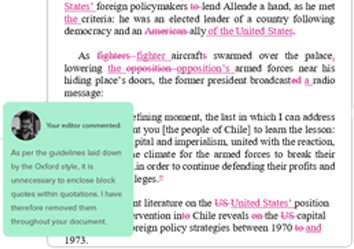
Examples: Edited Papers
Enter your email id to get the downloadable right in your inbox!
[contact-form-7 id="12426" title="Examples: Edited Papers"]Looking
to self-publish
your book?
Direct Characterization: Definition, Examples & Comparison
 Jan 15, 2026
 7
min read
7
min read
- Tags: Character, Fiction Writing, Writers, Writing Tips
Characters are the heart of every story. Whether you’re reading a novel, short story, play, or even a comic, characters help you connect emotionally with the narrative. One of the simplest and most effective ways writers introduce and explain characters is through direct characterization.
In this article, we’ll explore what direct characterization is, how it works, why writers use it, and how it compares to indirect characterization. We’ll also look at plenty of examples and practical tips so the concept becomes crystal clear even if you’re new to literature or creative writing.
Bring Your Characters To Life. Publish Your Book Now! Get Started
What is direct characterization?
Direct characterization is when an author clearly and directly tells the reader what a character is like.
Instead of allowing readers to guess or interpret the character’s traits, the writer states them plainly. This can include information about the character’s personality, behavior, moral values, emotions, or even physical appearance.
In simple words:
Direct characterization means telling, not showing.
When people ask “What does direct characterization mean?”, they are usually looking for a straightforward explanation.
It means the author:
- Describes the character openly
- Uses clear adjectives
- Leaves little room for interpretation
Example:
“Rohan was a selfish and impatient man.”
Here, the reader does not need to analyze Rohan’s actions or dialogue. The author has already explained his personality directly.
Direct characterization definition:
A literary technique in which an author explicitly describes a character’s traits, personality, or nature through narration.
This definition applies across:
- Novels
- Short stories
- Plays
- Poems
- Screenplays
Direct characterization definition in literature:
A method of character development where the author or narrator directly informs the reader about a character’s qualities, values, or motivations.
This technique is commonly used:
- At the beginning of stories
- In classic literature
- In children’s books
- In fast-paced narratives
One way an author uses direct characterization is by telling the reader about the character through:
- Narrator commentary
- Descriptive adjectives
- Clear judgments or labels
- Author’s voice
Example:
“Meera was a kind-hearted teacher who believed in second chances.”
The author doesn’t rely on Meera’s actions alone. Instead, they clearly define her personality.
Why do authors use direct characterization?
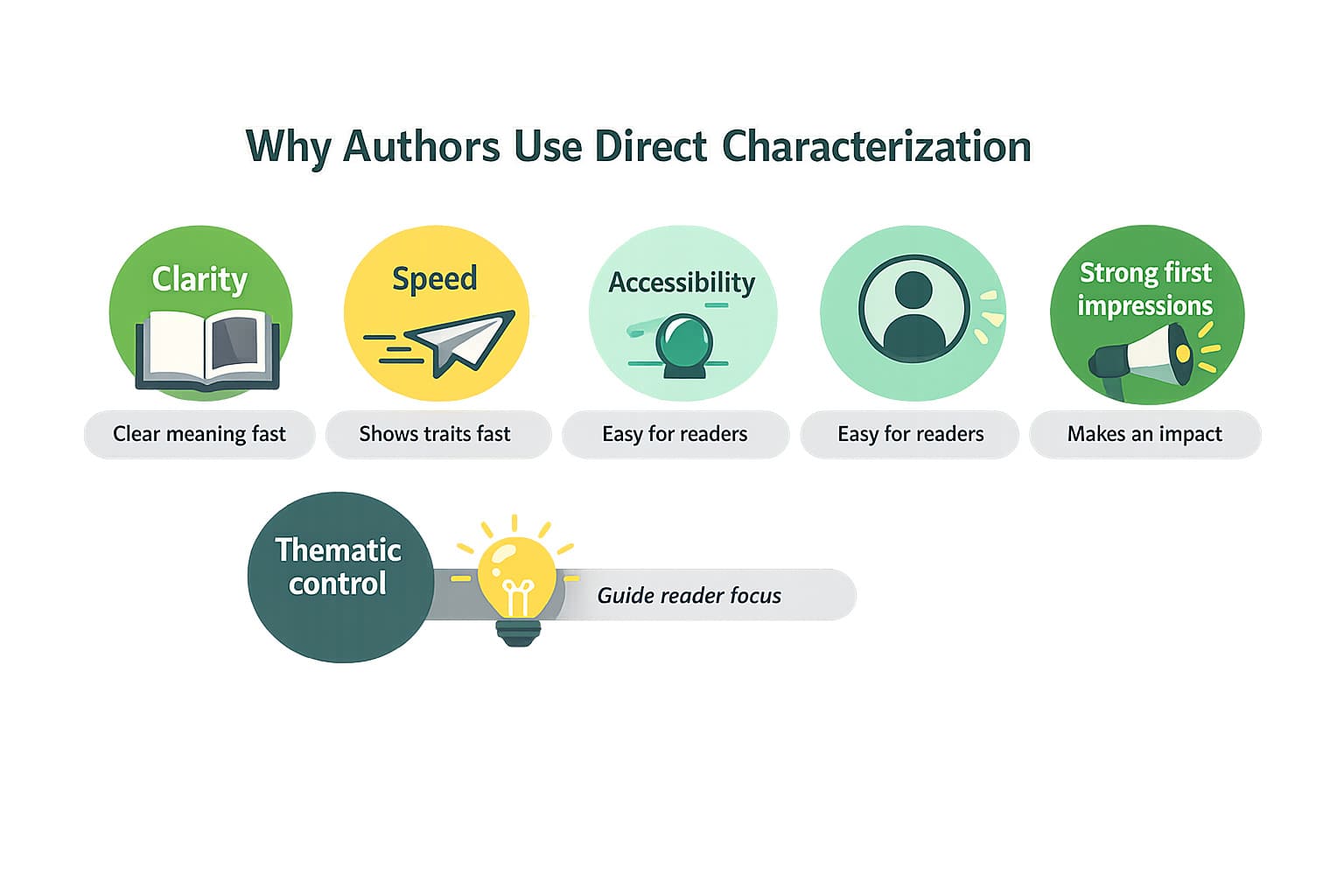
Direct characterization is not used randomly. Authors choose it very deliberately because it solves several storytelling problems quickly and effectively.
1. Clarity
One of the biggest reasons authors use direct characterization is clarity. When a story introduces many characters or complex situations, readers can easily feel confused. Direct characterization removes that confusion by clearly stating who the character is.
Instead of making readers guess, the author directly explains the character’s nature.
Example:
“Riya was a shy and introverted girl who avoided social gatherings.”
There is no uncertainty here. Readers immediately understand Riya’s personality without analyzing her behavior or dialogue.
2. Speed
Direct characterization is one of the fastest ways to establish a character. This is especially important in short stories, flash fiction, or scenes with limited space.
Instead of showing a character’s traits across multiple scenes, the author summarizes them in one sentence.
Example:
Imagine reading a movie synopsis:
“A fearless warrior fights against an evil empire.”
You immediately understand the hero’s role without watching the entire movie. That quick understanding mirrors how direct characterization works in storytelling.
3. Accessibility
Not every reader is trained to analyze subtext or symbolism. Direct characterization makes stories accessible to everyone, especially:
- Children
- Young adults
- Beginner readers
- Non-native language learners
Authors clearly state emotions and traits instead of relying on subtle clues.
Example:
Children’s books often describe characters like this:
“The greedy fox wanted everything for himself.”
This helps children learn values and emotions without confusion.
4. Strong first impressions
First impressions matter not just in real life, but in stories too. Direct characterization helps authors define a character’s role immediately.
The author introduces the character with clear labels or traits.
Example:
When someone introduces people at an event:
“She’s the leader of the team.”
“He’s the troublemaker.”
You instantly understand their roles. Stories use direct characterization in the same way to guide reader expectations.
5. Thematic control
Direct characterization gives authors control over interpretation. Instead of leaving meaning open, the writer tells readers how they should feel about a character.
The narrator directly judges or defines the character.
Example:
Think of a news report that says:
“The whistleblower was a courageous individual.”
That one word – courageous guides public opinion. Similarly, authors use direct characterization to shape how readers emotionally respond.
Direct characterization examples
Direct characterization happens when the author or narrator directly tells the audience what a character is like, instead of letting us figure it out through actions.
Below are 5 strong, direct characterization examples from popular books and films to help you understand the concept better.
1. Ebenezer Scrooge – A Christmas Carol
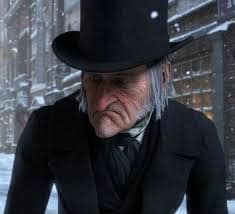
“Oh! But he was a tight-fisted hand at the grindstone, Scrooge!”
Why this is direct characterization:
Dickens directly tells readers that Scrooge is greedy and miserly. The narrator clearly labels his personality without waiting for readers to infer it.
What we learn instantly
- Scrooge is selfish
- He loves money
- He lacks kindness
This helps readers immediately understand Scrooge’s role in the story.
2. Katniss Everdeen – The Hunger Games
“I am not pretty. I am not beautiful. I am as radiant as the sun.”

(Internal narration revealing self-awareness and resilience)
Why this is direct characterization:
Katniss directly describes her own personality and mindset through narration. The author tells us how Katniss sees herself as strong, realistic, and emotionally guarded.
What we learn instantly
- Katniss is tough and practical
- She lacks vanity
- She is emotionally resilient
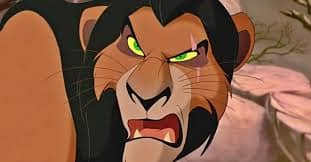
3. Scar – The Lion King
“I’m surrounded by idiots.”
Why this is direct characterization:
Scar’s dialogue openly reveals his arrogance and cruelty. The movie doesn’t hide his nature; his words directly define his personality.
What we learn instantly
- Scar is manipulative
- He feels superior to others
- He fits the villain role
4. Hermione Granger – Harry Potter Series
“Books! And cleverness! There are more important things: friendship and bravery.”

Why this is direct characterization:
Hermione directly states her values and personality traits. The author clearly defines her as intelligent, principled, and emotionally mature.
What we learn instantly
- Hermione values knowledge
- She is thoughtful and loyal
- She grows beyond academics
5. Forrest Gump – Forrest Gump
“My mama always said I wasn’t very smart, but I know what love is.”

Why this is direct characterization:
Forrest openly describes his intellectual limitations and emotional wisdom. The film directly tells viewers who he is instead of making them guess.
What we learn instantly
- Forrest is simple-minded but kind
- He is emotionally intelligent
- He views the world innocently
When should writers use direct characterization?
Direct characterization works best in certain situations.
Use it when:
- Introducing a character for the first time
- Writing children’s or young adult fiction
- Explaining complex characters quickly
- Establishing a villain or hero clearly
- Writing short stories or flash fiction
Advantages of direct characterization
- Readers instantly know who the character is.
- Perfect for fast storytelling.
- The author controls the interpretation.
- Ideal for new writers and students.
Limitations of direct characterization
While useful, direct characterization has some limitations:
- Can feel repetitive if overused
- Less immersive than showing
- Reduces reader participation
- Can feel “flat” without balance
This is why many writers blend it with indirect characterization.
How to write strong direct characterization
Direct characterization works best when it is clear, purposeful, and balanced. Simply telling readers a trait is not enough; you must tell it well.
1. Be specific: choose precise character traits
One of the biggest mistakes writers make is using vague or weak adjectives. Words like nice, bad, good, or mean don’t give readers a clear picture.
Specific words:
- Create vivid mental images
- Make characters feel real
- Reduce reader confusion
- Show depth without long explanations
Weak vs strong example
Weak: “She was nice.”
Strong: “She was generous, always offering help without expecting anything in return.”
Easy method: the trait upgrade trick
When you write a basic adjective, ask:
“What kind of nice?”
Then replace it with a clearer trait:
- Nice → Kind, compassionate, generous
- Bad → Cruel, selfish, manipulative
- Smart → Intelligent, analytical, observant
Useful tools
- Thesaurus.com – Find stronger, more precise trait words
- OneLook Reverse Dictionary – Describe a trait and find the perfect word
- Character Trait Lists (PDFs/Google Docs) – Helpful for quick reference
2. Avoid overuse: balance telling with showing
Direct characterization is powerful, but too much of it can feel boring or flat. Readers enjoy discovering characters, not being told everything at once.
Weak example (overused)
“He was angry. He was jealous. He was insecure. He was impatient.”
Improved example (balanced)
“He was an impatient man, easily angered by small failures. Later, his jealousy showed when he snapped at his friend’s success.”
Easy method: the 70–30 rule
- 30% direct characterization (telling)
- 70% indirect characterization (showing)
Use direct characterization to set the foundation, then let actions do the rest.
3. Match the tone of the story
Direct characterization should always match the tone and genre of your story. A light-hearted story can be more obvious, while darker or serious stories require subtle wording.
Why tone matters
Tone affects how readers emotionally respond to a character. Poor tone can break immersion.
Tone-based examples
Children’s story:
“The witch was cruel and loved causing trouble.”
Dark thriller:
“There was something cold and unsettling about her smile.”
Both describe cruelty, but the tone changes everything.
Easy method: the genre filter
Before writing a description, ask:
- Is this story dark, light, serious, or humorous?
- Would this wording fit a movie trailer of my genre?
4. Use direct characterization at key moments
Direct characterization works best at important points in the story, not everywhere.
Best places to use it
- First character introduction
- Major turning points
- Emotional revelations
- Before a big decision or conflict
Example: Introduction
“Aarav was a disciplined and morally rigid man, uncomfortable with chaos.”
This prepares readers for his future actions.
Example: Turning Point
“For the first time, she admitted she was afraid.”
This clarifies emotional change instantly.
Easy method: the spotlight rule
Ask:
“Is this moment important enough to deserve a clear explanation?”
If yes, direct characterization is appropriate.
5. Support direct characterization with actions
Direct characterization should not exist alone. To feel believable, it must be reinforced through behavior later in the story.
Why is this important
If actions contradict what you’ve told readers, the character feels fake.
Weak Example
“He was brave.”
(But later, he avoids every challenge.)
Strong Example
“He was brave and known for stepping forward when others hesitated.”
Later, He volunteered first during the crisis.
Easy method: the proof technique
For every major trait you tell readers, ask:
“Where do I prove this later?”
If you can’t find proof, revise the trait.
Useful tools
- Character sheets – Track traits and supporting actions
- Revision checklists – Match traits with scenes
Direct characterization is one of the most powerful and efficient tools in storytelling. When used thoughtfully, it strengthens clarity, pacing, and reader engagement. Mastering both direct and indirect characterization allows writers to create characters that feel vivid, memorable, and real.
To ensure that the characterization of your manuscript is perfect, reach out to PaperTrue. Their professional book editing services will help you make your writing flawless.
Read more:
Frequently Asked Questions