- A List of Writing Contests in 2022 | Exciting Prizes!
- Em Dash vs. En Dash vs. Hyphen: When to Use Which
- Book Proofreading 101: The Beginner’s Guide
- Screenplay Editing: Importance, Cost, & Self-Editing Tips
- Screenplay Proofreading: Importance, Process, & Cost
- Script Proofreading: Rates, Process, & Proofreading Tips
- Manuscript Proofreading | Definition, Process & Standard Rates
- Tips to Write Better if English Is Your Second Language
- Novel Proofreading | Definition, Significance & Standard Rates
- Top 10 Must-Try Writing Prompt Generators in 2024
- 100+ Creative Writing Prompts for Masterful Storytelling
- Top 10 eBook Creator Tools in 2024: Free & Paid
- 50 Timeless and Unforgettable Book Covers of All Time
- What Is Flash Fiction? Definition, Examples & Types
- 80 Enchanting Christmas Writing Prompts for Your Next Story
- Top 10 Book Review Clubs of 2025 to Share Literary Insights
- 2024’s Top 10 Self-Help Books for Better Living
- Writing Contests 2023: Cash Prizes, Free Entries, & More!
- What Is a Book Teaser and How to Write It: Tips and Examples
- Audiobook vs. EBook vs. Paperback in 2024: (Pros & Cons)
- How to Get a Literary Agent in 2024: The Complete Guide
- Alpha Readers: Where to Find Them and Alpha vs. Beta Readers
- Author Branding 101: How to Build a Powerful Author Brand
- A Guide on How to Write a Book Synopsis: Steps and Examples
- How to Write a Book Review (Meaning, Tips & Examples)
- Building an Author Website: The Ultimate Guide with Examples
- Top 10 Paraphrasing Tools for All (Free & Paid)
- Top 10 Book Editing Software in 2024 (Free & Paid)
- What Are Large Language Models and How They Work: Explained!
- Top 10 Hardcover Book Printing Services [Best of 2024]
- 2024’s Top 10 Setting Generators to Create Unique Settings
- Top 10 Screenplay & Scriptwriting Software (Free & Paid)
- 10 Best AI Text Generators of 2024: Pros, Cons, and Prices
- Top 10 Must-Try Character Name Generators in 2024
- 10 Best AI Text Summarizers in 2024 (Free & Paid)
- 11 Best Story Structures for Writers (+ Examples!)
- How to Write a Book with AI in 2024 (Free & Paid Tools)
- Writing Contests 2024: Cash Prizes & Free Entries!
- Patchwork Plagiarism: Definition, Types, & Examples
- Simple Resume Formats for Maximum Impact With Samples
- What Is a Complement in a Sentence? (Meaning, Types & Examples)
- What are Clauses? Definition, Meaning, Types, and Examples
- Persuasive Writing Guide: Techniques & Examples
- How to Paraphrase a Text (Examples + 10 Strategies!)
- A Simple Proofreading Checklist to Catch Every Mistake
- Top 10 AI Resume Checkers for Job Seekers (Free & Paid)
- 20 Best Comic Book Covers of All Time!
- How to Edit a Book: A Practical Guide with 7 Easy Steps
- How to Write an Autobiography (7 Amazing Strategies!)
- How to Publish a Comic Book: Nine Steps & Publishing Costs
- Passive and Active Voice (Meaning, Examples & Uses)
- How to Publish a Short Story & Best Publishing Platforms
- What Is Expository Writing? Types, Examples, & 10 Tips
- 10 Best Introduction Generators (Includes Free AI Tools!)
- Creative Writing: A Beginner’s Guide to Get Started
- How to Sell Books Online (Steps, Best Platforms & Tools)
- Top 10 Book Promotion Services for Authors (2025)
- 15 Different Types of Poems: Examples & Insight into Poetic Styles
- 10 Best Book Writing Apps for Writers 2025: Free & Paid!
- Top 10 AI Humanizers of 2025 [Free & Paid Tools]
- How to Write a Poem: Step-by-Step Guide to Writing Poetry
- 100+ Amazing Short Story Ideas to Craft Unforgettable Stories
- The Top 10 Literary Devices: Definitions & Examples
- Top 10 AI Translators for High-Quality Translation in 2025
- Top 10 AI Tools for Research in 2025 (Fast & Efficient!)
- 50 Best Essay Prompts for College Students in 2025
- Top 10 Book Distribution Services for Authors in 2025
- Top 10 Book Title Generators of 2025
- What Is an Adjective? Definition, Usage & Examples
- How to Track Changes in Google Docs: A 7-Step Guide
- Parts of a Book: A Practical, Easy-to-Understand Guide
- What Is an Anthology? Meaning, Types, & Anthology Examples
- How to Write a Book Report | Steps, Examples & Free Template
- 10 Best Plot Generators for Engaging Storytelling in 2025
- 30 Powerful Poems About Life to Inspire and Uplift You
- What Is a Poem? Poetry Definition, Elements, & Examples
- Metonymy: Definition, Examples, and How to Use It In Writing
- How to Write a CV with AI in 9 Steps (+ AI CV Builders)
- What Is an Adverb? Definition, Types, & Practical Examples
- How to Create the Perfect Book Trailer for Free
- Translation Services: Top 10 Professional Translators (2025)
- 10 Best Free Online Grammar Checkers: Features and Ratings
- 30 Popular Children’s Books Teachers Recommend in 2025
- 10 Best Photobook Makers of 2025 We Tested This Year
- Top 10 Book Marketing Services of 2025: Features and Costs
- Top 10 Book Printing Services for Authors in 2025
- 10 Best AI Detector Tools in 2025
- Audiobook Marketing Guide: Best Strategies, Tools & Ideas
- 10 Best AI Writing Assistants of 2025 (Features + Pricing)
- How to Write a Book Press Release that Grabs Attention
- 15 Powerful Writing Techniques for Authors in 2025
- Generative AI: Types, Impact, Advantages, Disadvantages
- Top 101 Bone-Chilling Horror Writing Prompts
- Best EBook Cover Design Services of 2025 for Authors
- Writing Contests 2025: Cash Prizes, Free Entries, and More!
- National Novel Writing Month (NaNoWriMo)
- Best Horror Books of All Time (Must-Read List)
- Best Book Trailer Services
- Your Guide to the Best eBook Readers in 2026
- 10 Best Punctuation Checkers for Error-Free Text (2026)
- Master Circumlocution: Definition, Examples & Literary Uses
- Best Historical Fiction Books: 30 Must-Read Novels
- Best 101 Greatest Fictional Characters of All Time
- Top 10 Book Writing Software, Websites, and Tools in 2026
- Top 10 AI Rewriters for Perfect Text in 2026 (Free & Paid)
- Top 10 Book Publishing Companies in the World (2026)
- Best Fonts and Sizes for Books: A Complete Guide
- 25 Figures of Speech Simplified: Definitions and Examples
- 14 Punctuation Marks: A Guide on How to Use with Examples!
- Best Book Review Sites of 2026: Top 10 Picks
- Writing Contests 2026: Free Entries and Cash Prizes!
- Different Types of Characters in Stories That Steal the Show
- 50 Best Literary Agents in the USA for Authors in 2026
- What is a Book Copyright Page?
- Final Checklist: Is My Article Ready for Submitting to Journals?
- 8 Pre-Publishing Steps to Self-Publish Your Book
- 7 Essential Elements of a Book Cover Design
- How to Copyright Your Book in the US, UK, & India
- Beta Readers: Why You Should Know About Them in 2024
- How to Publish a Book in 2024: Essential Tips for Beginners
- Book Cover Design Basics: Tips & Best Book Cover Ideas
- Why and How to Use an Author Pen Name: Guide for Authors
- How to Format a Book in 2025: 7 Tips for Book Formatting
- What is Manuscript Critique? Benefits, Process, & Cost
- 10 Best Ghostwriting Services for Authors in 2025
- Best Manuscript Editing Services of 2025
- Best Manuscript Critique Services (2026): Top 10 Picks
- How To Format a Book in Google Docs (Step-by-Step)
- ISBN Guide: What Is an ISBN and How to Get an ISBN
- How to Hire a Book Editor in 5 Practical Steps
- Self-Publishing Options for Writers
- How to Promote Your Book Using a Goodreads Author Page
- 7 Essential Elements of a Book Cover Design
- What Makes Typesetting a Pre-Publishing Essential for Every Author?
- 4 Online Publishing Platforms To Boost Your Readership
- Typesetting: An Introduction
- Quick Guide to Novel Editing (with a Self-Editing Checklist)
- Self-Publishing vs. Traditional Publishing: 2024 Guide
- How to Publish a Book in 2024: Essential Tips for Beginners
- How to Publish a Book on Amazon: 8 Easy Steps [2024 Update]
- What are Print-on-Demand Books? Cost and Process in 2024
- What Are the Standard Book Sizes for Publishing Your Book?
- How to Market Your Book on Amazon to Maximize Sales in 2024
- Top 10 Hardcover Book Printing Services [Best of 2024]
- How to Find an Editor for Your Book in 8 Steps (+ Costs!)
- What Is Amazon Self-Publishing? Pros, Cons & Key Insights
- Manuscript Editing in 2024: Elevating Your Writing for Success
- Know Everything About How to Make an Audiobook
- A Simple 14-Point Self-Publishing Checklist for Authors
- How to Write an Engaging Author Bio: Tips and Examples
- Book Cover Design Basics: Tips & Best Book Cover Ideas
- How to Publish a Comic Book: Nine Steps & Publishing Costs
- Why and How to Use an Author Pen Name: Guide for Authors
- How to Sell Books Online (Steps, Best Platforms & Tools)
- A Simple Guide to Select the Best Self-Publishing Websites
- 10 Best Book Cover Design Services of 2025: Price & Ratings
- How Much Does It Cost to Self-Publish a Book in 2025?
- Quick Guide to Book Editing [Complete Process & Standard Rates]
- How to Distinguish Between Genuine and Fake Literary Agents
- What is Self-Publishing? Everything You Need to Know
- How to Copyright a Book in 2025 (Costs + Free Template)
- The Best eBook Conversion Services of 2025: Top 10 Picks
- 10 Best Self-Publishing Companies of 2025: Price & Royalties
- 10 Best Photobook Makers of 2025 We Tested This Year
- Book Cover Types: Formats, Bindings & Styles
- A Beginner’s Guide on How to Self Publish a Book (2025)
- Index in a Book: Definition, Purpose, and How to Use It
- How to Publish a Novel: Easy Step-By-Step Guide
- How to Design a Book Cover: From Concept to Covers That Sell
- ISBN Guide: What Is an ISBN and How to Get an ISBN
- 8 Tips To Write Appealing Query Letters
- Self-Publishing vs. Traditional Publishing: 2024 Guide
- How to Publish a Book in 2024: Essential Tips for Beginners
- What are Print-on-Demand Books? Cost and Process in 2024
- How to Write a Query Letter (Examples + Free Template)
- Third-person Point of View: Definition, Types, Examples
- How to Write an Engaging Author Bio: Tips and Examples
- How to Publish a Comic Book: Nine Steps & Publishing Costs
- 10 Best Photobook Makers of 2025 We Tested This Year
- Book Cover Types: Formats, Bindings & Styles
- Index in a Book: Definition, Purpose, and How to Use It
- How to Publish a Novel: Easy Step-By-Step Guide
- How to start your own online publishing company?
- How to Design a Book Cover: From Concept to Covers That Sell
- ISBN Guide: What Is an ISBN and How to Get an ISBN
- Top 10 Book Publishing Companies in the World (2026)
- How to Create Depth in Characters
- Starting Your Book With a Bang: Ways to Catch Readers’ Attention
- Research for Fiction Writers: A Complete Guide
- Short stories: Do’s and don’ts
- How to Write Dialogue: 7 Rules, 5 Tips & 65 Examples
- What Are Foil and Stock Characters? Easy Examples from Harry Potter
- How To Write Better Letters In Your Novel
- On Being Tense About Tense: What Verb Tense To Write Your Novel In
- How To Create A Stellar Plot Outline
- How to Punctuate Dialogue in Fiction
- On Being Tense about Tense: Present Tense Narratives in Novels
- The Essential Guide to Worldbuilding [from Book Editors]
- What Is Point of View? Definition, Types, & Examples in Writing
- How to Create Powerful Conflict in Your Story | Useful Examples
- How to Write a Book: A Step-by-Step Guide
- How to Write a Short Story in 6 Simple Steps
- How to Write a Novel: 8 Steps to Help You Start Writing
- What Is a Stock Character? 150 Examples from 5 Genres
- Joseph Campbell’s Hero’s Journey: Worksheet & Examples
- Novel Outline: A Proven Blueprint [+ Free Template!]
- Character Development: 7-Step Guide for Writers
- What Is NaNoWriMo? Top 7 Tips to Ace the Writing Marathon
- What Is the Setting of a Story? Meaning + 7 Expert Tips
- What Is a Blurb? Meaning, Examples & 10 Expert Tips
- What Is Show, Don’t Tell? (Meaning, Examples & 6 Tips)
- How to Write a Book Summary: Example, Tips, & Bonus Section
- How to Write a Book Description (Examples + Free Template)
- 10 Best Free AI Resume Builders to Create the Perfect CV
- A Complete Guide on How to Use ChatGPT to Write a Resume
- 10 Best AI Writer Tools Every Writer Should Know About
- How to Write a Book Title (15 Expert Tips + Examples)
- Exploring Writing Styles: Meaning, Types, and Examples
- Mastering Professional Email Writing: Steps, Tips & Examples
- How to Write a Screenplay: Expert Tips, Steps, and Examples
- Business Proposal Guide: How to Write, Examples and Template
- Different Types of Resumes: Explained with Tips and Examples
- How to Create a Memorable Protagonist (7 Expert Tips)
- How to Write an Antagonist (Examples & 7 Expert Tips)
- Writing for the Web: 7 Expert Tips for Web Content Writing
- 10 Best AI Text Generators of 2024: Pros, Cons, and Prices
- What are the Parts of a Sentence? An Easy-to-Learn Guide
- What Is Climax Of A Story & How To Craft A Gripping Climax
- What Is a Subject of a Sentence? Meaning, Examples & Types
- Object of a Sentence: Your Comprehensive Guide
- What Is First-Person Point of View? Tips & Practical Examples
- Second-person Point of View: What Is It and Examples
- 10 Best AI Essay Outline Generators of 2024
- Third-person Point of View: Definition, Types, Examples
- The Importance of Proofreading: A Comprehensive Overview
- Patchwork Plagiarism: Definition, Types, & Examples
- Simple Resume Formats for Maximum Impact With Samples
- The Ultimate Guide to Phrases In English – Types & Examples
- Modifiers: Definition, Meaning, Types, and Examples
- What are Clauses? Definition, Meaning, Types, and Examples
- Persuasive Writing Guide: Techniques & Examples
- What Is a Simile? Meaning, Examples & How to Use Similes
- Mastering Metaphors: Definition, Types, and Examples
- How to Publish a Comic Book: Nine Steps & Publishing Costs
- Essential Grammar Rules: Master Basic & Advanced Writing Skills
- Benefits of Using an AI Writing Generator for Editing
- Hyperbole in Writing: Definition and Examples
- How to Write a Novel in Past Tense? 3 Steps & Examples
- 10 Best Spell Checkers of 2025: Features, Accuracy & Ranking
- Foil Character: Definition, History, & Examples
- How to Write a Children’s Book: An Easy Step-by-Step Guide
- How To Write a Murder Mystery Story
- What Is an Adjective? Definition, Usage & Examples
- Metonymy: Definition, Examples, and How to Use It In Writing
- Fourth-Person Point of View: A Unique Narrative Guide
- How to Write a CV with AI in 9 Steps (+ AI CV Builders)
- What Is an Adverb? Definition, Types, & Practical Examples
- How to Write A Legal Document in 6 Easy Steps
- 10 Best AI Story Generators in 2025: Write Captivating Tales
- How to Introduce a Character Effectively
- What is Rhetoric and How to Use It in Your Writing
- How to Write a Powerful Plot in 12 Steps
- How to Make Money as a Writer: Your First $1,000 Guide
- How to Write SEO Content: Tips for SEO-Optimized Content
- Types of Introductions and Examples
- What is a Cliffhanger? Definition, Examples, & Writing Tips
- How to Write Cliffhangers that Keep Readers Hooked!
- How to Write a Romance Novel: Step-by-Step Guide
- Top 10 Writing Tips from Famous Authors
- 10 Best Ghostwriting Services for Authors in 2025
- What is Ghostwriting? Meaning and Examples
- How to Become a Ghostwriter: Complete Career Guide
- How to Write a Speech that Inspires (With Examples)
- 10 Best AI Writing Assistants of 2025 (Features + Pricing)
- Generative AI: Types, Impact, Advantages, Disadvantages
- Worldbuilding Questions and Templates (Free)
- How to Avoid Plagiarism in 2025 (10 Effective Strategies!)
- How to Create Marketing Material
- What Is Worldbuilding? Steps, Tips, and Examples
- What is Syntax in Writing: Definition and Examples
- What is a Subplot? Meaning, Examples & Types
- Writing Challenges Every Writer Should Take
- What Is a Memoir? Definition, Examples, and Tips
- What Is Fiction? Definition, Types & Examples
- What Is Science Fiction? Meaning, Examples, and Types
- 50 Character Stereotypes: The Ultimate List!
- 50 Novel Writing Prompts (Categorized by Genre)
- 50 Haiku Writing Prompts For Your Inner Poet
- Direct Characterization: Definition, Examples & Comparison
- Indirect Characterization: Meaning, Examples & Writing Tips
- Direct vs Indirect Characterization: What’s the Difference
- How to Write Epic Fantasy
- 50 Non-fiction Writing Prompts For Your Inner Writer
- Master Circumlocution: Definition, Examples & Literary Uses
- How to Write a Good Villain (With Examples)
- How to Avoid AI Detection in 2026 (6 Proven Techniques!)
- How to Write a Cookbook: Step-by-Step Guide
- 5 Key Elements of a Short Story: Essential Tips for Writers
- 100 Novel and Book Ideas to Start Your Book Writing Journey
- 30+ Best ATS-Friendly ChatGPT Prompts for Resumes (2026)
- Theme of a Story | Meaning, Common Themes & Examples
Still have questions? Leave a comment
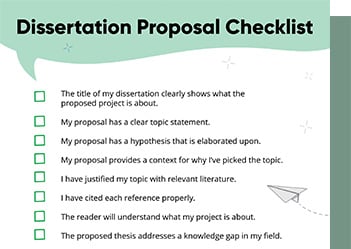
Checklist: Dissertation Proposal
Enter your email id to get the downloadable right in your inbox!
[contact-form-7 id="12425" title="Checklist: Dissertation Proposal"]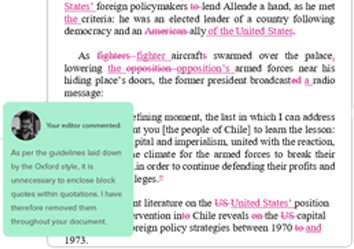
Examples: Edited Papers
Enter your email id to get the downloadable right in your inbox!
[contact-form-7 id="12426" title="Examples: Edited Papers"]Looking
to self-publish
your book?
Different Types of Characters in Stories That Steal the Show
 Jun 08, 2026
 11
min read
11
min read
- Tags: Character, Types of Characters, Writer
Characters are the focal points of a story. Understanding the different types of characters is crucial for both readers and writers, as it enhances comprehension and storytelling ability. Whether it is a novel, a short story, or a screenplay, characters are the soul that breathes life into the plot and setting.
In this guide, we’ll walk you through every major character type in literature and storytelling, from protagonists and antagonists to the newer conversation around morally grey characters. If you are a writer crafting your next manuscript, this is your go-to resource!
Let’s begin with an easy-to-understand characters in a story definition:
What are the characters in a story?
In literature, characters are the individuals who populate the narrative and drive the plot forward. But they’re more than just names on a page; they’re constructs through which authors convey themes, propel plots, and engage readers.
How do we decide if a character is good or evil, layered or flat, memorable or forgettable? It comes down to character types: categories that reveal how each character functions within a story. Mastering these types helps writers build richer narratives and helps readers engage more deeply with the text.
Types of characters in a story
1. Protagonist
The protagonist is the central character around whom the main plot revolves. This character is often the hero or the main figure through whom the audience experiences the story.
Protagonists give us a lens through which we can see the events of the story unfold. Be it Rapunzel from our beloved childhood books or Nancy Drew, the dashing heroine of mystery novels, we all put ourselves in their shoes while reading their stories.
Now, protagonists in popular fiction have evolved well beyond the classic ‘hero with a mission’ template. Readers increasingly favour protagonists who are morally complex, neurodivergent, or from underrepresented backgrounds, a trend that’s been building since the mid-2010s and has now become the norm in bestselling literary and genre fiction.
Some examples of protagonists are:
-
- Elizabeth Bennet from Pride and Prejudice by Jane Austen.
As the protagonist, Elizabeth’s wit, intelligence, and independent spirit guide the reader through the narrative as she navigates the complexities of love, marriage, and social expectations in Regency-era England.
-
- Jane Eyre from Jane Eyre by Charlotte Brontë.
As the protagonist, Jane’s experiences, emotions, and moral convictions shape the narrative as she faces challenges such as poverty, loss, and societal constraints.
-
- Sherlock Holmes from the Sherlock Holmes series by Sir Arthur Conan Doyle.
As the protagonist, Holmes’ intellectual prowess, keen observation skills, and logical reasoning guide the reader through the mysteries and investigations that form the core of the narrative.
The rise of TV adaptations and streaming has made protagonists even more central to marketing a story. Compelling leads are now a prerequisite for greenlighting a series or film.
2. Antagonist
Often serving as the counterpart to the main character, the antagonist plays a crucial role in storytelling by opposing the protagonist’s goals or desires. This opposition creates tension and conflict, which in turn propels the narrative forward.
It’s important to distinguish antagonists from anti-heroes. An anti-hero is still the protagonist of a story, think Walter White, but exhibits villainous traits. The antagonist is always set against the main character, not in place of them.
Some examples of antagonists are:
-
- The Joker from The Dark Knight by Christopher Nolan.
The Joker is a criminal mastermind who terrorizes Gotham City, serving as the primary antagonist to the protagonist, Batman.
-
- Sauron from The Lord of the Rings by J.R.R. Tolkien.
Sauron is the primary antagonist of the Lord of the Rings trilogy, a powerful and malevolent force seeking to dominate Middle-earth.
-
- Loki Laufeyson from Marvel Comics by Stan Lee.
Loki, the Asgardian god of mischief, is a recurring antagonist in the Marvel Comics universe, often serving as a foil to his adoptive brother, Thor, and the Avengers.
Contemporary readers are increasingly drawn to antagonists with sympathetic backstories and understandable motivations, a trend sometimes called ‘villain rehabilitation’ in literary criticism circles.
3. Deuteragonist
The deuteragonist is the second most important character after the protagonist, often a sidekick or a major character who has a separate but intertwined storyline. This character plays a pivotal role in shaping the plot’s development. These characters often serve as the protagonist’s confidant, offering support and guidance, or providing contrasting perspectives that enrich the narrative’s complexity. We all love how Ron Weasley is always helping Harry Potter in the famous series by J.K. Rowling.
Some examples of deuteragonists are:
-
- Dr. John Watson in the Sherlock Holmes series by Sir Arthur Conan Doyle.
Dr. Watson is Sherlock Holmes’ trusted friend, roommate, and chronicler of his detective cases.
-
- Robin in various iterations of the Batman comics by Stan Lee.
As a deuteragonist, Robin complements Batman’s dark, brooding personality with youthful energy, optimism, and a more lighthearted approach to crime-fighting.
-
- Han Solo in the Star Wars franchise, ghostwritten by Alan Dean Foster.
As a deuteragonist, Han Solo brings a sense of humor, skepticism, and practicality to the story, contrasting with Luke’s idealism and naivety.
Multi-POV novels, now a dominant format in fantasy and thriller publishing, often blur the line between protagonist and deuteragonist, giving secondary characters their own arcs that rival the leads in importance.
4. Tritagonist
The tritagonist is the third most significant character in the story, playing a crucial role in supporting the narrative. While not as central as the protagonist or deuteragonist, the tritagonist often brings depth and complexity to the storyline. While Andy Dufresne is the central character striving for freedom, Ellis Boyd Redding serves as his loyal friend and confidant in The Shawshank Redemption.
Some examples of tritagonists are:
-
- Gale Hawthorne in The Hunger Games by Suzanne Collins.
While Peeta Mellark (the deuteragonist) is Katniss’s partner in the Hunger Games and eventual love interest, Gale remains a constant presence in her life, providing support, friendship, and a shared understanding.
-
- Hermione Granger in the Harry Potter series by J.K. Rowling.
While Harry is the protagonist and Ron Weasley can be considered the deuteragonist, Hermione’s intelligence, skills, and unwavering loyalty make her an indispensable part of the trio.
-
- Saul Goodman from the TV series Breaking Bad.
While not as central to the story as Walter and Jesse, Saul plays a significant role in the plot, providing legal advice, facilitating criminal connections, and serving as a source of comic relief.
5. Confidant
A confidant character serves as a trusted ally to the protagonist, allowing them to share their innermost thoughts and emotions with the audience. This confidant often acts as a sounding board for the protagonist, providing support, advice, and insight into their psyche. This character helps the audience to better understand the main character’s journey and struggles. The volleyball becomes Chuck’s confidant in Castaway, where he is stranded on an island with no other humans.
Some examples of confidants are:
-
- Joey Tribbiani is Chandler Bing’s confidant in the T.V. series Friends.
Joey and Chandler are best friends and roommates, sharing a close bond that allows them to confide in each other about their personal lives, relationships, and insecurities.
-
- Jane Bennet is Elizabeth Bennet’s confidant in Pride and Prejudice.
As sisters, Jane and Elizabeth share a close, loving relationship that allows them to confide in each other about their feelings, hopes, and concerns.
-
- Aled Last is the confidant of Frances Janvier in Radio Silence by Alice Oseman.
As confidants, Aled and Frances share their fears, doubts, and personal struggles with each other, finding solace and support in their friendship.
The confidant role has taken on new significance in fiction exploring mental health and emotional vulnerability. Authors are using confidant relationships to destigmatise open emotional expression.
6. Love interest
The love interest character plays the romantic counterpart of the protagonist. Their connection often impacts the protagonist’s development and journey throughout the narrative, shaping their growth and decisions. Romeo and Juliet were each other’s love interests, and their love story was the basis of William Shakespeare’s famous play Romeo and Juliet.
When written well, the love interest is a fully realized character with their own goals and flaws, not merely an object of desire.
Some examples of love interests are:
-
- Hazel Grace Lancaster and Augustus Waters play each other’s love interests in The Fault in Our Stars by John Green.
Hazel and Augustus are two teenagers who meet at a cancer support group and develop a deep, meaningful connection.
-
- Noah Calhoun and Allie Hamilton play each other’s love interests in The Notebook by Nicholas Sparks.
Noah and Allie’s love story spans decades, beginning with a passionate summer romance in their teenage years and rekindling later in life.
-
- Catherine Earnshaw and Heathcliff play each other’s love interests in Wuthering Heights by Emily Brontë.
Catherine and Heathcliff’s love story is a tumultuous, passionate, and ultimately tragic tale that spans their lives from childhood to adulthood.
The ‘love interest’ archetype is being actively challenged by contemporary authors. In many current bestsellers, both characters serve as each other’s love interests with equal narrative weight, avoiding the passive role that female love interests historically occupied.
7. Foil
The foil character’s primary purpose is to highlight the traits of another character through contrast. In storytelling, a foil is a character that illuminates other characters. They’re used to define the relationship between a plot’s antagonist and protagonist.
By placing two characters with opposing qualities side by side, authors draw attention to what makes each of them unique. Foils are often antagonists, but they can just as easily be allies.
Draco Malfoy was a foil to Harry Potter: Rude, bigoted, arrogant, and generally horrible throughout most of the series, antithetical to what Harry is.
Some examples of foil characters are:
-
- Hank Schrader is the foil to Walter White in the famous TV series Breaking Bad.
Hank’s role as a DEA agent and his strong moral compass contrast sharply with Walter’s descent into the criminal world of drug manufacturing.
-
- Nurse Ratched is the foil to Randle McMurphy in One Flew Over the Cuckoo’s Nest by Ken Kesey.
Nurse Ratched’s cold, controlling demeanor and adherence to strict rules serve as a foil to McMurphy’s rebelliousness, free spirit, and desire for individual expression.
-
- Javert is the foil to Jean Valjean in Les Misérables by Victor Hugo.
Javert’s strict adherence to the law and his relentless pursuit of justice serve as a foil to Jean Valjean’s compassion, redemption, and moral ambiguity.
Types of characters in fiction
Beyond role-based categories, characters in literature are also classified by how much they develop, how complex they are, and how easily they’re recognized by audiences.
1. Dynamic
Dynamic characters change throughout the story. All the mentioned characters in this article can be dynamic. Well-developed characters naturally turn out to be dynamic. The change comes about through internal or external conflict that they have to deal with.
Most protagonists are dynamic characters, but any character in a story can be dynamic.
In A Christmas Carol by Charles Dickens, Ebenezer Scrooge is a classic example of a dynamic character. He is introduced in the story as a crotchety, greedy old fellow. However, after the eye-opening experience with the ghosts of the past, present, and future, he turns into a pleasant, charitable man.
Some examples of dynamic characters are:
-
- Sydney Carton in A Tale of Two Cities by Charles Dickens.
Sydney initially appears as a lazy, alcoholic lawyer but ultimately finds redemption and purpose, sacrificing his life for the sake of others and demonstrating great courage and selflessness.
-
- Jamal Malik in the film Slumdog Millionaire.
Jamal’s experiences and struggles throughout his life shape him into a resilient, determined individual who overcomes adversity to find love and success.
-
- Scout Finch in To Kill a Mockingbird by Harper Lee.
Scout’s innocence and naivety are challenged as she witnesses prejudice and injustice in her community, leading to her growth in understanding and moral awareness.
Character development arcs in fiction have been heavily studied in the context of TV series writing, where showrunners must sustain dynamic change across multiple seasons. Shows like Succession and The Bear have set new benchmarks for character transformation in serialized storytelling.
2. Static
These are characters who don’t change much through the course of the novel. They don’t have a lot of scope in the story and have a limited role. The author creates them with a single or specific purpose in the hero’s journey. Enemies and foils are mostly static, as they pose a challenge to the main character. They serve as steady elements within the narrative. Mr. Collins from Pride and Prejudice is a good example of a static character.
Some examples of static characters are:
-
- Mary Poppins in the Mary Poppins series by P.L. Travers.
Mary Poppins is a magical, no-nonsense nanny who remains consistent in her behavior and attitudes throughout her various adventures with the Banks family.
-
- Cinderella in the fairy tale Cinderella.
Cinderella’s kindness, resilience, and goodness remain unchanged throughout her story, even in the face of cruelty and adversity from her stepmother and stepsisters.
-
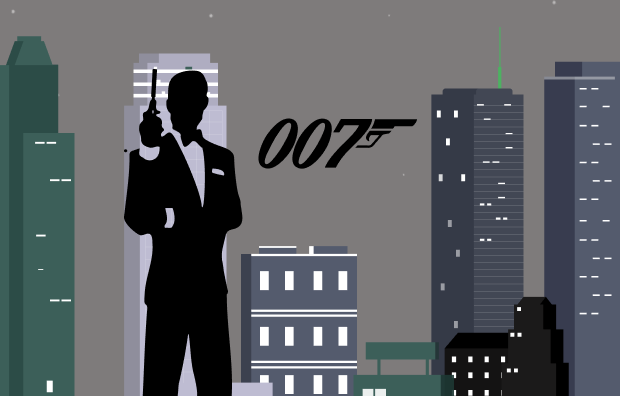
- James Bond in the James Bond film series.
Despite the different actors who have portrayed him, James Bond remains a suave, confident, and skilled spy who consistently outsmarts his adversaries and maintains his signature style.
3. Round
These are complex characters fleshed out with backstory, strengths, weaknesses, etc. Readers can get into the skin of these characters. Writers spend a considerable amount of time creating “round” characters. Unlike flat characters, round characters can surprise you; their decisions are understandable but never entirely predictable. They have character arcs, unlike static and flat characters who get a one-dimensional playfield and are easily forgettable. Atticus Finch is a principled, compassionate, and morally upright character in To Kill a Mockingbird.
Some examples of round characters are:
-
- Jay Gatsby in The Great Gatsby by F. Scott Fitzgerald.
Gatsby is a mysterious, wealthy, and idealistic character whose pursuit of love and the American Dream ultimately leads to his downfall.
-
- Daenerys Targaryen in A Song of Ice and Fire series by George R.R. Martin.
Daenerys is a complex character who evolves from a timid, exiled princess to a powerful, sometimes ruthless leader as she seeks to reclaim her birthright and rule the Seven Kingdoms.
-
- Scarlett O’Hara in Gone with the Wind by Margaret Mitchell.
Scarlett is a strong-willed, ambitious, and adaptable character who undergoes significant growth and change as she faces the challenges of the Civil War and Reconstruction era.
Readers’ forums and literary communities frequently debate whether a beloved character is ’round’ or ‘flat’, a testament to how central character complexity has become to how audiences evaluate fiction.
4. Flat
Flat characters are simple and one-dimensional, typically defined by a single dominant trait or function. They do not undergo substantial change or growth, but they’re important nonetheless. They have some scope to create genuine conflict if used well. Flat characters can provide contrast, comic relief, or thematic clarity.
Thomas Buchanan is a flat character from The Great Gatsby who is Daisy’s immensely wealthy husband, once a member of Nick Carraway’s social club at Yale.
Some examples of flat characters are:
-
- Red Shirt characters in the Star Trek original series.
“Red Shirt” characters in Star Trek are minor characters who often accompany the main cast on missions and are frequently killed off to demonstrate the danger of the situation.
-
- Mrs. Micawber in David Copperfield by Charles Dickens.
Mrs. Micawber is a kind but ineffectual character who constantly asserts that she will “never desert Mr. Micawber,” despite their financial struggles.
-
- Crabbe and Goyle from the Harry Potter series by J.K. Rowling.
Draco Malfoy’s sidekicks, Crabbe and Goyle, are simple-minded, loyal followers who do not exhibit much depth or growth throughout the series.
5. Stock
A stock character is one that the audience can easily recognize due to its predictable traits. You know them through other books or other media such as movies, history, or mythology. You’ll mostly find them in satirical or historical books. They find a place in the books for stylistic purposes. A thug, a town drunk, a tragic hero, a femme fatale, and an absent-minded professor are all examples of stock characters.
Some examples of stock characters are:
-
- The wise old mentor
Gandalf in The Lord of the Rings
Dumbledore in Harry Potter
Obi-Wan Kenobi in Star Wars
These characters serve as guides, teachers, and sources of wisdom for the protagonist.
-
- The mad scientist
Dr. Victor Frankenstein in Frankenstein
Dr. Emmett “Doc” Brown in Back to the Future
Dr. Moreau in The Island of Dr. Moreau
These brilliant but eccentric scientists often pursue knowledge or experiments that push the boundaries of ethics and reason.
-
- The evil stepmother
Lady Tremaine in Cinderella
Queen Grimhilde in Snow White
Mrs. Hannigan in Annie
These cruel and often jealous maternal figures mistreat the protagonist and serve as a source of conflict.
Stock characters are now frequently subverted in contemporary storytelling. Writers deliberately introduce stock-seeming characters only to deepen them in unexpected ways, a technique that rewards genre-savvy readers.
The rise of the morally grey character
One of the most significant shifts in contemporary fiction is the dominance of morally grey characters. These are characters who exist outside clean hero-villain binaries, making choices that are understandable but not always admirable.
Morally grey characters combine traits of protagonists, antagonists, and anti-heroes. They’re not defined by whether they’re ‘good’ or ‘bad’, but by the complexity of their motivations and the ambiguity of their actions.
Why do morally grey characters work so well?
- They reflect real human psychology. People rarely see themselves as villains.
- They create genuine narrative tension; readers don’t know whether to root for them or against them.
- They invite philosophical and ethical reflection, making fiction feel meaningful beyond entertainment.
Iconic morally grey characters:
- Walter White in Breaking Bad
A chemistry teacher turned drug lord whose genius and hubris make him one of TV’s most compelling antiheroes.
- Severus Snape in the Harry Potter series
Presented as a villain for most of the series, revealed as something far more complicated.
- Amy Dunne in Gone Girl
Manipulative, brilliant, and terrifyingly self-aware.
- Tyrion Lannister in A Song of Ice and Fire
Witty and compassionate, but also complicit in systems of power and violence.
- Villanelle in Killing Eve
A toxic assassin whose charm and aesthetic sensibility make her unexpectedly compelling.
Morally grey characters are now the dominant archetype in prestige TV and literary fiction. Readers are increasingly sophisticated about character ethics, and stories that offer easy moral clarity are often dismissed as simplistic.
Understanding the types of characters in literature, stories, and fiction enriches your engagement with texts and your own writing. Knowing how to craft and identify these different character types can transform a simple narrative into a compelling tale.
Whether you are crafting complex protagonists or intriguing villains, a well-edited story stands out in the minds of its readers. If you’re working on your own masterpiece, consider using PaperTrue’s expert editing and proofreading services to refine your characters and polish your narrative!
Here are some more useful resources for you:
- Exploring Writing Styles: Meaning, Types, and Examples
- The 10 Best AI Story Generators: Features, Usage & Benefits
- Top 10 English Correctors to Perfect Your Text
- Top 10 Book Editing Software (Free & Paid)
- 10 Best AI Writer Tools Every Writer Should Know About
- Top 10 Must-Try Character Name Generators