- A List of Writing Contests in 2022 | Exciting Prizes!
- Em Dash vs. En Dash vs. Hyphen: When to Use Which
- Book Proofreading 101: The Beginner’s Guide
- Screenplay Editing: Importance, Cost, & Self-Editing Tips
- Screenplay Proofreading: Importance, Process, & Cost
- Script Proofreading: Rates, Process, & Proofreading Tips
- Manuscript Proofreading | Definition, Process & Standard Rates
- Tips to Write Better if English Is Your Second Language
- Novel Proofreading | Definition, Significance & Standard Rates
- Top 10 Must-Try Writing Prompt Generators in 2024
- What Is Flash Fiction? Definition, Examples & Types
- 80 Enchanting Christmas Writing Prompts for Your Next Story
- Top 10 Book Review Clubs of 2025 to Share Literary Insights
- 2024’s Top 10 Self-Help Books for Better Living
- Writing Contests 2023: Cash Prizes, Free Entries, & More!
- What Is a Book Teaser and How to Write It: Tips and Examples
- Audiobook vs. EBook vs. Paperback in 2024: (Pros & Cons)
- How to Get a Literary Agent in 2024: The Complete Guide
- Alpha Readers: Where to Find Them and Alpha vs. Beta Readers
- Author Branding 101: How to Build a Powerful Author Brand
- A Guide on How to Write a Book Synopsis: Steps and Examples
- How to Write a Book Review (Meaning, Tips & Examples)
- Building an Author Website: The Ultimate Guide with Examples
- Top 10 Paraphrasing Tools for All (Free & Paid)
- Top 10 Book Editing Software in 2024 (Free & Paid)
- What Are Large Language Models and How They Work: Explained!
- Top 10 Hardcover Book Printing Services [Best of 2024]
- 2024’s Top 10 Setting Generators to Create Unique Settings
- Top 10 Screenplay & Scriptwriting Software (Free & Paid)
- 10 Best AI Text Generators of 2024: Pros, Cons, and Prices
- Top 10 Must-Try Character Name Generators in 2024
- 10 Best AI Text Summarizers in 2024 (Free & Paid)
- 11 Best Story Structures for Writers (+ Examples!)
- How to Write a Book with AI in 2024 (Free & Paid Tools)
- Writing Contests 2024: Cash Prizes & Free Entries!
- Patchwork Plagiarism: Definition, Types, & Examples
- Simple Resume Formats for Maximum Impact With Samples
- What Is a Complement in a Sentence? (Meaning, Types & Examples)
- What are Clauses? Definition, Meaning, Types, and Examples
- Persuasive Writing Guide: Techniques & Examples
- How to Paraphrase a Text (Examples + 10 Strategies!)
- A Simple Proofreading Checklist to Catch Every Mistake
- Top 10 AI Resume Checkers for Job Seekers (Free & Paid)
- 20 Best Comic Book Covers of All Time!
- How to Edit a Book: A Practical Guide with 7 Easy Steps
- How to Write an Autobiography (7 Amazing Strategies!)
- How to Publish a Comic Book: Nine Steps & Publishing Costs
- Passive and Active Voice (Meaning, Examples & Uses)
- How to Publish a Short Story & Best Publishing Platforms
- What Is Expository Writing? Types, Examples, & 10 Tips
- 10 Best Introduction Generators (Includes Free AI Tools!)
- Creative Writing: A Beginner’s Guide to Get Started
- How to Sell Books Online (Steps, Best Platforms & Tools)
- Top 10 Book Promotion Services for Authors (2025)
- 15 Different Types of Poems: Examples & Insight into Poetic Styles
- 10 Best Book Writing Apps for Writers 2025: Free & Paid!
- Top 10 AI Humanizers of 2025 [Free & Paid Tools]
- How to Write a Poem: Step-by-Step Guide to Writing Poetry
- 100+ Amazing Short Story Ideas to Craft Unforgettable Stories
- The Top 10 Literary Devices: Definitions & Examples
- Top 10 AI Translators for High-Quality Translation in 2025
- Top 10 AI Tools for Research in 2025 (Fast & Efficient!)
- 50 Best Essay Prompts for College Students in 2025
- Top 10 Book Distribution Services for Authors in 2025
- Top 10 Book Title Generators of 2025
- What Is an Adjective? Definition, Usage & Examples
- How to Track Changes in Google Docs: A 7-Step Guide
- Parts of a Book: A Practical, Easy-to-Understand Guide
- What Is an Anthology? Meaning, Types, & Anthology Examples
- 10 Best Plot Generators for Engaging Storytelling in 2025
- 30 Powerful Poems About Life to Inspire and Uplift You
- Metonymy: Definition, Examples, and How to Use It In Writing
- How to Write a CV with AI in 9 Steps (+ AI CV Builders)
- What Is an Adverb? Definition, Types, & Practical Examples
- How to Create the Perfect Book Trailer for Free
- Translation Services: Top 10 Professional Translators (2025)
- 10 Best Free Online Grammar Checkers: Features and Ratings
- 30 Popular Children’s Books Teachers Recommend in 2025
- 10 Best Photobook Makers of 2025 We Tested This Year
- Top 10 Book Printing Services for Authors in 2025
- 10 Best AI Detector Tools in 2025
- Audiobook Marketing Guide: Best Strategies, Tools & Ideas
- 10 Best AI Writing Assistants of 2025 (Features + Pricing)
- How to Write a Book Press Release that Grabs Attention
- 15 Powerful Writing Techniques for Authors in 2025
- Generative AI: Types, Impact, Advantages, Disadvantages
- Best EBook Cover Design Services of 2025 for Authors
- Writing Contests 2025: Cash Prizes, Free Entries, and More!
- National Novel Writing Month (NaNoWriMo)
- Best Horror Books of All Time (Must-Read List)
- Best Book Trailer Services
- Your Guide to the Best eBook Readers in 2026
- 10 Best Punctuation Checkers for Error-Free Text (2026)
- Master Circumlocution: Definition, Examples & Literary Uses
- Best Historical Fiction Books: 30 Must-Read Novels
- Best 101 Greatest Fictional Characters of All Time
- Top 10 Book Writing Software, Websites, and Tools in 2026
- Top 10 AI Rewriters for Perfect Text in 2026 (Free & Paid)
- Top 10 Book Publishing Companies in the World (2026)
- Best Fonts and Sizes for Books: A Complete Guide
- 25 Figures of Speech Simplified: Definitions and Examples
- 14 Punctuation Marks: A Guide on How to Use with Examples!
- Best Book Review Sites of 2026: Top 10 Picks
- Different Types of Characters in Stories That Steal the Show
- 50 Best Literary Agents in the USA for Authors in 2026
- Top 10 Book Marketing Services of 2026: Features and Costs
- Writing Contests 2026: Free Entries and Cash Prizes!
- Top 101 Bone-Chilling Horror Writing Prompts
- What Is a Poem? Poetry Definition, Elements, & Examples
- 50 Timeless and Best Book Covers of All Time
- Top 10 eBook Creator Tools in 2026: Free & Paid
- How to Write a Book Report | Steps, Examples & Free Template
- 100+ Creative Writing Prompts for Masterful Storytelling
- Children’s Book Illustration: Styles, Process, and Examples
- What is a Book Copyright Page?
- Final Checklist: Is My Article Ready for Submitting to Journals?
- 8 Pre-Publishing Steps to Self-Publish Your Book
- How to Copyright Your Book in the US, UK, & India
- Beta Readers: Why You Should Know About Them in 2024
- How to Publish a Book in 2024: Essential Tips for Beginners
- Book Cover Design Basics: Tips & Best Book Cover Ideas
- Why and How to Use an Author Pen Name: Guide for Authors
- How to Format a Book in 2025: 7 Tips for Book Formatting
- What is Manuscript Critique? Benefits, Process, & Cost
- 10 Best Ghostwriting Services for Authors in 2025
- Best Manuscript Editing Services of 2025
- Best Manuscript Critique Services (2026): Top 10 Picks
- How To Format a Book in Google Docs (Step-by-Step)
- ISBN Guide: What Is an ISBN and How to Get an ISBN
- 7 Essential Elements of a Book Cover Design
- How to Hire a Book Editor in 5 Practical Steps
- Self-Publishing Options for Writers
- How to Promote Your Book Using a Goodreads Author Page
- What Makes Typesetting a Pre-Publishing Essential for Every Author?
- 4 Online Publishing Platforms To Boost Your Readership
- Typesetting: An Introduction
- Quick Guide to Novel Editing (with a Self-Editing Checklist)
- Self-Publishing vs. Traditional Publishing: 2024 Guide
- How to Publish a Book in 2024: Essential Tips for Beginners
- How to Publish a Book on Amazon: 8 Easy Steps [2024 Update]
- What are Print-on-Demand Books? Cost and Process in 2024
- What Are the Standard Book Sizes for Publishing Your Book?
- How to Market Your Book on Amazon to Maximize Sales in 2024
- Top 10 Hardcover Book Printing Services [Best of 2024]
- How to Find an Editor for Your Book in 8 Steps (+ Costs!)
- What Is Amazon Self-Publishing? Pros, Cons & Key Insights
- Manuscript Editing in 2024: Elevating Your Writing for Success
- Know Everything About How to Make an Audiobook
- A Simple 14-Point Self-Publishing Checklist for Authors
- How to Write an Engaging Author Bio: Tips and Examples
- Book Cover Design Basics: Tips & Best Book Cover Ideas
- How to Publish a Comic Book: Nine Steps & Publishing Costs
- Why and How to Use an Author Pen Name: Guide for Authors
- How to Sell Books Online (Steps, Best Platforms & Tools)
- A Simple Guide to Select the Best Self-Publishing Websites
- 10 Best Book Cover Design Services of 2025: Price & Ratings
- How Much Does It Cost to Self-Publish a Book in 2025?
- Quick Guide to Book Editing [Complete Process & Standard Rates]
- How to Distinguish Between Genuine and Fake Literary Agents
- What is Self-Publishing? Everything You Need to Know
- How to Copyright a Book in 2025 (Costs + Free Template)
- The Best eBook Conversion Services of 2025: Top 10 Picks
- 10 Best Self-Publishing Companies of 2025: Price & Royalties
- 10 Best Photobook Makers of 2025 We Tested This Year
- Book Cover Types: Formats, Bindings & Styles
- A Beginner’s Guide on How to Self Publish a Book (2025)
- Index in a Book: Definition, Purpose, and How to Use It
- How to Publish a Novel: Easy Step-By-Step Guide
- How to Design a Book Cover: From Concept to Covers That Sell
- ISBN Guide: What Is an ISBN and How to Get an ISBN
- 7 Essential Elements of a Book Cover Design
- 8 Tips To Write Appealing Query Letters
- Self-Publishing vs. Traditional Publishing: 2024 Guide
- How to Publish a Book in 2024: Essential Tips for Beginners
- What are Print-on-Demand Books? Cost and Process in 2024
- How to Write a Query Letter (Examples + Free Template)
- Third-person Point of View: Definition, Types, Examples
- How to Write an Engaging Author Bio: Tips and Examples
- How to Publish a Comic Book: Nine Steps & Publishing Costs
- 10 Best Photobook Makers of 2025 We Tested This Year
- Book Cover Types: Formats, Bindings & Styles
- Index in a Book: Definition, Purpose, and How to Use It
- How to Publish a Novel: Easy Step-By-Step Guide
- How to start your own online publishing company?
- How to Design a Book Cover: From Concept to Covers That Sell
- ISBN Guide: What Is an ISBN and How to Get an ISBN
- Top 10 Book Publishing Companies in the World (2026)
- How to Create Depth in Characters
- Starting Your Book With a Bang: Ways to Catch Readers’ Attention
- Research for Fiction Writers: A Complete Guide
- Short stories: Do’s and don’ts
- How to Write Dialogue: 7 Rules, 5 Tips & 65 Examples
- What Are Foil and Stock Characters? Easy Examples from Harry Potter
- How To Write Better Letters In Your Novel
- On Being Tense About Tense: What Verb Tense To Write Your Novel In
- How To Create A Stellar Plot Outline
- How to Punctuate Dialogue in Fiction
- On Being Tense about Tense: Present Tense Narratives in Novels
- The Essential Guide to Worldbuilding [from Book Editors]
- What Is Point of View? Definition, Types, & Examples in Writing
- How to Create Powerful Conflict in Your Story | Useful Examples
- How to Write a Book: A Step-by-Step Guide
- How to Write a Short Story in 6 Simple Steps
- How to Write a Novel: 8 Steps to Help You Start Writing
- Joseph Campbell’s Hero’s Journey: Worksheet & Examples
- Novel Outline: A Proven Blueprint [+ Free Template!]
- Character Development: 7-Step Guide for Writers
- What Is NaNoWriMo? Top 7 Tips to Ace the Writing Marathon
- What Is the Setting of a Story? Meaning + 7 Expert Tips
- What Is a Blurb? Meaning, Examples & 10 Expert Tips
- What Is Show, Don’t Tell? (Meaning, Examples & 6 Tips)
- 10 Best Free AI Resume Builders to Create the Perfect CV
- A Complete Guide on How to Use ChatGPT to Write a Resume
- 10 Best AI Writer Tools Every Writer Should Know About
- How to Write a Book Title (15 Expert Tips + Examples)
- Mastering Professional Email Writing: Steps, Tips & Examples
- How to Write a Screenplay: Expert Tips, Steps, and Examples
- Business Proposal Guide: How to Write, Examples and Template
- Different Types of Resumes: Explained with Tips and Examples
- How to Create a Memorable Protagonist (7 Expert Tips)
- How to Write an Antagonist (Examples & 7 Expert Tips)
- Writing for the Web: 7 Expert Tips for Web Content Writing
- 10 Best AI Text Generators of 2024: Pros, Cons, and Prices
- What are the Parts of a Sentence? An Easy-to-Learn Guide
- What Is Climax Of A Story & How To Craft A Gripping Climax
- What Is a Subject of a Sentence? Meaning, Examples & Types
- Object of a Sentence: Your Comprehensive Guide
- What Is First-Person Point of View? Tips & Practical Examples
- Second-person Point of View: What Is It and Examples
- 10 Best AI Essay Outline Generators of 2024
- Third-person Point of View: Definition, Types, Examples
- The Importance of Proofreading: A Comprehensive Overview
- Patchwork Plagiarism: Definition, Types, & Examples
- Simple Resume Formats for Maximum Impact With Samples
- The Ultimate Guide to Phrases In English – Types & Examples
- Modifiers: Definition, Meaning, Types, and Examples
- What are Clauses? Definition, Meaning, Types, and Examples
- Persuasive Writing Guide: Techniques & Examples
- What Is a Simile? Meaning, Examples & How to Use Similes
- Mastering Metaphors: Definition, Types, and Examples
- How to Publish a Comic Book: Nine Steps & Publishing Costs
- Essential Grammar Rules: Master Basic & Advanced Writing Skills
- Benefits of Using an AI Writing Generator for Editing
- Hyperbole in Writing: Definition and Examples
- How to Write a Novel in Past Tense? 3 Steps & Examples
- 10 Best Spell Checkers of 2025: Features, Accuracy & Ranking
- Foil Character: Definition, History, & Examples
- How to Write a Children’s Book: An Easy Step-by-Step Guide
- How To Write a Murder Mystery Story
- What Is an Adjective? Definition, Usage & Examples
- Metonymy: Definition, Examples, and How to Use It In Writing
- Fourth-Person Point of View: A Unique Narrative Guide
- How to Write a CV with AI in 9 Steps (+ AI CV Builders)
- What Is an Adverb? Definition, Types, & Practical Examples
- How to Write A Legal Document in 6 Easy Steps
- 10 Best AI Story Generators in 2025: Write Captivating Tales
- How to Introduce a Character Effectively
- What is Rhetoric and How to Use It in Your Writing
- How to Write a Powerful Plot in 12 Steps
- How to Make Money as a Writer: Your First $1,000 Guide
- How to Write SEO Content: Tips for SEO-Optimized Content
- Types of Introductions and Examples
- What is a Cliffhanger? Definition, Examples, & Writing Tips
- How to Write Cliffhangers that Keep Readers Hooked!
- How to Write a Romance Novel: Step-by-Step Guide
- Top 10 Writing Tips from Famous Authors
- 10 Best Ghostwriting Services for Authors in 2025
- What is Ghostwriting? Meaning and Examples
- How to Become a Ghostwriter: Complete Career Guide
- How to Write a Speech that Inspires (With Examples)
- 10 Best AI Writing Assistants of 2025 (Features + Pricing)
- Generative AI: Types, Impact, Advantages, Disadvantages
- Worldbuilding Questions and Templates (Free)
- How to Avoid Plagiarism in 2025 (10 Effective Strategies!)
- How to Create Marketing Material
- What Is Worldbuilding? Steps, Tips, and Examples
- What is Syntax in Writing: Definition and Examples
- What is a Subplot? Meaning, Examples & Types
- Writing Challenges Every Writer Should Take
- What Is a Memoir? Definition, Examples, and Tips
- What Is Fiction? Definition, Types & Examples
- What Is Science Fiction? Meaning, Examples, and Types
- 50 Character Stereotypes: The Ultimate List!
- 50 Novel Writing Prompts (Categorized by Genre)
- 50 Haiku Writing Prompts For Your Inner Poet
- Direct Characterization: Definition, Examples & Comparison
- Indirect Characterization: Meaning, Examples & Writing Tips
- Direct vs Indirect Characterization: What’s the Difference
- How to Write Epic Fantasy
- 50 Non-fiction Writing Prompts For Your Inner Writer
- Master Circumlocution: Definition, Examples & Literary Uses
- How to Write a Good Villain (With Examples)
- How to Avoid AI Detection in 2026 (6 Proven Techniques!)
- How to Write a Cookbook: Step-by-Step Guide
- 5 Key Elements of a Short Story: Essential Tips for Writers
- 100 Novel and Book Ideas to Start Your Book Writing Journey
- 30+ Best ATS-Friendly ChatGPT Prompts for Resumes (2026)
- Theme of a Story | Meaning, Common Themes & Examples
- How to Write a Book Summary: Example, Tips, & Bonus Section
- Exploring Writing Styles: Meaning, Types, and Examples
- What Is a Stock Character? 150 Examples from 5 Genres
- How to Write a Book Description (Examples + Free Template)
Still have questions? Leave a comment
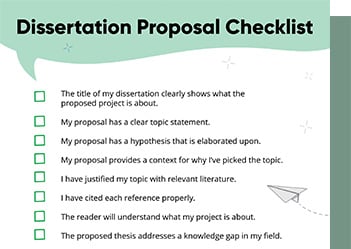
Checklist: Dissertation Proposal
Enter your email id to get the downloadable right in your inbox!
[contact-form-7 id="12425" title="Checklist: Dissertation Proposal"]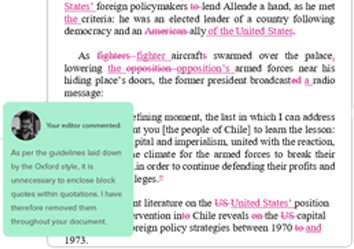
Examples: Edited Papers
Enter your email id to get the downloadable right in your inbox!
[contact-form-7 id="12426" title="Examples: Edited Papers"]Looking
to self-publish
your book?
Exploring Writing Styles: Meaning, Types, and Examples
 Jun 17, 2026
 7
min read
7
min read
- Tags: Book Writing, English as a Second Language / ESL, General, Novel Writing, Writers, Writing Tips
Have you ever wondered what makes Agatha Christie’s writing different from Dan Brown’s writing? Writing styles are what make them unique! Even though their literary genres are the same, both these famous authors have different writing styles. And now, with AI-generated content flooding every corner of the internet, understanding and developing a distinct writing style has become even more important than ever.
Understanding what writing styles are and their different types will help you find your own voice and hold onto it. In this blog, we’ll explore the meaning of writing styles, all the major types of writing styles with examples, and we’ll also look at how the rise of AI writing tools is changing the way we think about style altogether. So get ready to find your style and improve your writing!
What is a writing style?
A writing style is simply the unique way a writer expresses their ideas and crafts their prose. It’s like their personal signature or fingerprint on the page. No two writers, even writing on the same topic, produce exactly the same piece. Your style is shaped by your personality, your experiences, your target audience, and the purpose behind what you’re writing.
Different writing styles evoke different tones and emotions. A tightly argued essay feels nothing like a lyrical short story, even if both are beautifully written. Mastering different writing styles makes you a more versatile writer.
Here’s a list of the most common and important styles of writing:
- Expository writing style
- Descriptive writing style
- Persuasive writing style
- Narrative writing style
- Creative writing style
- Argumentative writing style
- Technical writing style
- Digital and social media writing style
Let’s look at these different types of writing styles in depth!
Types of writing styles
We will explore the types and writing style examples to learn more about them. At the end of each writing style is a worksheet for your practice!
1. Expository writing style
Expository writing serves to inform, explain, or clarify ideas and concepts. Its primary goal is to deliver information clearly and concisely without the influence of the writer’s own opinions. This style of writing is foundational in academic and technical settings, where understanding and precision are paramount.
It is used in writing expository essays, textbooks, business reports, manuals, and articles that aim to educate and inform the reader about a particular subject.
An example of expository writing style:
A journal article explaining the process of photosynthesis.
Photosynthesis is the remarkable biochemical process by which plants convert sunlight into chemical energy. It occurs in the chloroplasts, where sunlight and carbon dioxide are transformed into glucose and oxygen through a series of reactions. This process not only fuels the plant’s own growth but also sustains life on Earth by producing vital oxygen and forming the base of the food chain.
The article provides a straightforward explanation of how photosynthesis works without offering opinions or arguments.
The demand for clear, accurate expository writing has surged alongside the growth of online education and explainer content. Writers who can take complex topics from cryptocurrency to climate science and break them down into digestible, factual prose are among the most sought-after in content marketing today. With AI tools now capable of producing basic explanations, the bar for human expository writers has shifted toward nuance, accuracy, and authoritative sourcing.
Use this worksheet to practice expository writing style:
Expository Writing Style Worksheet
2. Descriptive writing style
The primary purpose of descriptive writing is to provide a detailed sensory experience for the reader. It uses rich and evocative language to describe the subject matter in a way that the reader can visualize or imagine vividly. Descriptive writing serves to immerse the reader in the scene or topic, allowing them to feel as if they are part of the setting or event being described.
It is often used in fiction, poetry, journal entries, descriptive essays, and nature writing, as well as in certain types of journalistic and academic writing where detailed descriptions are necessary.
An example of a descriptive writing style:
The description of a puppy.
The small puppy was fluffy, with fur as white as snow. Its bright blue eyes sparkled with curiosity as it playfully wagged its tiny tail. The soft jingle of its collar could be heard as it bounced around the sunny backyard, exploring every corner with excitement.
The description uses picturesque language to describe the puppy, making the reader imagine the experience of actually seeing the puppy.
With the surge in short-form video and visual content, great descriptive writing has actually become more valuable, not less. When readers choose to read instead of watch, they expect the prose to do the work of a camera. Travel writing, literary journalism, and immersive long-form content all rely heavily on descriptive style to compete with visual media. Strong descriptive writers are also in high demand for product descriptions, where evocative language drives purchasing decisions.
Use this worksheet to practice descriptive writing style:
Descriptive Writing Style Worksheet
3. Persuasive writing style
The purpose of persuasive writing is to convince or persuade the reader to agree with the writer’s point of view or to take a specific action. Persuasive writers use emotional appeals, logical arguments, and credible evidence to build their case. The effectiveness of persuasive writing lies in its ability to influence the reader’s beliefs or behaviors.
This style of writing is essential in law, advertising, political speeches, and opinion pieces.
An example of a persuasive writing style:
A speech advocating for climate change action.
Today, we stand at a crossroads. The evidence of climate change is undeniable, and its effects are devastating. We have the power to change this trajectory. By investing in renewable energy and reducing our carbon footprint, we can safeguard our planet for future generations. The time for debate has passed; now is the time for action.
The speech uses compelling language to convince the audience of the urgency of addressing climate change and suggests clear actions to be taken.
Persuasive writing has taken on new dimensions in the era of social media and content marketing. Today’s persuasive writers must navigate shorter attention spans, algorithmic feeds, and increasingly skeptical audiences. The most effective persuasive content in 2026 is transparent about its intent, backed by verifiable data, and written with emotional intelligence rather than manipulation. Ethical persuasion, sometimes called “responsible rhetoric,” is an emerging focus in content strategy and journalism schools alike.
Use this worksheet to practice persuasive writing style:
Persuasive Writing Style Worksheet
4. Narrative writing style
Narrative writing serves to tell a story or to relay events in an organized, chronological manner. It is used to engage the reader by presenting a compelling tale, often to entertain, educate, or convey a particular theme or moral.
In addition to entertainment, narratives can be used to preserve history, as in the case of memoirs or biographies. It can also be used in narrative essays to share personal experiences in a relatable way or to explore complex ideas through literary devices.
An example of a narrative writing style:
A personal anecdote in a college application essay.
Back when I was eleven, a run-down piano in the community hall called out to me, its keys worn from years of neglect. Despite its decrepit state, I saw potential. Day by day, I cleaned and tuned it, and soon, my fingers danced across the keys, bringing life to melodies that had long been silent. That piano wasn’t just an instrument; it was my first step toward a lifelong passion for music.
The essay provides a narrative of personal growth and discovery centered around the piano, offering insight into the writer’s character and history.
Storytelling has become a cornerstone of brand communication. Businesses, nonprofits, and even scientific institutions now use narrative writing to humanize their work and build emotional connections with audiences. The concept of “narrative journalism,” applying storytelling techniques to factual reporting, has grown significantly in outlets like The Atlantic, Wired, and various digital longform platforms. Personal narratives are also increasingly central to content marketing, as audiences crave authenticity over polished brand-speak.
Use this worksheet to practice narrative writing style:
Narrative Writing Style Worksheet
5. Creative writing style
Creative writing’s purpose is to entertain, provoke thought, express feelings, and stretch the imagination of the reader. It’s a way for writers to express themselves creatively by talking about all sorts of human experiences, like wild adventures, deep thoughts, or trying out new ideas. Creative writing can help us understand what it’s like to be human, share stories that touch our hearts, or just give us a break from everyday life.
It includes genres such as fiction, poetry, drama, and other creative forms where the writer’s voice and style are integral to the work’s impact and appeal.
An example of creative writing style:
A short story opening in a literary magazine.
When Luna opened the antique locket, she didn’t expect to find the ocean. But there it was, a drop of the sea, trapped behind glass, its tiny waves crashing against the metal shores. As she peered closer, the sound of distant gulls filled her ears, and the scent of saltwater wafted through the air. Luna blinked, and for a moment, she was no longer in her grandmother’s attic.
This piece uses imaginative elements and detailed imagery to engage the reader and tell a story.
The creative writing landscape has shifted dramatically with the rise of AI-generated fiction, poetry, and screenplays. While tools like large language models can produce technically competent creative text, they tend to lack the lived experience, thematic depth, and genuine emotional resonance that define great creative writing. This has, interestingly, sparked a renewed appreciation for human creative voices. Literary magazines, writing workshops, and publishing houses are actively looking for work that is clearly, unmistakably human in its perspective. For aspiring writers, developing a strong creative writing style has never been more strategically valuable.
Use this worksheet to practice creative writing style:
Creative Writing Style Worksheet
6. Argumentative writing style
The purpose of argumentative writing is to present a reasoned argument in favor of a particular position or point of view. This style of writing is analytical and persuasive. It requires the writer to clearly articulate their stance on an issue and support it with evidence, logic, and reasoning. Argumentative writing uses facts and logic, not emotions, to persuade. It encourages critical thinking by presenting multiple viewpoints and debunking opposing arguments.
Argumentative writing is critical in areas such as academic research, opinion-editorial pieces, argumentative essays, legal cases, and public debates.
An example of an argumentative writing style:
An editorial arguing for the preservation of historical buildings.
The city council must act now to protect our historic buildings. These structures are not mere edifices of brick and mortar; they are the embodiment of our community’s rich heritage and cultural identity. Critics may argue that development is essential for economic growth, but must progress come at the cost of our past? Surely, we can find a balance that honors both our history and our future aspirations. Preserving these landmarks is not a blockade to modernization—it is an act of respect for the narrative that has shaped us.
The editorial presents a clear argument for the preservation of historic buildings, addressing potential counterarguments about economic development and proposing a balanced solution.
Where there’s widespread misinformation and polarized media, strong argumentative writing has become a civic skill. Readers are more likely than ever to encounter bad-faith arguments, logical fallacies, and propaganda disguised as opinion. Writers who can construct clear, fair, evidence-based arguments and teach readers to think critically are doing genuinely important work. Academic institutions have also updated their curricula to emphasize the difference between argumentative writing and mere opinion, with a greater focus on source credibility and logical structure.
Use this worksheet to practice argumentative writing style:
Argumentative Writing Style Worksheet
7. Technical writing style
Technical writing is a specialized style focused on communicating complex, specialized information in a clear, precise, and user-friendly way. Unlike other writing styles, technical writing is almost entirely purpose-driven; its job is to help the reader understand or accomplish something specific, whether that’s assembling furniture, using software, or understanding a medical procedure.
Technical writing appears in user manuals, API documentation, white papers, standard operating procedures (SOPs), scientific reports, and instructional guides.
An example of technical writing style:
Software installation instructions.
To install the application, navigate to Settings > System > Software Update. Ensure your device is connected to a stable Wi-Fi network. Select “Download and Install” and enter your administrator password when prompted. The installation will complete in approximately 3–5 minutes. Do not power off your device during this process.
The writing is direct, sequential, and stripped of any unnecessary language. The reader knows exactly what to do and in what order.
Technical writing is one of the fastest-growing professional writing fields. With the explosion of SaaS products, AI tools, and developer platforms, companies desperately need writers who can translate technical complexity into plain language. According to industry reports, the demand for UX writers and technical content strategists has grown significantly in recent years.
Technical writers are also expected to produce content for multiple formats, including chatbot scripts, in-app tooltips, and voice interface copy, making this an increasingly dynamic and well-compensated field.
Use this worksheet to practice technical writing style:
Technical Writing Style Worksheet
8. Digital and social media writing style
Digital writing is a modern writing style optimized for online readability, engagement, and discoverability. It encompasses everything from blog posts and email newsletters to social media captions, SEO-optimized web copy, and long-form LinkedIn articles. Digital writing isn’t just about what you say; it’s about how you structure it for skimming, sharing, and search engines.
Key characteristics include short paragraphs, conversational tone, strategic use of headers and bullet points, clear calls to action, and keyword-conscious language without being robotic or over-optimized.
An example of digital writing style:
An Instagram caption for a writing tips account.
Writing tip nobody talks about: your first draft isn’t supposed to be good. It’s supposed to exist. ✍️ Stop trying to write a masterpiece on the first pass — just get the words on the page. You can’t edit a blank document. What’s your biggest first-draft struggle? Drop it in the comments 👇
The caption is conversational, punchy, includes a hook, a relatable insight, and ends with a question to drive engagement.
As content saturation has reached an all-time high, digital writing has had to evolve beyond keyword stuffing and listicle formulas. Google’s evolving search algorithms, particularly the emphasis on Experience, Expertise, Authoritativeness, and Trustworthiness (E-E-A-T), now actively reward writing that demonstrates genuine human knowledge and perspective.
Social platforms like LinkedIn and Substack have also given rise to a new type of digital essay that blends personal narrative with professional insight. The most effective digital writers are those who understand both the art of storytelling and the science of content distribution.
Use this worksheet to practice digital and social media writing style:
Digital and Social Media Writing Style Worksheet
Tips for adapting your writing style
- Know your purpose: Make sure you know what you want to accomplish with your writing.
- Understand your audience: Adjust your style to fit the people who will read your writing.
- Use appropriate language: Choose words that match your audience and purpose, whether that means using formal or informal language, technical terms, or simpler words.
- Maintain Flexibility: Be ready to adjust your writing based on feedback and how well it’s working.
- Practice Consistently: The more you write, the better you’ll get at adjusting your style naturally.
Adapting to a writing style will give an edge to your writing and make your work stand out. Remember, adapting your writing style is not about losing your voice; it’s about expressing your ideas most effectively for a particular context.
Whatever your writing style, always make sure to revise and edit your writing to keep it perfect. As experts in editing and proofreading services, PaperTrue can help you make your writing flawless and error-free!
Want to read more? Here are some articles for you:

Tanvi

With a foundation in Life Sciences, Tanvi enjoys curating technical writing tips tailored for ESL students. When she's not translating complex concepts into bite-sized nuggets, she can be found playing with dogs or painting landscapes.
One comment on “Exploring Writing Styles: Meaning, Types, and Examples”
Comments are closed.








This article was helpful. It made brushing up on writing techniques easier to understand. I remember reading some of the information before. Noticed that the formats hadn’t changed any.